.webp&w=384&q=75)

Loading, please wait...
Loading, please wait...
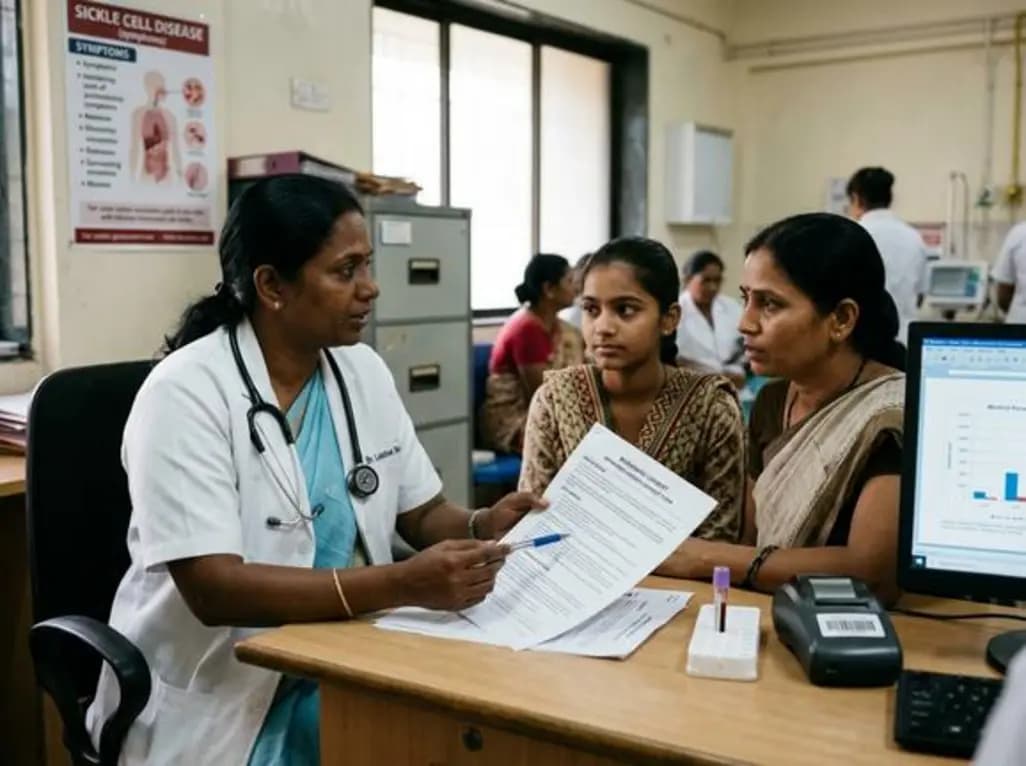
Biobanking in sickle cell disease is an essential tool for advancing genomic research and personalized therapies. Recent data published in Genetics in Medicine explores the diverse preferences of adolescents and parents regarding sample storage and data sharing. Understanding these nuances is vital for clinicians to foster trust and ensure ethical participation in research.
The study analyzed responses from 200 caregivers and 100 adolescents. Interestingly, adolescents showed a higher willingness to permit long-term sample storage compared to their parents. Specifically, 82% of adolescents approved of long-term storage, while only 69% of parents felt the same. This discrepancy suggests that younger patients might view the future benefits of genetic research with more optimism than their caregivers. Furthermore, both groups broadly supported using samples for research beyond sickle cell disease (SCD).
However, support for data sharing outside the home institution remains limited. Only about 58% of both groups agreed to share samples with external researchers, even with privacy protections. This caution stems largely from mistrust, which was a dominant theme for 62% of participants. Consequently, researchers must prioritize transparency and robust privacy measures to address these concerns. Moreover, the study found that altruism remains a powerful motivator, driving 78% of the participants to consider biobanking.
In India, where SCD is highly prevalent, applying these insights is critical. The Indian Council of Medical Research (ICMR) emphasizes that biobanking should respect individual autonomy through clear informed consent. Therefore, offering flexible consent options—ranging from specific to broad consent—could accommodate the diverse views of the patient population. By emphasizing how biobanking helps future generations, clinicians can strengthen the patient-provider partnership and mitigate concerns regarding sample ownership and privacy.
Specific consent limits sample use to a particular study. In contrast, broad consent allows researchers to use samples for future, often unspecified, medical research projects under ethical oversight.
Adolescents often express higher altruism and a stronger desire to contribute to future medical breakthroughs. Additionally, they may feel more comfortable with technological and genetic advancements than older generations.
Disclaimer: This content is for informational and educational purposes only. It does not constitute medical advice or a professional physician-patient relationship. Refer to the latest local and national guidelines for clinical practice.
References
1. Weaver MS et al. Beyond Mistrust: Diverse Biobanking Preferences Among Parents and Adolescents with Sickle Cell Disease. Genet Med. 2026 Jun 19. doi: undefined. PMID: 42318776.
2. Indian Council of Medical Research. National Ethical Guidelines for Biomedical and Health Research Involving Human Participants. 2017.
3. Beskow LM et al. Towards Best Practices for Biobanking: Informed Consent as an Ongoing Process. Stanford Journal of Law, Science, & Policy. 2009.

Read summarized clinical updates, watch expert medical content, and earn CME certifications right from your smartphone.
Open your smartphone camera to scan and install.





This study examines biobanking preferences among adolescents and parents with sickle cell disease. It reveals high altruism but significant mistrust, suggesting that flexible consent models are necessary to respect participant autonomy and improve participation in long-term genetic research.
4 months ago
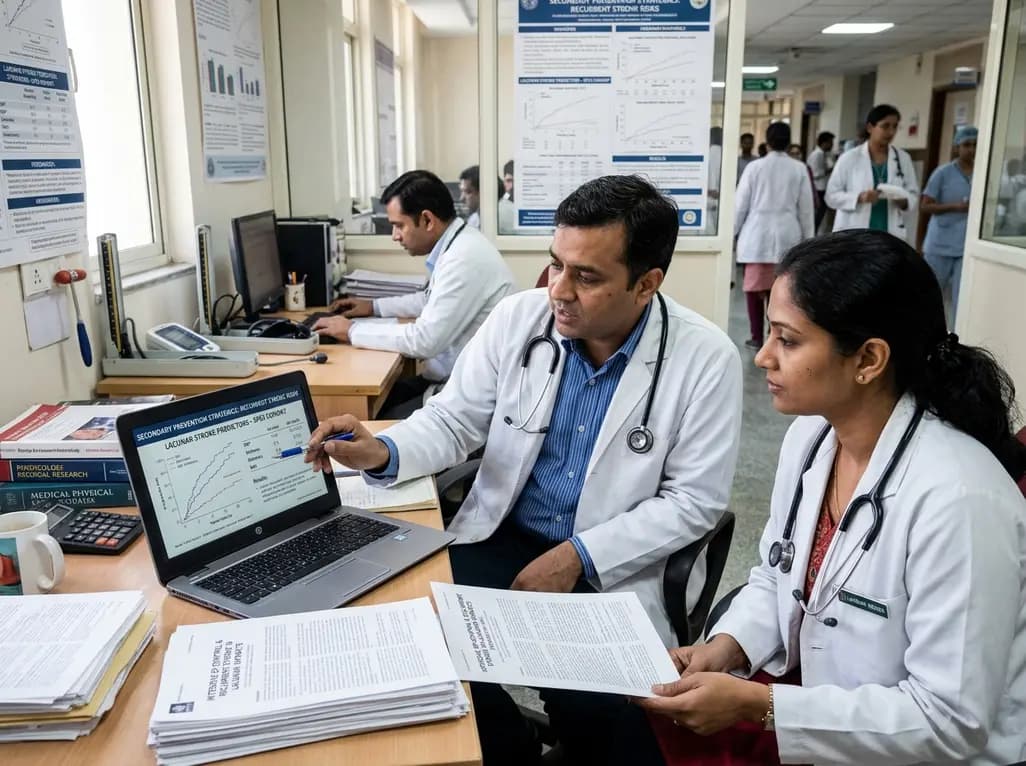
Explore vital recurrent stroke predictors in lacunar stroke patients managed with intensive blood pressure lowering. This analysis examines trial findings from SPS3 to uncover residual vascular risks, metabolic factors, and targeted secondary prevention strategies for high-risk neurological patients.
Today

A comprehensive scoping review synthesises evidence linking prenatal maternal mental health to long-term offspring neurodevelopment, evaluating neuroendocrine, inflammatory, and epigenetic pathways while highlighting clinical screening and future research priorities.
Today

The Directorate General of Health Services directs Indian states to halt the hazardous reuse and reprocessing of single-use medical devices. Discover regulatory implications under the Drugs and Cosmetics Act, critical infection risks, legal liabilities, and operational changes required across clinical specialties.
Today
Mitochondria-targeted nanoparticles self-assembled from EGCG and L-glutamic acid effectively restore mitochondrial homeostasis, suppress synovial inflammation, and attenuate chondrocyte senescence in osteoarthritis, offering a promising disease-modifying nanotherapy.
Today

India is advancing preventive healthcare by integrating genomics, artificial intelligence, and quantum technologies. With the SANGAM programme sequencing one million Indian genomes, clinicians can unlock personalized therapies, detect cardiometabolic risks early, and curb the burden of diabetes and heart disease.
Today
