.webp&w=384&q=75)

Loading, please wait...
Loading, please wait...

Loss of a loved one to cancer is a profound stressor that often triggers bereavement-related depression. Recently, researchers conducted a nationwide cross-sectional study in Japan to explore the psychosocial factors behind this condition. They specifically focused on the relationship between attachment styles, continuing bonds, and depressive symptoms among family members. The study included 539 participants who had lost a relative to cancer within the past year. By evaluating these outcomes, clinicians can better understand which families require more intensive mental health support during and after palliative care.
The research, part of the Japan Hospice and Palliative Evaluation, revealed significant findings regarding psychological predispositions. Approximately 16% of the participants screened positive for clinical depression. Notably, those exhibiting a fearful attachment style faced triple the risk of depression compared to those with a secure style. This suggests that a person's inherent way of relating to others significantly dictates their emotional resilience during grief. Furthermore, the study utilized the Patient Health Questionnaire-9 to ensure standardized assessment of symptoms.
Clinicians should note that continuing bonds—the ongoing internal connection with the deceased—also significantly impacted outcomes. Interestingly, higher scores on the Continuing Bonds Scale correlated with increased odds of depression (aOR = 1.05). This finding challenges some traditional views that all forms of ongoing connection are purely adaptive. Instead, it highlights that excessively strong or maladaptive bonds might actually hinder the recovery process for some individuals. Therefore, assessing the nature of these bonds is a critical step for physicians managing bereaved patients.
Moreover, the researchers found no significant interaction between attachment styles and the strength of continuing bonds. This means these factors act as independent risk markers for psychological distress. Consequently, identifying these risk factors early can help physicians provide more tailored end-of-life care for families. Specifically, palliative care teams should implement standardized screening for attachment insecurities during the terminal phase of the patient's illness.
By recognizing high-risk families before the bereavement occurs, healthcare teams can offer targeted counseling. Ultimately, this proactive strategy improves long-term mental health outcomes and reduces the burden of chronic grief disorders. Physicians should remain vigilant for these psychosocial markers to provide holistic support to the families of cancer patients.
A fearful attachment style often involves high levels of anxiety and avoidance. This makes it difficult for the bereaved to process loss effectively, which significantly increases the risk of clinical depression after a loved one's death.
While many find comfort in maintaining a bond with the deceased, this study suggests that stronger, externalized continuing bonds are associated with higher levels of depressive symptoms in certain cultural contexts like Japan.
Disclaimer: This content is for informational and educational purposes only and does not constitute professional medical advice, diagnosis, or treatment. Always seek the advice of your physician or other qualified health provider with any questions you may have regarding a medical condition. Refer to the latest local and national guidelines for clinical practice.
References
1. Toshishige Y et al. Associations between depressive symptoms, attachment style, and continuing bonds among Japanese bereaved family members of patients with cancer: a nationwide cross-sectional study. BMC Psychol. 2026 May 04. doi: 10.1186/s40359-026-04687-z. PMID: 42071260.
2. Field NP, Filanosky C. Continuing bonds, attachment, and loss adjustment in bereavement. Palliative & Supportive Care. 2010.
3. Mikulincer M, Shaver PR. Attachment in Adulthood: Structure, Dynamics, and Change. Guilford Press. 2007.

Read summarized clinical updates, watch expert medical content, and earn CME certifications right from your smartphone.
Open your smartphone camera to scan and install.





A Japanese study explores how fearful attachment and continuing bonds independently increase the risk of depression among bereaved cancer family members....
5 months ago
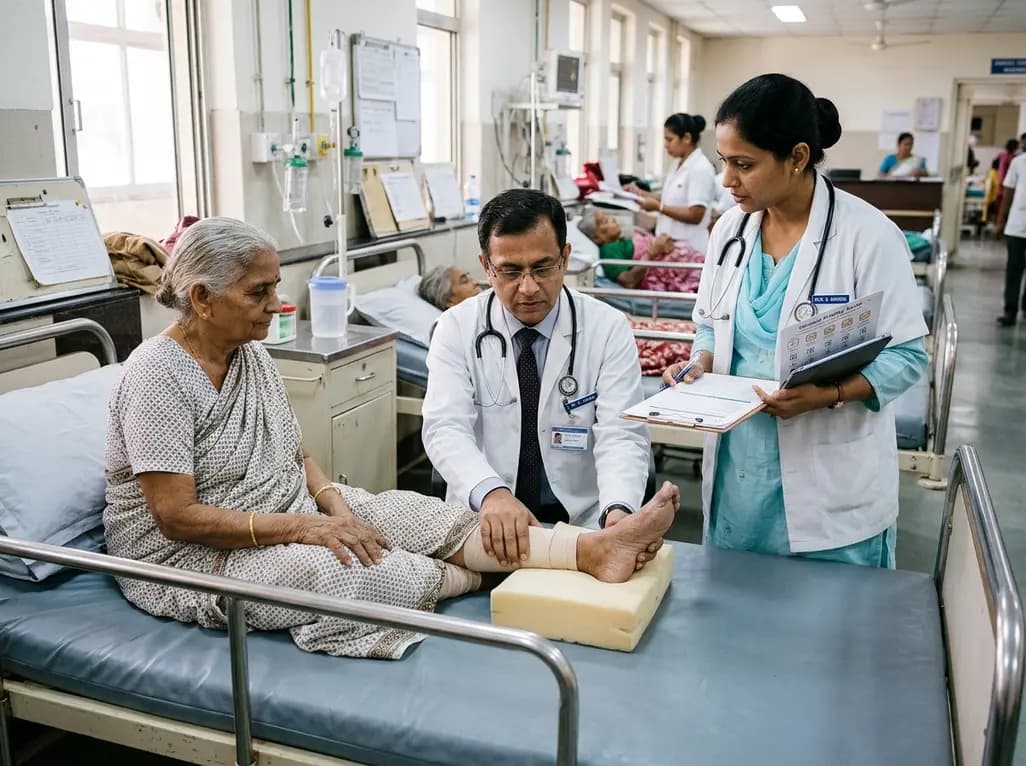
A retrospective cohort study reveals that frailty quadruples the odds of pressure injuries in hospitalized older adults. Integrating the Clinical Frailty Scale with comprehensive geriatric care is crucial for identifying vulnerability early and implementing targeted multidisciplinary prevention.
Today

Occult maternal malignancy accounts for 3.82% of persistent unreportable NIPT results with genomic noise. Multiple chromosomal aberrations, notably on chromosome 18, warrant thorough oncological evaluation and whole-body MRI to ensure timely maternal diagnosis while preserving fetal care.
Today

This article reviews the forensic and clinical complexities of acute myocarditis arising on left ventricular hypertrophy in children, highlighting early diagnostic red flags and multidisciplinary postmortem autopsy protocols.
Today
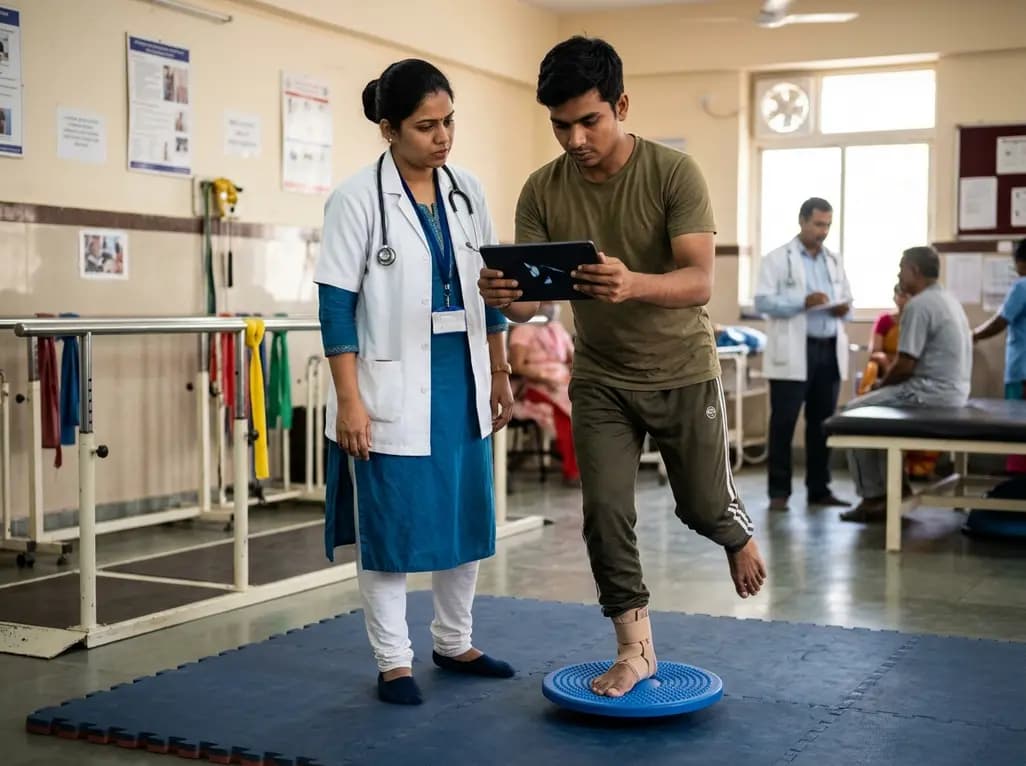
A randomized controlled trial demonstrates that an eight-week dual-task training intervention significantly improves static and dynamic postural control over standard balance exercises in individuals with chronic ankle instability, addressing critical neurocognitive deficits during athletic and daily activities.
Today

A retrospective cohort study of 7,716 ICU patients from the MIMIC-IV database demonstrates that Gradient Boosting Decision Trees significantly outperform traditional SOFA scores in predicting in-hospital mortality among patients with sepsis and diabetes, with SHAP analysis providing clinical interpretability.
Today
