.webp&w=384&q=75)

Loading, please wait...
Loading, please wait...
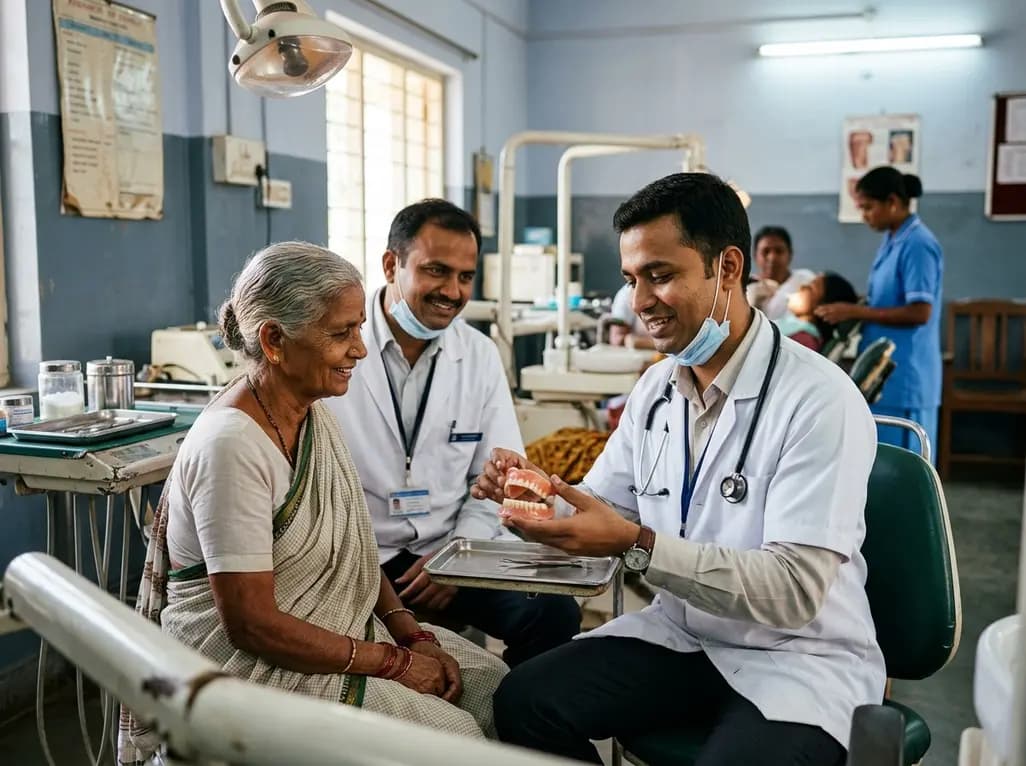
Severe tooth loss presents a major global health challenge that significantly impairs nutrition, speech, and systemic well-being. In many resource-constrained public healthcare systems, clinical dentistry remains predominantly extraction-driven rather than rehabilitative. Consequently, implementing structured basic denture services within district healthcare networks is vital for restoring functional capacity and dignity to vulnerable populations. By addressing systemic bottlenecks, public health authorities can reduce profound oral health inequities and improve population-level quality of life.
Extensive dental caries and untreated periodontal diseases remain the primary drivers of edentulism worldwide. In underserved communities, limited access to preventive care and conservative restorations rapidly accelerates tooth loss. Clinicians in public clinics frequently encounter advanced disease where extraction serves as the only available intervention. However, this recurring cycle of extraction without prosthetic replacement creates severe physiological impairments. Patients with unaddressed tooth loss experience masticatory dysfunction, which alters dietary choices toward soft, nutrient-poor foods. Furthermore, unreplaced missing teeth cause progressive alveolar ridge resorption and altered facial aesthetics. The psychosocial consequences are equally debilitating, leading to social embarrassment and reduced self-esteem. Vulnerable older adults suffer disproportionately from these preventable functional deficits. Because operational budgets rarely support prosthodontic rehabilitation, public dental clinics maintain an extraction-dominated service model that fails to support long-term patient well-being.
Several interrelated infrastructural, financial, and logistical bottlenecks severely hinder the delivery of basic denture services in public clinics. First, public facilities face acute shortages of dental technicians and specialized dental laboratories. Most primary health centres lack the equipment and vulcanizers required to fabricate acrylic removable dentures on site. Consequently, clinicians must transport impressions to distant laboratories, causing extended turnaround times and high transit failure rates. Second, public healthcare budgets consistently underfund dental consumables, impression materials, and acrylic resins, creating persistent material stockouts. Third, human resource distribution remains skewed toward urban centres, leaving rural health posts without skilled clinicians. In addition, administrative ambiguity regarding health insurance benefit packages creates confusion about prosthetic coverage entitlements. Without systematic institutional restructuring, public oral facilities remain incapable of meeting soaring community prosthetic demands.
To overcome systemic hurdles, public health authorities have introduced an evidence-informed three-stage framework for district oral health management. The initial stage focuses on rigorous evidence production. Healthcare managers conduct district-level oral health needs assessments to quantify edentulism rates and evaluate local exodontia-to-prosthesis ratios, establishing reliable epidemiological baselines. The second stage emphasizes strategic stakeholder engagement and collaborative dialogue. District coordinators consult provincial executives, hospital administrators, frontline dental officers, and external dental laboratory proprietors. This multi-sectoral engagement resolves policy ambiguities, establishes realistic reimbursement schedules, and formalizes public-private partnerships. The final stage centers on enacting program changes. Public health directorates execute targeted resource reallocations, implement standardized clinical impression protocols, and streamline dental supply chains. Furthermore, this phase integrates quality assurance mechanisms, transforming fragmented dental services into responsive, patient-centered care networks.
Establishing viable laboratory infrastructure represents the most technically complex aspect of expanding public prosthodontic care. Because constructing fully equipped dental laboratories in every district clinic is economically unfeasible, collaborative contracting provides a pragmatic solution. Public-private partnerships enable public health departments to negotiate standardized, volume-discounted fee structures with certified commercial dental laboratories. Private technicians receive reliable batches of impressions, while public sector patients obtain high-quality prostheses at subsidized rates. However, successful outsourcing requires rigorous quality management across every clinical step. District dental departments must establish strict impression disinfection, packaging, and courier transit protocols to prevent distortion. In addition, supervising dental officers should conduct periodic audits of laboratory accuracy to ensure optimal occlusal design. Concurrently, public programs should invest in regional hub laboratories in major hospitals to handle routine acrylic processing efficiently.
Universal Health Coverage mandates that all individuals obtain essential healthcare without suffering catastrophic financial hardship. Historically, international health policy frameworks largely neglected oral health, categorizing dental care as elective or non-essential. However, contemporary global health paradigms firmly recognize that oral health is inextricably linked to non-communicable disease management, nutritional security, and healthy aging. Integrating denture provision into national benefit packages directly advances universal coverage goals. When public systems cover removable dentures, they prevent out-of-pocket impoverishment among disadvantaged households forced to seek private care. Furthermore, providing basic prostheses supports healthy aging by preserving nutritional status and preventing frailty in geriatric populations. Policymakers should establish explicit public service entitlements, ensuring that vulnerable edentulous patients receive subsidized rehabilitative treatment. Aligning district denture delivery with universal health principles guarantees social justice and safeguards human dignity.
Implementing structured oral rehabilitation models offers vital lessons for dental practitioners, primary healthcare physicians, and public health administrators. At the primary clinic level, general practitioners and medical officers must recognize the systemic consequences of severe edentulism. Routine geriatric assessments should incorporate basic oral cavity examinations to identify chewing difficulties and untreated mucosal lesions. Primary care teams can then establish direct referral pathways to district dental units for timely prosthodontic evaluation. For dental clinicians, practicing conservative tooth retention through preventive and endodontic therapy must remain the primary clinical goal. When tooth loss is unavoidable, clinicians must formulate structured treatment plans incorporating timely prosthetic replacement rather than leaving ridges unmanaged. Furthermore, clinical teams must emphasize rigorous post-insertion patient education regarding denture hygiene, plaque control, and annual recall evaluations.
Basic denture services restore essential masticatory function, speech clarity, and facial aesthetics in individuals experiencing partial or complete tooth loss. Within public health systems, offering accessible acrylic dentures prevents poor nutritional intake, progressive alveolar bone resorption, and psychological distress. Subsidized prosthodontic care ensures that vulnerable, low-income, and geriatric populations achieve optimal oral rehabilitation without facing severe financial hardship or prolonged functional disability.
Public health clinics overcome dental laboratory deficits by establishing structured public-private partnerships with certified commercial dental laboratories. Health districts negotiate standardized, volume-based pricing while establishing regional hub laboratories in major district hospitals for basic acrylic processing. Implementing streamlined impression transit protocols, stringent disinfection standards, and regular technical quality audits ensures reliable, cost-effective prosthesis fabrication for underserved community clinics.
Public oral rehabilitation aligns with Universal Health Coverage by ensuring that essential prosthodontic treatments are accessible to all citizens regardless of socio-economic standing. Integrating basic dentures into statutory health benefit packages eliminates catastrophic out-of-pocket medical expenditure. Furthermore, restoring oral function promotes healthy aging, improves nutritional status, and reduces systemic chronic disease risks across diverse vulnerable demographic groups.
Disclaimer: This content is for informational and educational purposes only and should not be considered medical advice. Always consult a qualified healthcare provider for diagnosis and treatment decisions. Refer to the latest local and national guidelines for clinical practice.
References

Read summarized clinical updates, watch expert medical content, and earn CME certifications right from your smartphone.
Open your smartphone camera to scan and install.





A comprehensive framework guides the integration of basic denture services into district public health systems, shifting care from extractions to equitable oral rehabilitation.
last month

Ceftriaxone therapy can lead to biliary sludge and gallstone formation due to calcium-ceftriaxone precipitation. A recent cohort study shows that the noninvasive Fibrosis-4 (FIB-4) index, alongside treatment duration, independently predicts lithogenesis, enabling proactive risk stratification.
Today
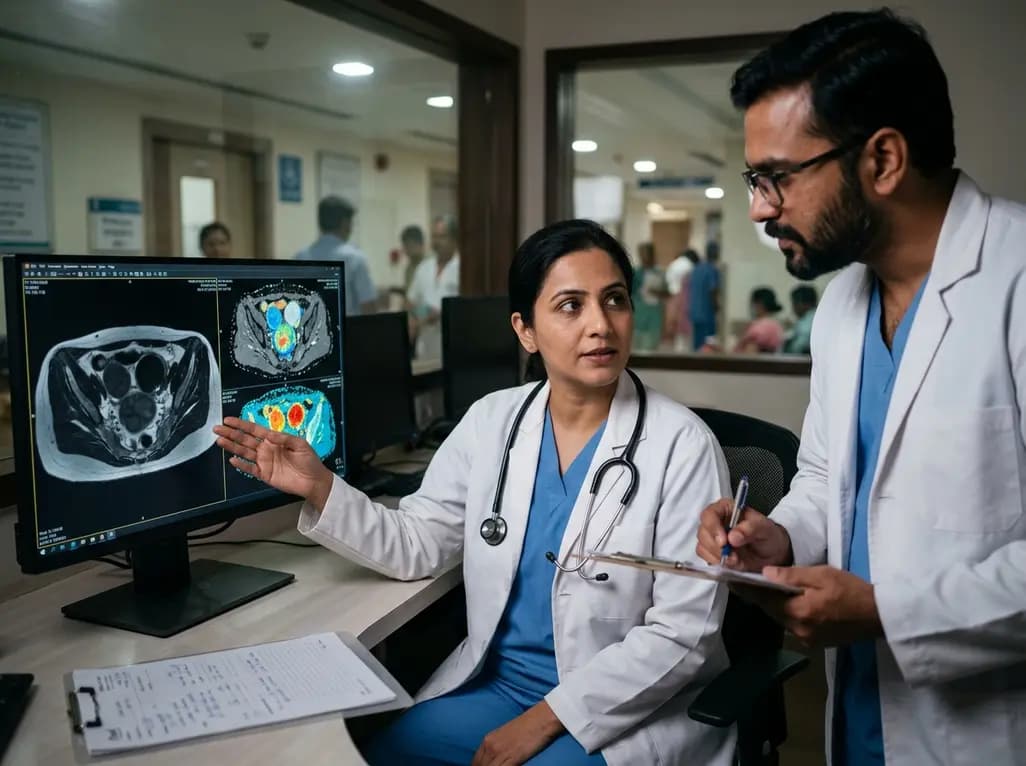
A multiparametric MRI approach combining quantitative T2 shading, apparent diffusion coefficient (ADC) measurements, and morphological signs provides superior diagnostic accuracy over subjective evaluation to differentiate ovarian endometriomas from benign hemorrhagic cysts.
Today
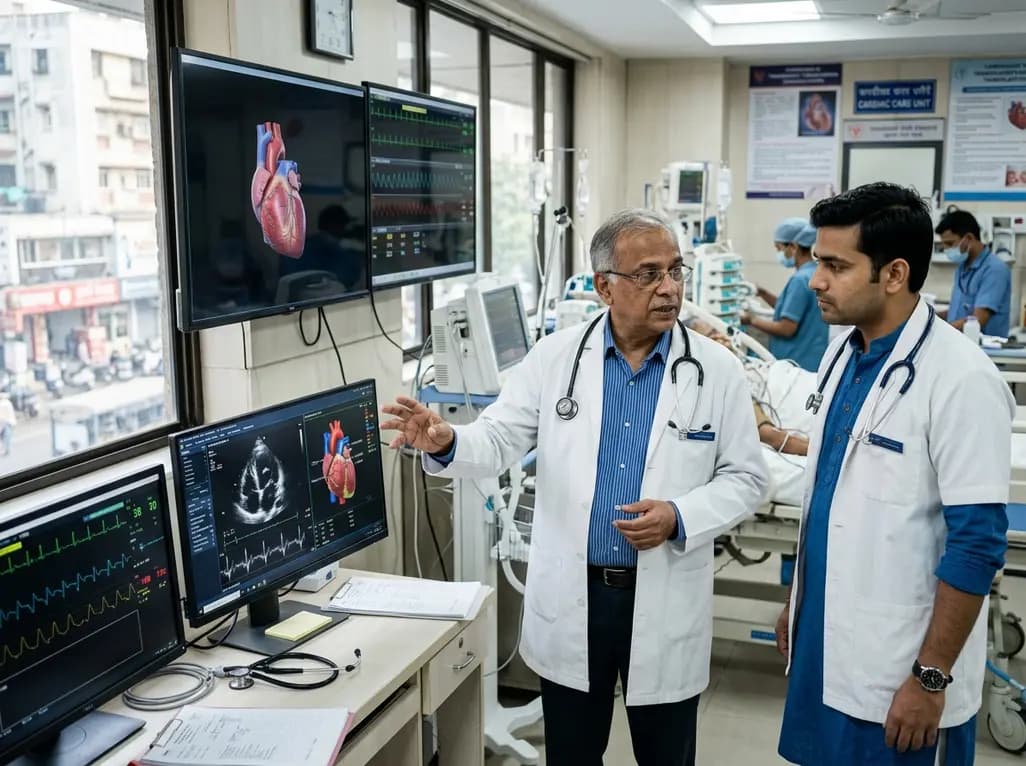
A landmark case report reveals a donor heart beating for a century in a 63-year-old recipient, challenging conventional age limits in cardiac transplantation and offering critical lessons on organ longevity, donor selection, and long-term graft survival.
Today
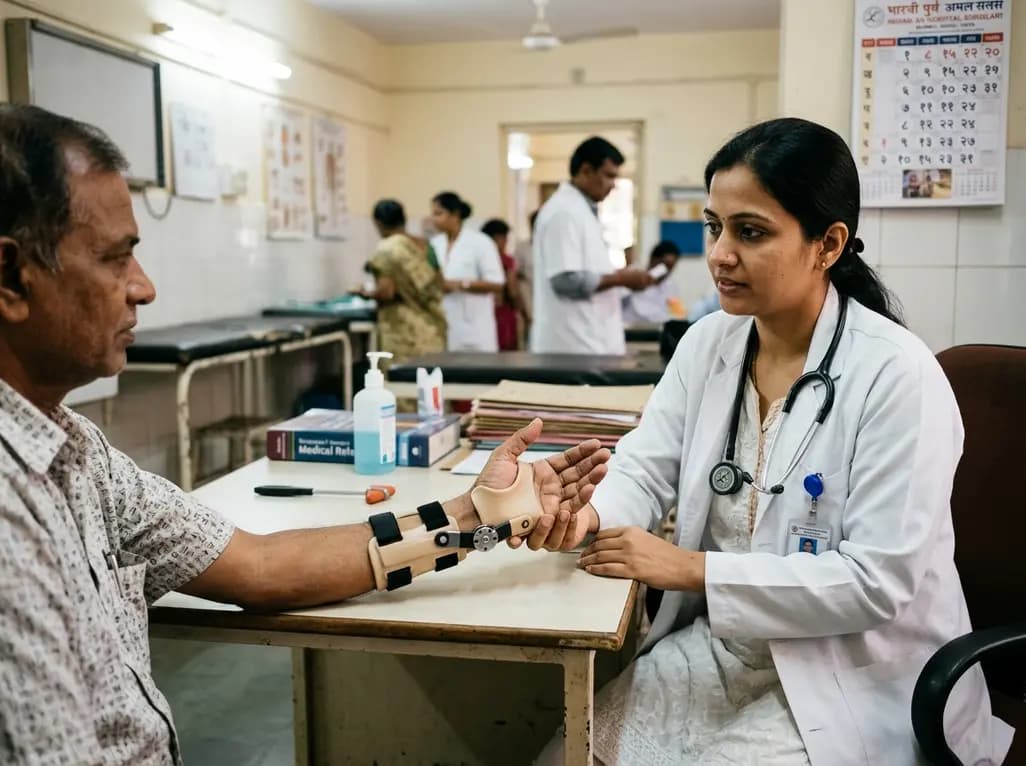
A new randomized crossover trial reveals that a hinged ulnar gutter orthosis significantly improves hand function and weight-bearing tolerance compared to standard volar splints in patients with degenerative triangular fibrocartilage complex lesions, supporting functionally permissive orthotic designs.
Today
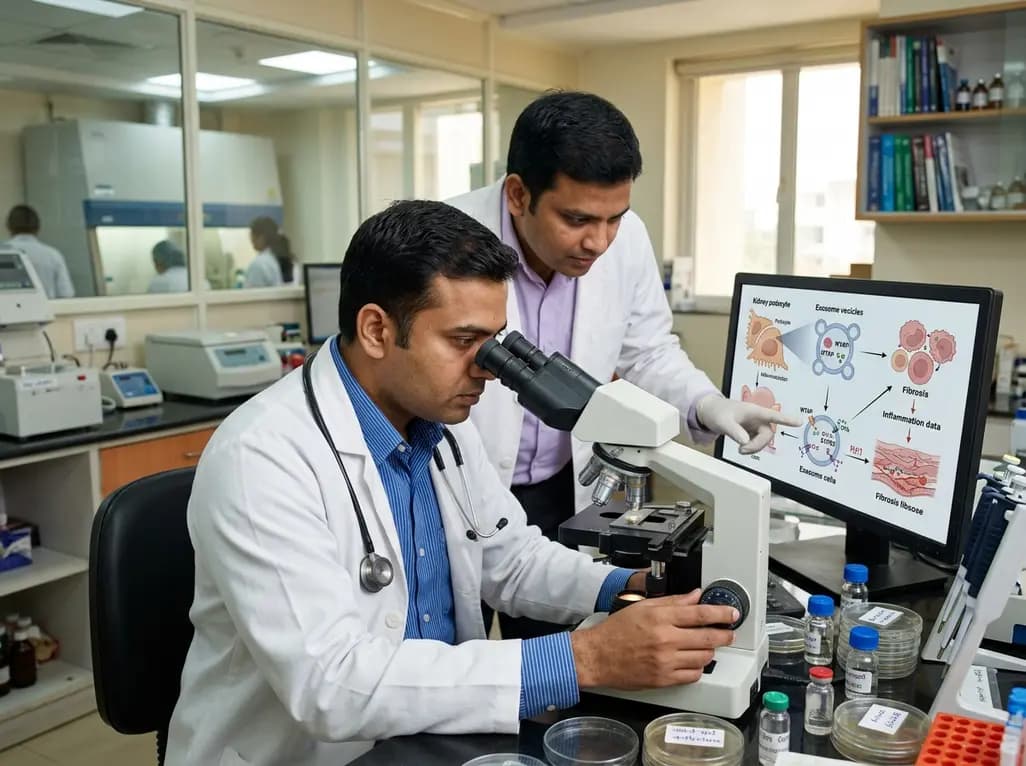
New research reveals that M1 macrophage-derived exosomes aggravate diabetic nephropathy by transferring WTAP to stabilize S1PR2 mRNA. Silencing WTAP in these vesicles attenuates endothelial injury and renal fibrosis, pointing toward innovative nanomedicine therapies.
Yesterday
