.webp&w=384&q=75)

Loading, please wait...
Loading, please wait...
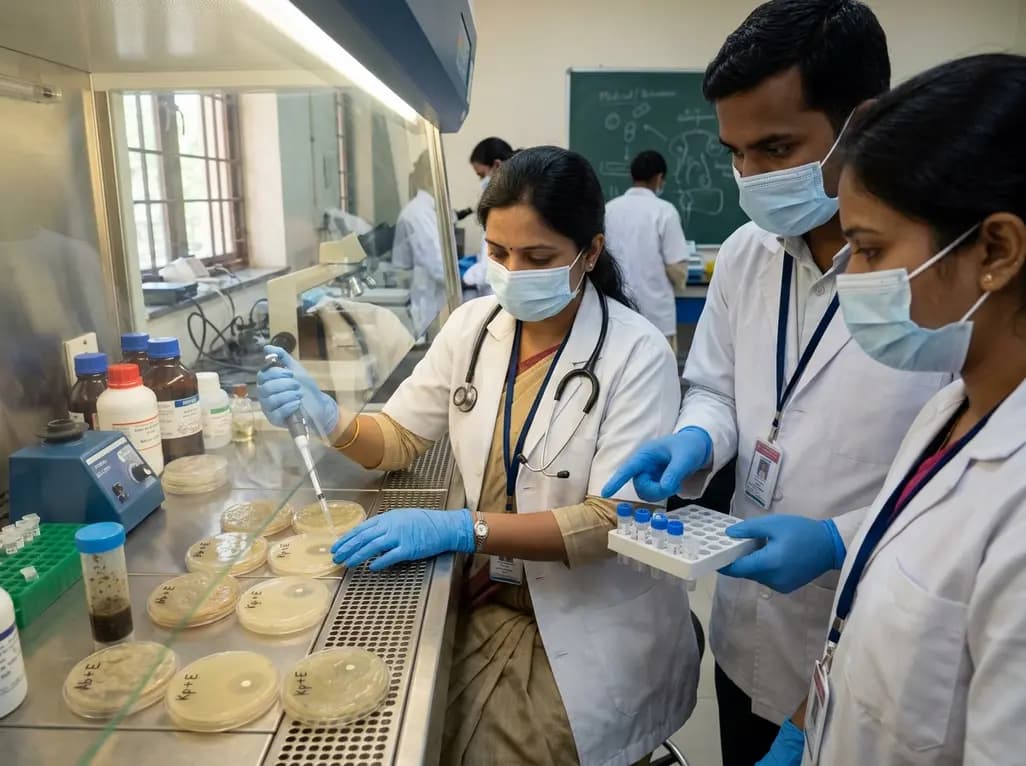
Antimicrobial resistance poses an escalating global healthcare crisis, particularly when hospital-acquired pathogens construct stubborn extracellular shields. Consequently, bacterial biofilm disruption has emerged as a crucial therapeutic frontier for clinicians managing complex nosocomial infections. Researchers at the Indian Institute of Science have recently discovered a potent catalytic solution derived from the bovine rumen microbiome. By targeting the protective structural matrix of critical pathogens, this approach makes multidrug-resistant bacteria vulnerable once again to standard antimicrobial regimens.
Hospital-acquired pathogens frequently evade antimicrobial therapy by constructing intricate multicellular communities. Within these protective architectures, bacterial cells embed themselves inside a self-produced extracellular polymeric substance. This matrix contains complex polysaccharides, structural proteins, lipids, and extracellular DNA. Therefore, the dense biopolymer matrix acts as a formidable physical barrier against therapeutic agents. Consequently, standard systemic antibiotics fail to penetrate the deeper cellular layers at therapeutic concentrations.
Moreover, the microenvironment inside mature biofilms fosters metabolic dormancy among bacterial sub-populations. This phenotypic tolerance significantly blunts the bactericidal activity of cell-wall inhibitors and aminoglycosides. Clinicians frequently encounter these resilient colonies in chronic non-healing ulcers, indwelling device infections, and ventilator-associated pneumonia. In addition, bacteria housed within biofilms exchange resistance genes rapidly through horizontal transfer. Thus, standard antimicrobial regimens often fail to eradicate the underlying source. As a result, patients experience recurrent bacteremia, extended hospital stays, and elevated clinical mortality across critical care units globally.
Furthermore, standard clinical microbiology cultures often underestimate biofilm virulence because planktonic testing does not reflect structured matrix dynamics. Consequently, modern infectious disease management requires innovative adjunctive modalities that dismantle these physical shields directly.
To overcome this matrix barrier, investigators turned their attention to an unconventional biological source: the bovine digestive tract. The bovine rumen serves as an extraordinarily efficient natural bioreactor. Specifically, specialized rumen microorganisms produce highly active enzymes to degrade complex structural plant polysaccharides such as cellulose and hemicellulose. Because biofilm matrix architecture shares profound biochemical similarities with plant carbohydrates, researchers hypothesized that rumen enzymes could digest bacterial biopolymers.
Through comprehensive genomic analysis of rumen metagenomic libraries, the research team identified specialized glycoside hydrolases. These microbial enzymes specifically break complex glycosidic bonds that stabilize dense polysaccharide scaffolding. Furthermore, laboratory testing revealed that these catalytic agents preserve remarkable stability across diverse biochemical environments. Therefore, these enzymes offer significant translational promise for clinical formulations. By repurposing digestive biocatalysts, scientists have unlocked a completely novel mechanism to destabilize stubborn pathogenic microenvironments without generating systemic toxicity.
Additionally, these natural hydrolases function effectively at physiological pH and body temperature. Consequently, they provide ideal biocompatibility for topical and direct mucosal delivery systems in human therapeutic settings.
The researchers isolated and characterized a specific enzyme named Cow Rumen Hydrolase against Acinetobacter baumannii, designated as CRhAB. Importantly, polysaccharides constitute between 45% and 95% of the total biofilm mass in problematic Gram-negative pathogens. These carbohydrate polymers establish structural integrity by cross-linking adjacent matrix proteins and lipid assemblies. When applied to mature colonies, CRhAB actively digests these structural polysaccharides, causing rapid bacterial biofilm disruption.
Moreover, the catalytic action destabilizes the structural cohesion of the entire extracellular network. Interestingly, the enzyme does not attempt to kill bacterial cells directly. Instead, it systematically strips away their external protective layer. As a result, the dispersed bacterial cells transition back into a vulnerable, planktonic-like state. Furthermore, transcriptional profiling demonstrated that CRhAB suppresses key bacterial genes responsible for matrix synthesis and biofilm maintenance. Consequently, this non-bactericidal mechanism significantly reduces the selective evolutionary pressure that typically drives rapid antimicrobial resistance development in clinical settings.
Thus, exposing hidden pathogens enhances endogenous immune clearance while simultaneously lowering the minimum inhibitory concentration required for co-administered conventional antibiotics.
Remarkably, the study revealed that CRhAB exhibits potent dual efficacy against both Acinetobacter baumannii and Klebsiella pneumoniae. Both microorganisms belong to the notorious ESKAPE group of multidrug-resistant hospital pathogens. The World Health Organization categorizes carbapenem-resistant Acinetobacter baumannii and Klebsiella pneumoniae as top-tier critical priority pathogens. Therefore, developing a single enzymatic agent capable of dismantling protective barriers in both species marks a vital therapeutic milestone.
In addition, the enzyme demonstrated consistent matrix degradation across multiple distinct clinical isolates with diverse capsular serotypes. This broad-spectrum activity surprised researchers because polysaccharide compositions frequently vary between divergent bacterial strains. Furthermore, synergistic assays confirmed that combining CRhAB with meropenem restored antibiotic susceptibility in previously impervious biofilms. Thus, clinicians could potentially salvage existing first-line and second-line antimicrobials against resistant superbugs. Moreover, this dual-target capability addresses mixed-species nosocomial infections commonly found in intensive care units, burn centers, and surgical recovery wards.
Consequently, therapeutic cocktails containing catalytic matrix-degrading enzymes could simplify empiric management protocols for complicated polymicrobial surface colonization.
To translate these biological findings into practical clinical interventions, the team engineered a bioactive medical gauze infused with CRhAB. In preclinical murine models with infected cutaneous wounds, the enzyme-coated dressing significantly expedited tissue healing. Moreover, the formulation degraded bacterial barriers without damaging healthy mammalian cells or impairing fibroblasts. Therefore, researchers are actively optimizing advanced hydrogel and patch formulations tailored for difficult chronic wounds, particularly diabetic foot ulcers.
Furthermore, investigators are exploring targeted respiratory delivery systems for pulmonary infections. Inhaled pathogens frequently establish stubborn biofilms within bronchiectatic airways and cystic fibrosis lungs. Consequently, delivering nebulized CRhAB formulations directly to the bronchial mucosa could dissolve protective plugs at the infection site. In addition, this targeted approach minimizes systemic drug exposure while maximizing local bioavailability. Thus, future clinical trials may validate catalytic biofilm disruption as a powerful adjunctive strategy alongside standard intravenous antibiotics for severe hospital-acquired pneumonia.
Importantly, scalable biomanufacturing processes will facilitate cost-effective production of clinical-grade enzymes for broad implementation across diverse healthcare settings.
The discovery of bovine-derived biofilm hydrolases signifies a paradigm shift in antimicrobial development. Rather than focusing solely on cytotoxic compounds, targeting extracellular matrix architecture provides an effective complementary path. Therefore, incorporating matrix-degrading enzymes into clinical algorithms could prevent catastrophic treatment failures in hospital settings. Additionally, this strategy may extend the clinical lifespan of current antimicrobial agents facing rising global resistance.
Nevertheless, several translational hurdles warrant thorough clinical evaluation before widespread human adoption. Specifically, investigators must assess immunogenicity risks, enzymatic half-life in human wound exudate, and optimal dosing intervals. Moreover, rigorous phase I and phase II human clinical trials are essential to verify safety and pharmacokinetic profiles across varied patient demographics. As research progresses, catalytic biofilm dispersal could transform management protocols for implant-associated infections, severe burns, and refractory respiratory tract diseases worldwide.
Furthermore, interdisciplinary collaboration between biochemists, clinical microbiologists, and surgeons will prove vital in designing optimized delivery vehicles. Consequently, this innovative technology holds immense promise for combating multidrug resistance in routine clinical practice.
Q1: What is the primary mechanism of action of the CRhAB enzyme?
CRhAB acts as a catalytic glycoside hydrolase that specifically breaks down complex structural polysaccharides within the bacterial biofilm matrix. Rather than directly killing the bacteria, it destabilizes the protective physical scaffold shielding the pathogens. Consequently, the enclosed bacteria disperse into a vulnerable planktonic state, which restores their susceptibility to standard antibiotics and allows host immune cells to clear the infection effectively.
Q2: Why is targeting bacterial biofilms advantageous over conventional antibiotics alone?
Conventional antibiotics often fail against biofilms because the dense extracellular matrix limits drug penetration, while dormant bacterial cells resist cytotoxic action. By dismantling this physical matrix, biofilm-disrupting enzymes strip away bacterial defenses without exerting direct selective bactericidal pressure. Therefore, this therapeutic strategy substantially reduces the evolutionary drive that prompts bacteria to develop drug resistance, while simultaneously salvaging the clinical efficacy of existing antibiotic therapies.
Q3: How might this bovine enzyme be administered in human clinical practice?
Researchers are developing multiple targeted delivery platforms for this enzyme. For topical applications, scientists have engineered bioactive gauze and patch dressings designed to treat chronic wounds, surgical site infections, and diabetic foot ulcers. Furthermore, for pulmonary infections, investigators are designing inhalable and nebulizable formulations. These aerosolized preparations aim to deliver the enzyme directly into the lungs to disrupt airway biofilms in hospital-acquired pneumonia.
Disclaimer: This content is for informational and educational purposes only. It does not constitute medical advice or replace professional judgment. Refer to the latest local and national guidelines for clinical practice.
References

Read summarized clinical updates, watch expert medical content, and earn CME certifications right from your smartphone.
Open your smartphone camera to scan and install.





Researchers at the Indian Institute of Science have discovered an enzyme from the bovine rumen that disrupts extracellular matrices shielding resistant bacteria. By degrading protective polysaccharides, this catalytic approach restores antibiotic susceptibility in Acinetobacter baumannii and Klebsiella pneumoniae.
last month

This clinical review examines the dangerous intersection of climate change and antimicrobial resistance (AMR). It highlights thermal selection, altered transmission pathways, and the imperative for One Health and Planetary Health adaptation frameworks to preserve therapeutic efficacy.
Today
Discover the crucial distinctions between mesonephric and mesonephric-like proliferations of the female genital tract. Learn the key histomorphologic, immunohistochemical, and molecular differences essential for accurate diagnosis and clinical management.
Today
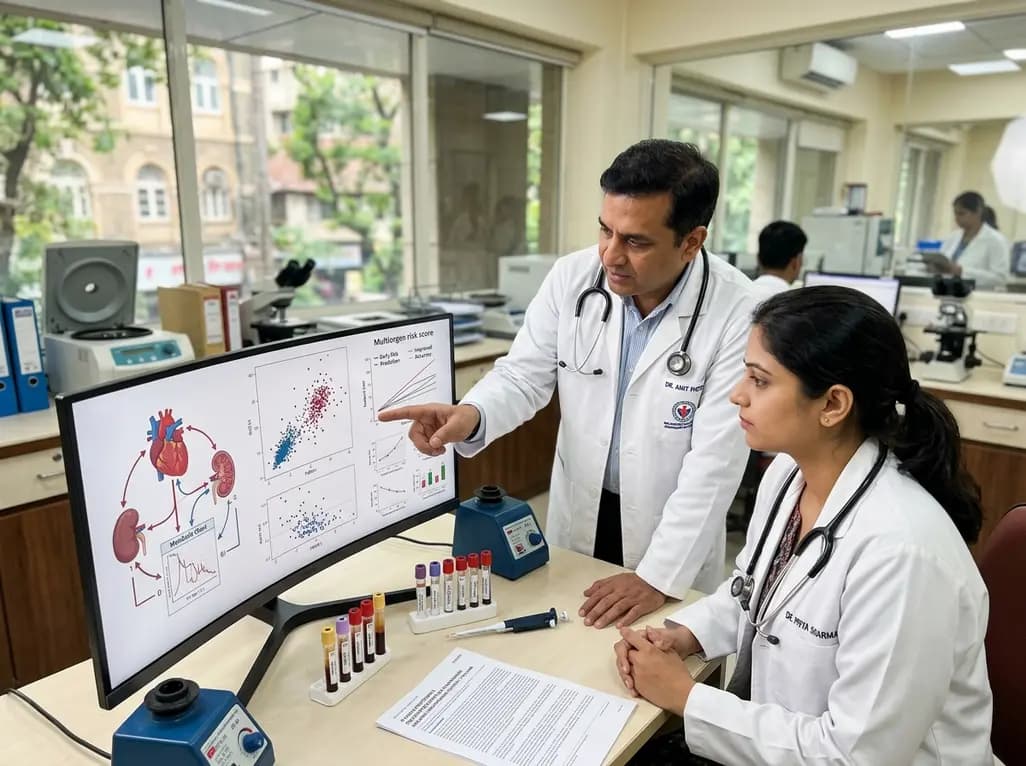
A large UK Biobank study reveals that plasma proteomic signatures capture preclinical organ damage and improve multiorgan risk prediction across early CKM syndrome stages 0 to 2 beyond traditional PREVENT clinical models.
Today

A narrative review investigates whether the articularis genus muscle functions as an independent anatomical entity or blends with the vastus intermedius. We evaluate its morphology, role in retracting the suprapatellar bursa, and direct clinical significance in anterior knee pain and arthroplasty.
Today

A Bayesian multilevel meta-analysis reveals that aerobic training combined with moderate carbohydrate restriction modestly lowers HbA1c in type 2 diabetes. However, sparse data and very low certainty leave incremental benefits over exercise or diet alone unproven, highlighting the need for individualized care.
Today
