.webp&w=384&q=75)

Loading, please wait...
Loading, please wait...
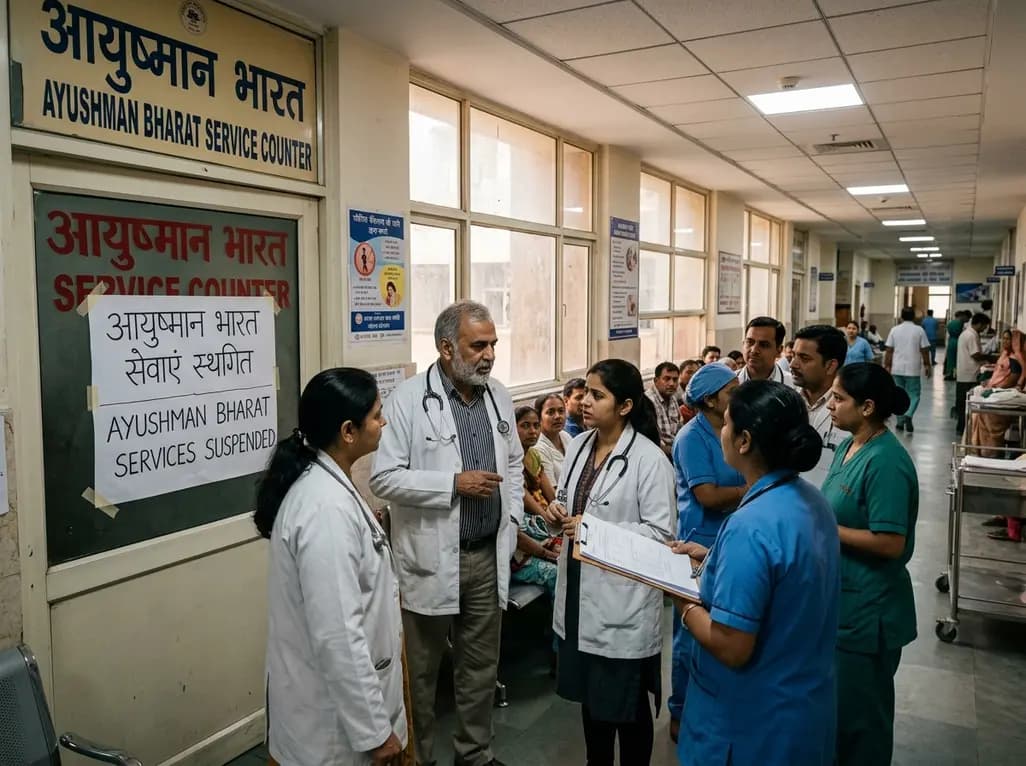
Private healthcare providers across Haryana have announced an imminent protest to highlight prolonged Ayushman Bharat payment delays that threaten clinical operations statewide. Empanelled private hospitals will observe a twenty-four-hour suspension of all scheme-related services on September 1. Furthermore, medical leadership has warned that facilities will permanently withdraw from the health scheme on September 16 unless authorities resolve the severe backlog. This collective mobilization highlights an acute administrative gridlock that destabilizes tertiary healthcare delivery for vulnerable socio-economic groups.
The Haryana chapter of the Indian Medical Association recently submitted a formal communication to the Ayushman Bharat Health Protection Authority. Specifically, the medical association highlighted that pending reimbursements have accumulated for over six months without resolution. Consequently, hundreds of private hospitals face acute liquidity shortages. The official framework of the Pradhan Mantri Jan Arogya Yojana mandates the clearance of all legitimate medical claims within fifteen days. However, bureaucratic bottlenecks and administrative friction continue to delay vital fund disbursements across regional health directorates.
Moreover, medical representatives emphasized that these payment failures have persisted despite repeated administrative assurances over the past three years. Empanelled facilities must purchase medical consumables, pay clinical staff, and maintain high-tech diagnostic equipment without reliable cash flow. Therefore, chronic non-payment undermines the foundational viability of public-private partnerships in healthcare delivery. Furthermore, hospital administrators report that routine operational overheads continue to rise, leaving facilities unable to service debt. Consequently, without rapid financial reconciliation, private hospitals cannot maintain their participation in state-sponsored welfare programs.
The sustained financial strain has placed immense pressure on clinical infrastructure throughout the state. Indeed, medical associations reported that acute insolvency recently forced at least one empanelled hospital in Haryana to close its doors permanently. Smaller nursing homes and mid-tier multi-specialty centers face the greatest vulnerability because they allocate a substantial portion of their total bed capacity to welfare beneficiaries. Consequently, prolonged reimbursement freezes deplete working capital reserves, preventing healthcare institutions from procuring essential pharmaceuticals and specialized surgical supplies.
Additionally, private hospital managements must continue paying commercial tariffs for utilities, biomedical waste disposal, and complex diagnostic maintenance. When state reimbursement cycles stall indefinitely, facilities struggle to meet regular payroll obligations for doctors, nurses, and allied health staff. Therefore, hospital executives face mounting pressure from creditors and supply chain vendors. Furthermore, medical practitioners argue that delayed settlement diminishes the quality of clinical delivery by restricting technology upgrades. Ultimately, healthcare administrators require predictable reimbursement timelines to preserve fiscal health and maintain standard patient safety protocols.
The impending suspension of services poses substantial risks to thousands of socio-economically marginalized patients across Haryana. Under the Ayushman Bharat guidelines, impoverished families rely on cashless hospital admissions for complex surgical interventions, oncology care, cardiovascular procedures, and emergency management. However, when private hospitals pause their scheme participation, vulnerable patients must seek alternative treatment at already overcrowded public hospitals. Consequently, district-level civil facilities and government medical colleges experience overwhelming patient loads and extended waiting times.
Furthermore, essential clinical interventions like maintenance hemodialysis, specialized chemotherapy, and urgent obstetric care require uninterrupted medical delivery. When private providers suspend secondary and tertiary care, patients face dangerous treatment gaps that worsen long-term clinical prognoses. In addition, impoverished households often incur heavy out-of-pocket expenses when forced to travel to distant tertiary institutions. Therefore, unresolved claim settlements directly compromise patient safety and exacerbate geographic health inequities across the state. Policymakers must realize that sustaining provider liquidity is indispensable for protecting vulnerable citizens from severe medical distress.
The planned twenty-four-hour strike on September 1 serves as a preliminary warning before an indefinite operational withdrawal. In their formal letter, leaders of the Indian Medical Association established September 16 as the final deadline for comprehensive grievance redressal. If the state authority fails to disburse long-pending payments, private hospitals will terminate their participation in the Ayushman scheme entirely. Such an outcome would drastically reduce secondary and tertiary hospital capacity across Haryana.
Moreover, this escalating dispute mirrors similar operational challenges observed in other states implementing public insurance programs. Empanelled private providers consistently report slow dispute resolution, onerous documentation queries, and arbitrary claim deductions by third-party administrators. Consequently, mutual trust between private medical stakeholders and state health protection authorities continues to erode steadily. Therefore, healthcare policy analysts emphasize that sustainable universal health coverage requires an efficient, transparent claim adjudication framework. If state leadership ignores this looming deadline, the entire region could witness a systemic breakdown in collaborative healthcare delivery.
Resolving this ongoing reimbursement deadlock requires immediate financial reconciliation and permanent structural administrative reforms. First, the Haryana Health Protection Authority must expedite the release of cleared funds directly into hospital bank accounts. Additionally, government agencies must implement automated claim adjudication software to eliminate bureaucratic processing friction. By adopting modern digital audit systems, authorities can adhere strictly to the mandatory fifteen-day payment timeline established in official scheme guidelines.
Furthermore, state healthcare regulators should activate district grievance redressal committees featuring nominated representatives from the Indian Medical Association. These collaborative committees can swiftly review contested claim queries, clarify billing requirements, and resolve disputed deductions without prolonged delays. Meanwhile, health economists advocate for indexing empanelment package rates to medical inflation, ensuring that tariffs reflect actual hospital operating costs. Consequently, establishing a transparent, accountable, and punctual financing model will rebuild mutual provider confidence. Ultimately, sustainable healthcare financing guarantees that private hospitals remain enthusiastic partners in achieving universal health coverage across the country.
Q1: Why are private hospitals in Haryana suspending Ayushman Bharat services?
Private hospitals in Haryana are suspending Ayushman Bharat services due to persistent claim reimbursement delays that have exceeded six months. Despite official guidelines mandating claim settlement within fifteen days, outstanding dues have created severe liquidity crises. Consequently, empanelled facilities struggle to maintain clinical supplies and pay staff, forcing the medical association to launch a symbolic protest.
Q2: What is the timeline and scope of the planned healthcare protest?
Empanelled private hospitals will observe a twenty-four-hour symbolic suspension of Ayushman Bharat services from midnight to midnight on September 1. Furthermore, the Indian Medical Association has issued a formal warning to the state authority. Specifically, if the government fails to clear pending dues substantially, private hospitals will completely withdraw from the scheme starting September 16.
Q3: How does the reimbursement delay impact Ayushman Bharat beneficiaries?
Prolonged reimbursement delays directly jeopardize patient care by forcing private facilities to pause cashless admissions and procedures. Consequently, socio-economically disadvantaged patients must seek care at overburdened public hospitals or pay out-of-pocket expenses. This disruption impairs access to vital treatments such as dialysis, oncology care, and emergency surgeries, undermining health equity across the state.
Disclaimer: This content is for informational and educational purposes only. It does not constitute medical advice or replace professional judgment. Refer to the latest local and national guidelines for clinical practice.
References

Read summarized clinical updates, watch expert medical content, and earn CME certifications right from your smartphone.
Open your smartphone camera to scan and install.





Empanelled private healthcare facilities in Haryana have initiated a symbolic strike to highlight persistent reimbursement backlogs under the state health protection authority. Mounting fiscal burdens have threatened clinical viability and access for underprivileged beneficiaries across regional networks.
4 weeks back
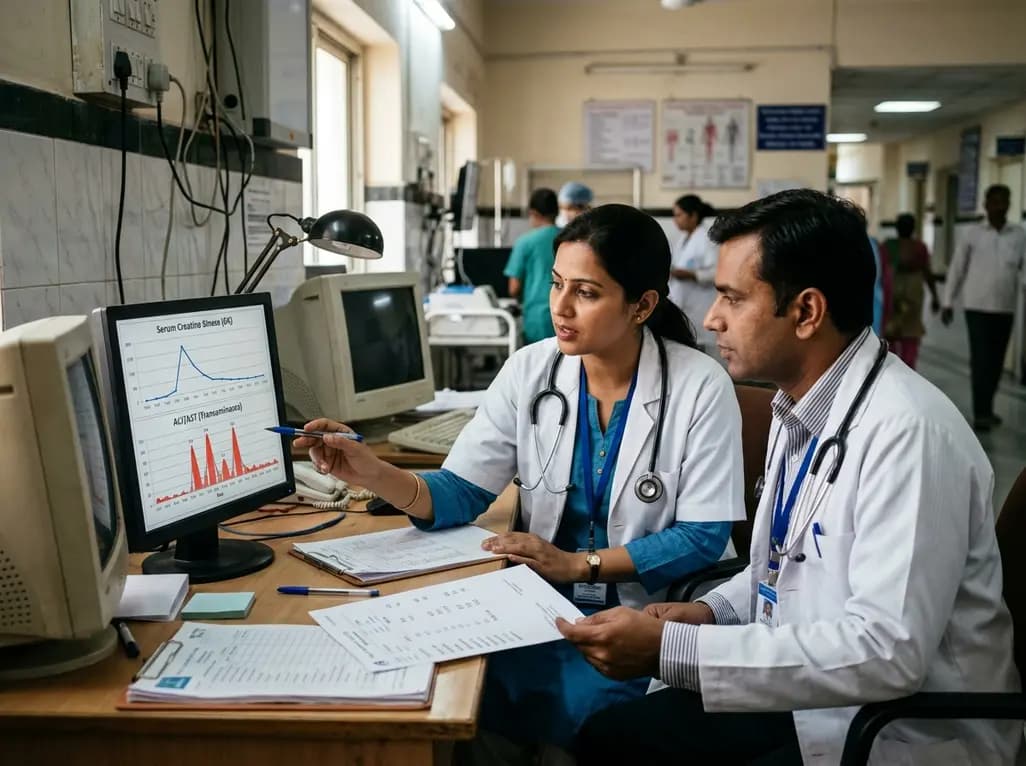
A recent case shows that exertional rhabdomyolysis can trigger marked transaminase spikes despite moderate creatine kinase elevation. Preserved hepatic synthetic function confirms muscle injury rather than liver failure, guiding conservative hydration and preventing unnecessary invasive diagnostics.
Today
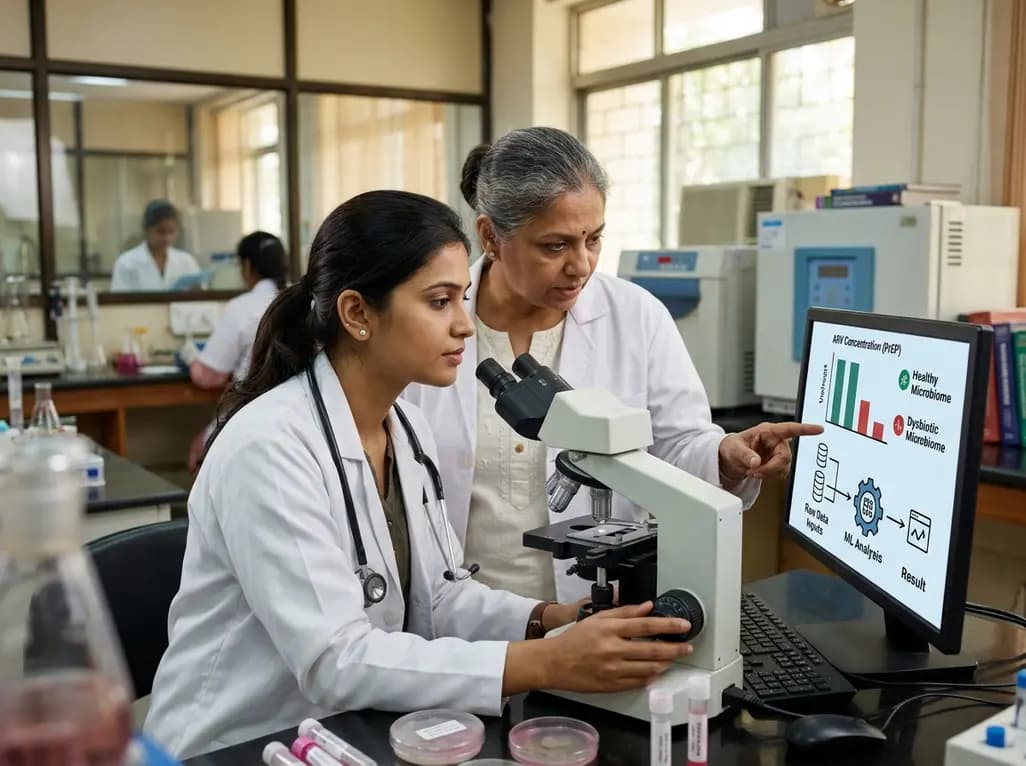
A pharmacometric and machine learning study reveals that specific vaginal bacteria alter cervical antiretroviral exposure, highlighting the need for precision HIV PrEP strategies.
Today
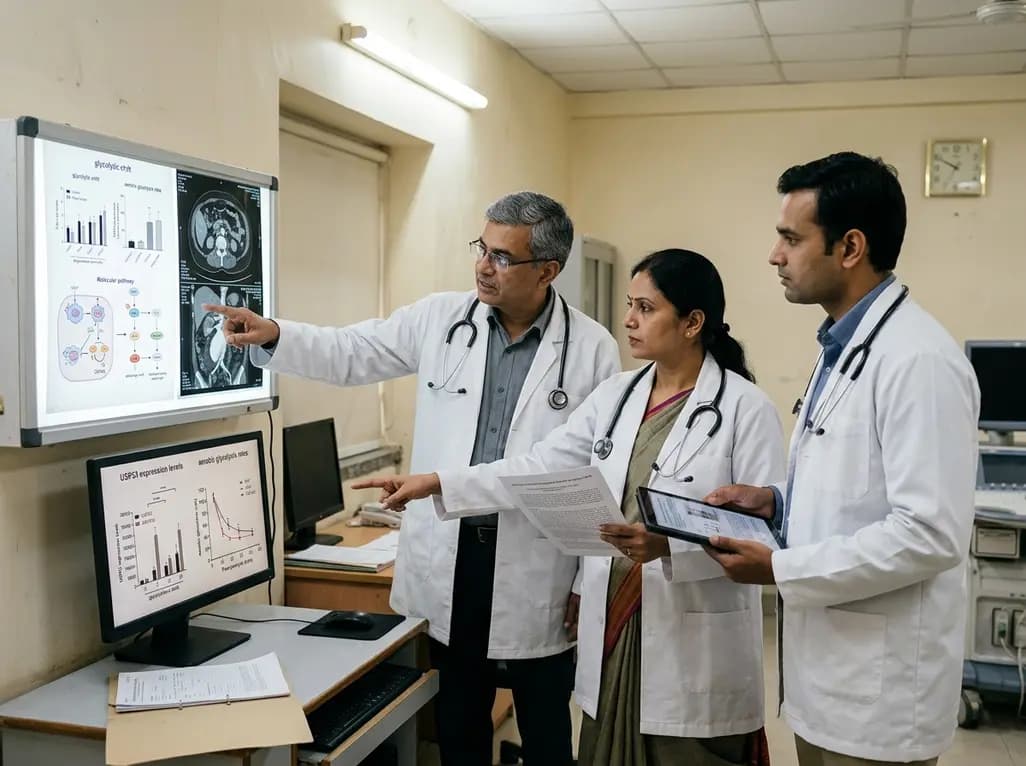
Abdominal aortic aneurysm rupture remains a catastrophic vascular emergency. Groundbreaking research reveals that USP53 accelerates aneurysm progression by reprogramming smooth muscle cell metabolism toward aerobic glycolysis, highlighting a promising target beyond conventional diameter-based surveillance.
Today
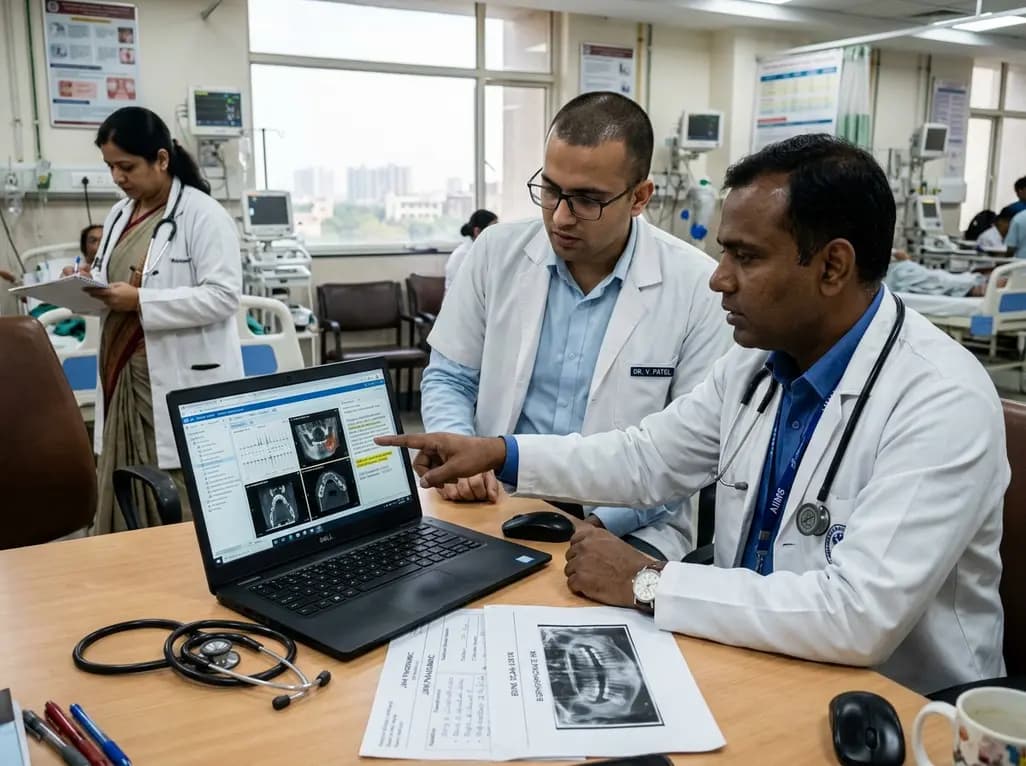
A breakthrough study leverages natural language processing to accurately identify incident medication-related osteonecrosis of the jaw and track antiresorptive drug holidays from clinical narratives in electronic health records, advancing osteoporosis pharmacovigilance and dental safety.
Today
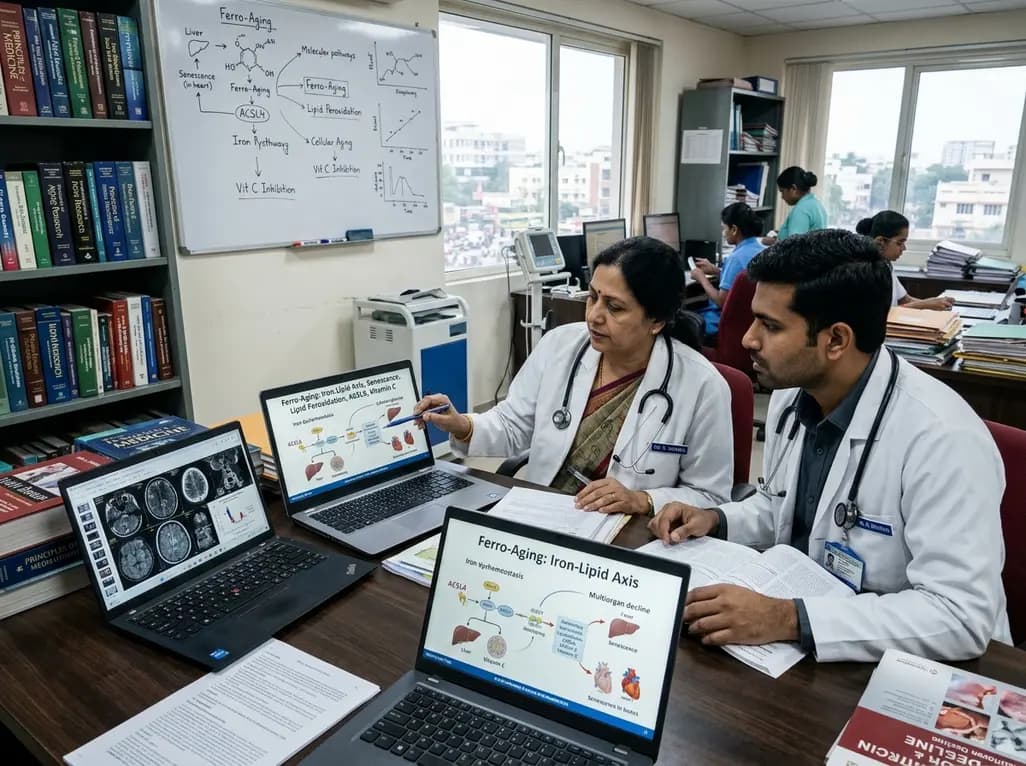
Recent research defines ferro-aging as a conserved iron-lipid axis driving organ decline across primates. Age-related iron dyshomeostasis stimulates ACSL4-mediated lipid peroxidation, promoting cellular senescence. Notably, vitamin C directly inhibits ACSL4, suppressing phospholipid oxidation and multi-organ decay.
Today
