

Loading, please wait...
Loading, please wait...

The Ministry of Ayush recently introduced a significant digital milestone to enhance transparency in funding. Specifically, Union Ayush Minister Prataprao Jadhav launched the Ayush Anudan Portal at Kartavya Bhawan. Consequently, this advanced platform will streamline how organisations submit, process, and track funding proposals. Furthermore, this initiative forms a core part of the larger Ayush Grid project. Therefore, AYUSH institutions across India can now experience a seamless application journey.
This comprehensive portal brings paperless governance directly to the Ayush sector. Firstly, the platform enables organisations to submit funding proposals entirely online. Thus, it completely eliminates the dependency on slow, manual paper-based processes. Additionally, the system categorises applications according to specific Central Sector Schemes. This structured categorization ensures faster, more organized verification. Moreover, applicants can utilize a real-time tracking feature to monitor their application status. As a result, users gain complete visibility and clarity throughout the approval cycle.
To ensure credibility, the platform integrates directly with the central NGO Darpan Portal. Consequently, this integration makes the authentication of applicant organisations faster, automated, and error-free. Furthermore, this system aligns with the digital-first vision of the Government of India. In addition, several other digital platforms operate under the Ayushman Bharat Digital Mission-compliant Ayush Grid. These portals already deliver transparent, citizen-friendly services across education, healthcare, and research. Therefore, the launch of this portal marks another giant leap toward a digitally empowered healthcare ecosystem.
Q1: What is the main purpose of the Ayush Anudan Portal?
The primary purpose of this portal is to digitize and streamline grant management. Specifically, it simplifies submitting and tracking funding proposals under central sector schemes. Therefore, it ensures complete transparency, efficiency, and easy accessibility for all applicant organizations.
Q2: How does the integration with the NGO Darpan Portal help?
The integration enables fast, automated, and highly credible verification of applicant organisations. Consequently, it removes administrative delays and ensures an error-free authentication process. Furthermore, this connection enhances institutional credibility and simplifies validation procedures.
Q3: How can organisations access this portal?
Applicants can easily access this platform through the Ministry of Ayush's My Ayush Integrated Services Portal. Additionally, they can directly log in through the official Ayush Anudan Portal website. This dual accessibility option provides a seamless, user-friendly experience.
Disclaimer: This content is for informational and educational purposes only. It does not constitute medical advice or replace professional judgment. Refer to the latest local and national guidelines for clinical practice.
References

Read summarized clinical updates, watch expert medical content, and earn CME certifications right from your smartphone.
Open your smartphone camera to scan and install.





Union Minister Prataprao Jadhav launched the Ayush Anudan Portal to streamline funding proposal submissions, ensuring 100% transparency in grant management....
5 months ago
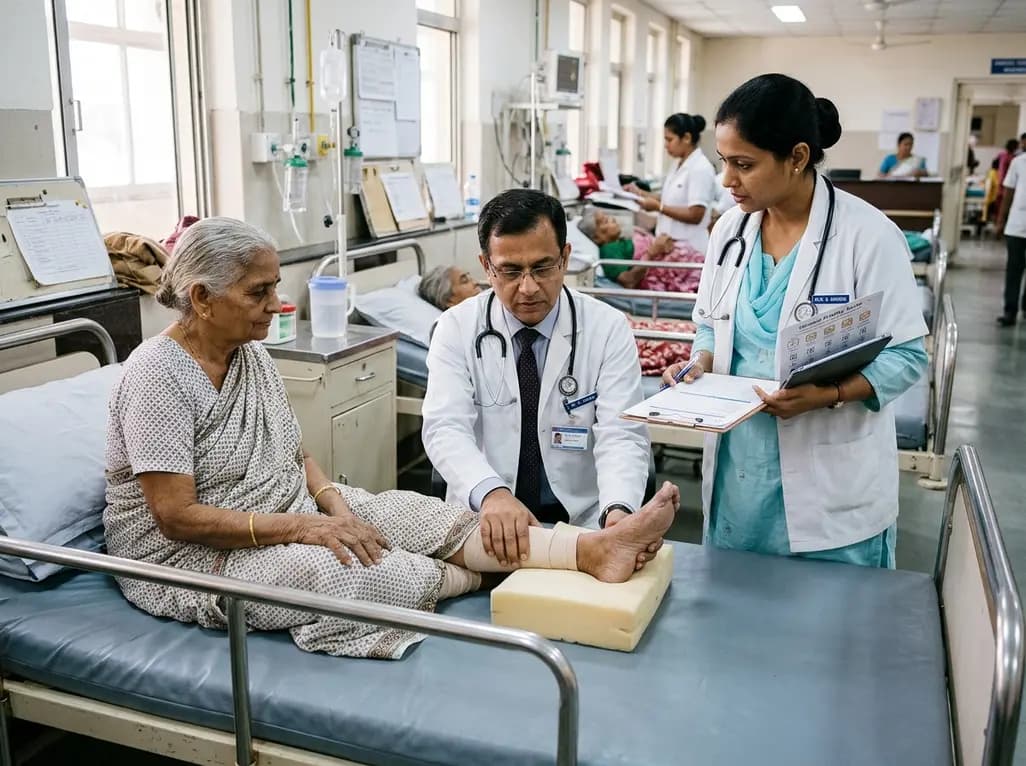
A retrospective cohort study reveals that frailty quadruples the odds of pressure injuries in hospitalized older adults. Integrating the Clinical Frailty Scale with comprehensive geriatric care is crucial for identifying vulnerability early and implementing targeted multidisciplinary prevention.
Today
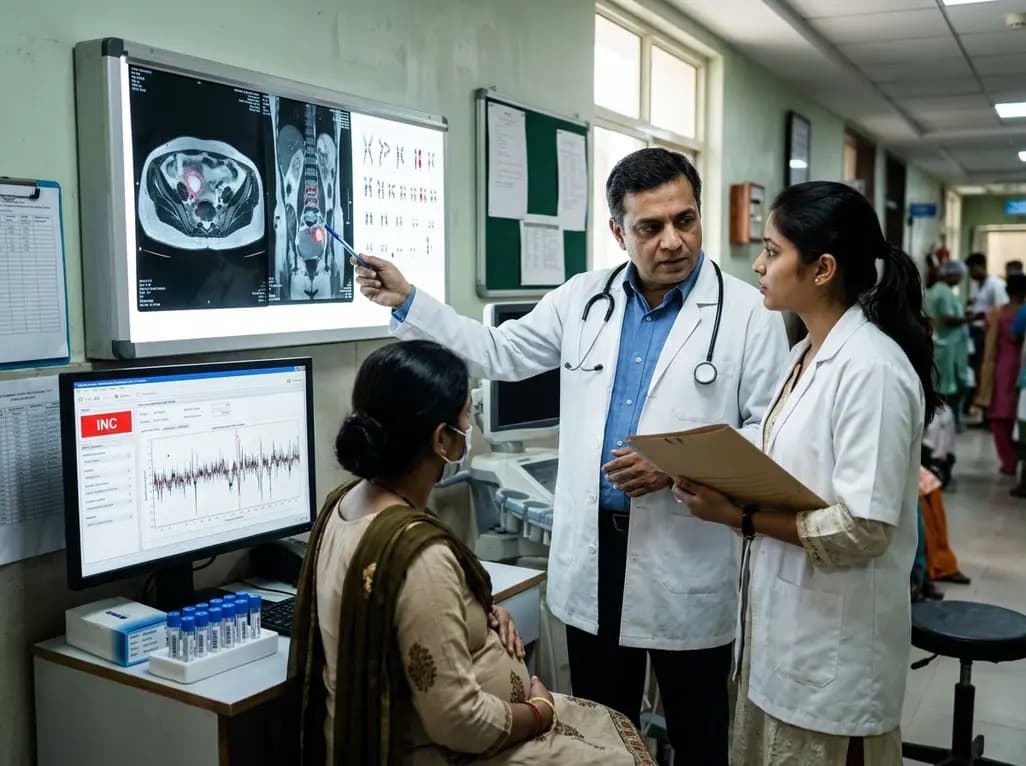
Occult maternal malignancy accounts for 3.82% of persistent unreportable NIPT results with genomic noise. Multiple chromosomal aberrations, notably on chromosome 18, warrant thorough oncological evaluation and whole-body MRI to ensure timely maternal diagnosis while preserving fetal care.
Today
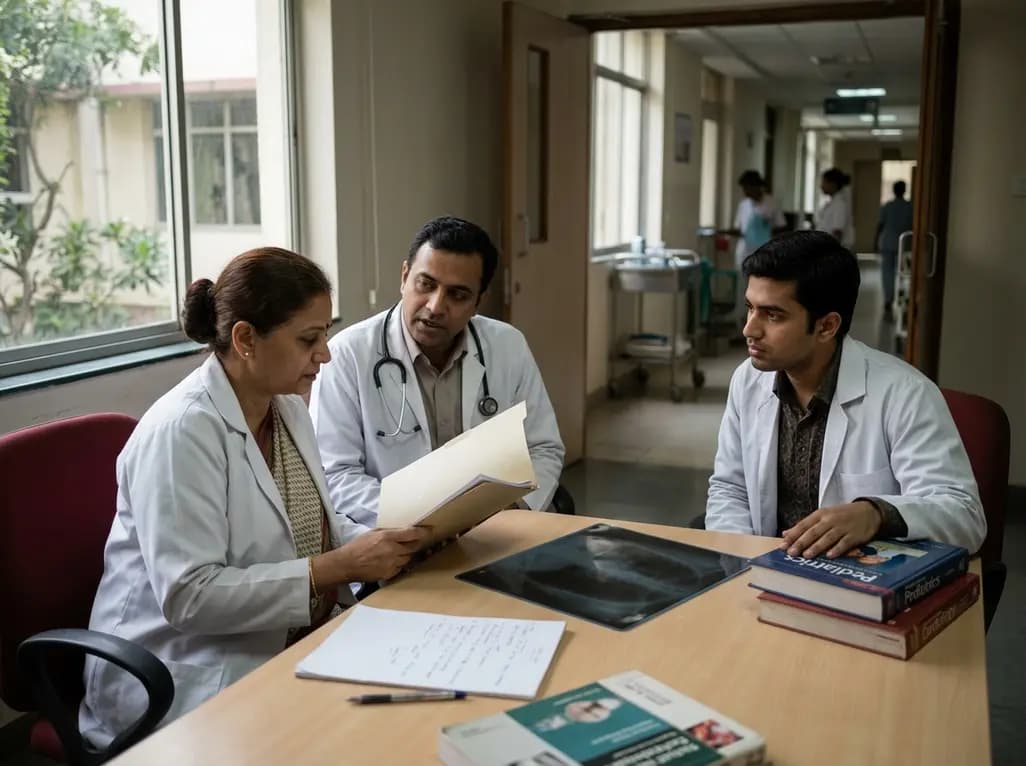
This article reviews the forensic and clinical complexities of acute myocarditis arising on left ventricular hypertrophy in children, highlighting early diagnostic red flags and multidisciplinary postmortem autopsy protocols.
Today
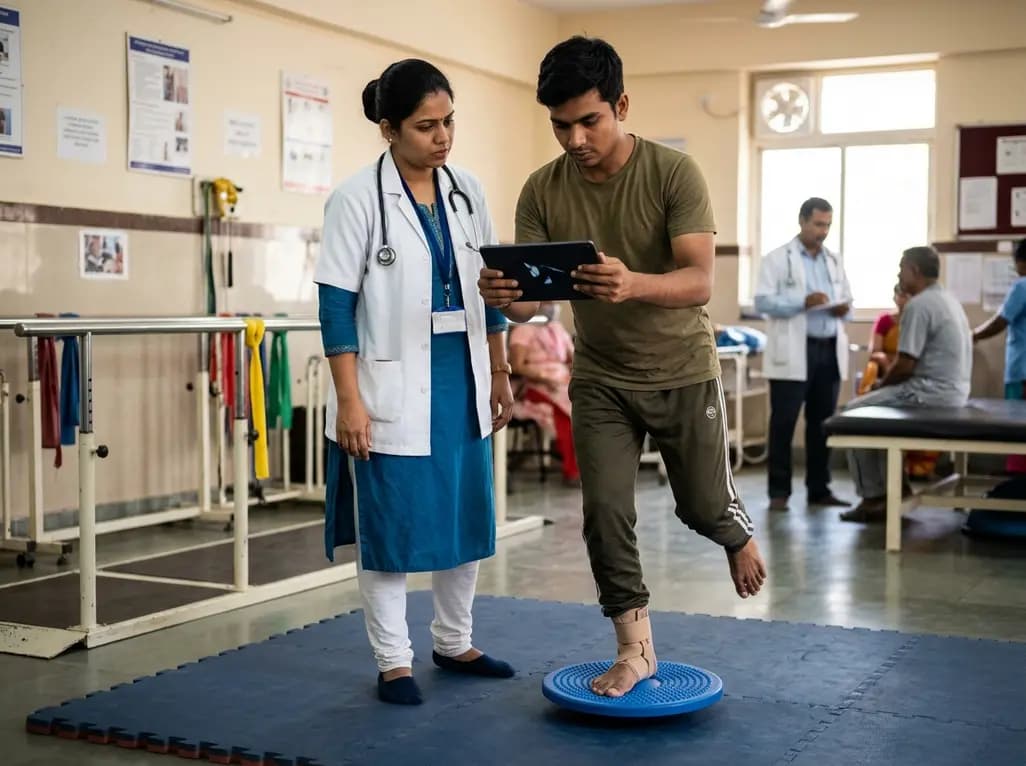
A randomized controlled trial demonstrates that an eight-week dual-task training intervention significantly improves static and dynamic postural control over standard balance exercises in individuals with chronic ankle instability, addressing critical neurocognitive deficits during athletic and daily activities.
Today
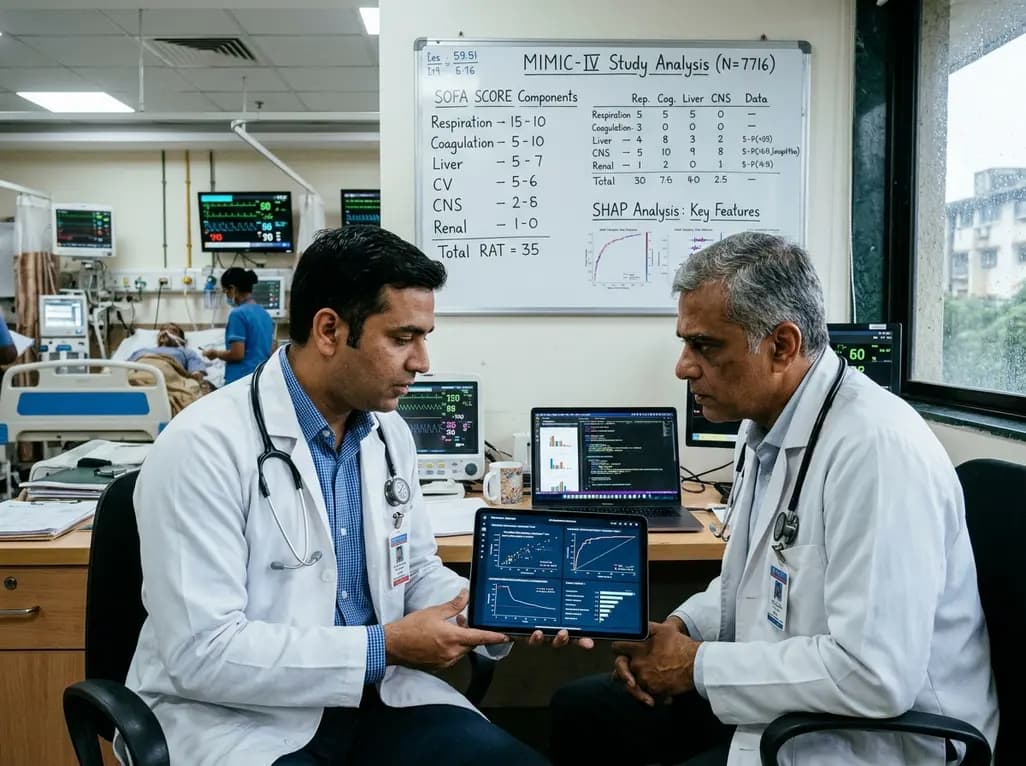
A retrospective cohort study of 7,716 ICU patients from the MIMIC-IV database demonstrates that Gradient Boosting Decision Trees significantly outperform traditional SOFA scores in predicting in-hospital mortality among patients with sepsis and diabetes, with SHAP analysis providing clinical interpretability.
Today
