.webp&w=384&q=75)

Loading, please wait...
Loading, please wait...

Living with autonomic dysfunction presents a complex clinical challenge that extends far beyond physiological dysregulation. The autonomic nervous system governs critical involuntary processes, including blood pressure, heart rate, gastrointestinal motility, and thermal regulation. Consequently, when autonomic control deteriorates, homeostasis shatters. This failure impairs multiple organ systems and degrades quality of life. Furthermore, persistent autonomic impairment plays a documented pathological role across cardiovascular disease, post-viral sequelae, and metabolic disorders. Despite its prevalence, patients often spend years seeking an accurate diagnosis. Recent mixed-methods clinical research has highlighted the profound discrepancy between patient experiences and current healthcare delivery. Specifically, researchers evaluated 489 individuals living with autonomic conditions to capture both systemic obstacles and day-to-day functional challenges. A qualitative subset of 45 participants engaged in extensive semi-structured interviews. The findings reveal that patients encounter pervasive hurdles across personal, provider, and institutional levels. Consequently, clinicians must recognize these multifaceted burdens to foster trust and improve outcomes. Understanding these lived experiences enables healthcare professionals to move beyond purely pharmacological protocols. Thus, clinicians can establish supportive, evidence-based partnerships that prevent maladaptive cycles of distress and healthcare avoidance.
Autonomic disorders encompass a heterogeneous cluster of syndromes, ranging from postural orthostatic tachycardia syndrome (POTS) and orthostatic hypotension to neurocardiogenic syncope and diabetic autonomic neuropathy. In addition, post-viral syndromes and autoimmune conditions frequently trigger acute or progressive autonomic instability. Because the autonomic system regulates vascular tone, visceral smooth muscle, and glandular secretion, symptoms present across multiple organ systems simultaneously. Consequently, patients often present with unpredictable palpitations, sudden presyncope, severe gastrointestinal dysmotility, and persistent exercise intolerance.
Moreover, this physiological volatility disrupts normal neuroendocrine feedback loops. The chronic stress response elevates sympathetic drive while blunting parasympathetic modulation, further destabilizing vital sign regulation. Patients consequently struggle with thermoregulatory failure, paroxysmal diaphoresis, and severe orthostatic intolerance during routine daily activities. Because standard routine laboratory workups and resting electrocardiograms often appear normal, physicians frequently misattribute these organic physiological complaints to primary psychiatric illness. Therefore, clinicians must maintain a high index of suspicion when evaluating patients with fluctuating, multisystem symptoms. Performing structured autonomic testing, such as active stand tests or formal tilt table examinations, provides essential objective confirmation. Recognizing the diverse presentations of autonomic disorders allows early therapeutic intervention and validates the severe physical distress experienced by affected individuals.
At the healthcare system level, participants identified significant structural deficits, including a severe shortage of autonomic specialists and fragmented referral pathways. Patients routinely experience prolonged diagnostic delays, during which their symptoms progressively worsen without targeted management. Furthermore, the clinical encounters described by participants were heavily influenced by provider attitudes. Negative interactions were predominantly characterized by dismissive provider behavior, where clinicians minimized symptoms or expressed skepticism regarding physical complaints.
Consequently, dismissive provider communication reinforces a damaging cycle of medical gaslighting and emotional invalidation. When clinicians dismiss authentic symptoms as mere anxiety or somatization, patients lose trust in conventional healthcare institutions. As a result, individuals often delay seeking necessary urgent care or avoid routine medical follow-ups entirely. Conversely, participants highlighted that positive experiences occurred whenever clinicians actively listened, validated their physical suffering, and acknowledged the complexity of dysautonomia. Therefore, therapeutic validation constitutes a fundamental clinical tool in the management of chronic autonomic illness. Clinicians do not need immediate answers for every complex symptom to deliver therapeutic value. Instead, offering a transparent, compassionate, and open diagnostic dialogue restores patient trust, reduces psychological trauma, and establishes a secure foundation for long-term collaborative care.
At the patient level, the survey revealed that fatigue, brain fog, sleep disturbances, anxiety, and depression represent the most debilitating symptoms. These manifestations are not merely secondary psychological reactions; rather, they reflect underlying neurochemical and hemodynamic disturbances. For instance, cerebral hypoperfusion during upright posture directly contributes to cognitive impairment and executive dysfunction, commonly termed brain fog. Similarly, persistent sympathetic hyperarousal disrupts restorative sleep architecture, which further aggravates daytime exhaustion and mood volatility.
In addition, the physical burden imposes substantial functional and socioeconomic limitations. A substantial proportion of study participants reported reducing their working hours, changing career trajectories, or withdrawing completely from the workforce. This loss of occupational capacity precipitates financial strain, social isolation, and a diminished sense of personal identity. Furthermore, the inability to perform standard household duties or engage in social activities heightens chronic distress. Consequently, autonomic impairment alters entire family dynamics and personal relationships. Healthcare professionals must assess the broader functional context of each patient during clinical reviews. Systematically evaluating occupational limitations, sleep quality, and mood disorders ensures that management plans address total symptom burden rather than isolated cardiovascular or neurological metrics alone.
Due to pervasive systemic barriers and dismissive clinical encounters, patients frequently seek health solutions outside mainstream medical channels. The research highlighted that participants relied on self-directed internet research more often than physician guidance to identify wellness therapies. Patients explored various non-pharmacological interventions, including targeted dietary modifications, specialized compression garments, tailored physical conditioning, and over-the-counter nutraceuticals.
While proactive self-education demonstrates patient agency, relying solely on independent research introduces notable clinical risks. Inaccurate online information, unverified supplements, and unmonitored lifestyle regimens can interact adversely with prescribed treatments or exacerbate autonomic instability. However, patients adopt these independent behaviors primarily because conventional healthcare settings often fail to provide actionable self-management guidance. Therefore, medical practitioners should proactively discuss non-pharmacological modalities during consultations. Clinicians can guide patients toward evidence-based conservative measures, such as graduated volume expansion with oral fluids and sodium, lower-body counter-pressure maneuvers, and recumbent aerobic exercise programs. By validating patient initiatives and offering expert supervision, physicians help patients navigate self-care safely. This collaborative approach minimizes the risk of unproven commercial therapies while reinforcing safe, evidence-based lifestyle modifications.
Effectively managing autonomic dysfunction requires an integrated, compassionate, and structured clinical strategy. First, physicians must prioritize active listening and validate patient symptom reports during the initial evaluation. Establishing an empathetic clinical environment counteracts previous invalidation and builds durable therapeutic rapport. Second, clinicians should employ standardized orthostatic vitals, including 10-minute active stand tests, to objectively document postural tachycardia or hypotension in outpatient settings.
Furthermore, medical management must combine targeted pharmacotherapy with comprehensive lifestyle interventions. When conservative measures prove insufficient, clinicians can prescribe targeted medications, such as fludrocortisone, midodrine, beta-blockers, or pyridostigmine, depending on the underlying autonomic phenotype. Additionally, physicians should address comorbid conditions, including sleep fragmentation, cognitive slowing, and chronic pain, through interdisciplinary collaboration. Partnering with physiotherapists, clinical psychologists, and occupational therapists ensures holistic, coordinated care. Finally, healthcare systems must expand provider education and develop dedicated autonomic referral networks. By adopting a proactive, multispecialty approach, clinicians can break the cycle of invalidation, optimize physiological regulation, and significantly restore functional independence for patients living with complex autonomic disorders.
Patients most commonly report severe chronic fatigue, cognitive impairment or brain fog, sleep disturbances, anxiety, depression, and orthostatic dizziness. In addition, many individuals experience gastrointestinal dysmotility, temperature dysregulation, and fluctuating tachycardia, which collectively impair daily functional capacity and overall quality of life.
Because baseline routine laboratory tests and resting electrocardiograms often appear normal, clinicians frequently misinterpret fluctuating autonomic symptoms as anxiety or functional somatization. Consequently, this diagnostic mismatch leads to dismissive clinical encounters, prolonged diagnostic delays, patient frustration, and avoidable disengagement from mainstream healthcare systems.
Clinicians can improve care by validating patient experiences, conducting structured orthostatic assessments, and designing individualized management plans. Furthermore, incorporating evidence-based conservative measures, prescribing targeted pharmacotherapy, and coordinating multispecialty rehabilitation significantly improves symptom control, functional capacity, and clinical treatment adherence.
Disclaimer: This content is for informational and educational purposes only and is not intended to replace professional medical advice, diagnosis, or treatment. It is recommended for healthcare professionals to corroborate the provided information with pertinent, up-to-date medical literature and established clinical guidelines. Clinicians should apply their independent clinical judgment and account for unique patient characteristics when executing therapeutic strategies. Mention of specific products, procedures, or research findings does not imply endorsement or recommendation. Refer to the latest local and national guidelines for clinical practice.
References

Read summarized clinical updates, watch expert medical content, and earn CME certifications right from your smartphone.
Open your smartphone camera to scan and install.





A mixed-methods study evaluates how autonomic dysfunction creates profound personal, cognitive, and functional burdens. Patients face diagnostic delays, dismissive interactions, and systemic barriers, underscoring the urgent need for validated, empathetic, and multidisciplinary clinical care models.
last month

A systematic review of 41 preclinical studies reveals that baicalin dampens systemic inflammation, inhibits NF-κB and NLRP3 pathways, and improves organ preservation in sepsis models. However, substantial study heterogeneity and a complete lack of human clinical trials highlight the need for further translational research.
Today
Discover the crucial distinctions between mesonephric and mesonephric-like proliferations of the female genital tract. Learn the key histomorphologic, immunohistochemical, and molecular differences essential for accurate diagnosis and clinical management.
Today
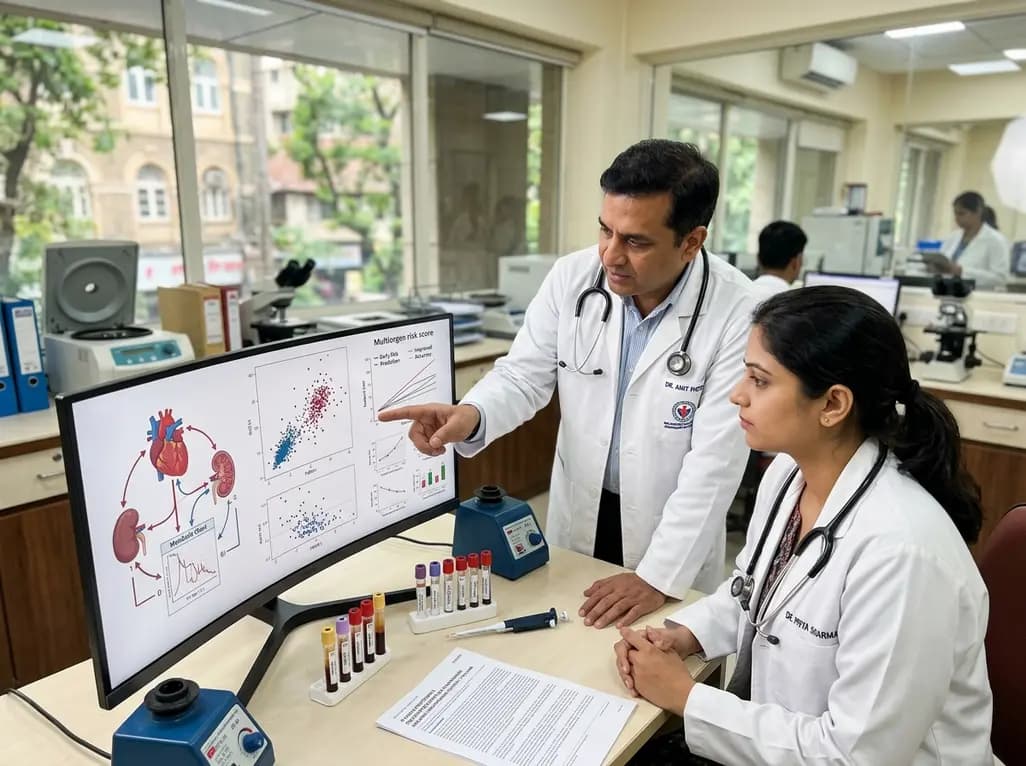
A large UK Biobank study reveals that plasma proteomic signatures capture preclinical organ damage and improve multiorgan risk prediction across early CKM syndrome stages 0 to 2 beyond traditional PREVENT clinical models.
Today
A narrative review investigates whether the articularis genus muscle functions as an independent anatomical entity or blends with the vastus intermedius. We evaluate its morphology, role in retracting the suprapatellar bursa, and direct clinical significance in anterior knee pain and arthroplasty.
Today

A Bayesian multilevel meta-analysis reveals that aerobic training combined with moderate carbohydrate restriction modestly lowers HbA1c in type 2 diabetes. However, sparse data and very low certainty leave incremental benefits over exercise or diet alone unproven, highlighting the need for individualized care.
Today
