.webp&w=384&q=75)

Loading, please wait...
Loading, please wait...
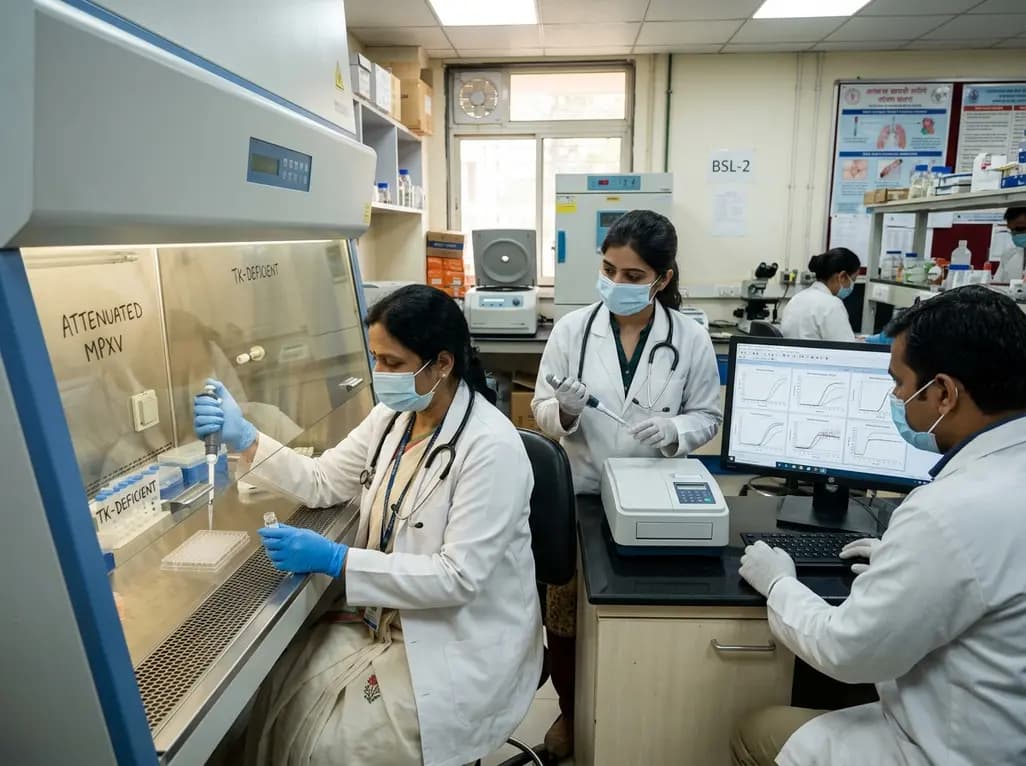
Recent multi-country outbreaks have positioned the monkeypox virus clade IIb as a major international public health concern. While clinical vigilance remains high across global healthcare systems, laboratory investigations have faced substantial containment hurdles. Wild-type monkeypox virus is classified as a Risk Group 3 agent, which restricts essential diagnostic and drug development pipelines to high-containment biosafety facilities. To resolve this critical scientific bottleneck, researchers have engineered an attenuated clone capable of safely expanding translational research.
Understanding the genomic stability and pathogenesis of orthopoxviruses requires precise molecular platforms. Consequently, investigators successfully reconstructed the complete full-length monkeypox virus clade IIb genome into a bacterial artificial chromosome. They utilized single-step transformation-associated recombination cloning in yeast hosts to assemble the complex, double-stranded viral DNA genome. Therefore, this technological milestone bypasses traditional fragmentation issues common in poxvirus genetics. Furthermore, comprehensive sequencing verified the complete integrity of the cloned sequence against contemporary epidemic isolates. Cell culture assays confirmed that the rescue system produced viable, replication-competent virions identical to natural reference isolates. As a result, researchers now possess a reliable genetic blueprint to analyze specific virulence factors, mutation patterns, and replication mechanisms without relying on continuous wild-type virus harvesting.
Historically, handling live orthopoxviruses demands stringent Biosafety Level 3 containment facilities. However, high-containment laboratories present substantial operational costs, limited physical capacity, and strict regulatory barriers. Consequently, these operational constraints hinder routine high-throughput drug screening, therapeutic discovery, and extensive serological surveillance in resource-limited endemic settings. By developing stable bacterial artificial chromosome clones, scientists can systematically modify viral genes to eliminate pathogenic virulence determinants. Moreover, this genetic modification pathway facilitates the generation of safe biological tools for widespread diagnostic validation. In addition, democratizing laboratory research access accelerates clinical countermeasure development across academic and industrial biotechnology hubs globally.
To establish safe experimental handling, investigators targeted the viral thymidine kinase gene, specifically designated as OPG101. They deleted this key metabolic locus through seamless bacterial artificial chromosome recombineering techniques. In wild-type orthopoxviruses, thymidine kinase plays an essential role in viral DNA synthesis within non-dividing host cells and directly mediates systemic in vivo pathogenicity. Interestingly, laboratory experiments demonstrated that this thymidine kinase-deficient mutant replicated to titers comparable to wild-type virus in proliferating cell cultures. Thus, the genetic deletion does not compromise viral yields during in vitro propagation. Nevertheless, the targeted knockout effectively incapacitates viral fitness in differentiated tissues, rendering the engineered pathogen significantly safer for laboratory personnel during routine handling.
Researchers rigorously evaluated the safety profile of the mutant strain using the CAST/EiJ mouse intradermal infection model. Notably, wild-type viral inoculation in this animal model routinely produces severe clinical illness, weight loss, and widespread lesions. In sharp contrast, mice infected with the thymidine kinase-deficient mutant exhibited profound viral attenuation with no systemic morbidity. Furthermore, viral loads in peripheral organs and secondary tissues remained remarkably low throughout the post-infection observation period. These in vivo findings confirm that loss of the OPG101 gene drastically curtails viral dissemination and tissue pathology. Consequently, this marked attenuation provides compelling scientific evidence supporting the potential reclassification of the engineered mutant as a Risk Group 2 biological agent by regulatory authorities.
Transitioning experimental workflows to Biosafety Level 2 laboratories unlocks transformative possibilities for translational medicine. Specifically, the attenuated mutant serves as a reliable surrogate virus in high-throughput microneutralization assays. Clinicians and researchers can now evaluate neutralizing antibody titers from convalescent patient sera or post-vaccination cohorts without extreme biosafety requirements. Moreover, pharmaceutical pipelines can safely deploy this attenuated strain to screen expansive compound libraries for novel antiviral candidates. In particular, comparative validation assays showed that the mutant responds predictably to established orthopoxvirus inhibitors, including tecovirimat and cidofovir. Therefore, this molecular platform provides an efficient, standardized, and scalable system for pre-clinical antiviral testing and vaccine efficacy assessment.
For clinicians and clinical researchers in India, emerging zoonotic poxviruses represent an evolving epidemiological threat requiring robust surveillance networks. Laboratory access to live-virus assays has historically remained limited to a few apex national reference centers. However, the adoption of safe, attenuated viral platforms under standard BSL-2 conditions can decentralize seroprevalence monitoring, diagnostic validation, and regional therapeutic studies. Furthermore, medical practitioners benefit directly from faster diagnostic kit validation and broader availability of neutralizing antibody data during localized flare-ups. Continued progress in synthetic virology and genetic attenuation ensures that healthcare systems maintain rigorous scientific preparedness against orthopoxvirus re-emergence.
The cloned strain lacks the OPG101 thymidine kinase gene, which is essential for orthopoxvirus virulence and systemic replication in living host tissues. While it replicates efficiently in laboratory cell cultures, animal infection models demonstrate that it cannot cause severe disease or systemic dissemination. This targeted genetic deletion drastically reduces handling risks for laboratory personnel.
Yes, regulatory authorities consider significantly attenuated viral strains with proven safety profiles for reclassification as Risk Group 2 agents. This classification allows academic institutions, pharmaceutical developers, and diagnostic centers to conduct essential neutralizing antibody testing, serosurveillance, and therapeutic screening within accessible Biosafety Level 2 facilities without requiring specialized high-containment infrastructure.
The attenuated strain retains complete sensitivity to standard orthopoxvirus antiviral agents such as tecovirimat, brincidofovir, and cidofovir while replicating reliably in culture dishes. Consequently, pharmaceutical researchers can utilize this safe surrogate model in high-throughput screening assays, accelerating the discovery, validation, and optimization of next-generation small-molecule inhibitors against emerging mpox infections.
Disclaimer: This content is for informational and educational purposes only. It is not intended as medical advice or as a substitute for professional clinical judgment. Healthcare professionals should evaluate and adapt clinical insights in accordance with individual patient needs and institutional protocols. Refer to the latest local and national guidelines for clinical practice.
References
1. Klatt V et al. Molecular cloning of a monkeypox virus clade IIb genome and construction of an attenuated mutant for basic and translational research. Emerg Microbes Infect. 2026 Dec undefined. doi: 10.1080/22221751.2026.2717859. PMID: 42647848.
2. World Health Organization. Mpox (Monkeypox) Strategic Preparedness and Response Plan. Geneva: WHO; 2024.
3. Americo JL, Moss B. Evaluation of Thymidine Kinase-Deficient Orthopoxviruses for Safe In Vitro and In Vivo Research. J Virol. 2023;97(4):e00120-23.

Read summarized clinical updates, watch expert medical content, and earn CME certifications right from your smartphone.
Open your smartphone camera to scan and install.





Researchers have cloned a full-length monkeypox virus clade IIb genome and created an attenuated thymidine kinase-deficient mutant. This breakthrough allows high-throughput antiviral screening and serological testing under accessible BSL-2 containment.
last month
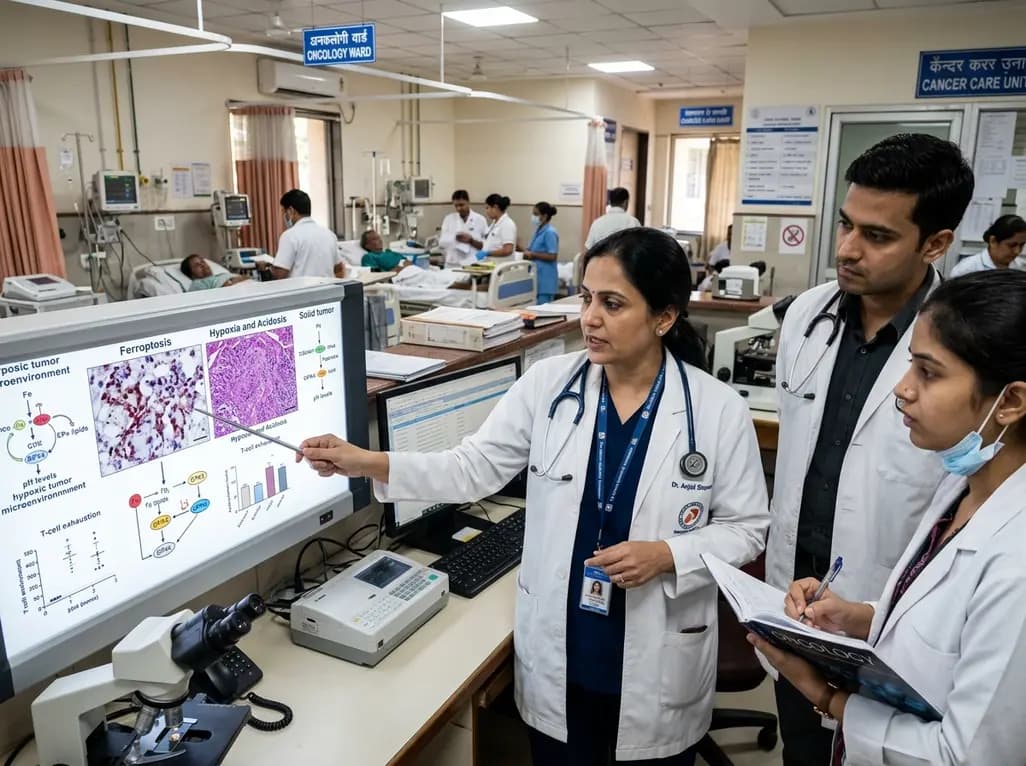
Targeting ferroptosis provides a compelling strategy to dismantle hypoxia- and acidosis-driven immunosuppression in solid tumors, enhancing response to modern immunotherapy.
Today

Findings from Project Viva indicate that sustained postpartum weight retention, rather than excessive gestational weight gain alone, directly worsens women's mid-life cardiovascular health, degrading blood pressure and glycemic parameters decades after delivery.
Today
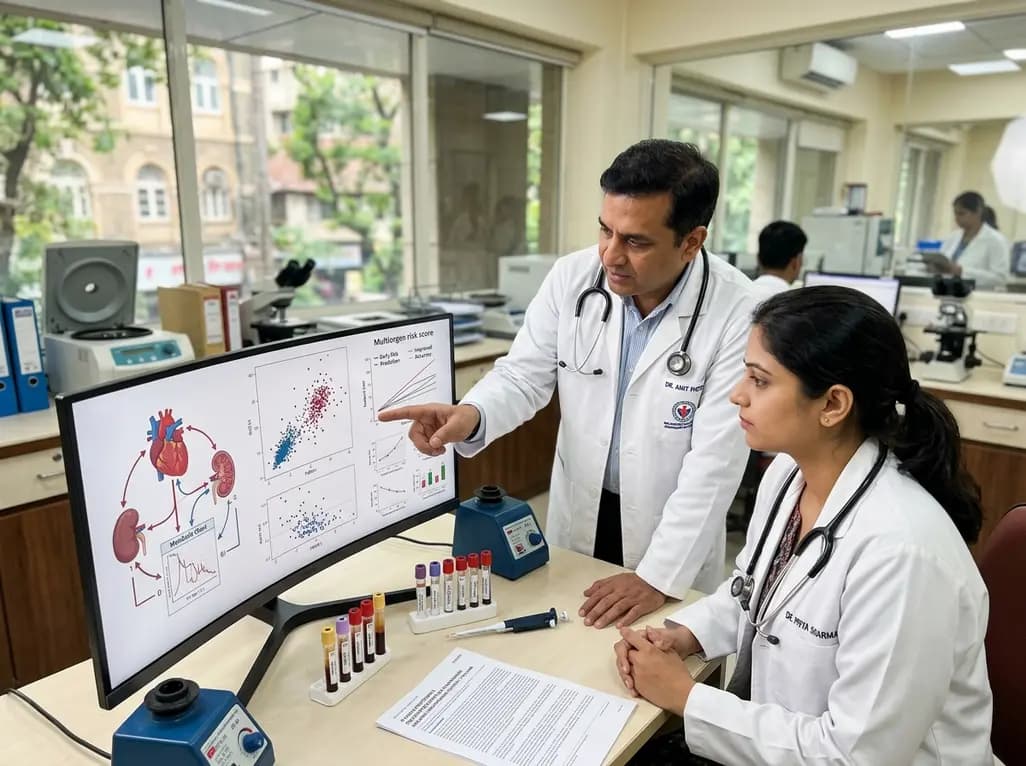
A large UK Biobank study reveals that plasma proteomic signatures capture preclinical organ damage and improve multiorgan risk prediction across early CKM syndrome stages 0 to 2 beyond traditional PREVENT clinical models.
Today

A retrospective CBCT study reveals that superior TMJ space asymmetry correlates moderately with occipital condyle-atlas-axis asymmetry in unilateral TMJ osteoarthritis, highlighting an imaging correlate between jaw biomechanics and upper cervical alignment rather than a standalone diagnostic marker.
Today

A Bayesian multilevel meta-analysis reveals that aerobic training combined with moderate carbohydrate restriction modestly lowers HbA1c in type 2 diabetes. However, sparse data and very low certainty leave incremental benefits over exercise or diet alone unproven, highlighting the need for individualized care.
Today
