.webp&w=384&q=75)

Loading, please wait...
Loading, please wait...
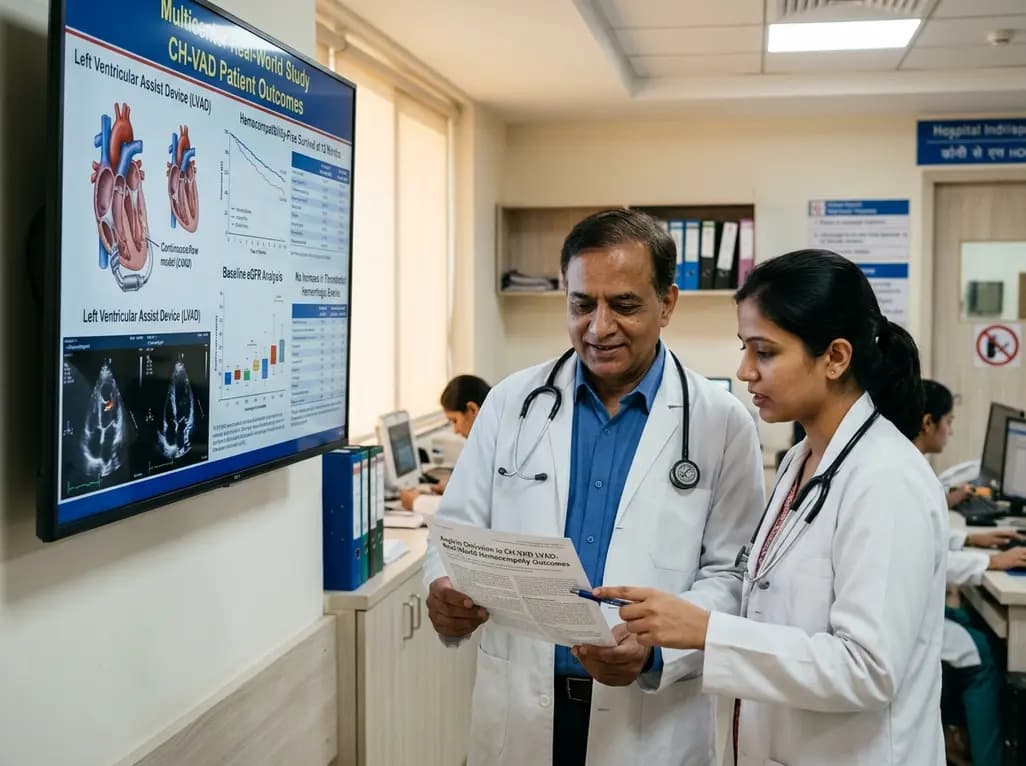
Advanced heart failure management increasingly relies on durable mechanical circulatory support. Historically, clinicians prescribed dual antithrombotic regimens consisting of vitamin K antagonists and antiplatelet agents. However, emerging clinical evidence suggests that aspirin omission in LVAD recipients reduces bleeding events without compromising thrombotic safety. The landmark ARIES-HM3 randomized trial previously demonstrated this concept in HeartMate 3 patients. Now, a groundbreaking multicenter real-world study has evaluated this strategy in patients receiving the CH-VAD, an innovative fully magnetically levitated centrifugal-flow device. Clinicians worldwide are actively refining post-implant pharmacotherapy to balance thrombotic and hemorrhagic risks. Therefore, understanding real-world hemocompatibility outcomes offers essential insights for modern heart failure care.
For several decades, standard guidelines recommended combining warfarin with low-dose aspirin for all left ventricular assist device recipients. This protocol aimed to mitigate shear-induced platelet activation and device thrombosis. Nevertheless, clinical experience showed that nonsurgical bleeding, especially gastrointestinal hemorrhage and intracranial bleeding, represented a major source of morbidity. Furthermore, frequent bleeding episodes necessitate frequent hospitalizations, blood transfusions, and invasive endoscopic procedures. Consequently, mechanical circulatory support specialists began re-evaluating the mandatory role of antiplatelet therapy.
The introduction of modern third-generation pumps with full magnetic levitation dramatically reduced mechanical shear stress on circulating blood components. Because frictionless magnetic levitation preserves blood element integrity, investigators hypothesized that antiplatelet agents might be safely omitted. The landmark ARIES-HM3 trial confirmed that omitting aspirin maintained pump hemocompatibility while decreasing nonsurgical bleeding complications. Building upon these pivotal insights, clinicians sought to determine whether similar benefits apply to other third-generation systems, such as the CH-VAD platform. Therefore, analyzing real-world cohorts provides vital evidence for establishing universal antithrombotic recommendations across diverse durable pump designs.
The multicenter study conducted across 13 cardiac centers in China evaluated the hemocompatibility profile of aspirin omission. Investigators retrospectively analyzed 274 consecutive patients who underwent implantation with the novel CH-VAD system. Among this cohort, 220 patients met the rigorous inclusion criteria for final evaluation. The research team divided the cohort into two distinct antithrombotic groups based on post-discharge regimens: 155 patients received standard combination therapy with aspirin and warfarin, whereas 65 patients received warfarin monotherapy alone.
The primary study endpoint was freedom from major nonsurgical hemocompatibility-related adverse events (HRAEs) beyond 14 days post-implantation. Specifically, the researchers defined major nonsurgical HRAEs as ischemic stroke, hemorrhagic stroke, pump thrombosis, major nonsurgical bleeding, and peripheral arterial thromboembolism. Additionally, the investigators tracked clinical variables over a median follow-up period of 368 days (interquartile range, 173 to 597 days). By systematically tracking both thrombotic and hemorrhagic complications across multiple specialized surgical centers, the study captured robust real-world outcomes. Furthermore, this rigorous multicenter design minimized single-center procedural bias and provided meaningful observational data regarding contemporary mechanical circulatory support practices in East Asian populations.
The multicenter trial demonstrated excellent overall hemocompatibility outcomes in CH-VAD recipients regardless of antiplatelet status. Over the complete follow-up duration, 186 out of 220 patients (84.5%) successfully achieved the composite primary endpoint of survival free from major nonsurgical HRAEs. Notably, the 12-month freedom from major nonsurgical HRAEs reached 85.7% in the warfarin monotherapy cohort compared with 82.6% in the dual-therapy group. Statistical analysis confirmed no significant difference between the two therapeutic approaches, yielding a log-rank p-value of 0.8771.
Moreover, individual component rates of hemocompatibility complications remained comparable between both management arms. Thrombotic events, including disabling strokes and pump thrombosis, occurred at similarly low rates among monotherapy and combination therapy recipients. Similarly, rates of major nonsurgical hemorrhagic episodes showed no statistically significant disparity in this observational cohort. These clinical findings align closely with previously published randomized trial data from other magnetically levitated devices. Consequently, omitting aspirin did not compromise the antithrombotic protection afforded by therapeutic international normalized ratio (INR) management in clinically stable recipients.
To identify independent clinical determinants of adverse events, investigators conducted comprehensive multivariable Cox proportional hazards modeling. Interestingly, the addition or omission of aspirin did not emerge as a significant independent predictor of hemocompatibility-related adverse events. Instead, baseline estimated glomerular filtration rate (eGFR) proved to be the sole independent predictor of post-implant HRAEs.
Preoperative renal dysfunction frequently correlates with widespread vascular endothelial damage, platelet dysfunction, and altered pharmacokinetics of anticoagulant drugs. Therefore, patients with lower baseline eGFR face an inherently elevated risk of both systemic bleeding and microvascular thrombosis. Consequently, clinicians must prioritize renal preservation strategies before and after device implantation. Furthermore, these findings emphasize that patient-specific baseline organ function exerts a greater influence on clinical outcomes than the routine addition of antiplatelet therapy. Regular monitoring of renal biomarkers, meticulous volume management, and precise anticoagulation titration remain vital components of post-operative surveillance. Accordingly, multidisciplinary teams should tailor hemocompatibility management strategies according to baseline metabolic and renal risk profiles rather than relying on uniform antithrombotic regimens.
The findings from this multicenter CH-VAD study carry direct practical implications for advanced heart failure teams and cardiovascular surgeons. Historically, clinicians hesitated to extrapolate findings from single device trials to other technological platforms. However, this study strongly suggests that hemocompatibility benefits associated with aspirin omission represent a class characteristic of fully magnetically levitated continuous-flow devices. By eliminating unnecessary aspirin from long-term maintenance regimens, clinicians can effectively simplify polypharmacy in multimorbid heart failure patients.
In addition, reducing baseline antiplatelet exposure may lower long-term gastrointestinal mucosal injury, thereby decreasing hospital readmissions and transfusion requirements. However, clinicians must maintain stringent oversight of warfarin therapy, ensuring that international normalized ratio values remain strictly within the targeted therapeutic range of 2.0 to 3.0. In stable outpatients without secondary indications for antiplatelet therapy—such as recent coronary stenting or peripheral vascular interventions—warfarin monotherapy represents an attractive, evidence-backed strategy. Moving forward, individualizing antithrombotic regimens will enhance long-term device safety, reduce healthcare expenditures, and optimize overall quality of life for mechanical circulatory support recipients.
The continuous evolution of mechanical circulatory support technology continues to reshape clinical paradigms in heart failure. Fully magnetically levitated pumps, such as the HeartMate 3 and CH-VAD, have established new benchmarks for hemocompatibility and durability. Future prospective randomized trials should further validate aspirin-free protocols across diverse patient demographics, etiology subsets, and newer device platforms. Moreover, investigators are actively studying novel oral anticoagulants (DOACs) as potential replacements for vitamin K antagonists in mechanical circulatory support.
Furthermore, integrating advanced biosensors and real-time hemodynamic monitoring into future device generations will enable early detection of subclinical thrombosis or flow disruptions. Biomarker monitoring, including serial measurements of lactate dehydrogenase and plasma-free hemoglobin, will continue to assist clinicians in optimizing individualized anticoagulation regimens. As durable mechanical devices become smaller and more hemocompatible, management protocols will increasingly shift toward minimized antithrombotic intensity. Ultimately, collaborative global registries and high-quality clinical studies will ensure that patients achieve optimal survival and fewer adverse events throughout their mechanical support journey.
Modern ventricular assist devices utilize fully magnetically levitated centrifugal rotors that dramatically minimize mechanical shear stress and blood component destruction. Therefore, routine antiplatelet therapy often provides minimal incremental protection against pump thrombosis while substantially increasing the risk of serious nonsurgical bleeding. Eliminating aspirin maintains antithrombotic safety through targeted warfarin anticoagulation alone while reducing gastrointestinal bleeding, hospital readmissions, and transfusion requirements in clinically stable recipients.
The multicenter study revealed that 12-month survival free from major nonsurgical hemocompatibility-related adverse events was 85.7% with warfarin monotherapy compared to 82.6% with combined warfarin and aspirin. Thrombotic complications, strokes, and bleeding rates showed no statistically significant differences between the two groups. Furthermore, multivariable Cox regression analysis identified baseline estimated glomerular filtration rate, rather than antiplatelet therapy, as the sole independent predictor of hemocompatibility events.
Clinicians can safely consider aspirin omission in clinically stable recipients supported by fully magnetically levitated devices who achieve therapeutic anticoagulation. However, patients with recent percutaneous coronary interventions, recent drug-eluting stent placement, or severe peripheral vascular disease may still require tailored antiplatelet therapy for vascular indications. Multidisciplinary heart failure teams must evaluate individual bleeding risks, thrombotic history, and renal function before modifying long-term antithrombotic regimens.
Disclaimer: This content is for informational and educational purposes only. It is not intended to substitute for professional medical advice, diagnosis, or treatment. Always seek the advice of your physician or other qualified health provider with any questions you may have regarding a medical condition or treatment. Never disregard professional medical advice or delay in seeking it because of something you have read here. Refer to the latest local and national guidelines for clinical practice.
References

Read summarized clinical updates, watch expert medical content, and earn CME certifications right from your smartphone.
Open your smartphone camera to scan and install.





A multicenter real-world study demonstrates that aspirin omission in CH-VAD left ventricular assist device recipients maintains 12-month hemocompatibility-free survival without increasing thrombotic or hemorrhagic risks, identifying baseline eGFR as the primary predictor of adverse events.
last month

This clinical review examines the dangerous intersection of climate change and antimicrobial resistance (AMR). It highlights thermal selection, altered transmission pathways, and the imperative for One Health and Planetary Health adaptation frameworks to preserve therapeutic efficacy.
Today
Discover the crucial distinctions between mesonephric and mesonephric-like proliferations of the female genital tract. Learn the key histomorphologic, immunohistochemical, and molecular differences essential for accurate diagnosis and clinical management.
Today
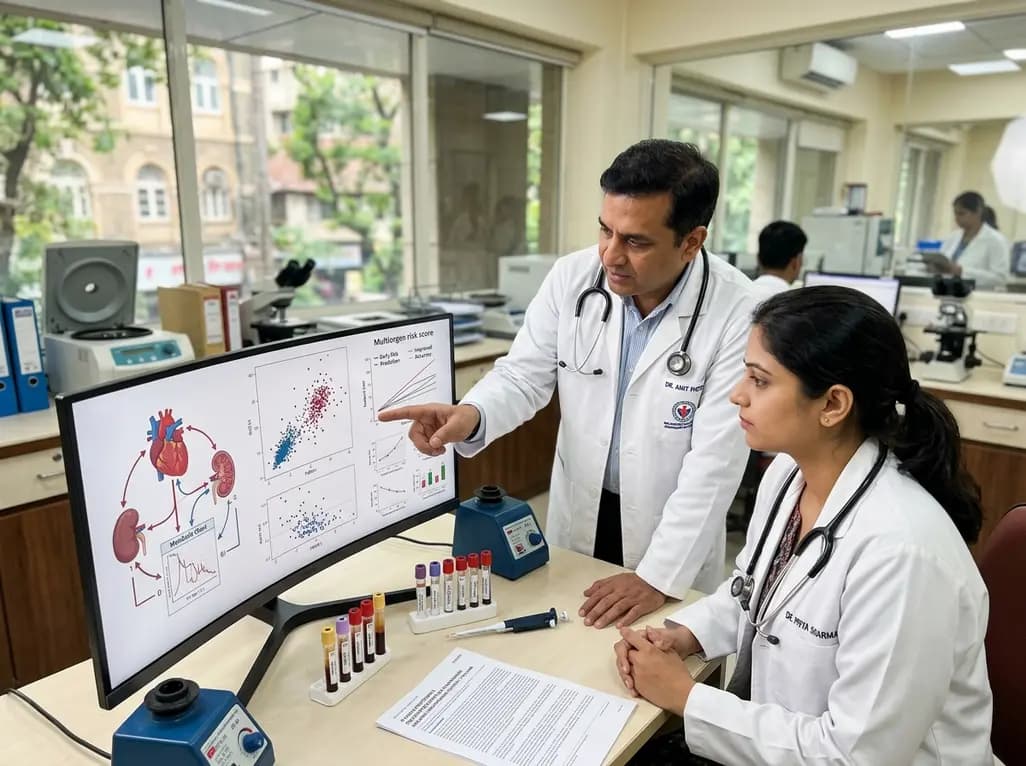
A large UK Biobank study reveals that plasma proteomic signatures capture preclinical organ damage and improve multiorgan risk prediction across early CKM syndrome stages 0 to 2 beyond traditional PREVENT clinical models.
Today
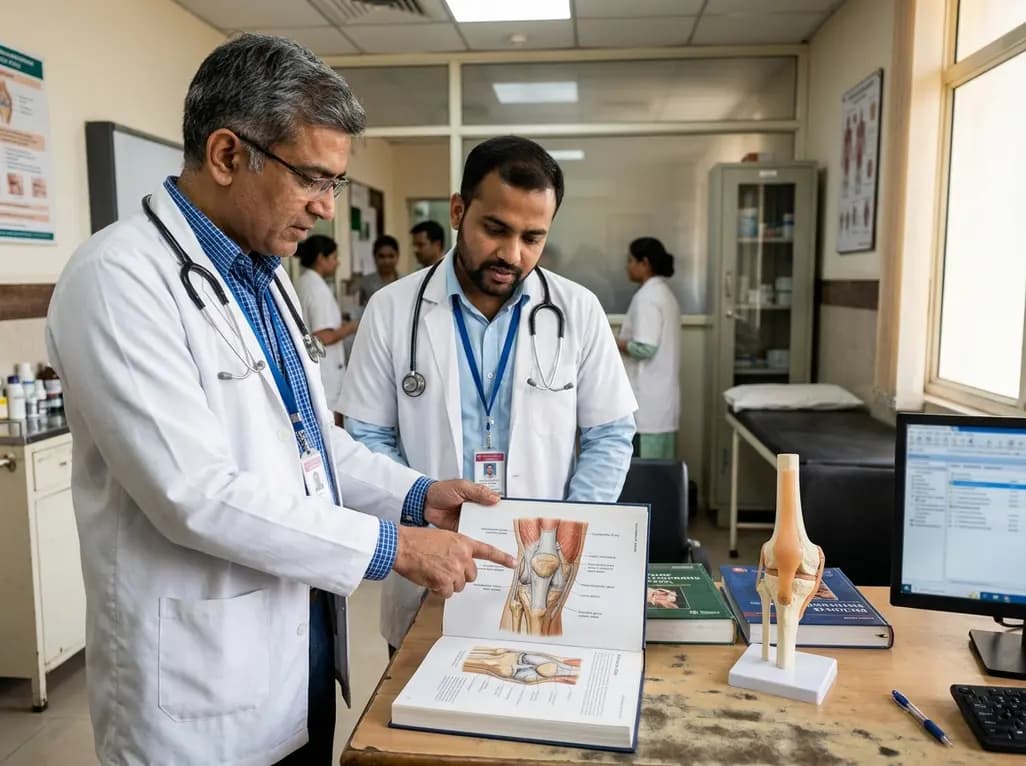
A narrative review investigates whether the articularis genus muscle functions as an independent anatomical entity or blends with the vastus intermedius. We evaluate its morphology, role in retracting the suprapatellar bursa, and direct clinical significance in anterior knee pain and arthroplasty.
Today

A Bayesian multilevel meta-analysis reveals that aerobic training combined with moderate carbohydrate restriction modestly lowers HbA1c in type 2 diabetes. However, sparse data and very low certainty leave incremental benefits over exercise or diet alone unproven, highlighting the need for individualized care.
Today
