.webp&w=384&q=75)

Loading, please wait...
Loading, please wait...
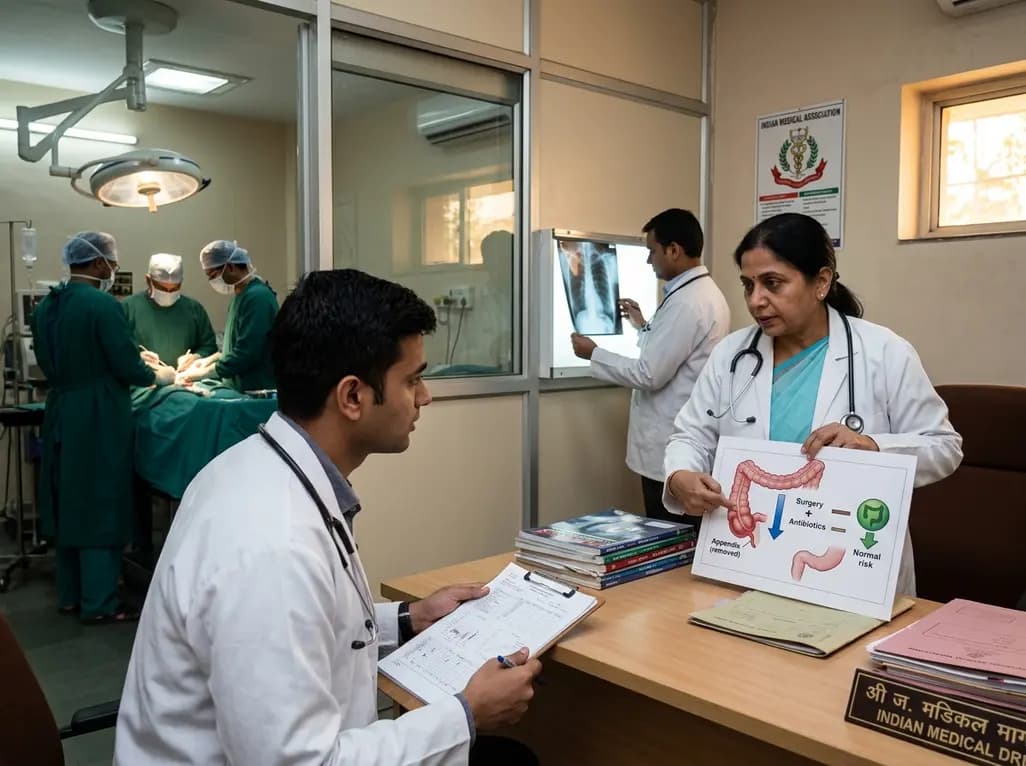
Clinical management of acute abdominal pain often requires a decisive choice between surgical and medical strategies. Recent data presented at the American College of Surgeons Clinical Congress have clarified appendectomy colorectal cancer risk and long-term abdominal outcomes. Dr. Valentine Nfonsam and his colleagues analyzed outcomes from more than thirty thousand clinical encounters. Their findings indicate that surgical removal offers notable protective benefits against subsequent lower gastrointestinal tumors. Consequently, physicians must re-examine standard treatment paradigms for acute appendiceal inflammation. Clinicians now face an evolving landscape where acute therapeutic choices carry lasting oncologic consequences.
The investigative team utilized data from the TriNetX Global Collaborative Network to conduct a rigorous matched cohort analysis. Specifically, this expansive network aggregates electronic health records from over one hundred sixty healthcare organizations. In total, researchers evaluated fifteen thousand six hundred sixteen appendectomy patients against fifteen thousand two hundred ninety-five medically treated controls. All participants received their initial medical diagnoses during clinical encounters for acute appendicitis. Subsequently, researchers monitored cohorts over extended follow-up intervals to identify subsequent diagnoses of lower gastrointestinal malignancy.
Among surgical patients, colorectal cancer developed in merely 0.7 percent of individuals during the observational follow-up period. In contrast, patients managed solely with antimicrobial therapy experienced a cancer incidence rate of 1.7 percent. Furthermore, statistical adjustment for baseline covariates revealed a fifty-eight percent lower relative risk among surgical candidates. The resulting hazard ratio remained statistically robust after adjusting for age, sex, and underlying medical comorbidities.
Therefore, this retrospective investigation provides compelling epidemiological evidence regarding divergent oncologic trajectories. However, Dr. Nfonsam emphasized that observational associations cannot definitively establish direct surgical causation. Nevertheless, the pronounced disparity in oncologic outcomes warrants rigorous clinical scrutiny across global surgical communities.
Historically, prompt surgical appendectomy represented the undisputed standard of care for acute appendiceal inflammation. Over the past decade, however, clinical practice shifted toward conservative medical therapy utilizing broad-spectrum intravenous antibiotics. Landmark clinical trials demonstrated that antibiotic regimens successfully resolved acute symptoms in uncomplicated presentations. Furthermore, non-operative management helped patients avoid procedural complications and substantially lowered immediate healthcare expenditures.
Consequently, medical management gained widespread acceptance across diverse emergency departments and surgical clinics worldwide. Many clinical teams began reserving operative intervention primarily for recurrent attacks or complicated appendicitis with appendicoliths. However, previous randomized trials focused almost exclusively on thirty-day morbidity, recovery times, and one-year recurrence rates. Long-term oncologic implications remained largely unexamined during the initial widespread adoption of conservative protocols.
Importantly, leaving the appendix in place may entail persistent biological consequences that extend beyond acute symptom control. Dr. Nfonsam noted that physicians must balance acute procedural avoidance against potential lifelong cancer risks. Hence, therapeutic decision-making demands a more comprehensive understanding of delayed tissue alterations and cellular responses. Responsible surgical counselling requires clinicians to integrate both immediate safety and long-term neoplastic hazards into their recommendations.
The human vermiform appendix was once viewed as an evolutionary remnant devoid of clinical importance. However, modern immunological investigations reveal that the organ actively supports mucosal immunity through concentrated lymphoid tissue. In addition, the appendix functions as a microbial reservoir that preserves beneficial commensal enteric flora. This protected anatomical niche facilitates the recolonisation of healthy bacteria following severe diarrheal illnesses.
Nevertheless, persistent subclinical inflammation within an unremoved appendix may trigger sustained local epithelial injury. Chronic inflammatory states stimulate excessive pro-inflammatory cytokines, reactive oxygen species, and localized genetic mutations. Furthermore, microbial dysbiosis within the retained organ can disrupt normal mucosal barrier function. Pathogenic luminal bacterial populations may promote adenomatous polyps and accelerate malignant transformation in the proximal colon.
Consequently, removing the inflamed appendix eliminates an active epicenter of inflammatory mediators and microbial perturbation. Surgical resection terminates persistent chemokine signalling that might otherwise support tumor cell proliferation and local angiogenesis. Therefore, the biological relationship between organ preservation and subsequent colorectal carcinogenesis exhibits clear scientific plausibility. Ongoing translational studies will likely clarify the exact epigenetic and bacterial drivers governing this oncologic process.
A second crucial biological mechanism involves the detection of occult cecal or appendiceal neoplasms. Occasionally, acute appendiceal inflammation develops as the initial clinical manifestation of an unsuspected luminal tumor. For example, neuroendocrine carcinoids, mucinous cystadenocarcinomas, or infiltrating cecal lesions often obstruct the appendiceal base. When a surgeon performs an appendectomy, mandatory histopathological assessment promptly uncovers the underlying neoplastic lesion.
In contrast, conservative medical therapy treats secondary bacterial inflammation without addressing the underlying structural lesion. Consequently, an occult neoplasm remains in place within the right lower quadrant without detection. Over time, these undetected lesions can progress silently into advanced, highly symptomatic colorectal carcinomas. This delayed diagnostic timeline inevitably increases observed cancer rates among patients managed solely with antibiotics.
Thus, routine pathological examination of resected tissue serves as a critical diagnostic fail-safe for adult patients. Histopathology allows surgeons to identify early-stage malignancies before advanced invasion occurs. Furthermore, early detection enables timely oncologic resection and adjuvant therapy, significantly improving overall patient survival. Conservative management inherently forfeits this definitive diagnostic opportunity and requires structured clinical vigilance to prevent adverse outcomes.
These findings do not suggest that every patient presenting with acute appendicitis must undergo emergency surgery. Antibiotic therapy remains an effective, safe alternative for selected patients wishing to avoid perioperative surgical interventions. However, treating physicians must account for baseline risk factors, including advanced age and familial cancer history. For adult patients aged forty years or older, non-operative management mandates comprehensive follow-up protocols.
Specifically, healthcare providers should schedule an interval colonoscopy within six to twelve weeks following conservative resolution. Colonoscopy allows direct visualization of the cecum, enabling prompt identification of synchronous polyps or mucosal lesions. In addition, clinicians must review cross-sectional imaging carefully to detect subtle cecal wall thickening or appendicoliths. Computed tomography scans often reveal anatomical abnormalities that warrant conversion to definitive surgical excision.
Moreover, clinicians should counsel patients regarding warning symptoms, such as unexplained weight loss and altered bowel habits. Primary physicians must evaluate recurrent right lower quadrant discomfort with a high index of suspicion. Ultimately, multidisciplinary collaboration between surgeons, gastroenterologists, and internists guarantees optimal patient safety. Implementing structured post-treatment protocols balances immediate procedural avoidance with effective long-term oncologic protection.
Q1: Why does appendectomy correlate with a lower long-term risk of colorectal cancer?
Appendectomy eliminates a persistent source of chronic mucosal inflammation and microbial dysbiosis that can stimulate cellular transformation. In addition, routine histopathological analysis of surgical specimens enables prompt detection of occult appendiceal neoplasms or early cecal adenocarcinomas. These malignant lesions might otherwise remain hidden during conservative antibiotic therapy. Consequently, removing the organ mitigates both unrecognized pre-existing lesions and long-term inflammation-driven oncogenesis across the colon.
Q2: Should all adult patients with acute appendicitis undergo surgery to prevent cancer?
Dr. Valentine Nfonsam and clinical oncologists emphasize that these findings do not justify universal appendectomy solely for cancer prophylaxis. Conservative antibiotic therapy remains an effective, safe alternative for selected uncomplicated presentations. However, older patients and individuals with a family history of gastrointestinal malignancies require personalized risk assessments. Clinicians must balance immediate operative risks, patient comorbidities, and long-term oncologic implications before recommending surgical or conservative clinical management.
Q3: What clinical follow-up is necessary after successful non-operative management of appendicitis?
Adult patients successfully treated with antibiotics alone should undergo an interval diagnostic colonoscopy within six to twelve weeks post-treatment. This examination is particularly vital for individuals aged forty years or older to exclude underlying cecal or appendiceal neoplasms. Furthermore, clinicians should monitor patients for unexplained weight loss, iron deficiency anemia, and altered bowel habits. Prompt surgical re-evaluation remains essential if gastrointestinal symptoms recur during the post-treatment surveillance period.
Disclaimer: This content is for informational and educational purposes only. It does not constitute medical advice or replace professional judgment. Refer to the latest local and national guidelines for clinical practice.
References

Read summarized clinical updates, watch expert medical content, and earn CME certifications right from your smartphone.
Open your smartphone camera to scan and install.





A large multicentre cohort study reveals that surgical removal of an inflamed appendix reduces the long-term relative risk of colorectal cancer by 58% compared with antibiotic therapy alone. Explore the underlying oncologic mechanisms, diagnostic nuances, microbiome impacts, and clinical surveillance protocols.
Today

Health authorities in the Democratic Republic of the Congo report unprecedented mortality from the Bundibugyo virus epidemic. Clinicians worldwide must understand the virological profile, atypical hemorrhagic manifestations, early diagnostic protocols, and containment strategies for this evolving health threat.
Today

A nationwide South Korean study shows underreporting of smoking among women dropped from 57.4% to 36.4% between 2008 and 2021. However, over one-third of female smokers still conceal their habit, highlighting the critical role of cotinine verification in clinical risk assessment.
Today
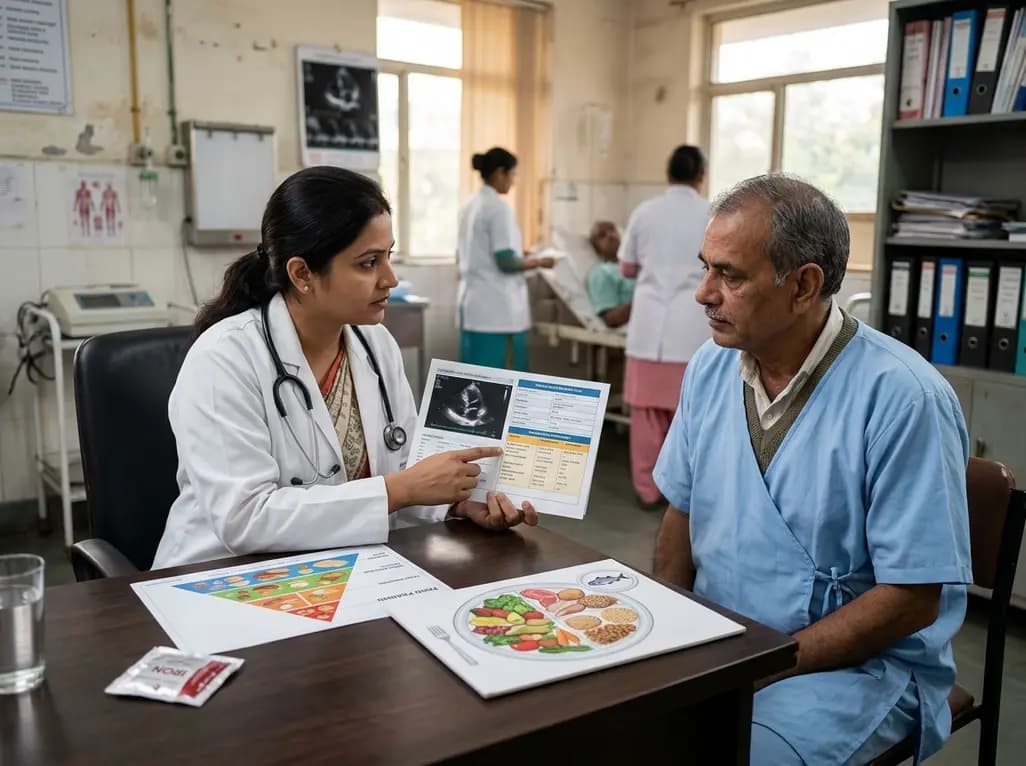
A scientific statement highlights the crucial role of nutrition in managing chronic heart failure. It emphasizes GLIM-based screening, individualized dietary patterns like the Mediterranean diet, appropriate protein and energy intake, avoiding unnecessary fluid restriction, and targeted iron supplementation.
Today
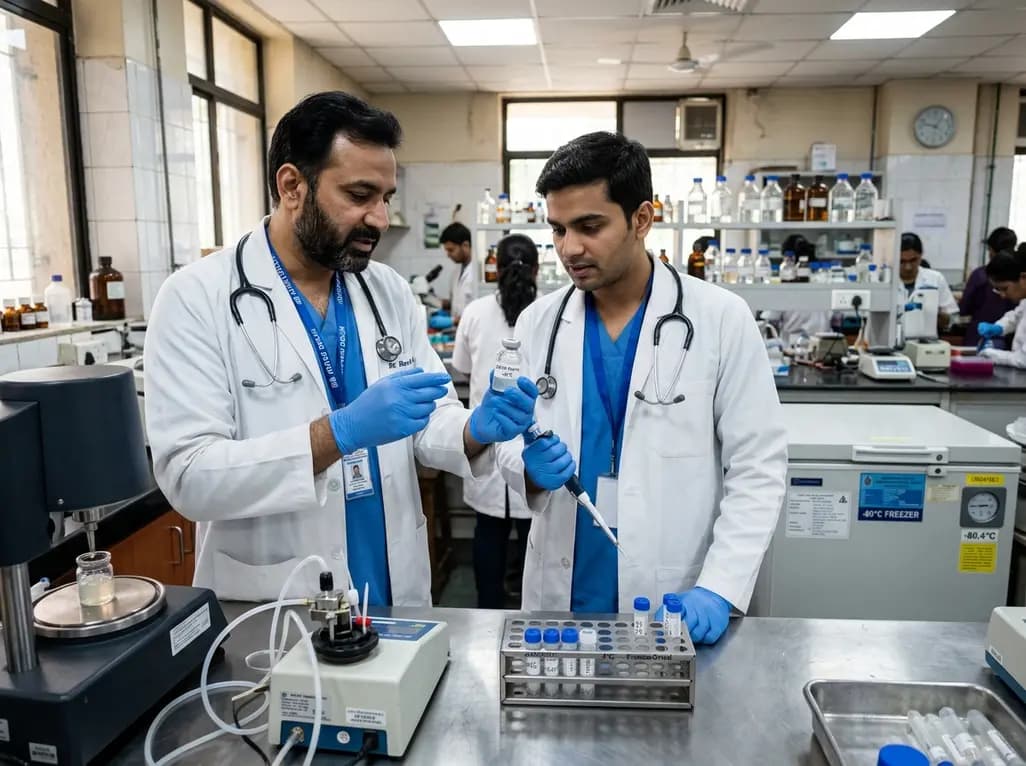
A new study evaluates the rheological stability of decellularized peripheral nerve matrix hydrogels under varied storage conditions. Findings show -80°C storage and freeze-drying preserve gelation kinetics and mechanical stiffness, offering key insights for shipping and translational clinical applications.
Today

A qualitative meta-synthesis highlights the complex interplay between gender dysphoria, minority stress, and eating disorders in transgender and gender-diverse individuals. Clinicians must recognize these distinct drivers to offer supportive, gender-affirming, and interdisciplinary eating disorder care.
Today
