.webp&w=384&q=75)

Loading, please wait...
Loading, please wait...
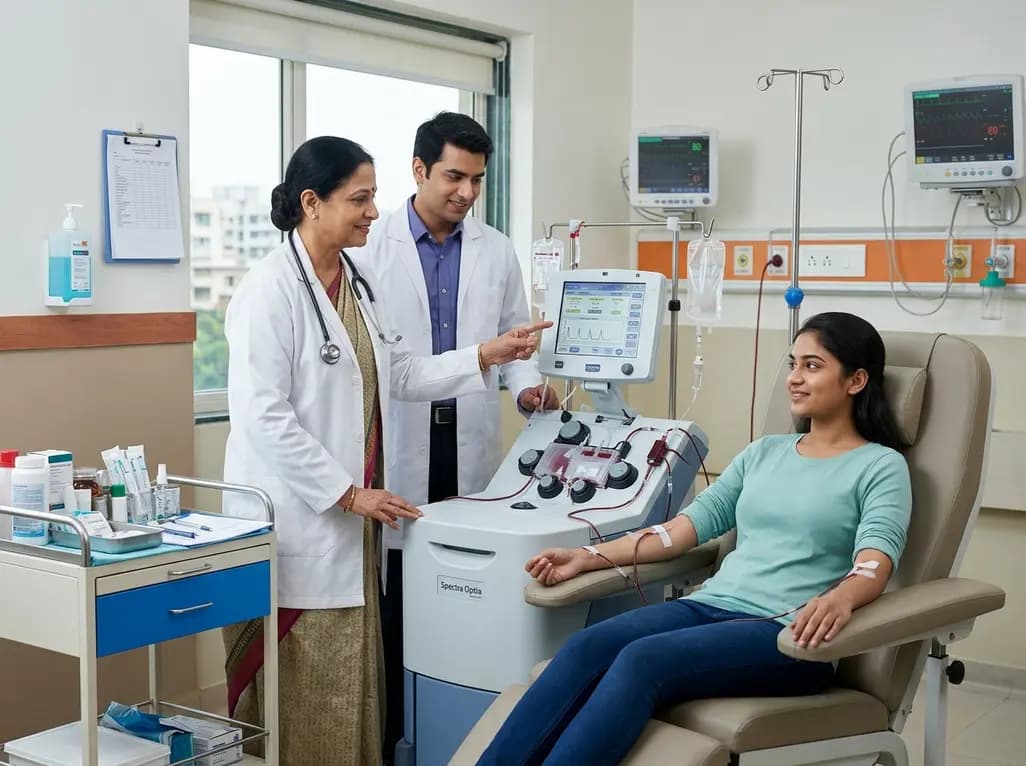
Myelin oligodendrocyte glycoprotein antibody-associated disease (MOGAD) represents a distinct inflammatory central nervous system disorder characterized by demyelinating episodes. Patients frequently experience severe neurological relapses involving the optic nerves, spinal cord, or brain parenchyma. Incomplete recovery after an acute episode remains the primary driver of persistent neurological disability in these individuals. Consequently, clinicians urgently require effective rescue protocols during inflammatory relapses. Therapeutic plasma exchange and immunoadsorption remove pathogenic autoantibodies and inflammatory mediators from the circulation. While these modalities are established across neuroimmunological practice, empirical evidence regarding apheresis therapies in MOGAD attacks has historically remained limited. A comprehensive retrospective analysis published in the Journal of Neurology, Neurosurgery & Psychiatry now provides vital real-world data regarding their clinical utility. Early intervention appears to be crucial because persistent tissue damage during an acute episode can cause irreversible axonal injury. Consequently, rapid clearance of circulating antibodies may rescue vulnerable neurological tissue and improve long-term functional recovery. Understanding how timing and concomitant strategies influence therapeutic success allows clinicians to refine treatment algorithms. Therefore, evaluating apheresis protocols in real-world cohorts offers crucial insights into optimizing clinical decision-making for patients facing severe neuroimmunological relapses.
To better understand treatment responses, investigators conducted a retrospective study across eighteen specialized centers affiliated with the Neuromyelitis Optica Study Group. The research team systematically evaluated all acute attacks occurring in MOGAD patients between 2008 and 2023. Overall, the investigators analyzed 571 discrete clinical attacks recorded among 209 individual patients. To assess disability accurately, researchers evaluated expanded disability status scale scores and visual functional system scores before and after each intervention. Consequently, absolute changes in disability scores provided precise quantitative measures of therapeutic success. Treatment outcomes were categorized into complete remission, partial remission, or complete lack of remission. Furthermore, the researchers utilized generalized linear mixed models to identify independent predictors of complete remission. This rigorous methodological approach minimized confounding variables and enabled a robust analysis of real-world outcomes. By incorporating data over a fifteen-year period across multiple academic centers, the study established a comprehensive benchmark for therapeutic response. Additionally, the investigators examined how the timing of intervention influenced clinical recovery across distinct lines of treatment. Ultimately, this extensive cohort provides unparalleled clarity regarding the practical role of apheresis in managing acute demyelinating crises.
The study revealed that apheresis procedures were utilized in 117 out of 571 total attacks, representing approximately twenty percent of all acute events. Overall, forty percent of patients in the cohort received apheresis at least once during their disease course. Complete remission was achieved in twenty-one percent of treated attacks, while seventy percent of episodes resulted in partial remission. Conversely, nine percent of interventions showed no measurable clinical benefit. Crucially, initiating treatment early as a first-line therapy strongly predicted complete recovery. First-line apheresis achieved a significantly higher odds ratio for complete remission compared to delayed interventions. On average, first-line apheresis was initiated within four point five days of symptom onset. In contrast, second-line apheresis commenced after a median delay of fifteen days, whereas third-line therapy started thirty days post-onset. Consequently, delayed administration significantly reduced the likelihood of full recovery. These quantitative findings demonstrate that therapeutic delay directly compromises neurological outcomes. Therefore, clinicians must recognize that prompt intervention is essential to prevent permanent neurological deficits. Early removal of pathogenic autoantibodies limits ongoing inflammatory destruction during the critical window of tissue vulnerability.
Clinical utilization of apheresis varied markedly depending on the specific anatomical presentation of the attack. Relapses involving simultaneous optic neuritis and transverse myelitis were treated most frequently with apheresis, accounting for over forty-two percent of such severe cases. In contrast, isolated transverse myelitis received apheresis in twenty-five percent of episodes, cerebral manifestations in twenty-one percent, and isolated optic neuritis in seventeen percent. Simultaneous presentation often causes profound functional impairment, which prompts clinicians to escalate therapy rapidly. Moreover, the study assessed whether different apheresis modalities offered distinct clinical advantages. Interestingly, comparisons between therapeutic plasma exchange and immunoadsorption demonstrated equivalent therapeutic efficacy. Both modalities yielded similar rates of complete remission and equivalent improvements in disability scores. Consequently, choice of technique can rely on local institutional expertise, equipment availability, and patient-specific contraindications rather than perceived differences in efficacy. Importantly, concomitant disease-modifying therapy also independently predicted complete remission. Patients receiving maintenance disease-modifying agents during the acute attack experienced significantly better disability outcomes. Thus, combining acute antibody depletion with baseline immune modulation offers superior protection against lasting disability.
The findings from this large multicenter cohort have immediate practical implications for everyday clinical practice. Historically, apheresis was frequently reserved as a rescue option following high-dose intravenous corticosteroid failure. However, this study demonstrates that reserving apheresis exclusively for second- or third-line intervention significantly impairs clinical recovery. Delaying treatment for several weeks allows ongoing inflammatory injury to cause irreversible axonal loss. Therefore, clinicians should consider initiating apheresis early when treating severe or high-risk MOGAD relapses. In addition, prompt diagnostic recognition is necessary so that medical teams can arrange specialized procedures without unnecessary delay. Multidisciplinary coordination between neurologists, apheresis specialists, and intensive care teams ensures seamless delivery of care. Furthermore, clinicians must continue baseline disease-modifying therapies during acute relapses to maximize functional recovery. Combining prompt plasma clearance with ongoing immunomodulation targets both circulating effector antibodies and upstream immune activity. As neuroimmunology advances, adopting proactive, time-sensitive treatment algorithms will significantly improve patient quality of life. Medical institutions should streamline clinical pathways to facilitate rapid access to therapeutic apheresis for vulnerable patients facing acute demyelinating crises.
As our understanding of MOGAD pathophysiology grows, treatment protocols must evolve to incorporate prospective real-world evidence. Future research should evaluate whether specific biomarkers can identify patients who require immediate first-line apheresis. Additionally, clinical trials comparing initial high-dose steroids alone versus combination steroid-apheresis therapy could refine current treatment guidelines. Rapid serological testing and standardized disability metrics will also assist clinicians in making timely therapeutic decisions. Furthermore, health systems must address logistical barriers that currently delay access to specialized apheresis units. Establishing clear institutional pathways can reduce median treatment delay from weeks to days. In addition, educating emergency physicians and general neurologists about early MOGAD manifestations will facilitate timely referrals. Concurrently, long-term outcome registries should continue tracking patient-reported metrics to confirm the durable benefits of early intervention. Ultimately, integrating rapid apheresis delivery into standardized relapse management promises to transform patient outcomes. By prioritizing early intervention, clinicians can effectively mitigate disability and promote complete clinical recovery in patients affected by this challenging autoantibody-mediated condition.
Myelin oligodendrocyte glycoprotein antibody-associated disease (MOGAD) is an autoimmune condition where antibodies target myelin in the central nervous system. This causes episodes of optic neuritis, myelitis, or brain inflammation, potentially leading to persistent neurological disability if acute attacks are not treated promptly and effectively.
Early apheresis rapidly removes pathogenic autoantibodies from circulation, halting inflammatory tissue destruction during the critical initial window. Initiating apheresis within days of attack onset significantly increases the likelihood of achieving complete remission compared to delayed second- or third-line treatment after corticosteroid failure.
Current retrospective evidence shows no significant outcome differences between therapeutic plasma exchange and immunoadsorption in MOGAD attacks. Both modalities yield comparable remission rates and functional improvements. Consequently, clinicians can select either technique based on institutional availability, expertise, and individual patient clinical factors.
Disclaimer: This content is for informational and educational purposes only and does not constitute medical advice, diagnosis, or treatment. Always seek the advice of a qualified healthcare provider with any questions you may have regarding a medical condition. Refer to the latest local and national guidelines for clinical practice.
References
Schwake C et al. Apheresis therapies in MOGAD: a retrospective study of 117 therapeutic interventions in 571 attacks. J Neurol Neurosurg Psychiatry. 2025 Jun 12. doi: 10.1136/jnnp-2024-334863. PMID: 39496464.
Kleiter I et al. Apheresis therapies for NMOSD attacks: a retrospective study of 207 therapeutic interventions. Neurology. 2016;86(16):1526-1533.
Thakolwiboon S et al. Outcomes after acute plasma exchange for myelin oligodendrocyte glycoprotein antibody-associated disease. Neurology. 2025;105(6):e213903.

Read summarized clinical updates, watch expert medical content, and earn CME certifications right from your smartphone.
Open your smartphone camera to scan and install.





A retrospective study of 117 apheresis interventions in 571 MOGAD attacks demonstrates that early initiation as first-line therapy and concomitant disease-modifying treatment predict full attack recovery and superior long-term disability outcomes.
2 months ago

As monsoon seasons elevate arboviral disease threats, Tamil Nadu has initiated an ICMR-monitored evaluation of the tetravalent dengue vaccine in Tenkasi district. Clinicians emphasize clinical monitoring, public prevention, and high-quality early pediatric care to reduce disease morbidity across endemic regions.
Today

A comparative cohort study evaluates vNOTES vs TLH hysterectomy for benign conditions, demonstrating shorter operative duration, faster return to daily activities, and equivalent female sexual function scores without increased dyspareunia.
Today

Review how tailored exercise programs benefit frail older patients with heart failure. Explore pathophysiological mechanisms, individualized training prescriptions, and strategies to overcome adherence barriers in clinical practice.
Today

This comparative study evaluates posterior labral tears with and without glenohumeral instability, highlighting distinct demographic patterns, MRI underestimation in stable shoulders, and successful arthroscopic repair outcomes.
Today

A clinical study demonstrates that early intervention with tocilizumab, either as monotherapy or bridged with corticosteroids, achieves significant proptosis reduction and resolves active inflammation in treatment-naive thyroid eye disease.
Today
