.webp&w=384&q=75)

Loading, please wait...
Loading, please wait...

The COVID-19 pandemic triggered a global surge in antiviral drug discovery. Researchers shifted focus from traditional viral inhibitors to sophisticated broad-spectrum agents. Consequently, this shift accelerated the identification of both human and viral protein targets. Scientists have analyzed thousands of potential compounds through rigorous clinical trials to combat SARS-CoV-2. As a result, the medical community has gained invaluable insights into viral infection control and therapeutic interventions.
Currently, drug development encompasses target-based strategies and pharmacokinetic optimization. Furthermore, Artificial Intelligence (AI) has become a cornerstone in this field. AI tools predict protein structures and identify drug targets with high precision. Therefore, these computational models significantly reduce the time required for bioactivity forecasting. Additionally, medicinal chemistry tools allow for the design of molecules with improved safety profiles. Despite these advancements, researchers must still address the persistent challenge of viral mutations.
Nanotechnology plays a vital role in enhancing drug delivery and vaccine efficacy. For instance, lipid nanoparticles successfully delivered mRNA vaccines during the pandemic. Moreover, researchers are now exploring membraneless organelles as potential drug targets. Targeting liquid-liquid phase separation offers a novel path for future interventions against diverse viruses. Ultimately, the integration of AI and nanotechnology will define the next era of clinical medicine. These tools provide the agility needed to combat future viral outbreaks effectively.
AI identifies potential drug targets and predicts protein structures. This process accelerates the timeline for developing effective treatments by forecasting how molecules interact with viruses.
Nanotechnology, specifically lipid nanoparticles, improves the delivery and bioavailability of drugs. It ensures that therapeutic agents reach target cells safely and maintain their effectiveness.
These are cellular compartments formed by liquid-liquid phase separation. Targeting these structures can disrupt viral replication cycles in ways that traditional drugs cannot.
Disclaimer: This content is for informational and educational purposes only and does not constitute medical advice or a professional relationship. Always seek the advice of a qualified healthcare provider regarding any medical condition. Refer to the latest local and national guidelines for clinical practice.
References
Du S et al. Antiviral drug discovery and development: challenges and future directions. Signal Transduct Target Ther. 2026 undefined undefined. doi: 69. PMID: 41735249.
Lokande A. The Future of Antiviral Drugs: Innovations and Challenges Post-COVID-19. Int J Drug Dev Res. 2024;16(5).
Singh R. AI in drug discovery: predictions for 2026. Drug Target Review. 2026 Feb 16.

Read summarized clinical updates, watch expert medical content, and earn CME certifications right from your smartphone.
Open your smartphone camera to scan and install.





A comprehensive review of antiviral drug development, highlighting the roles of AI, nanotechnology, and future targets like membraneless organelles....
7 months ago
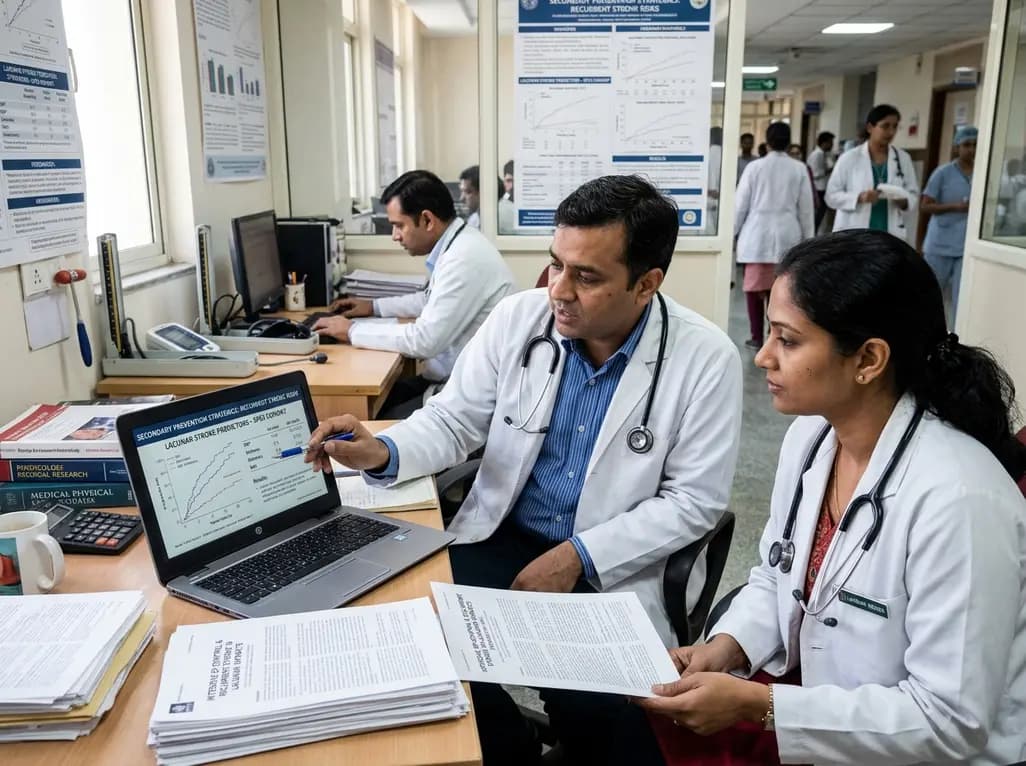
Explore vital recurrent stroke predictors in lacunar stroke patients managed with intensive blood pressure lowering. This analysis examines trial findings from SPS3 to uncover residual vascular risks, metabolic factors, and targeted secondary prevention strategies for high-risk neurological patients.
Today
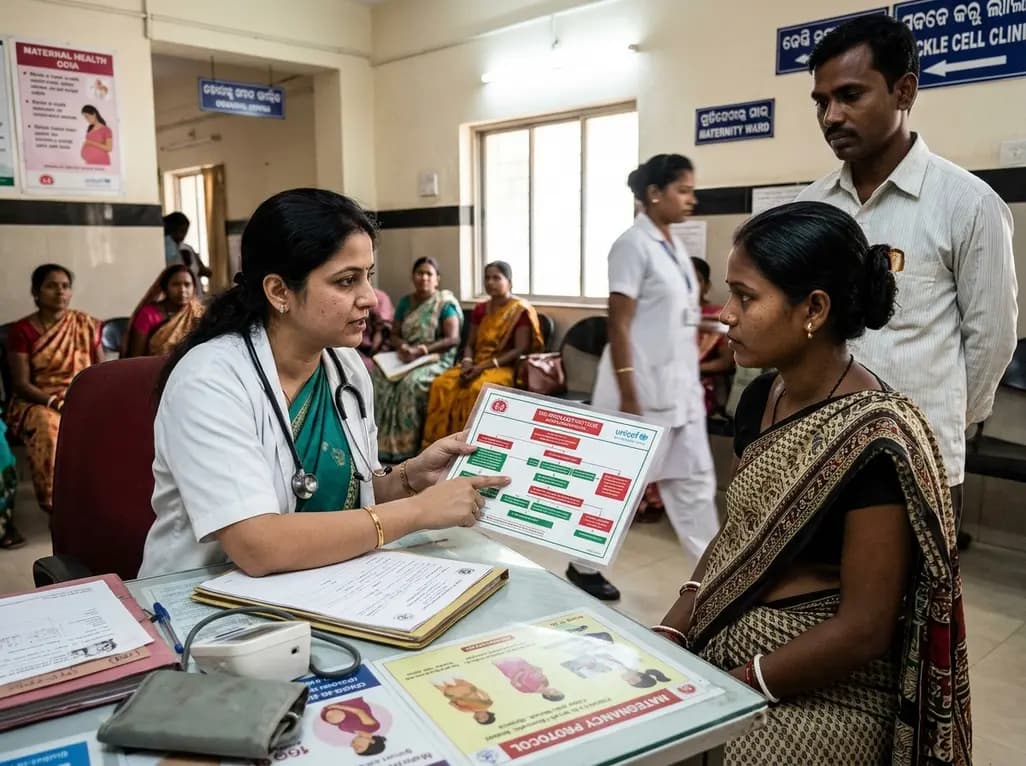
Odisha has established India's first state-level clinical protocol specifically tailored for pregnant women with sickle cell disease. Developed with NHM and UNICEF, the framework provides structured antenatal screening, crisis mitigation, standardized referral pathways, and specialized interdisciplinary care.
Today

The Directorate General of Health Services directs Indian states to halt the hazardous reuse and reprocessing of single-use medical devices. Discover regulatory implications under the Drugs and Cosmetics Act, critical infection risks, legal liabilities, and operational changes required across clinical specialties.
Today

Mitochondria-targeted nanoparticles self-assembled from EGCG and L-glutamic acid effectively restore mitochondrial homeostasis, suppress synovial inflammation, and attenuate chondrocyte senescence in osteoarthritis, offering a promising disease-modifying nanotherapy.
Today

India is advancing preventive healthcare by integrating genomics, artificial intelligence, and quantum technologies. With the SANGAM programme sequencing one million Indian genomes, clinicians can unlock personalized therapies, detect cardiometabolic risks early, and curb the burden of diabetes and heart disease.
Today
