.webp&w=384&q=75)

Loading, please wait...
Loading, please wait...
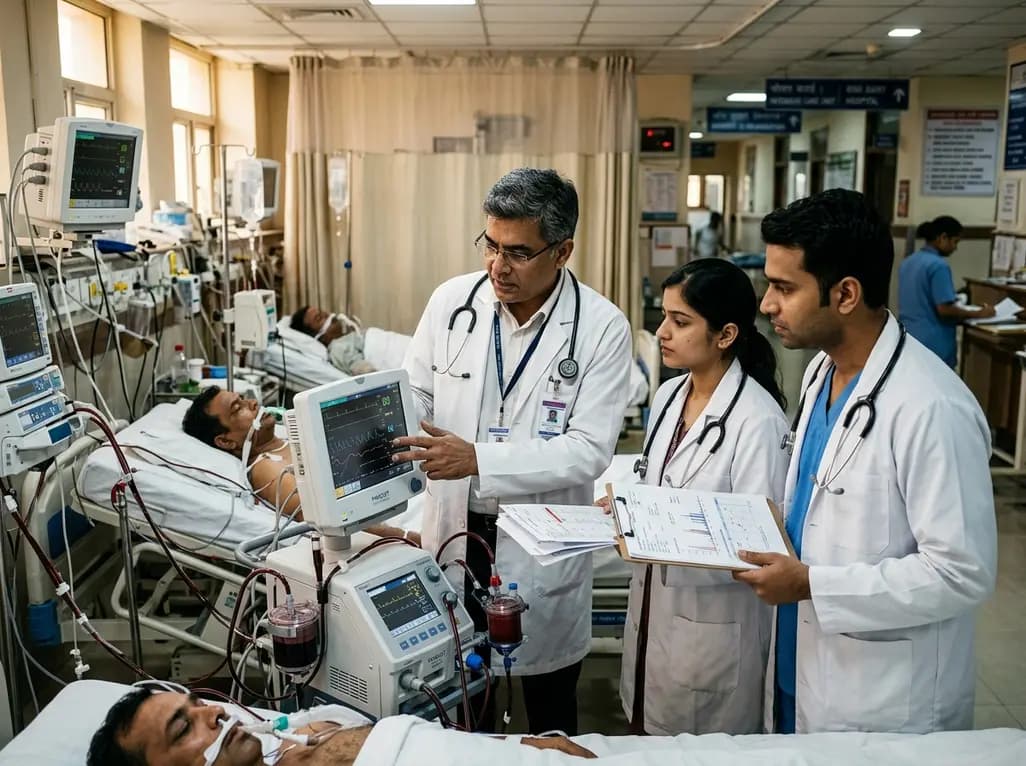
Venovenous extracorporeal membrane oxygenation provides vital life support for patients suffering from severe respiratory failure refractory to standard mechanical ventilation. However, extracorporeal circulation triggers complex pathophysiological challenges by exposing blood to artificial synthetic surfaces. Consequently, systemic inflammation and dysregulated coagulation frequently ensue, resulting in severe organ injury. Recent research underscores the predictive significance of baseline antithrombin activity in ECMO cohorts facing life-threatening acute respiratory distress syndrome. Understanding these underlying biological mechanisms assists intensivists in identifying fragile patients who require enhanced vigilance during cannulation and maintenance.
The initiation of extracorporeal support introduces circulating blood to extensive non-endothelial artificial tubing, which triggers an immediate biological cascade. Specifically, the contact pathway initiates contact-mediated activation while shear stress damages cellular membranes and prompts platelets to degranulate. Moreover, activated neutrophils release cytotoxic enzymes and extracellular traps, which accelerate systemic inflammation. Consequently, endogenous physiological anticoagulants become severely depleted through rapid continuous consumption. Among these natural defenses, antithrombin serves as the primary plasma serpin responsible for neutralizing thrombin, activated factor X, and related procoagulant enzymes. When critical illness damages the endothelial glycocalyx, baseline antithrombin reserves fall precipitously before cannulation begins. In addition, persistent capillary leak and impaired hepatic synthesis exacerbate this acquired deficiency state in intensive care units. As a result, the delicate equilibrium governing physiological hemostasis collapses completely. Patients enter a hypercoagulable yet paradoxical bleeding-prone milieu that complicates bedside therapeutic anticoagulation. Therefore, critical care teams must understand how biomaterial exposure depletes essential protective circulating proteins. Monitoring these dynamic interactions provides early actionable clinical clues before irreversible ischemic tissue injury manifests in vulnerable patients.
A landmark retrospective cohort study evaluated 734 adult patients undergoing venovenous cannulation to clarify baseline antithrombin activity in ECMO outcomes. Notably, the investigators discovered that 64% of enrolled patients presented with marked antithrombin deficiency, defined as activity below 77%. Furthermore, baseline antithrombin activity correlated inversely with systemic inflammatory markers, confirming the intimate link between hyperinflammation and anticoagulant depletion. Importantly, the incidence of computed tomography-confirmed ischemic complications differed significantly across patient groups. AT-deficient individuals experienced an ischemic complication rate of 7.6%, compared with only 1.9% in those with preserved baseline activity levels. In contrast, total thrombotic complications and major bleeding episodes showed comparable distribution across the baseline cohorts. Multivariable logistic regression revealed that each one percent increase in baseline antithrombin activity conferred a 3% reduction in ischemic odds. Receiver operating characteristic curve analysis identified an optimal threshold of 49% baseline activity for predicting ischemic complications with good diagnostic accuracy. Thus, baseline enzymatic testing establishes a powerful prognostic metric for risk stratification prior to initiating mechanical life support in critically ill patients.
Beyond isolated laboratory thresholds, unsupervised statistical clustering has unveiled distinct patient subphenotypes that exhibit disparate clinical trajectories during extracorporeal support. Most notably, researchers characterized a distinct consumptive subphenotype defined by profoundly depressed antithrombin activity alongside massive systemic inflammation. Patients clustering within this consumptive profile demonstrate pronounced endothelial disruption, elevated circulating D-dimers, and elevated acute-phase reactants. Consequently, this subset of patients suffered the highest cumulative burden of ischemic events and in-hospital mortality. In contrast, patients belonging to non-consumptive clusters maintained higher endogenous enzymatic activity and experienced substantially superior survival rates. These phenotypic differences indicate that antithrombin exhaustion reflects widespread microvascular injury rather than an isolated biochemical anomaly. Furthermore, systemic capillary thrombosis precipitates downstream hypoperfusion, accelerating multiorgan dysfunction syndrome despite adequate macroscopic circuit flows. Therefore, phenotyping patients at the bedside allows critical care specialists to identify those facing the highest risk of mortality. Recognizing consumptive coagulopathy early enables tailored clinical vigilance and targeted management algorithms in modern intensive care units.
Managing systemic heparinization during venovenous extracorporeal support remains one of the most formidable dilemmas in critical care medicine. Unfractionated heparin relies entirely on adequate circulating antithrombin concentrations to catalyze the inactivation of activated clotting factors. Therefore, profound antithrombin depletion creates clinical heparin resistance, prompting clinicians to escalate heparin infusions to dangerously elevated doses. Consequently, excessive heparin administration amplifies catastrophic hemorrhagic risks without providing effective microvascular thromboprophylaxis. The study highlighted that while macrovascular thromboses and gross hemorrhages remained balanced, microvascular ischemic events predominated in deficient patients. This observation suggests that occult microvascular occlusions impair tissue oxygen delivery even while circuit oxygenators function flawlessly. Furthermore, administering exogenous antithrombin concentrates remains controversial across global intensive care consensus guidelines. Routine supplementation does not universally improve clinical survival or prevent major bleeding events in randomized trials. However, targeted replenishment in biochemically selected consumptive phenotypes might restore heparin responsiveness and safeguard ischemic microvascular beds. Clinicians must carefully weigh the cost, availability, and bleeding hazards before administering supplemental concentrates to critically ill adults.
Implementing standardized assessment protocols at cannulation can substantially enhance clinical risk stratification and streamline ongoing management pathways. Critical care teams should routinely quantify baseline antithrombin activity alongside conventional inflammatory biomarkers such as ferritin and C-reactive protein. When antithrombin levels drop below the critical 49% threshold, clinicians must maintain heightened vigilance for occult ischemic complications. Specifically, clinicians should consider regular neurovascular assessments and abdominal computed tomography when clinical deterioration occurs unexpectedly. Moreover, alternative anticoagulant agents like bivalirudin and argatroban warrant serious clinical evaluation in severely deficient individuals. These direct thrombin inhibitors function independently of antithrombin, thereby providing predictable anticoagulant responses despite severe consumption. In addition, prospective multicenter clinical trials must specifically investigate whether phenotype-guided antithrombin replacement reduces organ ischemia and shortens mechanical support duration. As technological advances refine extracorporeal circuits, biological biomarker phenotyping will undoubtedly guide tailored intensive care interventions. Ultimately, precision medicine will replace empirical anticoagulation strategies, leading to improved functional survival and recovery for critically ill patients.
Baseline antithrombin depletion occurs primarily due to profound systemic inflammation, severe sepsis, and acute respiratory distress syndrome prior to cannulation. Proinflammatory cytokines accelerate the consumption of endogenous anticoagulants while simultaneously impairing hepatic protein synthesis. Furthermore, widespread endothelial injury and increased microvascular permeability lead to significant extravascular protein leakage. Consequently, critically ill patients enter extracorporeal support with substantially exhausted antithrombin reserves, impairing endogenous microvascular protection.
Antithrombin neutralizes thrombin and factor Xa, preventing uncontrolled microvascular thrombosis. When circulating antithrombin falls below critical thresholds, uninhibited thrombin generation prompts localized fibrin deposition and capillary microthrombosis across vital organs. Moreover, low antithrombin levels hinder the anti-inflammatory signaling typically mediated through endothelial syndecan receptors. Therefore, the combination of microvascular occlusion and persistent endothelial inflammation impairs tissue oxygen delivery, culminating in clinically significant ischemic organ damage despite patent macroscopic circuits.
Routine antithrombin supplementation is currently not recommended by international consensus guidelines for all extracorporeal support patients. Clinical trials show that universal replacement does not consistently improve survival or reduce thrombotic complications. However, targeted administration may benefit patients demonstrating severe heparin resistance or consumptive phenotypes characterized by activity levels below 49%. Alternatively, clinicians can switch to direct thrombin inhibitors such as bivalirudin to achieve effective anticoagulation without requiring supplemental exogenous antithrombin.
Disclaimer: This content is for informational and educational purposes only. It is not intended to substitute for professional medical advice, diagnosis, or treatment. Always seek the advice of your physician or other qualified health provider with any questions you may have regarding a medical condition or treatment options. Never disregard professional medical advice or delay in seeking it because of something you have read here. Refer to the latest local and national guidelines for clinical practice.
References
Del Signore R et al. Antithrombin Activity and Inflammatory Phenotypes as Predictors of Outcome in Venovenous Extracorporeal Membrane Oxygenation. ASAIO J. 2026 Sep 18. doi: 10.1097/MAT.0000000000002840. PMID: 42758971.
Panigada M, Spinelli E, De Falco S, et al. The relationship between antithrombin administration and inflammation during veno-venous ECMO. Perfusion. 2022;38(8):1602-1610.
Rodgers GM, Mahajerin A. Antithrombin Therapy: Current State and Future Outlook. Clin Appl Thromb Hemost. 2023;29:10760296231206894.

Read summarized clinical updates, watch expert medical content, and earn CME certifications right from your smartphone.
Open your smartphone camera to scan and install.





Evaluating baseline antithrombin activity in ECMO reveals key insights into ischemic complications and mortality. Patients with consumptive thromboinflammatory phenotypes face heightened clinical risks, highlighting the critical need for tailored monitoring and proactive critical care strategies.
Today
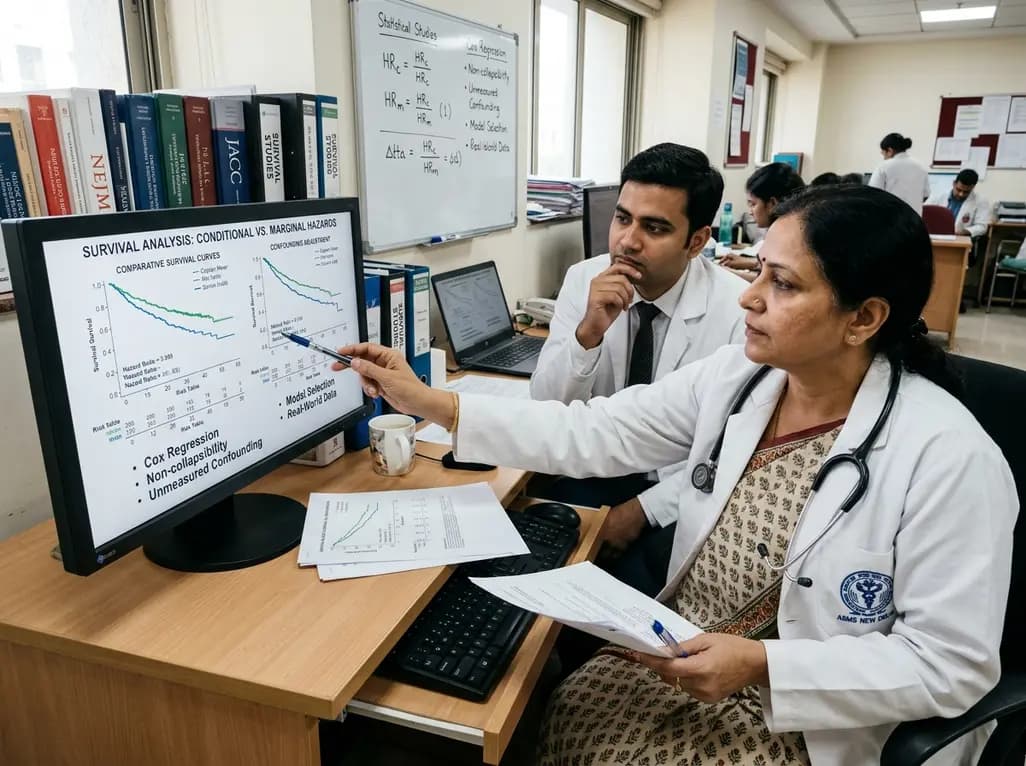
Survival analyses often report hazard ratios, but mathematical non-collapsibility creates crucial differences between conditional and marginal estimates. Clinicians must account for unmeasured confounding and model selection when interpreting trial endpoints and real-world cardiovascular outcomes.
Today

A cross-sectional study of 700 college students highlights significant contraceptive knowledge disparities between sexually active and inactive young adults. The findings demonstrate a critical need for proactive, comprehensive sexual health counseling before sexual debut.
Today
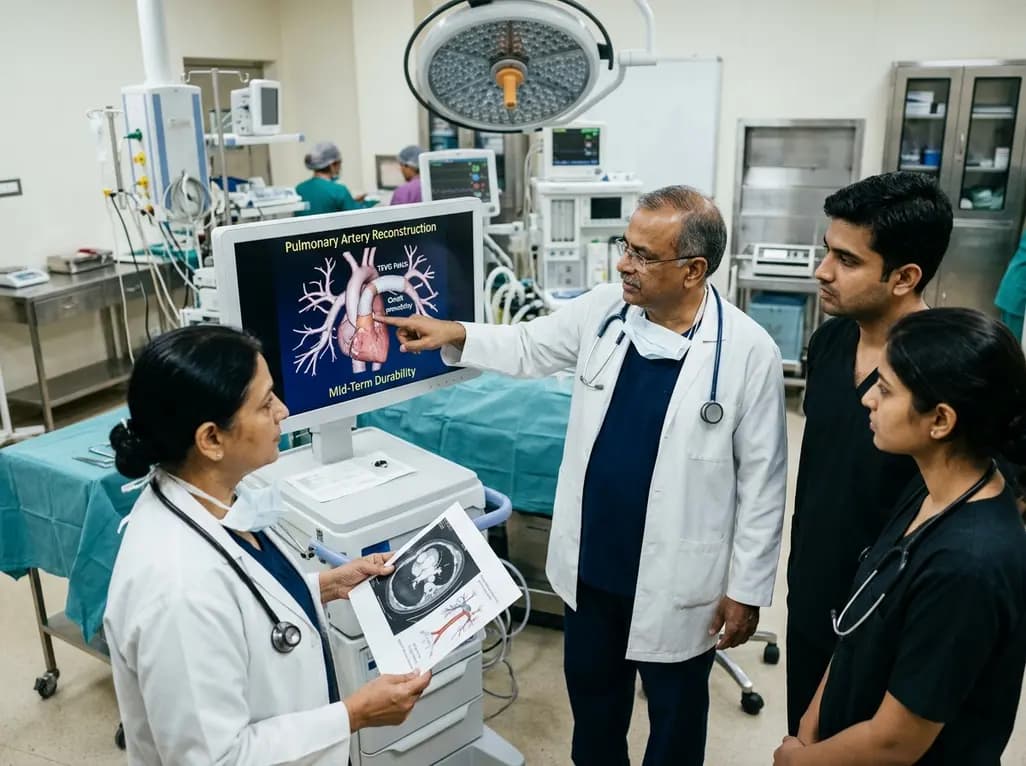
Autologous tissue-engineered vascular graft patches created via in-body tissue architecture show excellent mid-term durability and safety for pulmonary artery reconstruction in congenital heart surgery, particularly for peripheral branch augmentation.
Today

A novel cluster analysis of real-world datasets reveals four distinct CPPD disease phenotypes, validating existing EULAR categories while uncovering previously unrecognized monoarticular and axial presentations to refine patient management.
Today
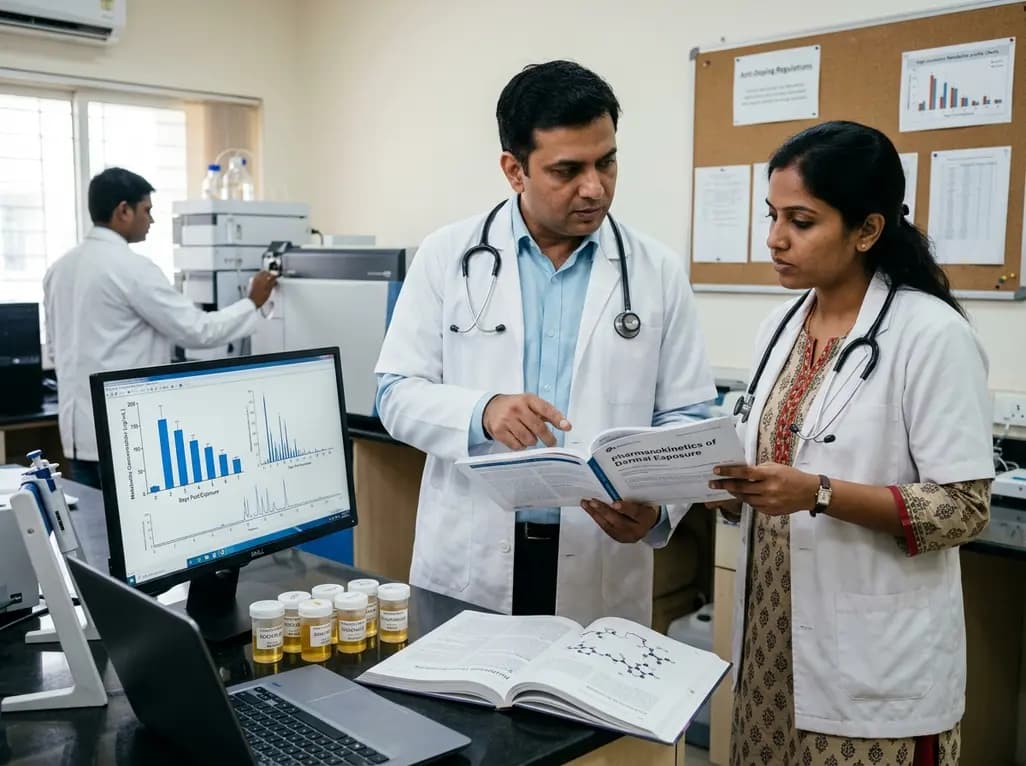
Recent pharmacokinetic research demonstrates that trace dermal exposure to microgram quantities of trenbolone and metenolone produces detectable urinary metabolites for days to over a week, providing critical objective data for evaluating unintentional contamination claims in sports drug testing.
Today
