.webp&w=384&q=75)

Loading, please wait...
Loading, please wait...
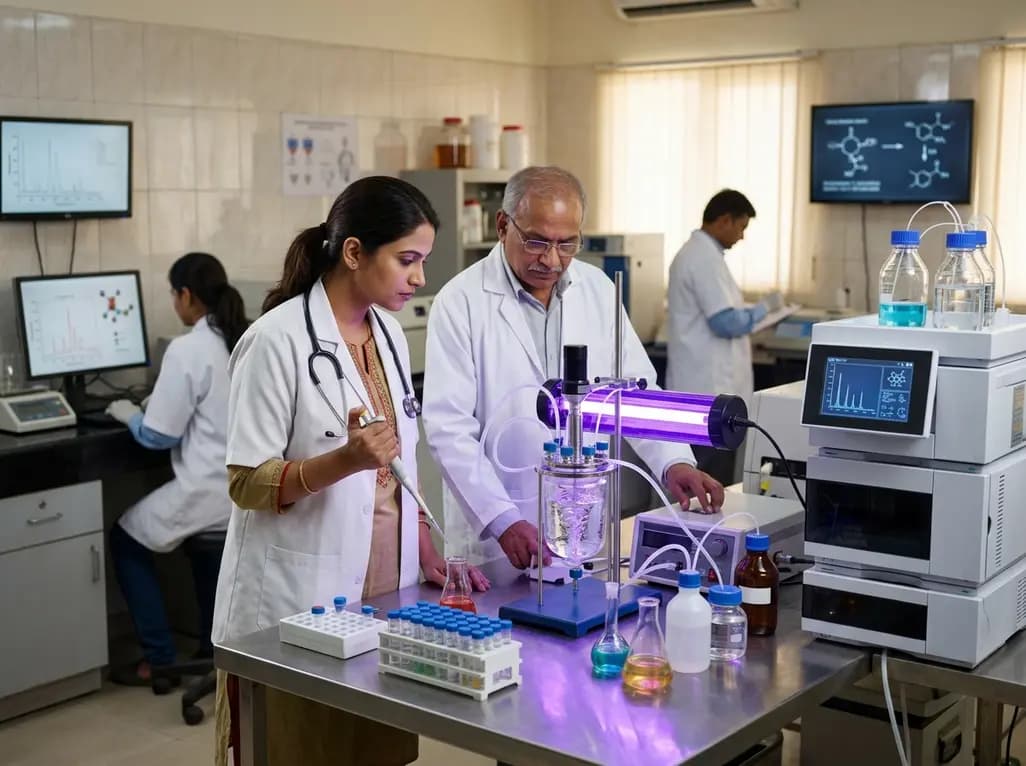
Pharmaceutical residues like antidepressants frequently enter aquatic environments through wastewater. Consequently, scientists are exploring efficient removal methods to protect public health. A recent study investigated antidepressant degradation in UV-AOPs to understand how these drugs transform during water treatment. Researchers specifically examined the effectiveness of UV/hydrogen peroxide (UV/H2O2) and UV/peroxydisulfate (UV/PDS) processes.
The study found that both UV-AOPs significantly improved degradation rates compared to direct photolysis. For instance, pseudo-first-order rate constants increased by up to 105.19-fold. Moreover, most antidepressants reacted faster with hydroxyl radicals than with sulfate radicals. Notably, halogenated drugs like fluoxetine underwent effective dehalogenation during the process. While UV/PDS showed stronger dehalogenation capabilities, it also increased the risk of producing trifluoroacetic acid (TFA), which is a persistent environmental pollutant.
Furthermore, the degradation pathways primarily involved dealkylation and hydroxylation. Most resulting intermediates exhibited lower acute toxicity and reduced bioaccumulation potential. However, the long-term risks of metabolites like TFA remain a concern for environmental health professionals. These findings provide a foundation for developing better advanced oxidation processes to safeguard our water supplies.
UV-AOPs significantly accelerate the breakdown of antidepressants in water. They often achieve degradation rates over 100 times faster than natural light exposure alone.
Most intermediates show reduced acute toxicity. However, some processes may generate persistent substances like trifluoroacetic acid. This metabolite requires further long-term risk assessment for aquatic life and human consumption.
Disclaimer: This content is for informational and educational purposes only. It does not constitute professional medical advice, diagnosis, or treatment. Always seek the advice of your physician or other qualified health provider with any questions regarding a medical condition. Refer to the latest local and national guidelines for clinical practice.
References
1. Ren W et al. Transformation characteristics of typical antidepressants in UV-advanced oxidation processes. J Hazard Mater. 2026 Jun 08. doi: undefined. PMID: 42258980.
2. Ahmed HR et al. Advanced oxidation processes for the removal of antidepressants from wastewater: a comprehensive review. RSC Publishing. 2025 Dec 08. DOI: 10.1039/D5EW00234K.

Read summarized clinical updates, watch expert medical content, and earn CME certifications right from your smartphone.
Open your smartphone camera to scan and install.





A new study reveals how UV-AOPs effectively degrade antidepressants like fluoxetine, highlighting dehalogenation efficiency and the risk of TFA formation....
4 months ago

A retrospective cohort study reveals that frailty quadruples the odds of pressure injuries in hospitalized older adults. Integrating the Clinical Frailty Scale with comprehensive geriatric care is crucial for identifying vulnerability early and implementing targeted multidisciplinary prevention.
Today
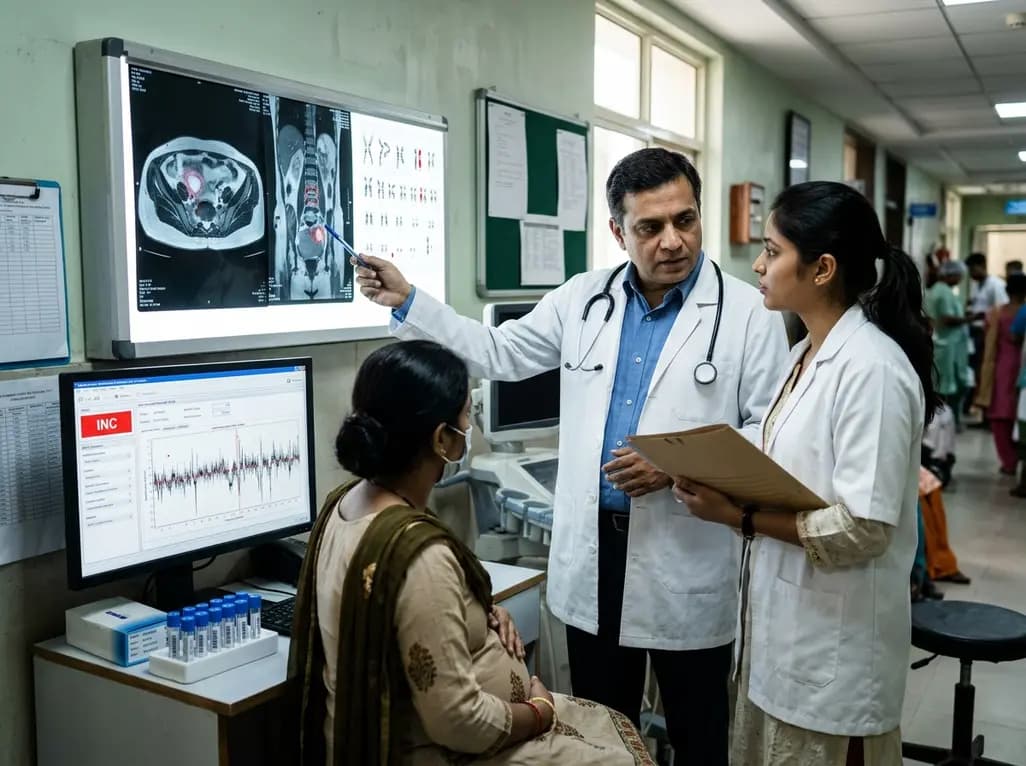
Occult maternal malignancy accounts for 3.82% of persistent unreportable NIPT results with genomic noise. Multiple chromosomal aberrations, notably on chromosome 18, warrant thorough oncological evaluation and whole-body MRI to ensure timely maternal diagnosis while preserving fetal care.
Today

This article reviews the forensic and clinical complexities of acute myocarditis arising on left ventricular hypertrophy in children, highlighting early diagnostic red flags and multidisciplinary postmortem autopsy protocols.
Today
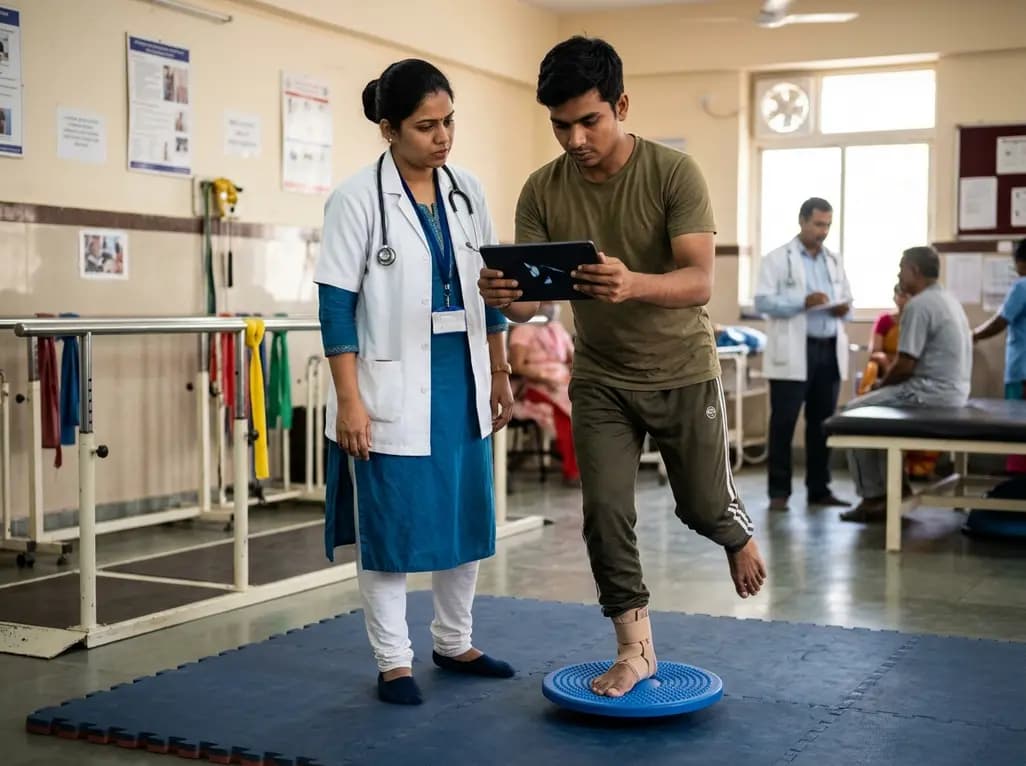
A randomized controlled trial demonstrates that an eight-week dual-task training intervention significantly improves static and dynamic postural control over standard balance exercises in individuals with chronic ankle instability, addressing critical neurocognitive deficits during athletic and daily activities.
Today

A retrospective cohort study of 7,716 ICU patients from the MIMIC-IV database demonstrates that Gradient Boosting Decision Trees significantly outperform traditional SOFA scores in predicting in-hospital mortality among patients with sepsis and diabetes, with SHAP analysis providing clinical interpretability.
Today
