

Loading, please wait...
Loading, please wait...

Managing a first-time traumatic anterior shoulder dislocation presents a frequent and complex clinical dilemma for sports physicians and orthopedic surgeons. Clinicians must weigh the urgent desire for an athlete to rejoin competition against the long-term risk of joint instability. A recent systematic review sheds light on this critical balance between early surgical stabilization and conservative rehabilitation.
Traumatic glenohumeral joint disruption often creates substantial structural pathology, including labral tears, capsular attenuation, and bony lesions. Consequently, young active individuals face an alarmingly high risk of redislocation when clinicians treat them nonoperatively. The systematic review evaluated five comparative studies comprising 232 adult athletes with acute presentations. The findings clearly show that arthroscopic stabilization dramatically reduces subsequent instability events. Specifically, athletes who underwent surgical repair experienced recurrence rates between 3% and 14%. In stark contrast, those managed conservatively without surgery suffered recurrence rates ranging from 24% to 80%.
This marked disparity stems from the inherent inability of an avulsed anterior-inferior glenoid labrum to heal anatomically without mechanical fixation. When conservative therapy fails to restore tension to the inferior glenohumeral ligament complex, the humeral head slips repeatedly during athletic activities. Therefore, surgical repair offers decisive anatomical restoration that protects against chronic instability. Orthopedic surgeons recognize that repeated subluxations cause progressive articular cartilage wear and glenoid bone loss. Thus, stabilizing the labrum early effectively safeguards the joint against secondary degenerative disease and recurrent structural injury.
Despite the substantial difference in joint stability, both surgical and conservative pathways achieve impressive rates of return to play. The review revealed that overall return-to-sport percentages remained extraordinarily high across both cohorts. Athletes who received arthroscopic stabilization returned to sport at rates ranging between 93% and 100%. Similarly, athletes managed with nonoperative physical therapy achieved return-to-play rates between 97% and 100%. These numbers demonstrate that motivated elite athletes can successfully re-enter competitive environments under either protocol.
However, the definition of successful return often conceals significant differences in athlete confidence and joint performance. While conservative protocols allow an athlete to return to competition quickly, players frequently experience subjective apprehension during overhead motions or physical contact. Furthermore, returning without structural repair leaves the athlete susceptible to immediate reinjury during aggressive gameplay. Conversely, athletes undergoing operative reconstruction achieve higher subjective stability scores and greater psychological readiness before clearance. Therefore, sports medicine clinicians must interpret high return percentages with caution, ensuring that players return to play with genuine stability rather than temporary functional compensation.
The most striking contrast between operative and nonoperative approaches lies in the total recovery timeline. Nonoperative protocols facilitate a rapid return to athletic participation, typically averaging between 2.3 and 5.7 weeks. This rapid clearance allows in-season athletes to rejoin their teams without forfeiting entire competitive seasons. Conservative protocols focus on rapid symptom control, early range of motion restoration, and intensive dynamic rotator cuff strengthening to compensate for passive capsular laxity.
In sharp contrast, arthroscopic stabilization demands a considerably longer rehabilitation period, generally spanning 18.7 to 39.3 weeks. Biological tissue healing dictates this extended timeline, because suture anchor repairs require adequate time to mature and integrate securely into the glenoid bone. Premature return to collision or contact sports introduces excessive shear stresses that can disrupt healing labral tissue. Consequently, physical therapists and surgeons implement progressive rehabilitation protocols that protect the repair while gradually rebuilding strength, proprioception, and neuromuscular control. Therefore, athletes and medical staff must accept that choosing surgery essentially ends an ongoing athletic season, representing a major trade-off between immediate sports participation and long-term joint integrity.
Choosing between immediate surgical stabilization and conservative therapy requires a nuanced, individualized clinical approach. Medical teams must analyze several critical factors, including the timing of the injury within the season, the athlete's position, and competitive goals. If an elite collision athlete sustains an injury early in a championship campaign, nonoperative rehabilitation may provide a temporary solution. In this scenario, clinicians can stabilize the shoulder functionally, prescribe external bracing, and postpone definitive surgical repair until the off-season.
Nevertheless, clinicians must thoroughly inform the athlete and coaching staff about the heightened risk of mid-season redislocation. Recurrent instability during gameplay frequently causes additional osseous defects, such as Hill-Sachs lesions or bony Bankart fractures, which complicate future surgical procedures. Moreover, athletes playing high-demand contact sports, such as rugby, football, or wrestling, face the highest reinjury rates under conservative care. Therefore, early arthroscopic stabilization serves as the preferred standard for athletes seeking permanent joint preservation. By actively engaging the athlete in shared decision-making, sports physicians align clinical risk management with individual career aspirations and seasonal realities.
Although the systematic review provides compelling clinical guidance, significant evidence limitations warrant careful consideration. The included studies were nonrandomized and heterogeneous, resulting in Level III evidence with varying certainty. Most notably, the participant pool comprised exclusively elite male athletes, primarily from military, collegiate, and professional environments. As a result, female athletes were substantially underrepresented across all examined studies. This lack of representation constitutes a major clinical blind spot, given known differences in joint laxity, hormone profiles, and neuromuscular patterns between sexes.
Furthermore, clinicians cannot directly extrapolate these findings to recreational athletes or older individuals. Recreational athletes often prioritize low surgical morbidity and minimal lifestyle disruption over immediate athletic performance. Additionally, older patients presenting with an anterior shoulder dislocation face a distinct injury profile, including high rates of concomitant rotator cuff tears rather than isolated labral detachments. Therefore, future prospective trials must recruit diverse athletic cohorts, including female competitors and various sports disciplines. Until then, practitioners should apply these findings judiciously, acknowledging that elite male collision athletes represent a unique subpopulation with specific biological and functional demands.
Nonoperative care does not restore detached labral tissue or torn glenohumeral ligaments to the glenoid rim. Although physical therapy strengthens the dynamic rotator cuff musculature, it cannot replicate mechanical static joint restraints. Consequently, high-demand athletic maneuvers repeatedly displace the humeral head over the damaged labrum. Without structural repair, the joint remains pathologically lax, causing redislocation rates between 24% and 80% among active athletes returning to competitive sports.
Athletes generally return to competitive sports between four and nine months following arthroscopic stabilization surgery. This extended timeline ensures that repaired labral tissue heals firmly to the glenoid bone. Rehabilitation progresses through distinct stages, prioritizing initial protection, followed by restoration of range of motion, rotator cuff strengthening, and sport-specific plyometrics. Surgeons clear athletes only after they demonstrate full symmetric strength, restored joint stability, and complete psychological readiness during functional testing.
Yes, selected athletes can complete their season using conservative rehabilitation and functional bracing if joint stability permits. Nonoperative protocols often enable return to play within two to six weeks. However, athletes must accept a substantial risk of recurrent dislocation and progressive joint damage during competition. If repeated instability occurs or significant bony defects emerge, medical teams usually recommend immediate cessation of sport and prompt surgical stabilization to protect long-term shoulder health.
Disclaimer: This content is for informational and educational purposes only. It is not intended as medical advice, diagnosis, or treatment. Always seek the advice of your physician or other qualified healthcare provider with any questions you may have regarding a medical condition. Refer to the latest local and national guidelines for clinical practice.
References

Read summarized clinical updates, watch expert medical content, and earn CME certifications right from your smartphone.
Open your smartphone camera to scan and install.





A systematic review shows that arthroscopic stabilization significantly reduces recurrence rates after first-time traumatic anterior shoulder dislocation in elite athletes. However, nonoperative management provides a markedly faster return to sport, highlighting a critical clinical trade-off.
Today
A real-world UK study reveals substantial hospitalization rates and toxicities in malignant pleural mesothelioma patients treated with nivolumab and ipilimumab, showing a median OS of 9.5 months and highlighting the necessity of vigilant multidisciplinary management.
Today
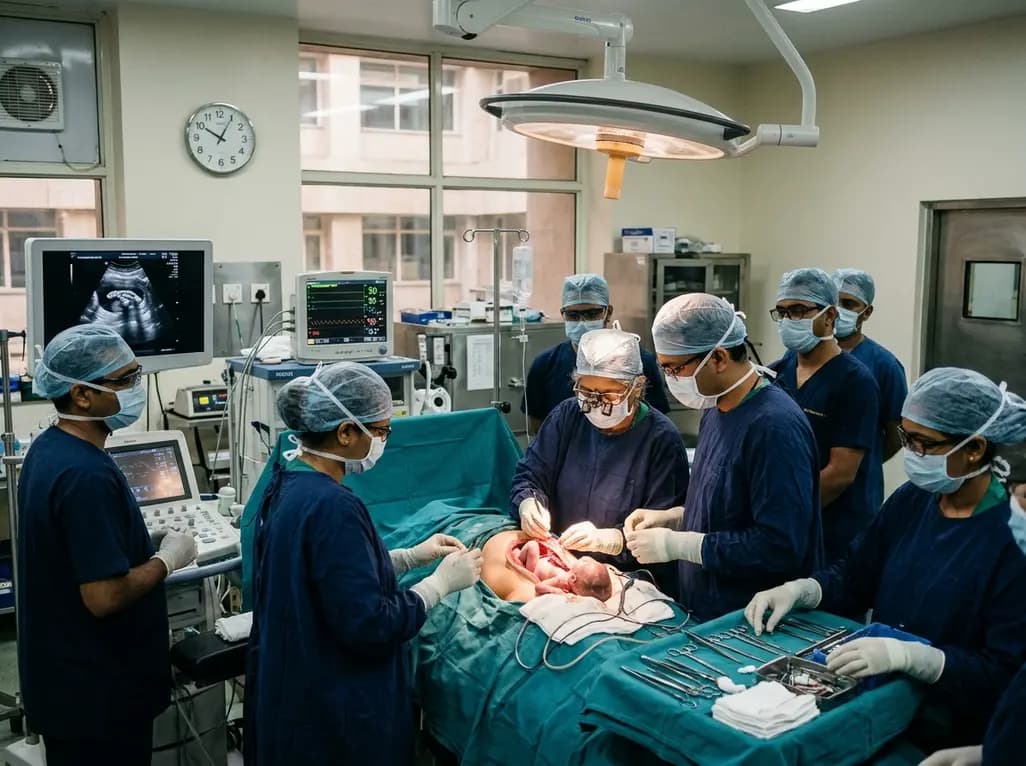
Doctors at AIIMS New Delhi have achieved a historic milestone by performing India's first open prenatal myelomeningocele repair on a 25-week unborn fetus. This landmark multidisciplinary procedure provides vital neuroprotective benefits, lowers hydrocephalus risks, and transforms maternal-fetal medicine nationwide.
Today
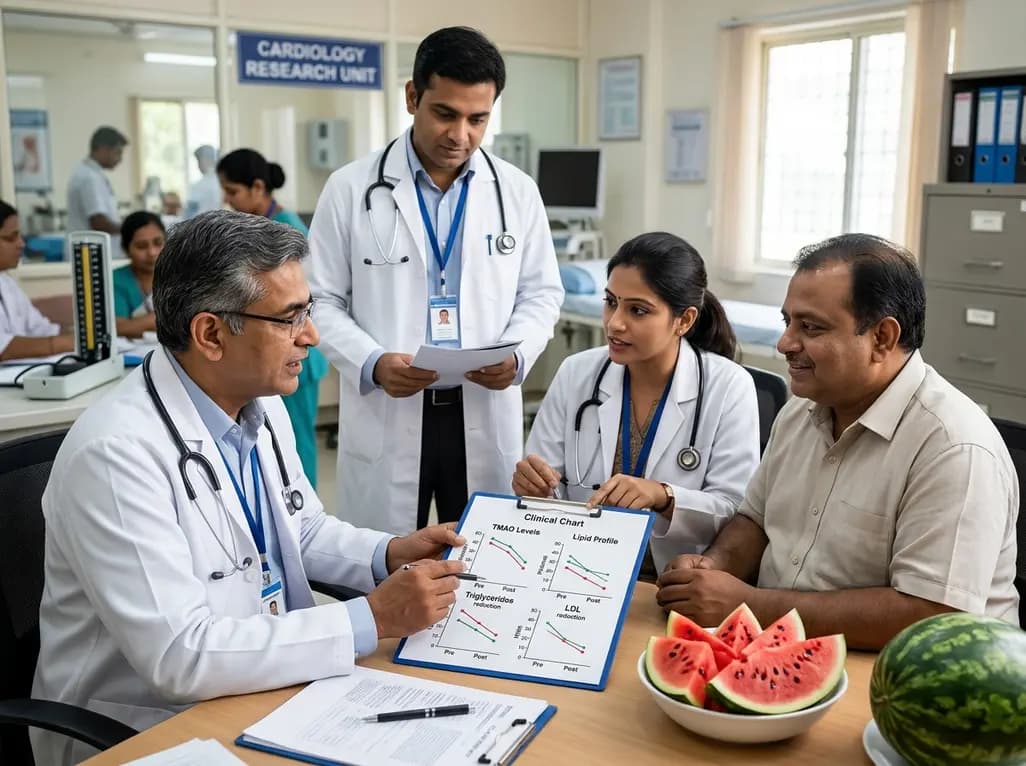
A randomized crossover trial reveals that daily fresh watermelon consumption significantly reduces baseline TMAO levels and favorably modulates lipid profiles, lowering triglycerides and LDL cholesterol in adults with overweight and obesity.
Today
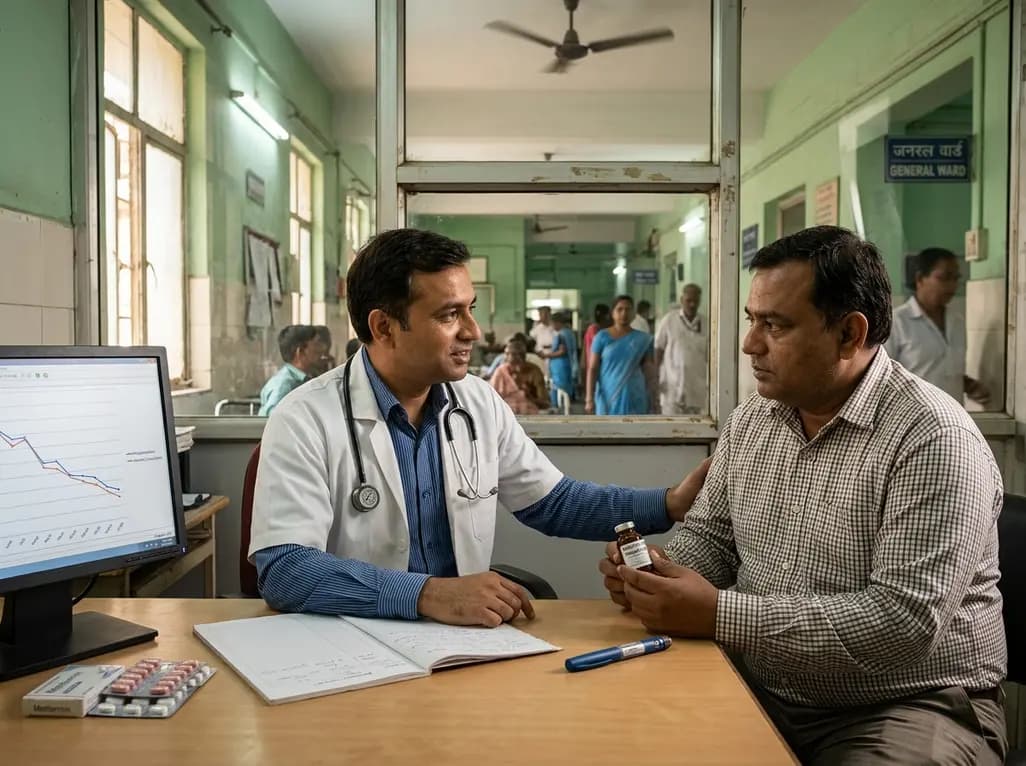
A large-scale retrospective cohort study demonstrates that GLP-1 receptor agonists significantly reduce all-cause hospitalizations, alcohol-related admissions, major cardiovascular events, and mortality in patients with overweight or obesity and alcohol use disorder, providing profound clinical insights.
Today
