.webp&w=384&q=75)

Loading, please wait...
Loading, please wait...
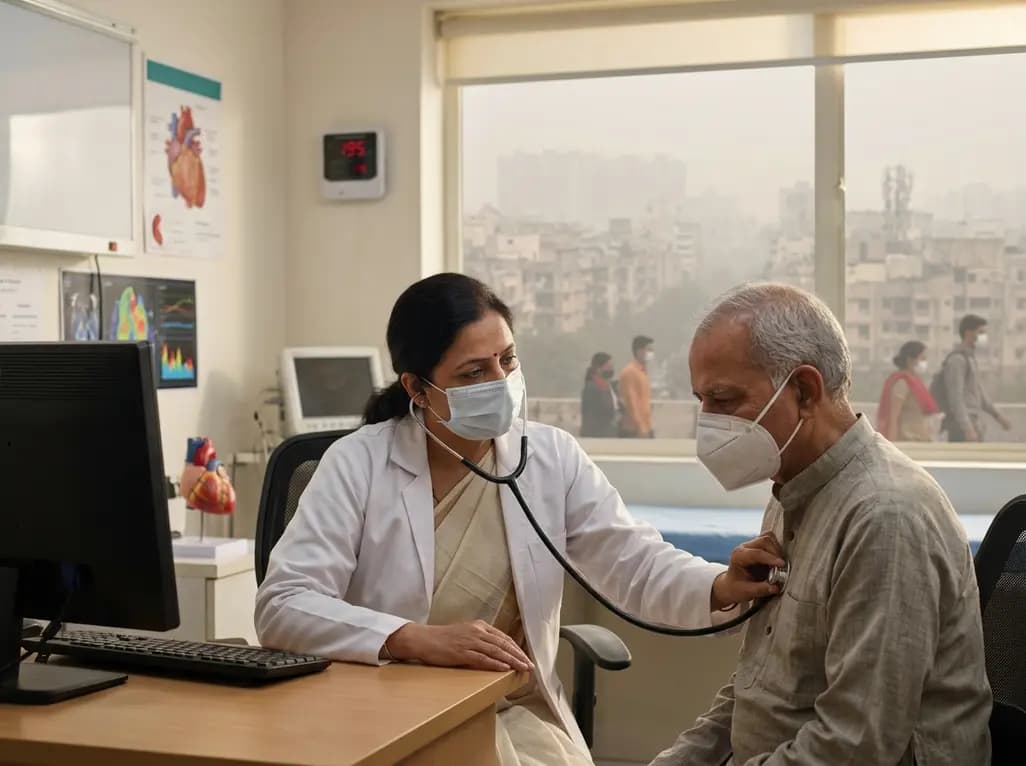
The ambient PM2.5 health burden represents a critical challenge for global aging populations. Exposure to fine particulate matter significantly increases the risk of chronic conditions. Older adults aged 65 and older are particularly vulnerable to these environmental stressors. Consequently, researchers have analyzed three decades of data to understand the shifting landscape of non-communicable diseases (NCDs).
Between 1990 and 2021, the absolute numbers of deaths and disability-adjusted life years (DALYs) rose sharply. Specifically, NCD deaths jumped by 125.56%, while DALYs increased by 127.05%. In 2021 alone, ambient PM2.5 caused approximately 3.32 million deaths in the elderly globally. Cardiovascular diseases emerged as the primary cause of this morbidity. However, the age-standardized mortality rate actually showed a slight downward trend. This paradox occurs because the global population is aging more rapidly than pollution levels are falling. Therefore, more people live into the age brackets where they are most susceptible.
Projections for the next decade suggest that the health crisis will likely intensify. Researchers expect total deaths and DALYs to increase by over 50% by 2031. This trend persists even if age-standardized rates remain relatively stable. Furthermore, the burden is notably higher among males and those living in middle Socio-demographic Index (SDI) regions. Health systems must therefore adapt to manage an increasing volume of pollution-related chronic diseases. Moreover, targeted public health policies are necessary to mitigate these environmental risks for the most vulnerable. While local air quality improvements help, the combined impact of urbanization and aging requires broader interventions.
Cardiovascular diseases (CVDs) are the leading cause of deaths and disability-adjusted life years (DALYs) attributable to ambient air pollution in this demographic. Respiratory conditions and other chronic non-communicable diseases also contribute significantly.
The total number of deaths is rising because the global population of adults over 65 is growing. Even though the risk per individual (standardized rate) has decreased slightly since 1990, there are far more elderly individuals exposed today.
Disclaimer: This content is for informational and educational purposes only. It does not constitute professional medical advice, diagnosis, or treatment. Always seek the advice of your physician or other qualified health provider with any questions you may have regarding a medical condition. Refer to the latest local and national guidelines for clinical practice.
References
Zheng Z et al. Global burden of non-communicable diseases attributable to ambient fine particulate matter pollution in adults aged 65 years and older from 1990 to 2021. QJM. 2026 Jun 10. doi: undefined. PMID: 42268677.
World Health Organization. Ambient (outdoor) air pollution. Published October 24, 2024.
Health Effects Institute. State of Global Air 2024. Special Report. Boston, MA: Health Effects Institute. 2024.

Read summarized clinical updates, watch expert medical content, and earn CME certifications right from your smartphone.
Open your smartphone camera to scan and install.





A comprehensive study on the global burden of NCDs from 1990 to 2021 reveals that absolute deaths from ambient PM2.5 in adults aged 65 and older have surged by over 125%, despite falling age-standardized rates. This burden is projected to rise another 50% by 2031, with CVD as the leading cause.
4 months ago

Recent epidemiological data reveals a dramatic surge in summer heat mortality driven by human-induced climate warming. This analysis explores the pathophysiological impacts on cardiac and renal systems, diagnostic dilemmas in death certification, and essential emergency cooling protocols for acute clinical care.
Today
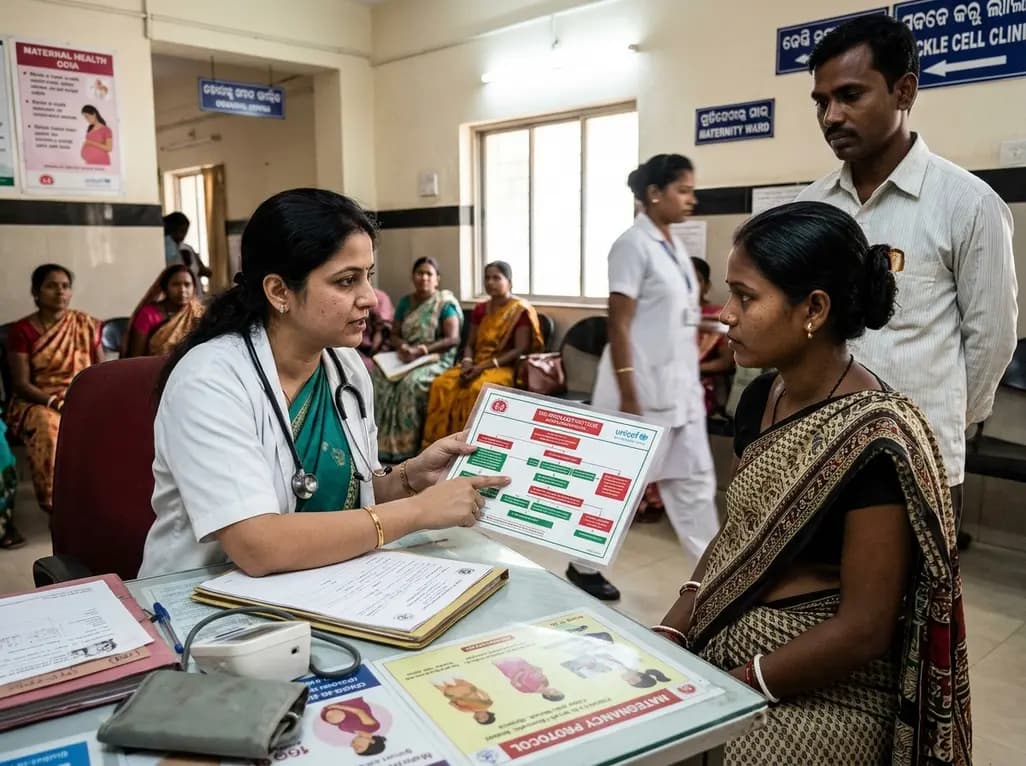
Odisha has established India's first state-level clinical protocol specifically tailored for pregnant women with sickle cell disease. Developed with NHM and UNICEF, the framework provides structured antenatal screening, crisis mitigation, standardized referral pathways, and specialized interdisciplinary care.
Today

India is advancing preventive healthcare by integrating genomics, artificial intelligence, and quantum technologies. With the SANGAM programme sequencing one million Indian genomes, clinicians can unlock personalized therapies, detect cardiometabolic risks early, and curb the burden of diabetes and heart disease.
Today
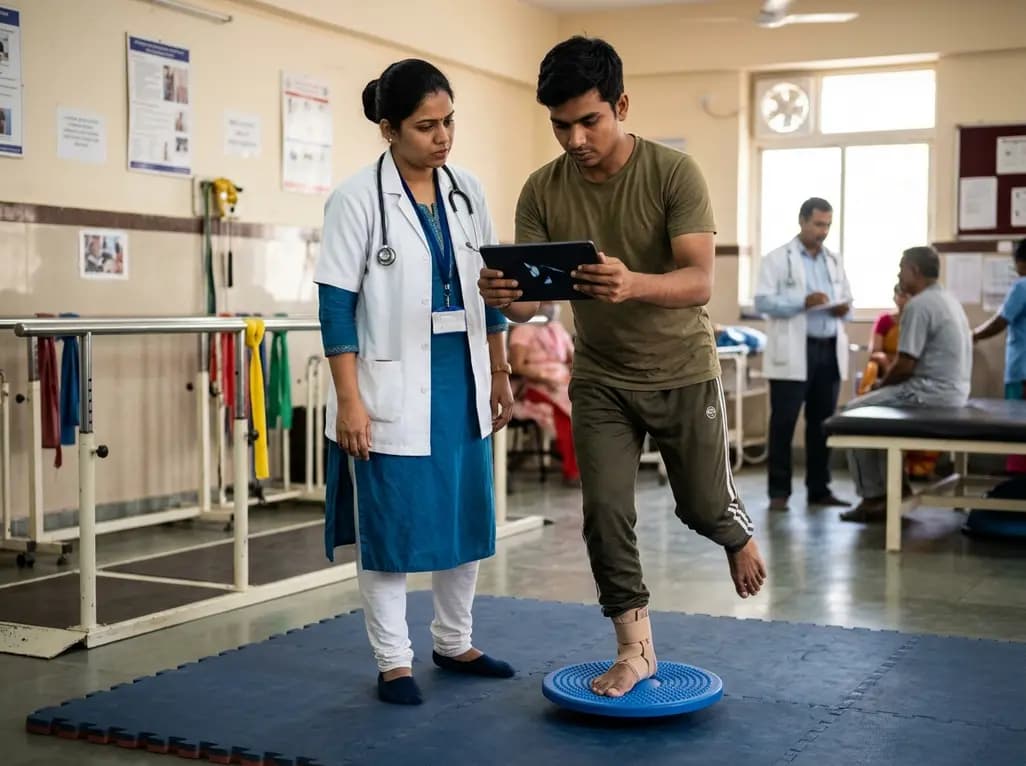
A randomized controlled trial demonstrates that an eight-week dual-task training intervention significantly improves static and dynamic postural control over standard balance exercises in individuals with chronic ankle instability, addressing critical neurocognitive deficits during athletic and daily activities.
Today

A retrospective cohort study of 7,716 ICU patients from the MIMIC-IV database demonstrates that Gradient Boosting Decision Trees significantly outperform traditional SOFA scores in predicting in-hospital mortality among patients with sepsis and diabetes, with SHAP analysis providing clinical interpretability.
Today
