.webp&w=384&q=75)

Loading, please wait...
Loading, please wait...

Amyotrophic lateral sclerosis (ALS) presents complex ALS management challenges that differ significantly across various healthcare systems. A recent multi-country online survey involving 294 neurologists from the Republic of Bashkortostan (Russia), Belarus, and Kazakhstan offers a profound look into these hurdles. Furthermore, the findings highlight substantial gaps in diagnosis, therapy, and palliative support that frequently mirror the difficulties experienced by clinicians in other regions with emerging healthcare infrastructures. Because ALS is a rapidly progressive neurodegenerative disease, identifying these barriers is essential for improving patient outcomes globally.
The survey results indicate that early and accurate diagnosis remains a primary obstacle. Specifically, over half of the participating neurologists (58.2%) reported diagnosing ALS less than once per year, which may contribute to a lack of clinical familiarity with the disease. Additionally, 62.6% of respondents cited limited access to electromyography (EMG) as a major diagnostic barrier. Another significant issue was the lack of specialized ALS centers, a concern for 37.8% of the physicians surveyed. Consequently, these factors often lead to prolonged diagnostic delays, preventing patients from receiving timely interventions that could potentially preserve quality of life.
Regarding treatment, the study revealed a notable underutilization of approved disease-modifying therapies. While 48% of physicians prescribed riluzole, a much smaller fraction (12.9%) used edaravone. Moreover, the rates of supportive interventions were critically low. The survey highlighted insufficient provision of respiratory support and gastrostomy tube placement, both of which are cornerstone treatments for managing bulbar and respiratory symptoms. Therefore, addressing these ALS management challenges requires not only better drug accessibility but also a shift toward comprehensive multidisciplinary care models.
To bridge these gaps, neurologists suggested several improvements, including the establishment of regional ALS centers and enhanced professional training. Similarly, clinicians in India and other developing nations advocate for the inclusion of ALS in national rare disease policies to facilitate better funding and resource allocation. By streamlining the referral process and increasing the availability of specialized diagnostic tools, healthcare systems can reduce the burden on both patients and caregivers. Ultimately, international collaboration remains vital for standardized care protocols that address the unique socio-economic barriers found in different regions.
The most common barriers include limited access to specialized investigations like electromyography (EMG), a lack of dedicated ALS centers, and infrequent clinical exposure to the disease among general neurologists.
Low utilization is often driven by high costs, limited drug availability in national formularies, and a lack of clinical guidelines tailored to local resource constraints.
A multidisciplinary approach ensures that respiratory, nutritional, and psychological needs are addressed simultaneously, which has been shown to improve survival and quality of life more effectively than fragmented care.
Disclaimer: This content is for informational and educational purposes only. It does not constitute medical advice or a substitute for professional healthcare. Always consult with a qualified specialist for diagnosis and treatment. Refer to the latest local and national guidelines for clinical practice.
References
Pervushina EV et al. Challenges in medical care for amyotrophic lateral sclerosis: a survey of physicians from Republic of Bashkortostan (Russia), Belarus, and Kazakhstan. Amyotroph Lateral Scler Frontotemporal Degener. 2026 Apr 15. doi: 10.1080/21678421.2026.2652327. PMID: 41985161.
PACTALS consortium. Pan-Asian consortium for treatment and research in ALS (PACTALS) guidelines for management of amyotrophic lateral sclerosis. Lancet Reg Health West Pac. 2025 Sep 16;62:101684.
Surya N. et al. Amyotrophic Lateral Sclerosis: A Indian Perspective on Diagnosis and Palliative Support. Indian Journal of Palliative Care. 2024;30(1):45-52.
"
Read summarized clinical updates, watch expert medical content, and earn CME certifications right from your smartphone.
Open your smartphone camera to scan and install.





A survey of 294 neurologists highlights critical barriers in ALS care, including limited EMG access and low use of respiratory support and disease-modifying...
6 months ago
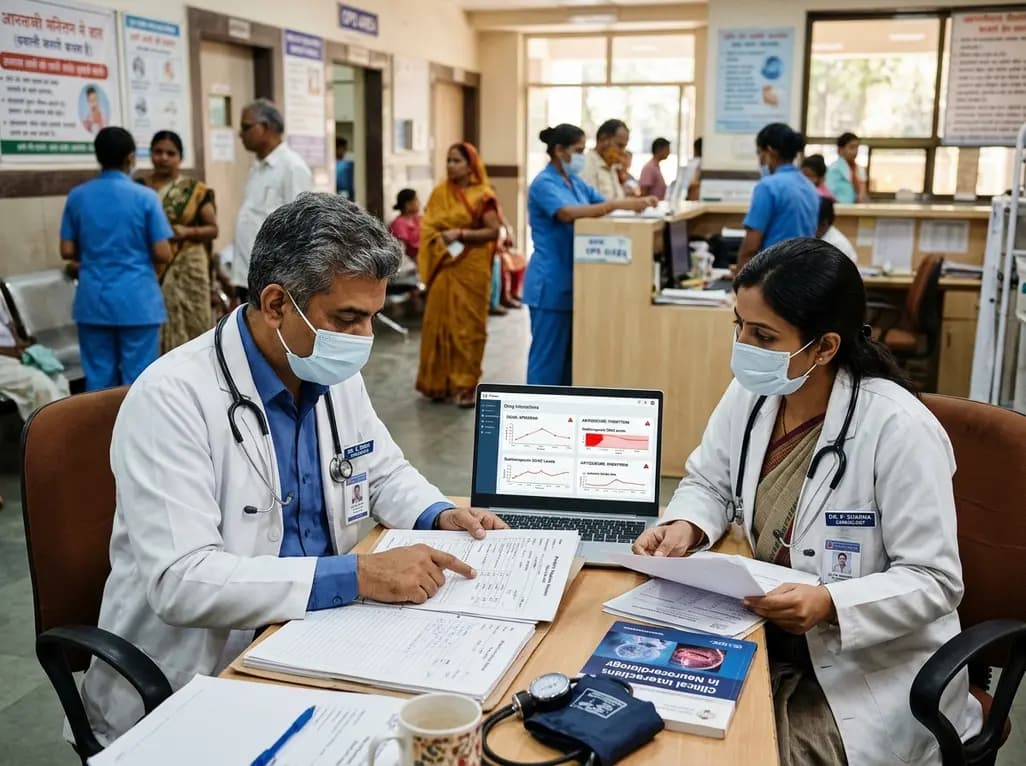
Co-administering antiseizure medications and DOACs frequently causes pharmacokinetic interactions, subtherapeutic drug levels, and thromboembolic failures. This review highlights enzyme induction risks, unpredictable outcomes with levetiracetam, and the vital role of therapeutic drug monitoring.
Today

Demanding exhaustive hormonal profiling can inadvertently discourage clinical studies involving females. Methodological standards must align with the specific scientific question to expand, not restrict, equitable evidence for women.
Today
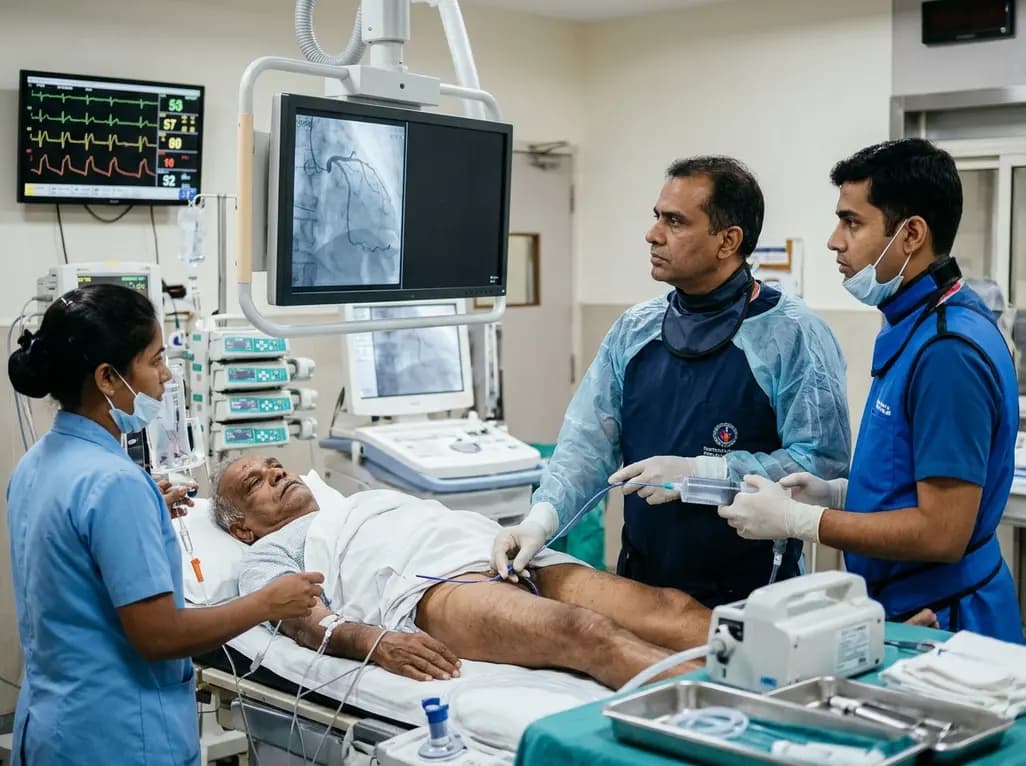
An elderly man with partially repaired Tetralogy of Fallot presented with STEMI caused by coronary embolism rather than atherosclerosis. Successful treatment with sustained mechanical aspiration thrombectomy underscores the vital need for high clinical vigilance in adult congenital heart disease.
Today
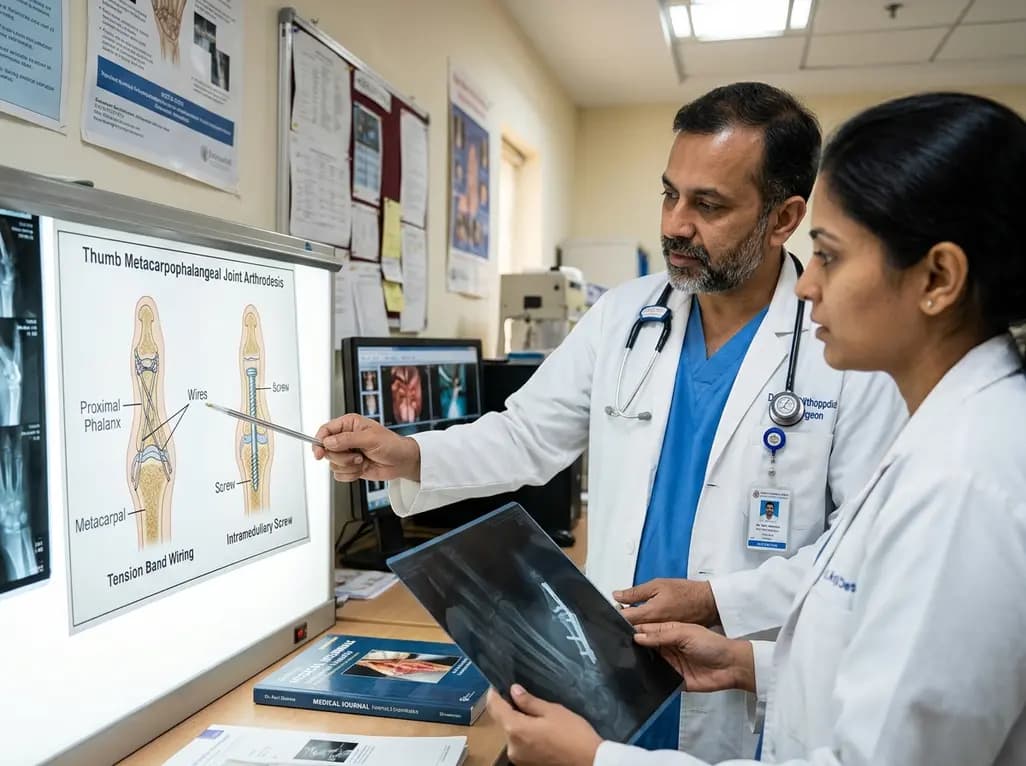
A comparative review of tension band wiring and intramedullary screw fixation in thumb metacarpophalangeal arthrodesis, evaluating union rates, hardware complications, and clinical outcomes.
Today

Following regulatory scrutiny from FSSAI regarding promotional representations and lean muscle preservation claims, Dr. Reddy's Laboratories and Nestlé Health Science are currently reviewing the branding and marketing strategy for their joint nutritional supplement Celevida GLP+.
Today
