

Loading, please wait...
Loading, please wait...
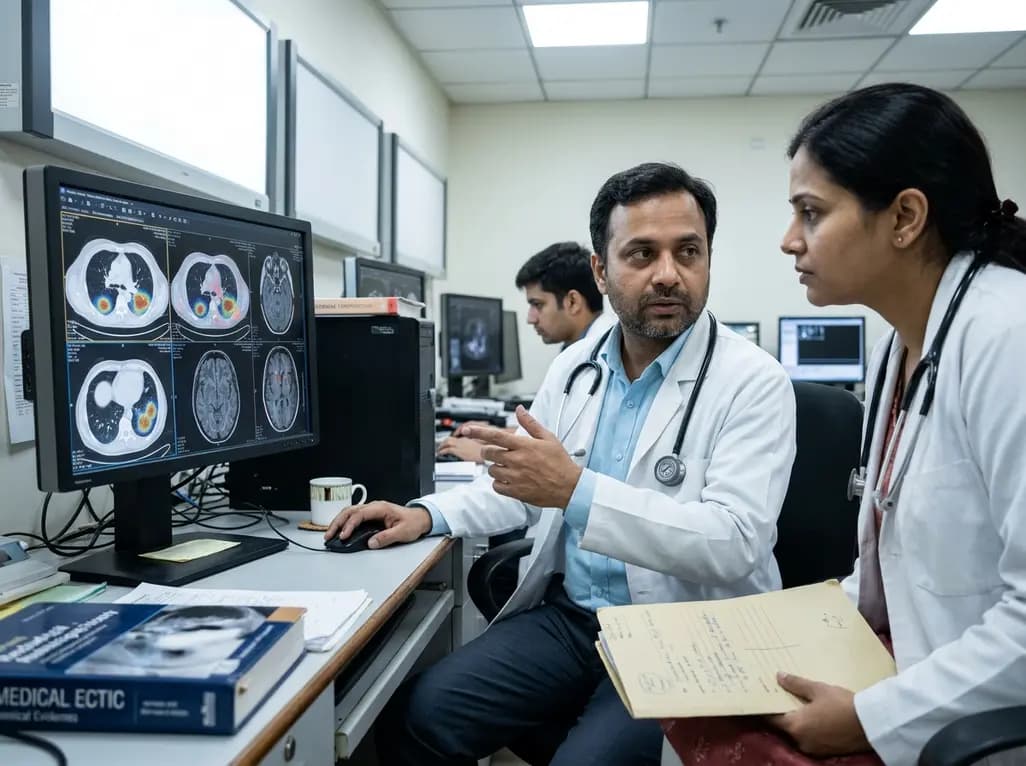
In modern clinical practice, algorithmic radiology ethics represents a crucial frontier for diagnostic specialists and healthcare systems worldwide. Artificial intelligence platforms now perform rapid pattern recognition, anatomical segmentation, and probabilistic disease classification with remarkable precision. These computational systems process immense imaging volumes without human fatigue or perceptual degradation. Consequently, many health technologists argue that autonomous software might soon replace primary diagnostic tasks. However, computational performance alone cannot encompass the full scope of medical imaging practice. Historically, radiological medicine fused quantitative computation and moral accountability within the single persona of the treating physician. Modern machine learning models execute processing tasks with impressive mathematical consistency. Yet, algorithms operate solely across statistical parameters, abstract weights, and pixel matrices. They cannot appreciate patient suffering, clinical uncertainty, or the moral gravity of a life-altering finding. Therefore, contemporary medicine must separate computational image processing from human clinical presence. By isolating these parallel dimensions, clinicians can better understand how diagnostic technology transforms patient care. Furthermore, recognizing this fundamental division safeguards the human core of diagnostic medicine against unchecked automation. Ultimately, processing remains a technical achievement, while healing demands genuine human connection.
To understand the limits of automated diagnostics, clinicians must distinguish data processing from human witnessing. Processing involves objective data conversion, numerical calculation, and automated feature extraction from radiological voxels. In contrast, witnessing represents an active moral posture rooted in philosophical ethics and clinical empathy. Drawing upon the ethical philosophy of Emmanuel Levinas, medical practice fundamentally constitutes an address between vulnerable persons. A patient presents with frailty, pain, and fear, thereby issuing an unspoken moral claim upon the clinician. A computational algorithm calculates pixel density and outlines lesions, but it cannot experience this moral encounter. It cannot feel claimed by another human being's vulnerability. Instead, the machine merely generates mathematical output based on prior training distributions. The human radiologist, however, encounters the patient's lived reality beneath the digitized imaging series. As a narrative creature, or homo narratus, the physician contextualizes objective abnormalities within a coherent biography. Furthermore, the practitioner assumes personal responsibility for the diagnostic interpretation. This moral dimension transcends mere perceptual accuracy. Consequently, while automated engines handle processing with speed, only human clinicians provide authentic witnessing. This ethical distinction establishes an unbridgeable boundary between computational output and clinical stewardship.
As automated algorithms absorb perceptual filtering, witnessing relocates into mediated clinical channels rather than vanishing from practice. The primary channel emerges through the narrative composition of the formal diagnostic report. A machine learning model identifies measurable densities and assigns diagnostic probability scores. However, the radiologist transforms raw findings into nuanced, contextually aware clinical interpretations. Through thoughtful linguistic phrasing, the specialist articulates degrees of clinical suspicion, differential diagnoses, and investigative caution. For instance, the radiologist weighs ambiguous features against the patient’s comorbidities, previous surgical history, and acute presentation. In addition, witnessing flourishes during direct dialogue between radiologists and referring clinicians. Complex medical scenarios regularly demand active interdisciplinary deliberation between hospital teams and imaging specialists. During multidisciplinary tumor boards, physicians discuss algorithmic heat maps alongside patient frailty, personal preferences, and holistic goals. Algorithmic outputs cannot defend their reasoning or negotiate clinical tradeoffs. In contrast, the radiologist clarifies technical ambiguity and helps determine the most compassionate path forward. Consequently, diagnostic consultation becomes a shared ethical undertaking rather than a passive data handoff. Through these collaborative interactions, clinicians actively protect patient dignity and clinical safety.
The next vital channel of witnessing emerges in the definitive act of institutional endorsement. When a radiologist attaches an electronic signature to an imaging report, that act conveys profound professional responsibility. Algorithms generate automated recommendations, but they cannot accept liability, blame, or moral accountability. If an algorithm overlooks an obscure pulmonary nodule, the software experiences neither guilt nor professional consequence. In contrast, the human physician stakes personal reputation, legal standing, and ethical integrity on every signed interpretation. This signature serves as an institutional guarantee that a qualified professional reviewed the computational findings. Furthermore, regulatory frameworks in clinical governance, including Indian healthcare standards, firmly mandate human oversight for high-stakes diagnostics. Institutional endorsement protects patients against algorithmic drift, dataset biases, and unvetted software hallucinations. Clinicians must actively verify, critique, and occasionally reject computational recommendations. Therefore, the signature represents far more than an administrative sign-off; it constitutes a solemn ethical promise to the vulnerable patient. By endorsing the report, the clinician formally enters into a fiduciary compact with the individual. Consequently, human accountability remains the true bedrock of diagnostic integrity.
Because artificial intelligence alters diagnostic workflows, medical educators must redesign future training programs accordingly. Traditional radiology curricula focused heavily on rote visual search patterns and mechanical lesion detection. However, as software systems master these processing functions, residency programs must elevate competencies in witnessing and ethical deliberation. Trainees need robust education in narrative medicine, interprofessional communication, and critical algorithmic literacy. Specifically, future radiologists must learn how to audit artificial intelligence tools, identify hidden statistical biases, and explain probabilistic results clearly. Moreover, medical schools must teach students to embrace their identities as moral witnesses rather than mere image processors. Emphasizing narrative competence ensures that clinicians can translate complex computational datasets into empathetic patient-centered care. In addition, academic institutions should foster multidisciplinary ethics seminars that explore the societal impacts of clinical automation. By cultivating these relational and philosophical skills, medical education prepares clinicians to lead healthcare safely into the digital age. Ultimately, technical innovation must serve human compassion, ensuring that technological progress enriches the moral fabric of patient care. In this evolving landscape, ethical physicians remain entirely indispensable.
Algorithmic processing focuses strictly on mathematical computation, pixel analysis, and probabilistic pattern classification within diagnostic images. In contrast, human witnessing embodies an active ethical responsibility toward the patient's physical vulnerability. While computational software processes data without empathy or moral awareness, the human radiologist interprets medical findings within the patient's personal life context. Consequently, witnessing transforms raw quantitative measurements into compassionate, legally accountable medical care that protects patient dignity.
The radiologist's electronic signature provides essential institutional endorsement and establishes clear legal accountability for the diagnostic interpretation. Although artificial intelligence algorithms can highlight subtle abnormalities, they cannot assume moral or legal liability for misdiagnoses. By formally signing the diagnostic report, the human physician validates the algorithmic output and assumes personal responsibility for patient outcomes. Therefore, the signature serves as an indispensable ethical guarantee protecting patients from unmonitored computational errors.
Medical training programs must shift their focus from mechanical perceptual tasks toward narrative competence, algorithmic literacy, and interprofessional communication. While automated systems readily handle repetitive image processing, residents require advanced skills to evaluate software biases and oversee machine predictions. Furthermore, educators must emphasize ethics and clinical dialogue, preparing trainees to act as compassionate witnesses. Consequently, modernized curricula ensure that future radiologists effectively integrate diagnostic technology while maintaining human-centered patient advocacy.
Disclaimer: This content is for informational and educational purposes only and does not constitute formal medical advice. Refer to the latest local and national guidelines for clinical practice.
References

Read summarized clinical updates, watch expert medical content, and earn CME certifications right from your smartphone.
Open your smartphone camera to scan and install.





This article examines algorithmic radiology ethics by distinguishing computational image processing from human witnessing, highlighting clinical narrative, professional accountability, and the physician's ethical role.
Today
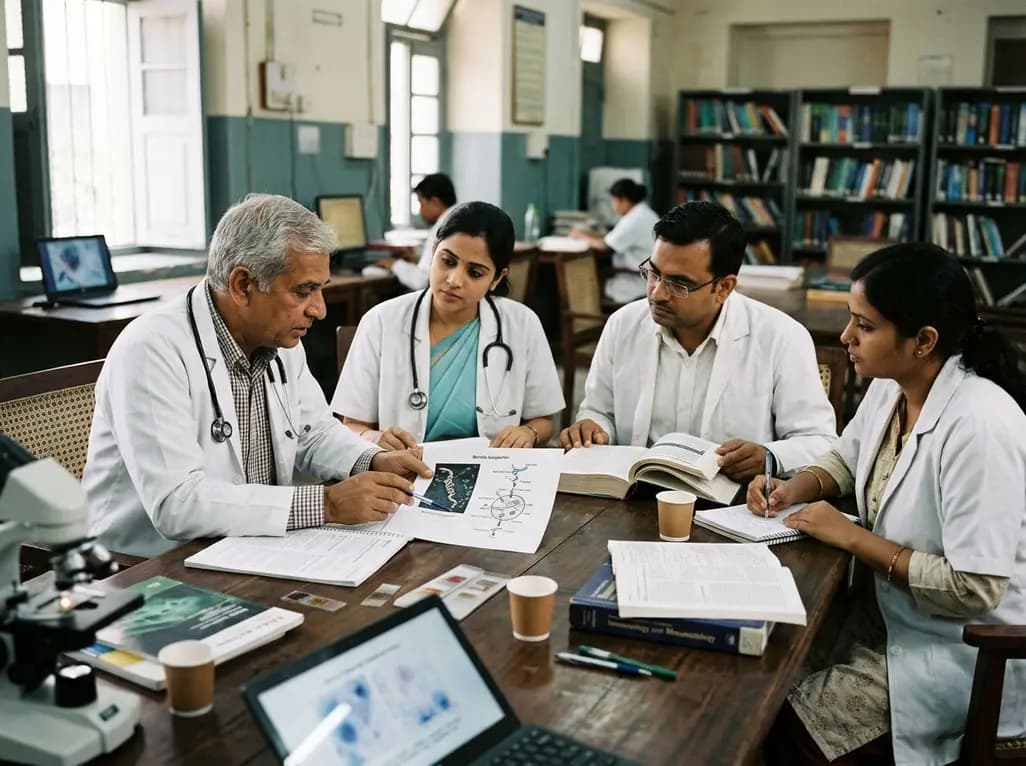
A review explores whether Borrelia burgdorferi peptidoglycan persists to drive postinfectious Lyme arthritis via NOD2 sensing. Although mouse models show cell wall persistence, human evidence remains unconfirmed, highlighting the need for validated biomarkers and targeted anti-inflammatory strategies.
Today
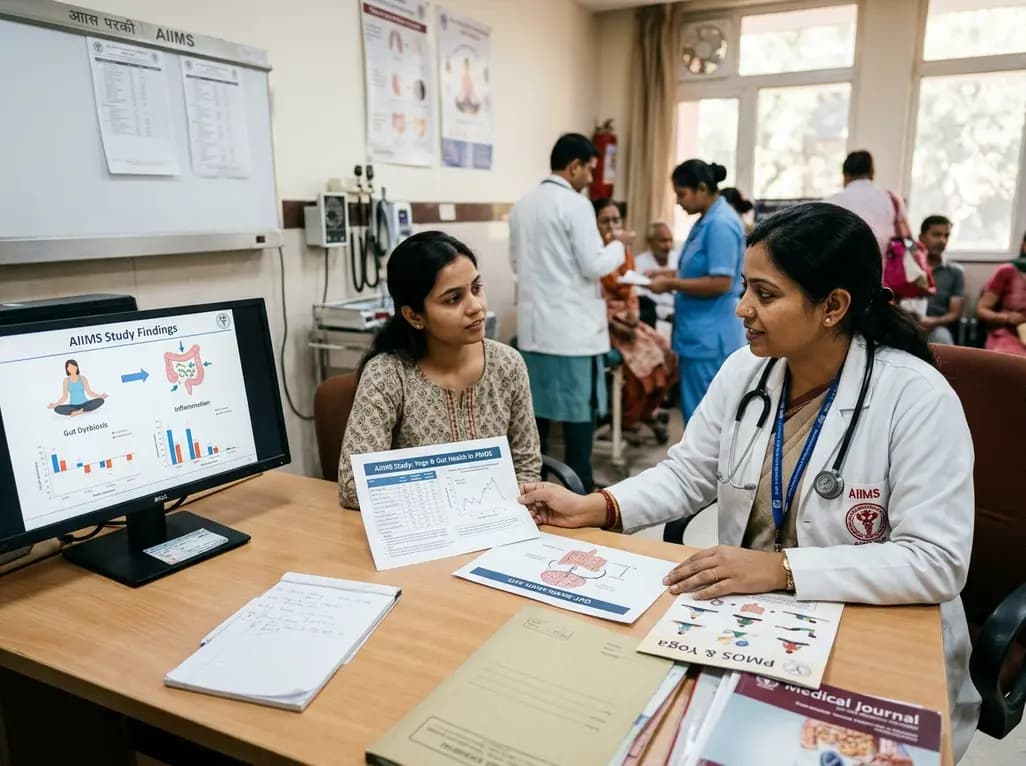
AIIMS researchers suggest yoga may alleviate gut dysbiosis in Polyendocrine Metabolic Ovarian Syndrome (PMOS) by modulating the gut-brain axis, lowering chronic inflammation, and enhancing parasympathetic tone to support metabolic and hormonal equilibrium.
Today
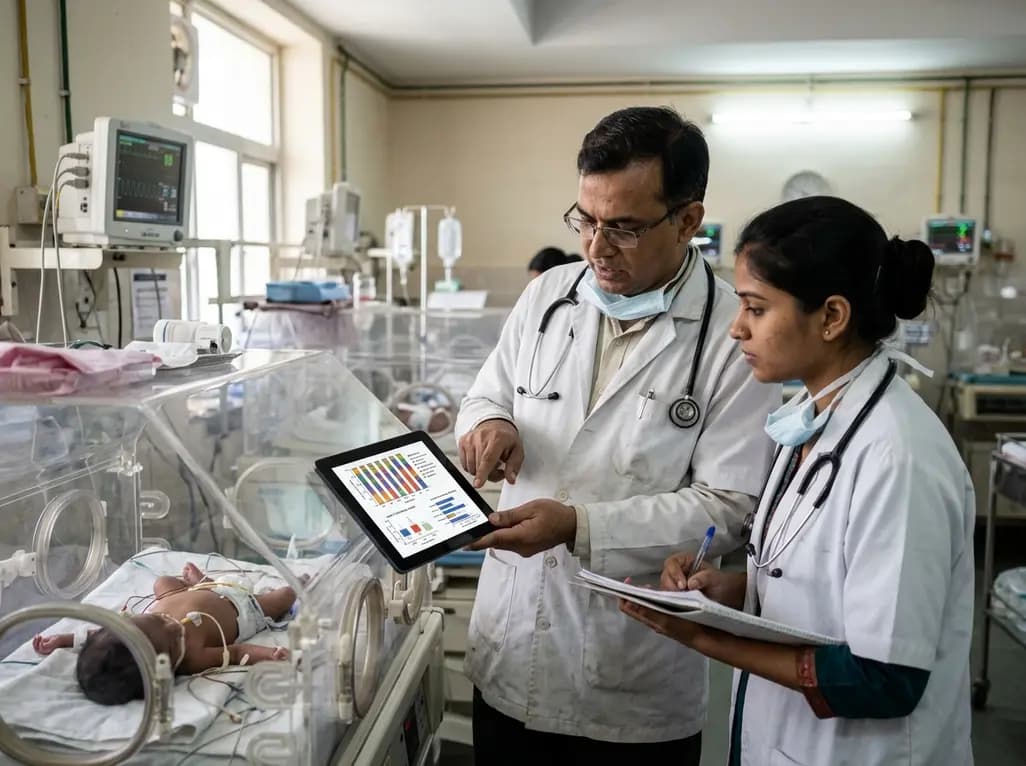
A prospective cohort study demonstrates that feeding tubes, formula exposure, aortic cross-clamp duration, and socioeconomic deprivation disrupt the neonatal gut microbiome in congenital heart disease, emphasizing the need for targeted nutritional and perioperative gut-protective strategies.
Today
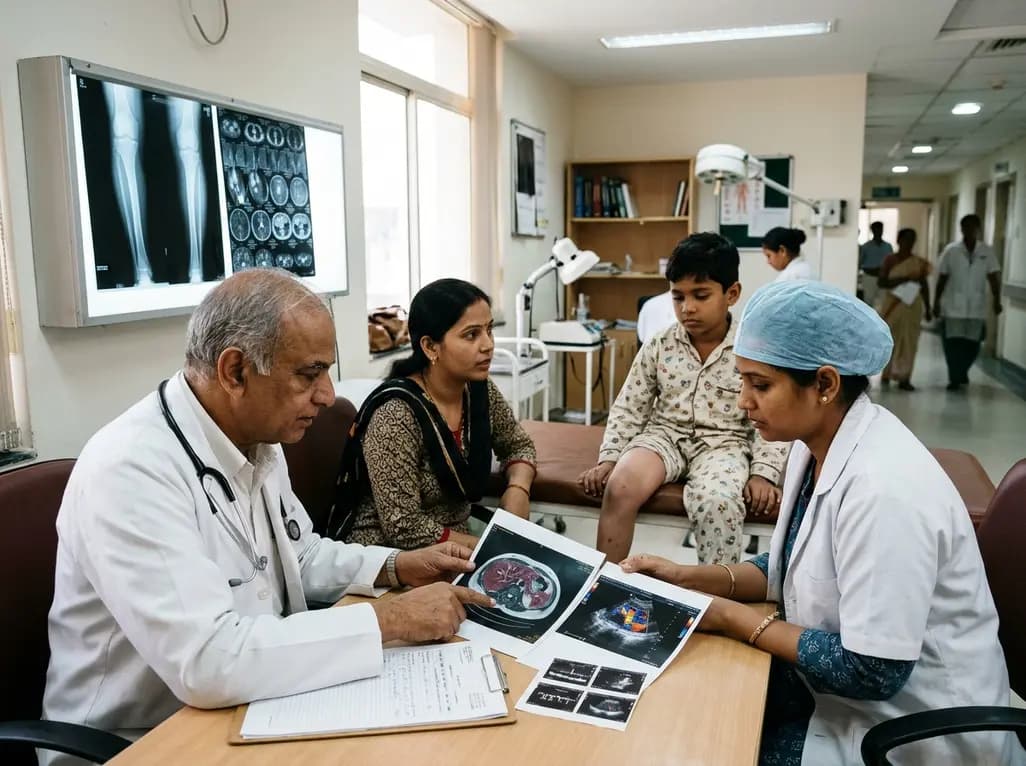
Deep intramuscular vascular malformations in pediatric Klippel-Trenaunay syndrome can mimic Maffucci syndrome. Multimodality imaging with Doppler ultrasound and MRI, along with histopathology, ensures prompt differential diagnosis, targeted surgical debulking, and optimized conservative surveillance.
Yesterday
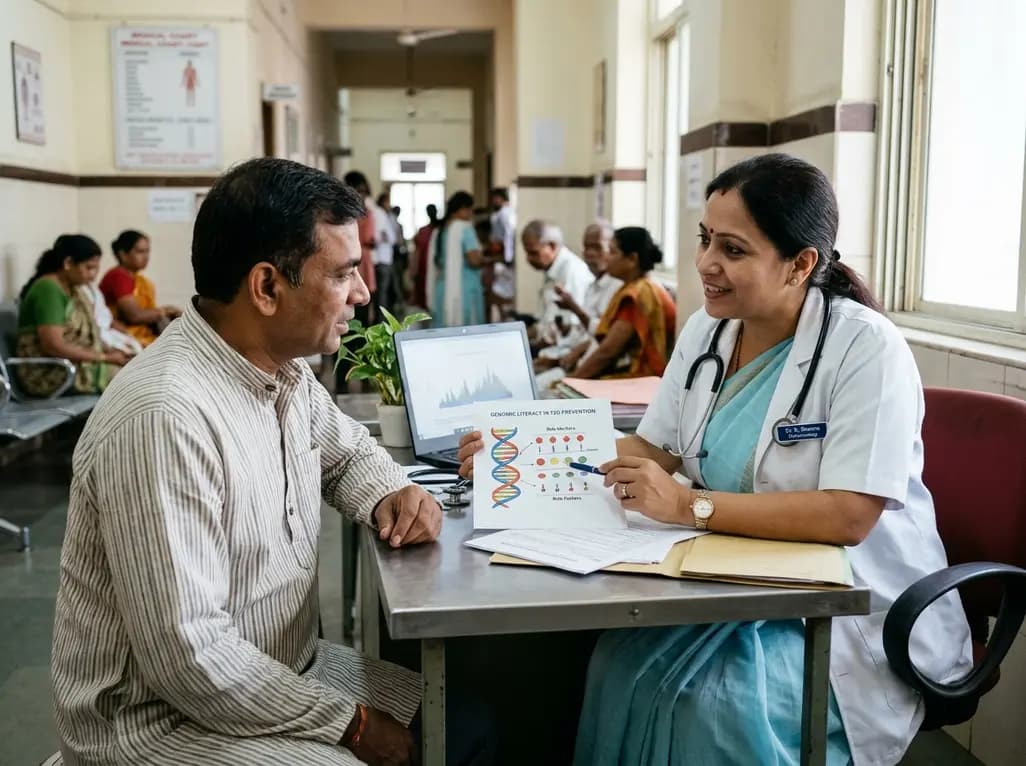
A longitudinal feasibility pilot study highlights that combining polygenic risk score disclosure with in-person lifestyle counseling significantly enhances genomic literacy in individuals at risk for type 2 diabetes, overcoming educational disparities and reinforcing patient motivation.
Today
