.webp&w=384&q=75)

Loading, please wait...
Loading, please wait...
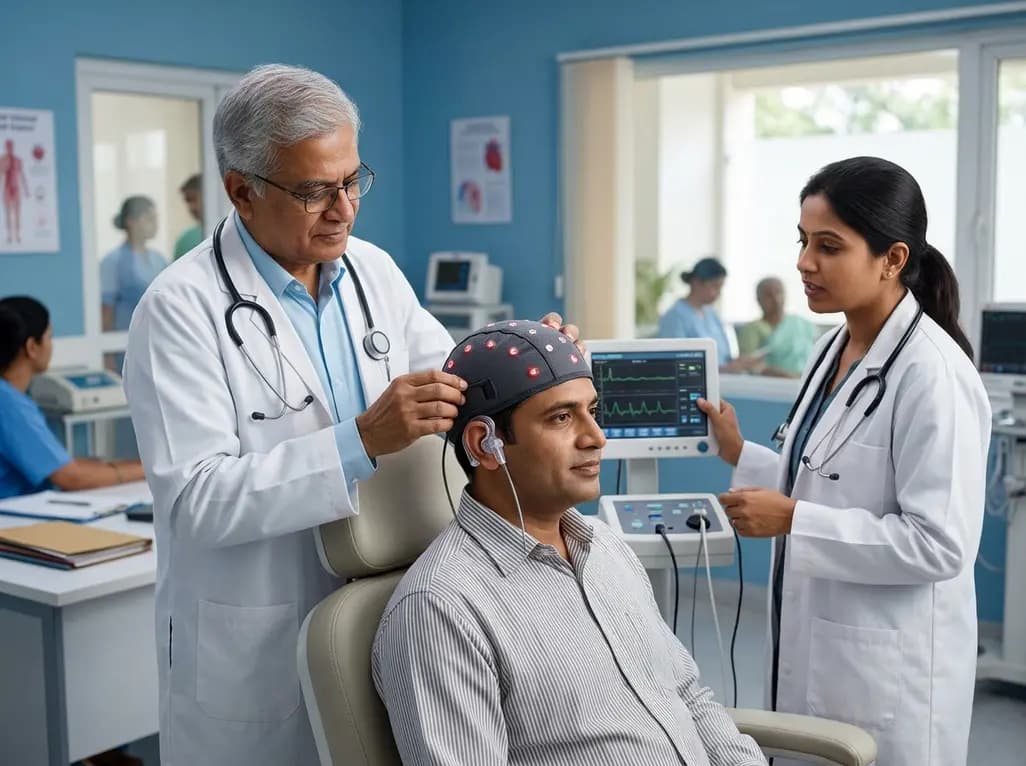
Managing the urge to drink is a fundamental challenge in addiction recovery. Recent clinical research has highlighted the potential of alcohol craving reduction through noninvasive neuromodulation techniques. The study compared transcranial photobiomodulation (tPBM) and transauricular vagus nerve stimulation (taVNS) to understand their impact on subclinical alcohol use. These technologies target specific neural circuits through cortical and subcortical mechanisms, offering a promising alternative to traditional pharmacological interventions.
In this randomized trial, sixty participants self-administered their assigned stimulation five times per week for five weeks. The primary focus was the change in craving levels measured by the Pennsylvania Alcohol Craving Scale (PACS). Results indicated that both the tPBM group and the combined tPBM + taVNS group achieved significant reductions in craving. However, the group receiving only taVNS did not show a statistically significant decrease in primary craving scores.
While taVNS alone was less effective for direct craving, it provided secondary benefits. Participants in the taVNS group reported substantial improvements in anxiety levels and sleep quality. This suggests that vagus nerve stimulation helps regulate the autonomic nervous system and emotional states. Interestingly, only the combined tPBM + taVNS group demonstrated a significant reduction in actual alcohol consumption. This finding implies that a dual-target approach may be necessary to change behavioral patterns effectively.
The study utilized portable home devices, allowing participants to integrate 15-minute treatment sessions into their daily routines. Because these methods are non-invasive and have minimal side effects, they represent a significant step forward in digital therapeutics for addiction. Clinicians may find these tools useful as adjunctive therapies to support long-term abstinence and prevent relapse.
Yes, transcranial photobiomodulation (tPBM) has shown significant efficacy in reducing the intensity of alcohol cravings by stimulating cortical regions associated with cognitive control and reward regulation.
Although taVNS may not directly reduce cravings as much as tPBM, it improves secondary outcomes like anxiety and sleep. These improvements are crucial because stress and poor sleep are major triggers for alcohol relapse.
Combining both therapies targets both the cortex and the subcortical stress systems. Research indicates this combination is particularly effective at reducing total alcohol consumption, not just the subjective desire to drink.
Disclaimer: This content is for informational and educational purposes only. It does not constitute medical advice or a substitute for professional healthcare. Refer to the latest local and national guidelines for clinical practice.
References
Kwon M et al. The effectiveness of transcranial photobiomodulation therapy (tPBM) and transauricular vagus nerve stimulation (taVNS) on reducing alcohol craving. Neurotherapeutics. 2026 Jun 08. doi: undefined. PMID: 42258987.
Chung D et al. Light Therapy Reduces Alcohol Cravings Without Medication — Promising Digital Treatment Demonstrated in Joint Clinical Trials. UNIST News. 2025 Aug 27.
He W et al. Transauricular Vagus Nerve Stimulation (taVNS) for Substance Use Disorders: A Review. Frontiers in Neuroscience. 2023.

Read summarized clinical updates, watch expert medical content, and earn CME certifications right from your smartphone.
Open your smartphone camera to scan and install.





New research shows that tPBM and combined tPBM+taVNS therapy significantly reduce alcohol cravings, while taVNS alone improves anxiety and sleep quality....
4 months ago

India is advancing preventive healthcare by integrating genomics, artificial intelligence, and quantum technologies. With the SANGAM programme sequencing one million Indian genomes, clinicians can unlock personalized therapies, detect cardiometabolic risks early, and curb the burden of diabetes and heart disease.
Today
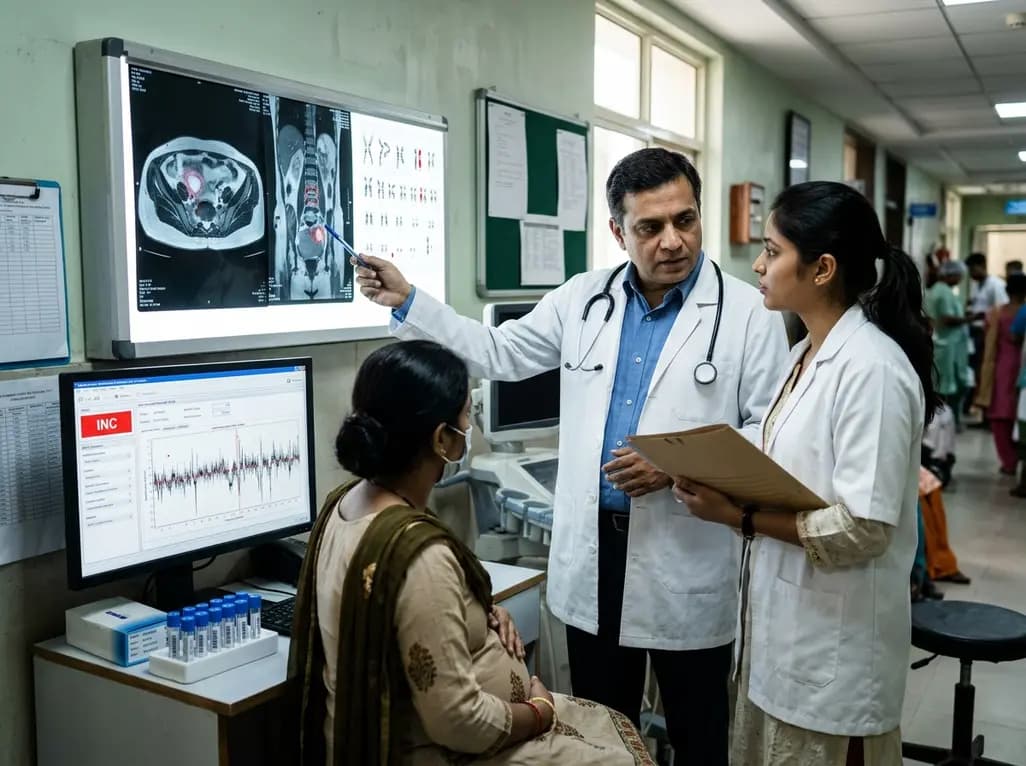
Occult maternal malignancy accounts for 3.82% of persistent unreportable NIPT results with genomic noise. Multiple chromosomal aberrations, notably on chromosome 18, warrant thorough oncological evaluation and whole-body MRI to ensure timely maternal diagnosis while preserving fetal care.
Today

This article reviews the forensic and clinical complexities of acute myocarditis arising on left ventricular hypertrophy in children, highlighting early diagnostic red flags and multidisciplinary postmortem autopsy protocols.
Today

A randomized controlled trial demonstrates that an eight-week dual-task training intervention significantly improves static and dynamic postural control over standard balance exercises in individuals with chronic ankle instability, addressing critical neurocognitive deficits during athletic and daily activities.
Today

A retrospective cohort study of 7,716 ICU patients from the MIMIC-IV database demonstrates that Gradient Boosting Decision Trees significantly outperform traditional SOFA scores in predicting in-hospital mortality among patients with sepsis and diabetes, with SHAP analysis providing clinical interpretability.
Today
