.webp&w=384&q=75)

Loading, please wait...
Loading, please wait...

The 2022 maternal mortality rate in Alabama reached 38.6 per 100,000 live births. This alarming figure represents the third highest rate in the United States. Consequently, health authorities have intensified efforts to understand why these deaths occur. Central to these efforts are Maternal Mortality Review Committees (MMRCs). These multidisciplinary teams evaluate deaths to classify them as pregnancy-related or pregnancy-associated. Understanding Maternal Autopsy Program Significance is crucial because accurate data drives better policy and clinical interventions for women.
However, MMRCs often face difficulties when diagnostic information is incomplete. Autopsy remains the gold standard for determining the cause of death. Unfortunately, high costs and limited access to forensic specialists frequently hinder its use. In Alabama, the MMRC discovered that only about 42% of decedents underwent an autopsy. This lack of data meant the committee could not determine pregnancy relatedness in nearly 20% of cases. Therefore, establishing a systematic approach to post-mortem examinations became a public health priority.
To bridge the diagnostic gap, the Alabama Maternal Autopsy Program was launched in 2023. This statewide initiative ensures free access to autopsy services for all deaths occurring during or within one year of pregnancy. Furthermore, the program standardizes diagnostic procedures to improve accuracy across different jurisdictions. By removing financial and logistical barriers, the state empowers pathologists to uncover complex causes of death. Consequently, the program provides actionable data for preventing future tragedies.
The implementation of this program highlights a growing trend in public health toward systemic accountability. Notably, it addresses the challenges of rural healthcare access. In India, where maternal mortality remains a significant priority, similar standardized protocols could prove transformative for clinical practice. Although India utilizes "verbal autopsies" in many regions, clinical autopsies offer a much higher level of precision. In addition, better data allows healthcare providers to refine protocols for hemorrhage, sepsis, and cardiovascular complications.
Autopsies allow forensic pathologists to identify complex physiological causes of death that are not always visible through medical records alone. This level of detail is essential for Maternal Mortality Review Committees to provide specific, life-saving recommendations.
The program provides high-quality data that helps identify trends in maternal mortality. By understanding whether a death was truly pregnancy-related, policymakers can direct funding and resources to the most effective prevention strategies, such as improved postpartum monitoring or emergency obstetric care training.
Disclaimer: This content is for informational and educational purposes only. It does not constitute medical advice or a professional opinion. Refer to the latest local and national guidelines for clinical practice.
References
Benson PV et al. Development and Implementation of a Statewide Maternal Autopsy Program in Alabama. Obstet Gynecol. 2026 Mar 26. doi: 10.1097/AOG.0000000000006249. PMID: 41886760.
National Institutes of Health. Mothers Shouldn't Die: Significant Decline in Maternal Mortality in India. Available at: https://www.ncbi.nlm.nih.gov/pmc/articles/PMC10226543/
Alabama Department of Public Health. Maternal Autopsy Program Overview. Available at: https://www.alabamapublichealth.gov/perinatal/mmr-program.html

Read summarized clinical updates, watch expert medical content, and earn CME certifications right from your smartphone.
Open your smartphone camera to scan and install.





Alabama launched a statewide Maternal Autopsy Program to improve cause-of-death accuracy and develop better recommendations to reduce maternal mortality rat...
6 months ago
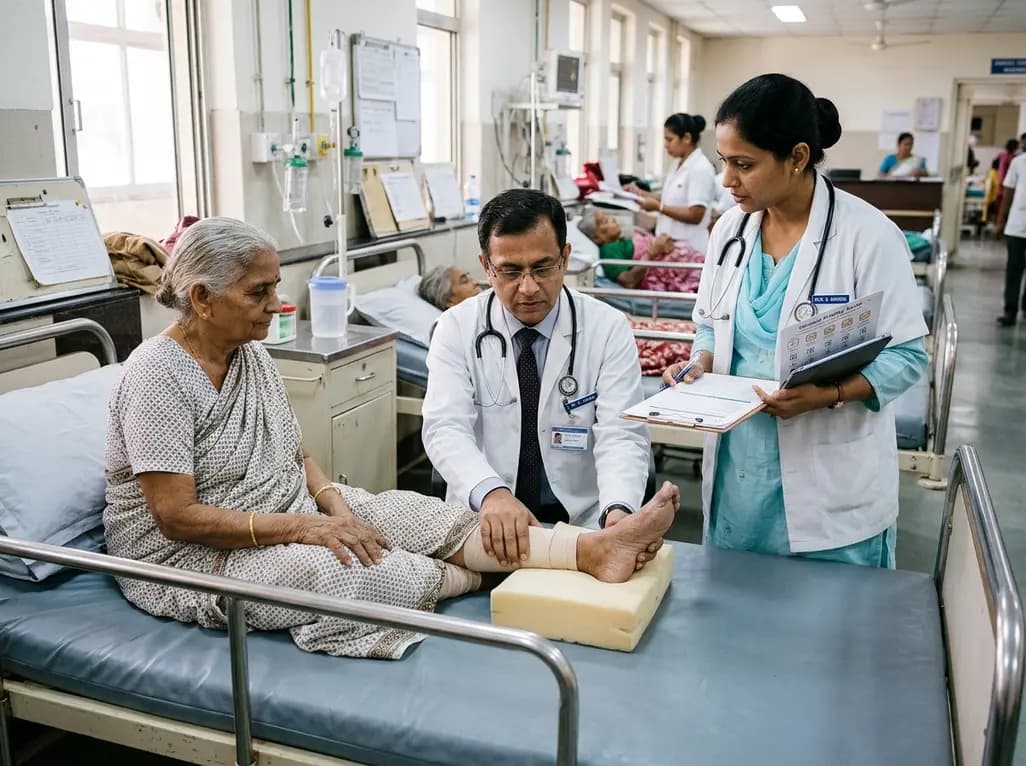
A retrospective cohort study reveals that frailty quadruples the odds of pressure injuries in hospitalized older adults. Integrating the Clinical Frailty Scale with comprehensive geriatric care is crucial for identifying vulnerability early and implementing targeted multidisciplinary prevention.
Today
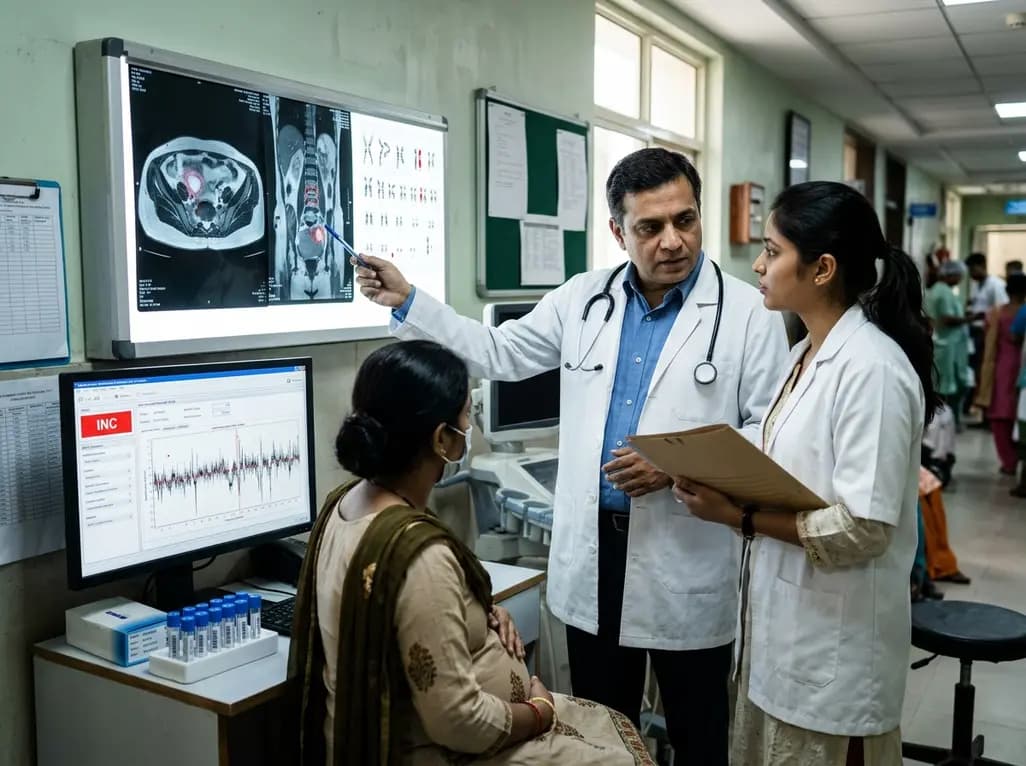
Occult maternal malignancy accounts for 3.82% of persistent unreportable NIPT results with genomic noise. Multiple chromosomal aberrations, notably on chromosome 18, warrant thorough oncological evaluation and whole-body MRI to ensure timely maternal diagnosis while preserving fetal care.
Today
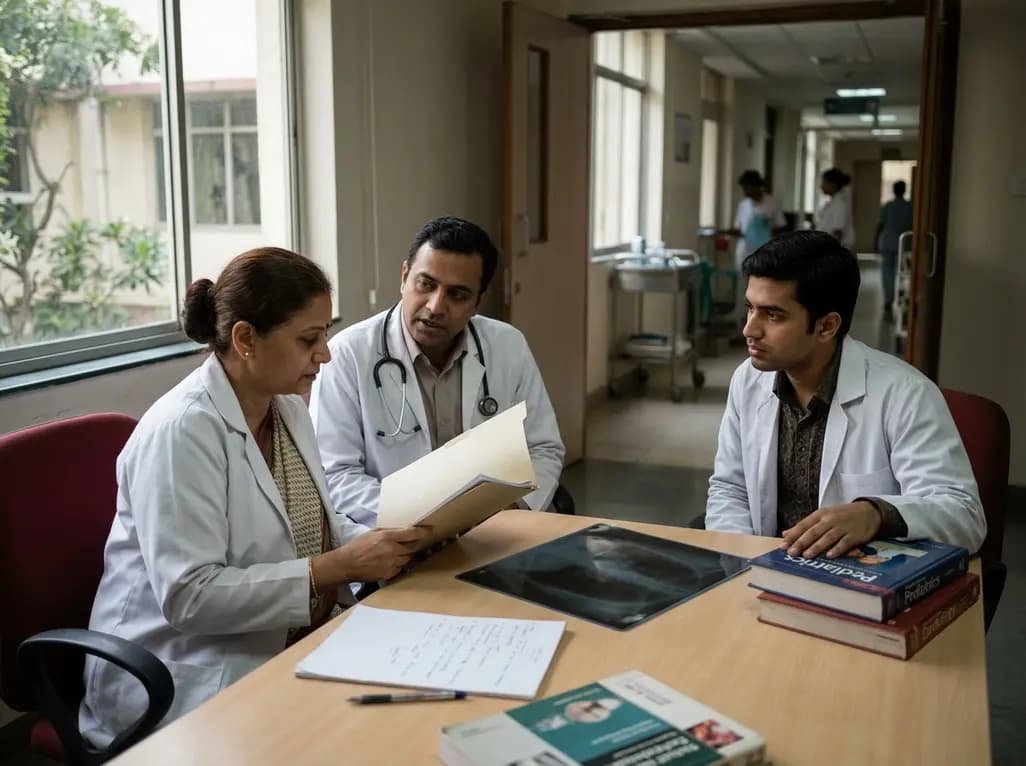
This article reviews the forensic and clinical complexities of acute myocarditis arising on left ventricular hypertrophy in children, highlighting early diagnostic red flags and multidisciplinary postmortem autopsy protocols.
Today

A randomized controlled trial demonstrates that an eight-week dual-task training intervention significantly improves static and dynamic postural control over standard balance exercises in individuals with chronic ankle instability, addressing critical neurocognitive deficits during athletic and daily activities.
Today

A retrospective cohort study of 7,716 ICU patients from the MIMIC-IV database demonstrates that Gradient Boosting Decision Trees significantly outperform traditional SOFA scores in predicting in-hospital mortality among patients with sepsis and diabetes, with SHAP analysis providing clinical interpretability.
Today
