.webp&w=384&q=75)

Loading, please wait...
Loading, please wait...

A five-year-old boy recently regained his hearing at AIIMS New Delhi through a rare Auditory Brainstem Implant. This landmark procedure marks the first time a child has undergone this complex surgery at the institute. Initially, the child lost his hearing following a severe bout of meningitis as a toddler. Since conventional cochlear implants were unsuitable due to auditory nerve damage, specialists opted for an ABI to bypass the damaged pathways. Consequently, the child is now responding to environmental sounds and developing clearer speech.
The Auditory Brainstem Implant is typically reserved for patients where the auditory nerve is non-functional, damaged, or entirely absent. Unlike cochlear implants that stimulate the cochlea, an ABI directly stimulates the hearing centers within the brainstem. Furthermore, successful outcomes depend heavily on intensive post-operative speech therapy and long-term rehabilitation. Therefore, the medical team emphasizes that device activation is only the first step. Patients require consistent support to interpret new electrical signals as meaningful sound. This technology offers hope for children with congenital nerve abnormalities or those with ossified cochleae following infection.
Early intervention remains the most effective strategy to manage pediatric hearing loss in India. AIIMS has implemented universal newborn screening using Auditory Brainstem Response (ABR) or BERA tests for every delivery. If a baby fails the initial test, clinicians repeat the screening within 24 hours. Moreover, confirmatory testing must occur within the first month of life. Parents should watch for speech milestones, such as babbling "mama" or "dada" by six months. If a child ignores sounds by nine months, an immediate clinical evaluation is essential. However, many families delay seeking help due to prevailing myths about late talkers.
Hearing loss is a hidden disability that affects nearly 7% of the Indian population. For instance, simple issues like earwax or middle ear infections cause temporary loss in children. Conversely, nearly 40% of adults over 60 suffer from presbycusis, which is age-related hearing loss. Untreated hearing loss often leads to social withdrawal and potential cognitive decline among the elderly. Therefore, using hearing aids or seeking surgical intervention can significantly improve quality of life. Approximately 70% of hearing loss cases are preventable or treatable through timely medical care and public awareness.
Q1: What is the primary difference between a cochlear implant and an ABI?
A cochlear implant stimulates the auditory nerve within the inner ear. In contrast, an ABI bypasses the nerve entirely to stimulate the brainstem directly when the nerve is damaged.
Q2: When should a parent seek a professional hearing evaluation for their child?
Parents should seek help if a child does not respond to sounds or fails to reach speech milestones, such as babbling by six to nine months of age.
Q3: Is adult hearing loss treatable without major surgery?
Yes, many cases of adult hearing loss are manageable with hearing aids or simple treatments for infections, provided the condition is diagnosed early.
Disclaimer: This content is for informational and educational purposes only. It does not constitute medical advice or replace professional judgment. Refer to the latest local and national guidelines for clinical practice.
References

Read summarized clinical updates, watch expert medical content, and earn CME certifications right from your smartphone.
Open your smartphone camera to scan and install.





A 5-year-old at AIIMS receives a rare auditory brainstem implant to restore hearing after meningitis, highlighting the critical need for early screening in ...
7 months ago
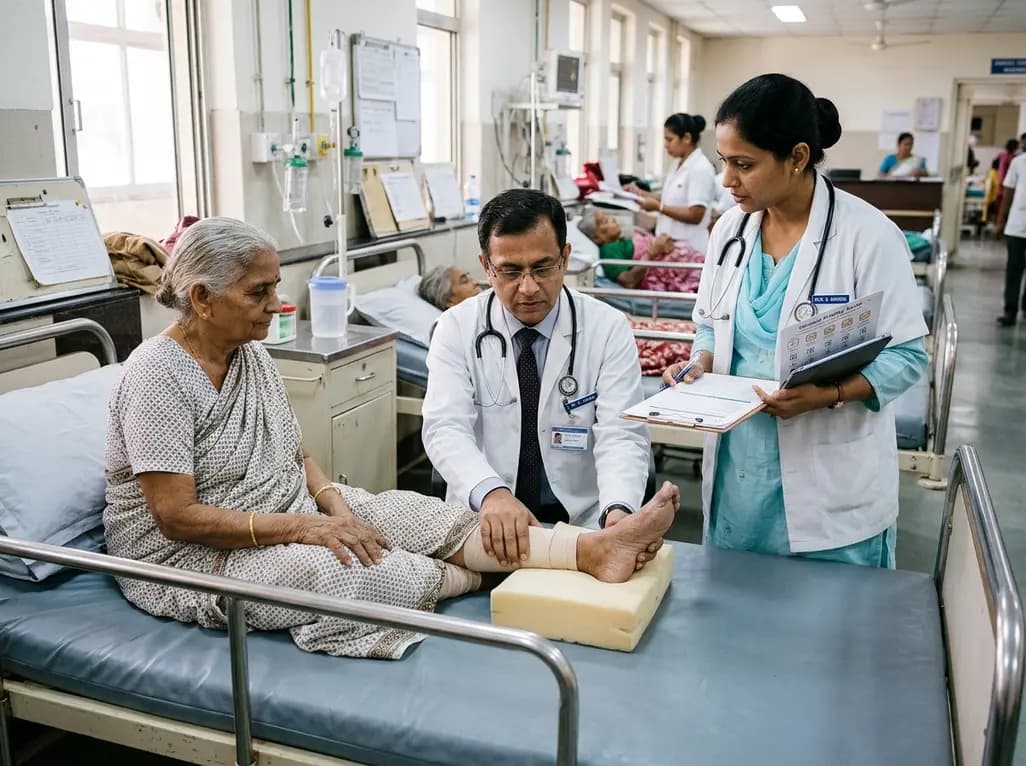
A retrospective cohort study reveals that frailty quadruples the odds of pressure injuries in hospitalized older adults. Integrating the Clinical Frailty Scale with comprehensive geriatric care is crucial for identifying vulnerability early and implementing targeted multidisciplinary prevention.
Today
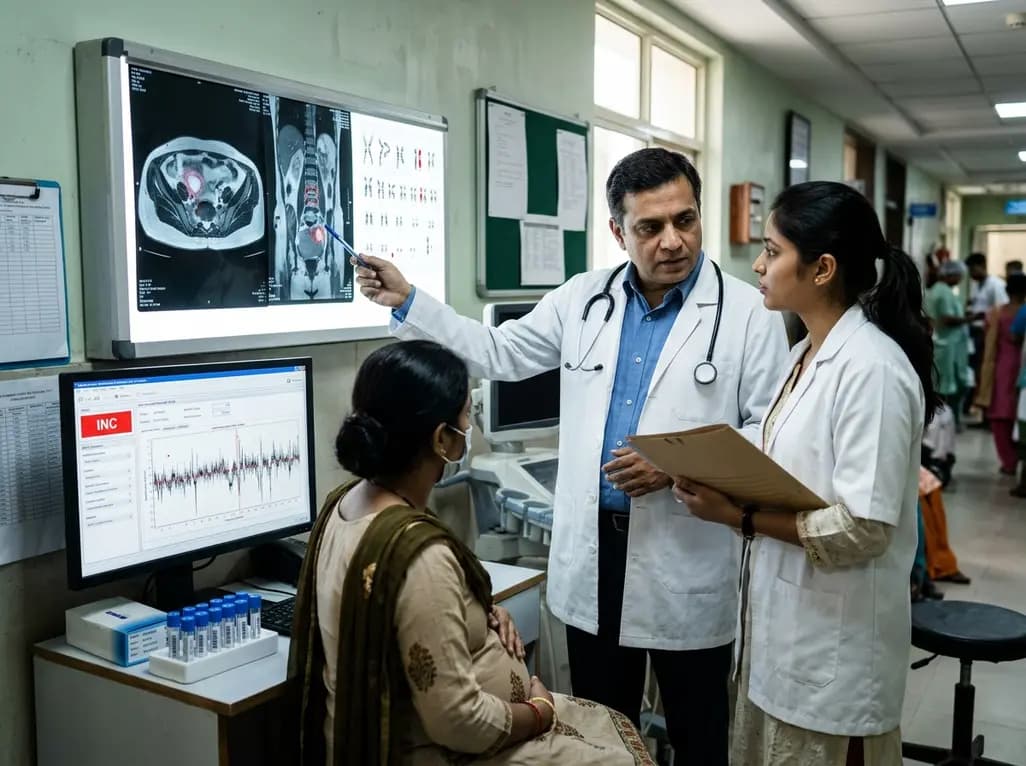
Occult maternal malignancy accounts for 3.82% of persistent unreportable NIPT results with genomic noise. Multiple chromosomal aberrations, notably on chromosome 18, warrant thorough oncological evaluation and whole-body MRI to ensure timely maternal diagnosis while preserving fetal care.
Today
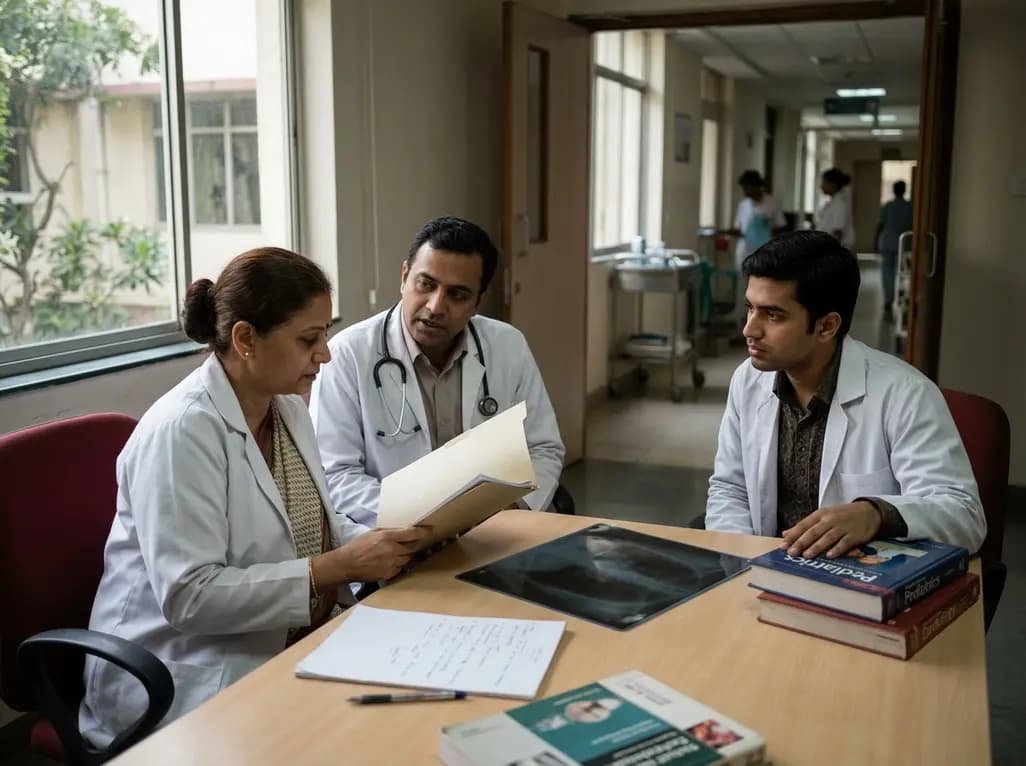
This article reviews the forensic and clinical complexities of acute myocarditis arising on left ventricular hypertrophy in children, highlighting early diagnostic red flags and multidisciplinary postmortem autopsy protocols.
Today
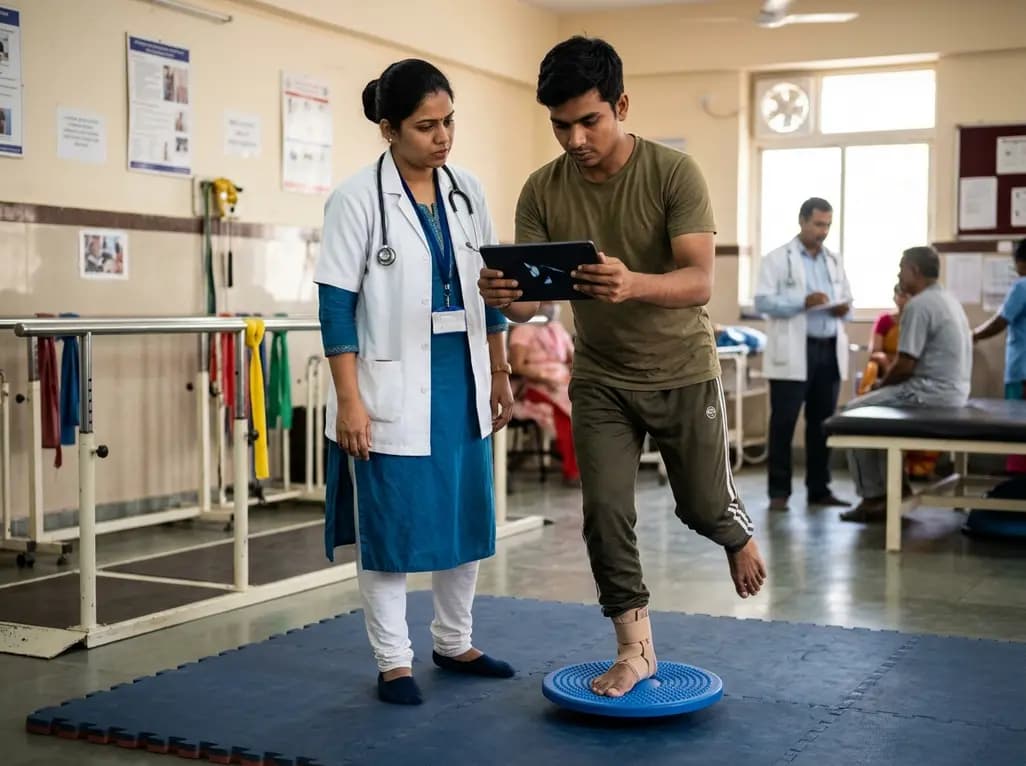
A randomized controlled trial demonstrates that an eight-week dual-task training intervention significantly improves static and dynamic postural control over standard balance exercises in individuals with chronic ankle instability, addressing critical neurocognitive deficits during athletic and daily activities.
Today

A retrospective cohort study of 7,716 ICU patients from the MIMIC-IV database demonstrates that Gradient Boosting Decision Trees significantly outperform traditional SOFA scores in predicting in-hospital mortality among patients with sepsis and diabetes, with SHAP analysis providing clinical interpretability.
Today
