.webp&w=384&q=75)

Loading, please wait...
Loading, please wait...
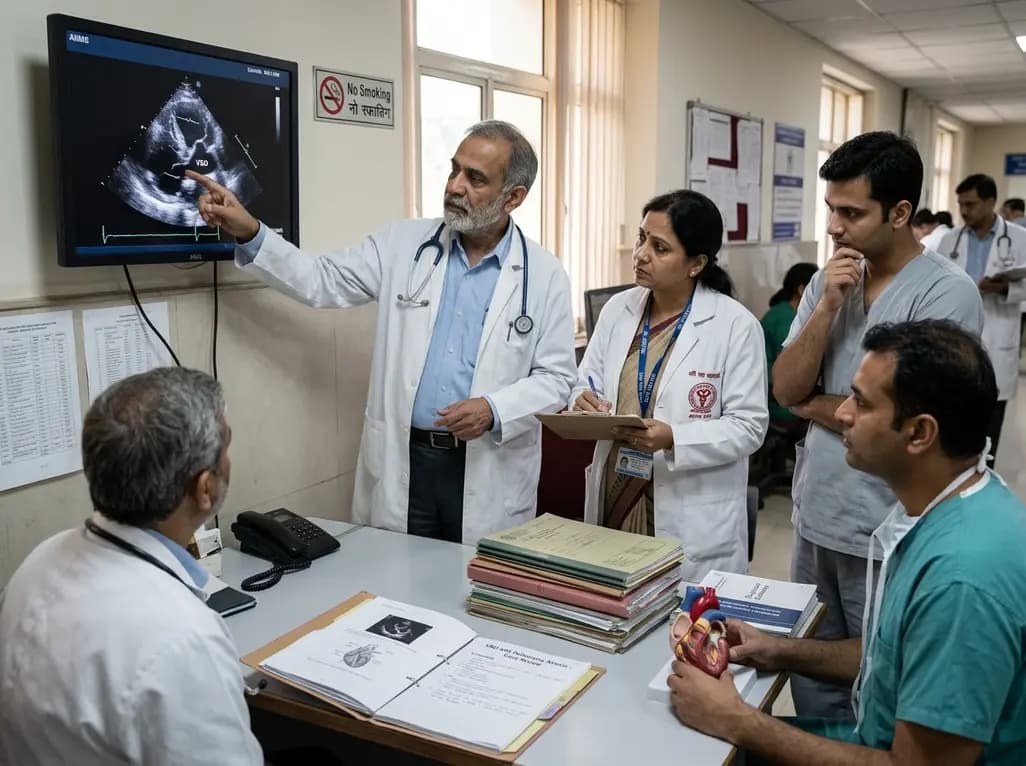
The recent inquiry committee at AIIMS New Delhi highlights critical challenges in managing complex congenital heart diseases. Clinicians evaluated a 15-year-old girl diagnosed with VSD with pulmonary atresia over multiple years before her fatal deterioration. In this lethal condition, pulmonary blood flow depends entirely on collateral vessels. Consequently, managing these fragile patients demands meticulous diagnostic evaluation, multidisciplinary collaboration, and empathetic communication.
Ventricular septal defect with pulmonary atresia represents an extreme morphological variant of tetralogy of Fallot. In this congenital anomaly, the normal muscular outflow tract fails to develop between the right ventricle and the pulmonary artery. Consequently, deoxygenated blood cannot reach the lungs through the native pulmonary trunk. Instead, pulmonary circulation relies on major aortopulmonary collateral arteries or a patent ductus arteriosus. Furthermore, these collateral vessels exhibit high structural variability and frequently develop progressive stenoses over time. As a result, blood supply across different lung segments becomes unequal and unpredictable. In addition, right ventricular afterload increases dramatically, promoting ventricular hypertrophy and progressive myocardial dysfunction. Pediatric cardiologists must carefully map the source, size, and course of every collateral vessel. When collaterals remain hypoplastic or arborize poorly, surgical rehabilitation becomes extremely hazardous. Therefore, clinicians encounter distinct hemodynamic subsets that range from severe hypoperfusion to progressive pulmonary vascular disease. Understanding this complex anatomy helps multidisciplinary teams anticipate acute hypoxemic episodes. Thus, precise and early anatomical definition remains pivotal for guiding both surgical interventions and long-term conservative care.
Determining surgical feasibility requires comprehensive multimodality imaging and invasive hemodynamic evaluations. Initially, pediatric teams utilize transthoracic echocardiography to detect the ventricular communication and examine aortic valve competence. However, cross-sectional echocardiography cannot adequately characterize distal pulmonary arborization or diminutive collateral channels. Therefore, clinicians must employ high-resolution computed tomography angiography alongside conventional cardiac catheterization. These advanced modalities measure mean pulmonary pressures, calculate pulmonary vascular resistance, and delineate vessel arborization across all lobes. In many patients, surgical unifocalization aims to combine collateral vessels into a unified neo-pulmonary artery before closing the ventricular defect. Nevertheless, severe peripheral stenoses or severely elevated pulmonary vascular resistance may render complete intracardiac repair impossible. In the AIIMS case, extensive catheter studies confirmed inoperability after evaluating vascular anatomy over several years. When corrective surgery poses prohibitive operative mortality, the heart team must transition to palliative medical therapy. Hence, repeated hemodynamic assessments help physicians objectively define boundaries between curative reconstruction and non-operative palliation. Clear documentation of these physiological limitations prevents unrealistic surgical expectations while optimizing supportive care pathways.
When anatomical limitations preclude corrective surgery, conservative medical management becomes the primary therapeutic strategy. Physicians must focus on preserving right ventricular function, maintaining oxygen transport, and preventing secondary systemic complications. For instance, chronic arterial hypoxemia triggers secondary erythrocytosis, which elevates blood viscosity and increases thromboembolic risks. Consequently, clinicians monitor hematocrit levels closely, balancing adequate tissue oxygenation against hyperviscosity syndrome. Doctors reserve phlebotomy strictly for symptomatic hyperviscosity accompanied by adequate volume replacement. In addition, patients require strict infective endocarditis prophylaxis during dental and surgical procedures to avoid intracardiac infections. Moreover, cardiologists frequently prescribe pulmonary vasodilators if segmental pulmonary hypertension develops within arborized vascular territories. However, systemic vasodilatation requires cautious monitoring because systemic hypotension can aggravate right-to-left shunting. Meanwhile, clinical teams encourage appropriate hydration and counsel families against strenuous physical exertion that exacerbates arterial desaturation. Regular outpatient reviews ensure timely detection of worsening cardiac strain or arrhythmias. Ultimately, medical palliation aims to maximize functional quality of life while mitigating catastrophic circulatory failure in uncorrected patients.
Patients surviving with uncorrected cyanotic heart disease face extreme risk of sudden catastrophic decompensation. In these adolescents, acute physiological stressors like respiratory infections, dehydration, or tachyarrhythmias trigger rapid desaturation cascades. As systemic vascular resistance falls, the right-to-left shunt across the ventricular septal defect increases dramatically. Subsequently, effective pulmonary blood flow plummets, causing profound arterial hypoxemia and metabolic lactic acidosis. In Tanvi's terminal event, oxygen saturation suddenly collapsed to 48 percent alongside rapid neurological and muscular fatigue. During such hypercyanotic crises, immediate stabilization requires high-flow oxygen, aggressive volume resuscitation, and vasopressor support to elevate systemic vascular resistance. Furthermore, clinicians must promptly evaluate advanced bail-out measures, including temporary mechanical circulatory support or ECMO. For end-stage adolescents with irreversible pulmonary arterial distortion, heart-lung transplantation represents the solitary definitive long-term salvage option. Unfortunately, severe donor organ scarcity and complex surgical anatomy severely limit timely transplant access in Indian tertiary centers. Therefore, acute critical care units must maintain rigorous resuscitation protocols to support these failing patients through life-threatening cyanotic collapse.
The AIIMS investigative committee underscores the profound medicolegal and operational challenges inherent in prolonged chronic tertiary care. When high-risk patients undergo decade-long surveillance, institutional communication gaps can breed profound familial distress. Families frequently interpret changing surgical schedules or delayed procedures as administrative negligence rather than progressive anatomical inoperability. Therefore, tertiary healthcare institutions must establish structured multi-disciplinary counseling protocols for congenital heart patients. Clinical teams should provide documented, empathetic counseling regarding surgical risks, anatomic boundaries, and realistic life expectancies. Furthermore, comprehensive clinical audits following inpatient mortalities reinforce institutional transparency and clinical accountability. Expert panels meticulously examine diagnostic timelines, catheterization records, and intensive care interventions to verify clinical standard of care. Additionally, hospital leadership must streamline scheduling workflows to ensure that vulnerable chronic patients receive transparent, continuous updates. By analyzing the complete clinical journey from diagnosis to terminal crisis, hospitals identify system bottlenecks and strengthen clinical governance. Ultimately, robust clinical communication bridges the gap between complex surgical reality and parental expectation, preserving mutual trust across long therapeutic relationships.
Q1: What structural malformation characterizes VSD with pulmonary atresia?
VSD with pulmonary atresia represents a critical congenital heart defect where a large ventricular septal defect coexists with total absence of the pulmonary outflow tract. Consequently, blood cannot flow directly from the right ventricle into the lungs. Systemic venous blood mixes within the ventricles, while pulmonary arterial circulation relies entirely on systemic collateral vessels or a patent arterial duct, causing chronic systemic hypoxemia.
Q2: Why do some patients with this anomaly become ineligible for corrective surgery?
Surgical correction requires confluent, adequate pulmonary arteries capable of absorbing full cardiac output at low vascular resistance. However, some patients exhibit severe collateral arborization defects, absent central pulmonary arteries, or high peripheral vascular resistance. If creating a connection between the ventricle and hypoplastic lungs causes lethal postoperative right ventricular failure, cardiac surgeons deem corrective surgery unfeasible and recommend conservative medical therapy instead.
Q3: What immediate medical steps are taken during an acute hypercyanotic decompensation?
Emergency management focuses on improving pulmonary blood flow and increasing systemic vascular resistance. Medical teams administer high-flow oxygen, provide intravenous fluid boluses, and place the patient in a knee-chest position. Furthermore, physicians utilize systemic vasoconstrictors such as phenylephrine to minimize right-to-left shunting and correct metabolic acidosis with sodium bicarbonate. In refractory collapse, clinicians consider urgent mechanical ventilation or veno-arterial extracorporeal membrane oxygenation.
Disclaimer: This content is for informational and educational purposes only. It does not constitute medical advice or replace professional judgment. Refer to the latest local and national guidelines for clinical practice.
References

Read summarized clinical updates, watch expert medical content, and earn CME certifications right from your smartphone.
Open your smartphone camera to scan and install.





An internal probe at AIIMS New Delhi into the death of a 15-year-old patient highlights the clinical dilemmas of uncorrectable congenital cardiac anomalies. This review examines surgical feasibility evaluations, conservative medical palliation, acute cyanotic crisis management, and institutional audit standards.
4 weeks back

UK Research and Innovation is deploying £80 million across the NHS to trial nine cutting-edge technologies. The initiative features seven-minute brain MRIs, blood biomarker assays, and predictive AI tools, aiming to evaluate 92% of suspected cases within 18 weeks and overcome lengthy diagnostic backlogs.
Today

A mixed-methods study identifies key drivers of PMTCT service utilization among adolescent girls and young women aged 15-24. Highlighting age disparities, PrEP uptake, and systemic barriers, the evidence guides clinicians toward adolescent-responsive, integrated maternal HIV prevention protocols.
Today

PepsiCo and Monster Beverage have challenged the FSSAI ban on the energy drink label in Indian courts. While companies highlight supply disruptions, regulatory actions spotlight severe cardiovascular and metabolic risks associated with excessive caffeine, sugar, and taurine consumption, especially in adolescents.
Today
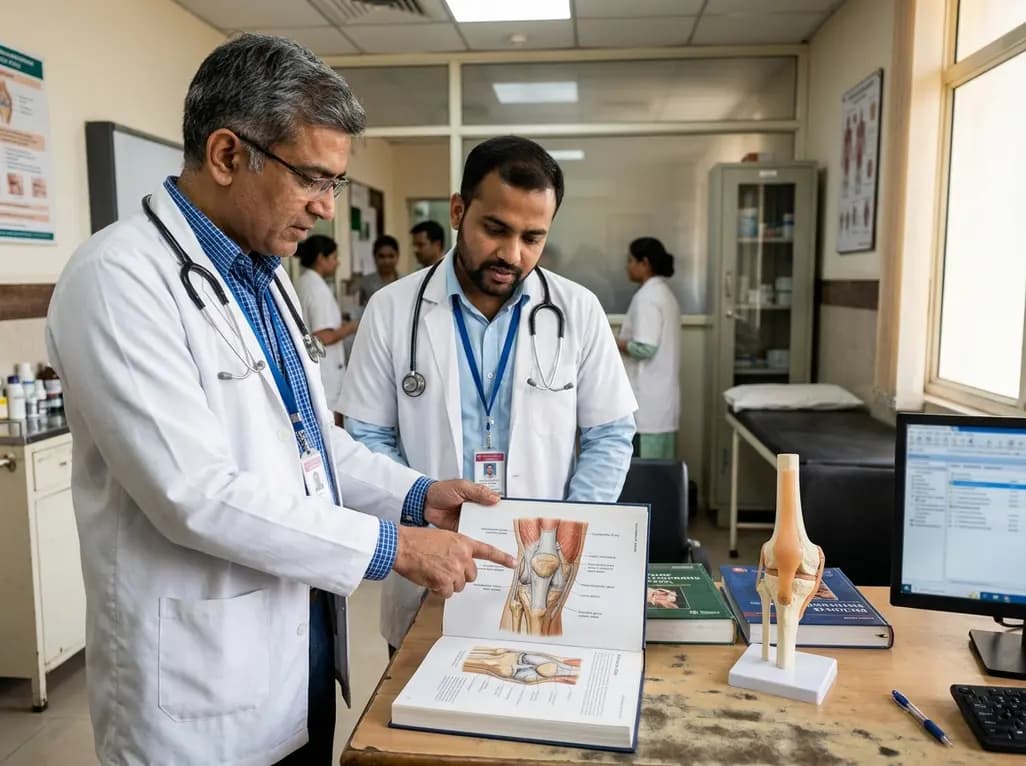
A narrative review investigates whether the articularis genus muscle functions as an independent anatomical entity or blends with the vastus intermedius. We evaluate its morphology, role in retracting the suprapatellar bursa, and direct clinical significance in anterior knee pain and arthroplasty.
Today

A Bayesian multilevel meta-analysis reveals that aerobic training combined with moderate carbohydrate restriction modestly lowers HbA1c in type 2 diabetes. However, sparse data and very low certainty leave incremental benefits over exercise or diet alone unproven, highlighting the need for individualized care.
Yesterday
