.webp&w=384&q=75)

Loading, please wait...
Loading, please wait...

AIIMS Delhi recently revived its simultaneous Kidney-Pancreas Transplant program after a hiatus of 18 years. On April 14, 2026, a multidisciplinary team successfully performed this rare dual-organ surgery on a 30-year-old patient. The patient suffered from end-stage renal disease secondary to long-standing Type 1 diabetes. Consequently, this procedure offers a potential cure by addressing both conditions simultaneously. Furthermore, it can free patients from lifelong insulin dependence and dialysis.
A kidney-pancreas transplant is technically demanding because the pancreas is an extremely fragile organ. Furthermore, surgeons must manage complex vascular connections and drainage during the procedure. In this specific case, the patient faced additional risks due to cardiomyopathy and a reduced ejection fraction. However, the surgical team achieved stability within two-and-a-half hours. Since the surgery, the patient has maintained near-normal blood sugar levels with minimal insulin.
Pancreas transplantation requires a brain-dead cadaver donor as living donation is not feasible. The retrieval process often involves tight coordination across state lines. Specifically, this case utilized a green corridor between Rohtak and Delhi for rapid organ transport. This coordination remains vital for ensuring graft viability. Additionally, successful outcomes depend heavily on intensive post-operative monitoring and lifelong immunosuppression. Doctors describe this procedure as one of the most demanding organ transplants globally.
This successful revival signifies a new chapter for severe Type 1 diabetes patients in India. Currently, AIIMS reports a waiting list of several patients for similar dual-organ procedures. While only a few centers in India perform these transplants, the expertise at AIIMS provides hope for many. Successful grafts can eliminate the need for both dialysis and daily insulin injections. Therefore, this surgery significantly improves the quality of life for recipients.
Q1: Why is a simultaneous kidney-pancreas transplant performed?
It is primarily indicated for patients with Type 1 diabetes and end-stage renal disease. The procedure aims to resolve kidney failure and restore insulin independence simultaneously.
Q2: What are the main risks associated with this surgery?
The surgery is highly complex due to the sensitivity of the pancreas. Major risks include graft failure, pancreatitis, bleeding, and infections from required immunosuppressive medications.
Disclaimer: This content is for informational and educational purposes only. It does not constitute medical advice or replace professional judgment. Refer to the latest local and national guidelines for clinical practice.
References

Read summarized clinical updates, watch expert medical content, and earn CME certifications right from your smartphone.
Open your smartphone camera to scan and install.





AIIMS Delhi successfully revives its simultaneous kidney-pancreas (SPK) transplant program after 18 years, performing a rare dual-organ procedure....
5 months ago
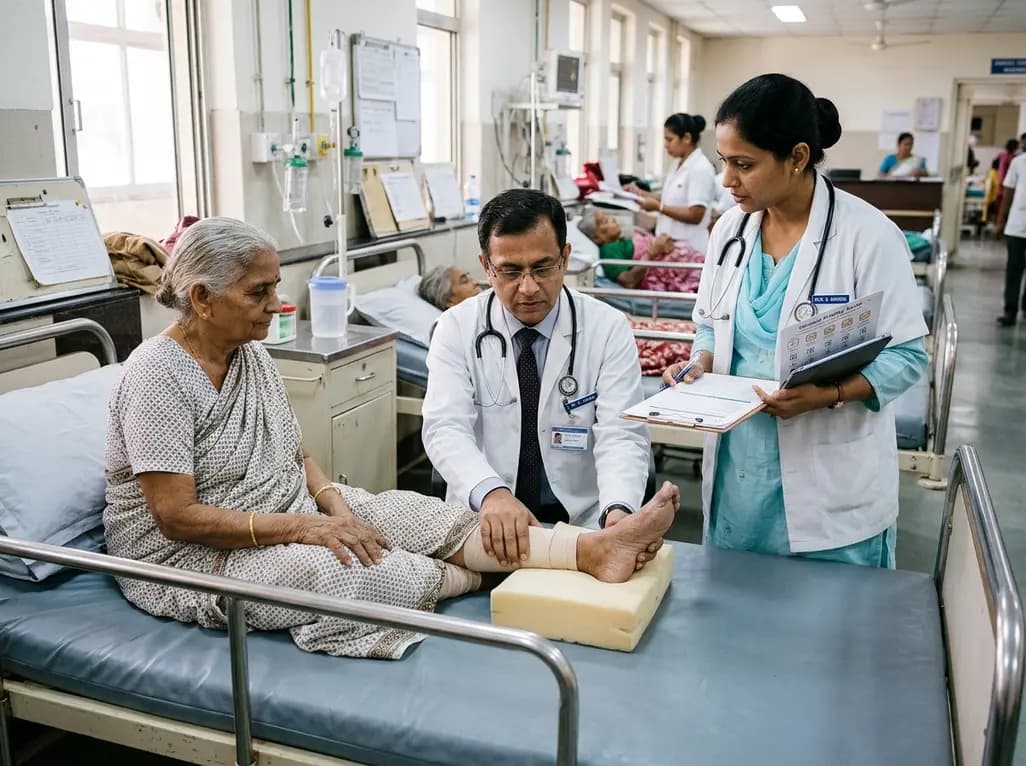
A retrospective cohort study reveals that frailty quadruples the odds of pressure injuries in hospitalized older adults. Integrating the Clinical Frailty Scale with comprehensive geriatric care is crucial for identifying vulnerability early and implementing targeted multidisciplinary prevention.
Today
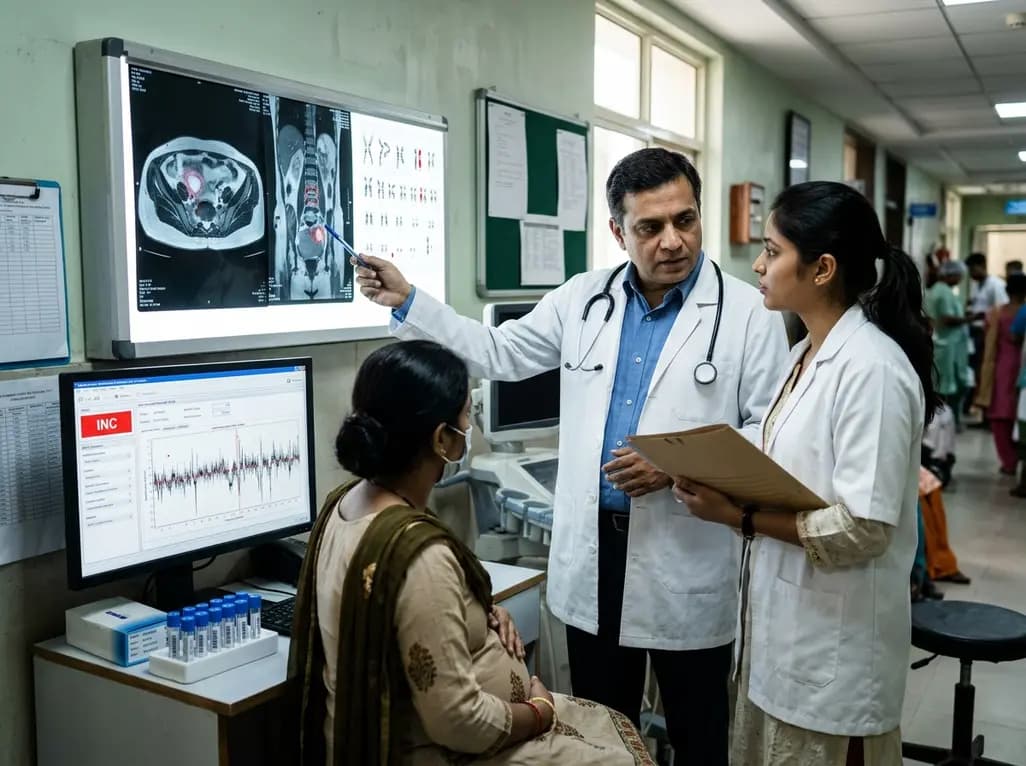
Occult maternal malignancy accounts for 3.82% of persistent unreportable NIPT results with genomic noise. Multiple chromosomal aberrations, notably on chromosome 18, warrant thorough oncological evaluation and whole-body MRI to ensure timely maternal diagnosis while preserving fetal care.
Today
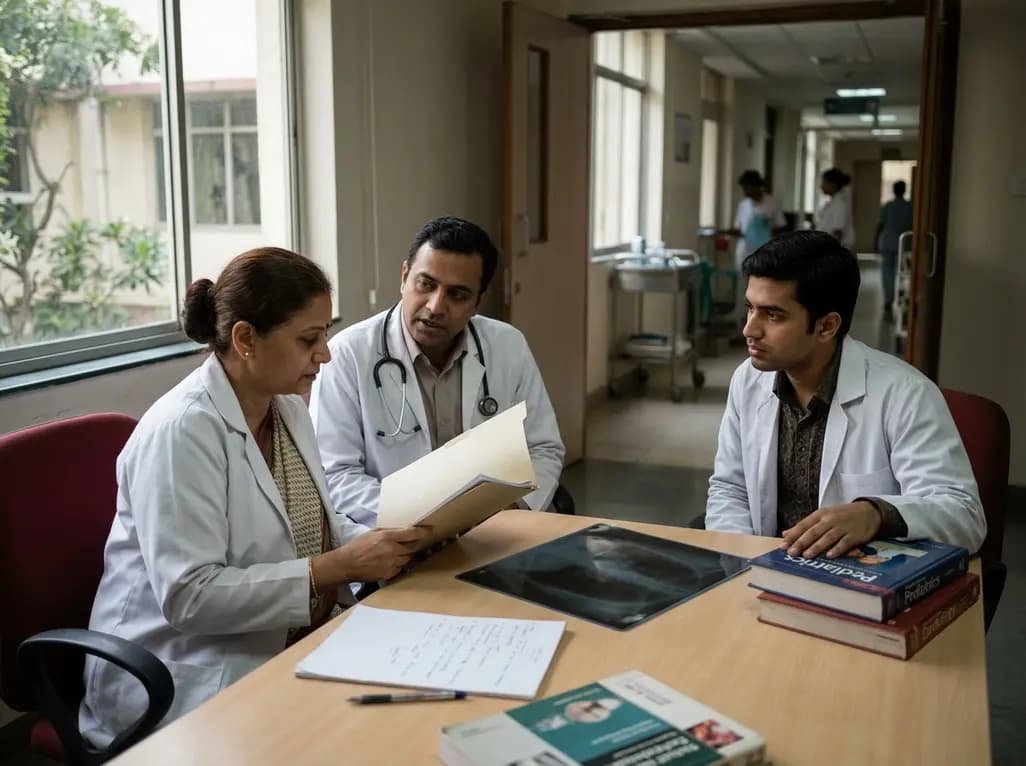
This article reviews the forensic and clinical complexities of acute myocarditis arising on left ventricular hypertrophy in children, highlighting early diagnostic red flags and multidisciplinary postmortem autopsy protocols.
Today

A randomized controlled trial demonstrates that an eight-week dual-task training intervention significantly improves static and dynamic postural control over standard balance exercises in individuals with chronic ankle instability, addressing critical neurocognitive deficits during athletic and daily activities.
Today

A retrospective cohort study of 7,716 ICU patients from the MIMIC-IV database demonstrates that Gradient Boosting Decision Trees significantly outperform traditional SOFA scores in predicting in-hospital mortality among patients with sepsis and diabetes, with SHAP analysis providing clinical interpretability.
Today
