.webp&w=384&q=75)

Loading, please wait...
Loading, please wait...

Modern gastrointestinal surgery and surgical oncology demand comprehensive postoperative rehabilitation strategies to ensure optimal recovery. However, navigating the emotional, physical, and psychological adaptation of stoma patients remains a significant clinical challenge. Structured nursing care planning bridges acute surgical interventions with sustainable community living by addressing critical psychosocial concerns. Recently, clinicians have investigated whether artificial intelligence can autonomously formulate these comprehensive care plans. A landmark comparative evaluation directly contrasted algorithmic performance against experienced clinical nursing specialists. The study demonstrated that while technology rapidly generates informational content, human clinical discernment delivers superior content quality, empathetic depth, and psychosocial appropriateness.
Artificial intelligence tools have expanded rapidly across healthcare documentation and perioperative care coordination. Consequently, clinical teams frequently evaluate algorithmic solutions to reduce administrative burdens and streamline discharge protocols. In ostomy management, effective nursing care planning requires sophisticated clinical problem-solving that extends far beyond routine wound dressing. A groundbreaking methodological investigation by Kulakaç and colleagues specifically examined this domain by comparing artificial intelligence against human specialists. The researchers developed two distinct care plans targeting the complex psychosocial needs of an individual living with a surgical stoma. One plan originated from registered nurses specializing in ostomy management, whereas the other emerged from an advanced artificial intelligence system. Subsequently, twelve independent clinical and academic experts appraised both protocols using the validated DISCERN measurement tool. The statistical evaluation revealed that human-authored plans achieved significantly higher quality scores than the artificial intelligence system. Therefore, while computational models quickly compile technical recommendations, they struggle to synthesize nuanced psychological distress. Human clinicians recognize the subtle emotional vulnerabilities that stoma patients experience, ensuring tailored, holistic support throughout recovery.
Undergoing stoma creation profoundly alters an individual's physical anatomy, personal body image, and daily routines. Patients frequently face acute grief, anxiety, and social isolation following extensive bowel or urological resections. Moreover, many individuals experience intense embarrassment regarding pouch leakage, unexpected odors, and noisy flatus during social interactions. In diverse healthcare environments like India, cultural stigmas and shared living spaces compound these emotional challenges significantly. Traditional dietary habits, joint family structures, and ritual hygiene practices often complicate post-discharge stoma management. Hence, clinical nursing care must look beyond simple peristomal skin integrity and physical pouch adherence. Clinicians must actively address marital relationships, workplace reintegration, and cultural perceptions surrounding bodily waste. Furthermore, unaddressed psychosocial distress frequently leads to clinical depression and diminished self-care capability. Algorithmic software often misses these delicate emotional nuances because digital tools analyze generic clinical inputs rather than lived human experiences. In contrast, experienced healthcare professionals detect unspoken anxieties, empathetic needs, and hesitant disclosures during clinical consultations. Consequently, compassionate human engagement remains the bedrock of sustainable stoma rehabilitation.
The comparative investigation revealed remarkable differences between human clinical judgment and automated algorithmic generation. Specifically, the expert review panel observed that nurse-authored care plans demonstrated superior qualitative integrity and clinical coherence. In contrast, the artificial intelligence model produced fragmented guidance that lacked therapeutic sensitivity. When the researchers analyzed the objective DISCERN metrics, the nurse-generated protocol attained a statistically superior score. Specifically, the statistical comparison between the two care plans reached significance with a p-value of .008. Furthermore, inter-rater reliability among the twelve academic and clinical experts demonstrated good agreement across all evaluated parameters. These findings confirm that clinical nurses formulate interventions that reflect practical bedside realities. For instance, human specialists integrate progressive family education, coping strategies, and gradual acceptance techniques into their care pathways. Conversely, machine-generated outputs offer sterile checklists that overlook emotional pacing and therapeutic rapport. Although computational software rapidly processes large medical datasets, it cannot replicate empathetic professional discernment. Therefore, surgical teams must avoid relying solely on automated systems when planning sensitive psychosocial care.
To guarantee rigorous appraisal, the investigators utilized the DISCERN measurement instrument, an internationally recognized tool for assessing health information quality. Originally created to judge written treatment choices and educational integrity, DISCERN offers a robust framework for clinical document evaluation. The twelve expert raters independently assessed both care plans across key domains, including clarity, bias, risk disclosure, and psychosocial comprehensiveness. Additionally, the researchers calculated intraclass correlation coefficients to verify agreement across the multidisciplinary panel. Because the evaluators included both academic nursing scholars and active bedside clinicians, the results reflect balanced academic and practical perspectives. Notably, the raters reported that artificial intelligence generated superficial summaries that omitted vital implementation steps. In contrast, human nurses structured their interventions around anticipatory guidance and structured emotional counseling. For example, the nurse plan established peer-support referrals and clear psychological monitoring milestones. Meanwhile, the algorithmic system merely suggested generic psychological consultation without concrete timelines or screening indicators. Thus, the DISCERN metrics demonstrated that artificial intelligence currently lacks the depth required for high-stakes psychosocial nursing care.
These comparative findings deliver vital practical guidance for surgeons, gastroenterologists, and hospital leadership. In busy surgical departments, clinicians frequently manage heavy patient loads and demanding operative schedules. Under such pressures, automated platforms offer appealing options for drafting standardized care documentation and educational materials. However, deploying unverified artificial intelligence outputs directly into patient care introduces substantial clinical hazards. If an automated care plan overlooks severe body image disturbances, patients may suffer from delayed functional recovery and prolonged psychological distress. Therefore, healthcare teams must utilize artificial intelligence strictly as an assistive drafting tool rather than an autonomous decision-maker. Experienced surgeons and enterostomal therapy nurses must carefully review and adapt all algorithmically generated documentation. Furthermore, healthcare institutions should expand dedicated enterostomal therapy nursing services to support complex postoperative cases. Hospital departments must also foster multidisciplinary collaboration between surgical teams, nursing specialists, and mental health professionals. By combining digital documentation speed with expert clinical oversight, hospitals can safeguard patient well-being effectively. Ultimately, comprehensive stoma care requires genuine human empathy, personalized communication, and clinical expertise.
Artificial intelligence evaluates psychosocial concerns by parsing clinical prompts and searching vast language training datasets for stoma-related keywords. Consequently, it synthesizes standardized recommendations regarding body image, anxiety management, and lifestyle adjustment. However, these systems lack emotional perception and clinical contextual judgment. As a result, algorithmic care plans frequently present textbook bullet points that overlook real-world cultural stigmas, nuanced family dynamics, and individualized emotional distress experienced during stoma rehabilitation.
Human nurses scored significantly higher because their care plans demonstrated superior content depth, individualized pacing, and practical integrity. Clinical nurses possess firsthand bedside experience, which enables them to anticipate psychological hurdles like social isolation and sexual dysfunction. In contrast, the artificial intelligence model produced generic, impersonal guidance. Expert evaluators using the validated DISCERN measurement tool recognized that human clinical intuition generates safer, more comprehensive, and truly actionable psychosocial care strategies.
Surgical teams can safely integrate artificial intelligence by utilizing it strictly as an administrative drafting assistant under direct clinician oversight. Algorithms can rapidly assemble routine documentation, suggest evidence-based guidelines, and flag required patient education topics. However, licensed enterostomal nurses and surgeons must personally review, adapt, and approve every recommendation. This collaborative approach preserves documentation efficiency while guaranteeing that every patient receives compassionate, culturally sensitive, and medically accurate psychosocial care.
Disclaimer: This content is for informational and educational purposes only... Refer to the latest local and national guidelines for clinical practice.
References

Read summarized clinical updates, watch expert medical content, and earn CME certifications right from your smartphone.
Open your smartphone camera to scan and install.





A comparative study evaluated artificial intelligence against specialized nurses in developing stoma care plans, showing that human clinical judgment achieves superior content quality and psychosocial appropriateness for complex patient needs.
Today
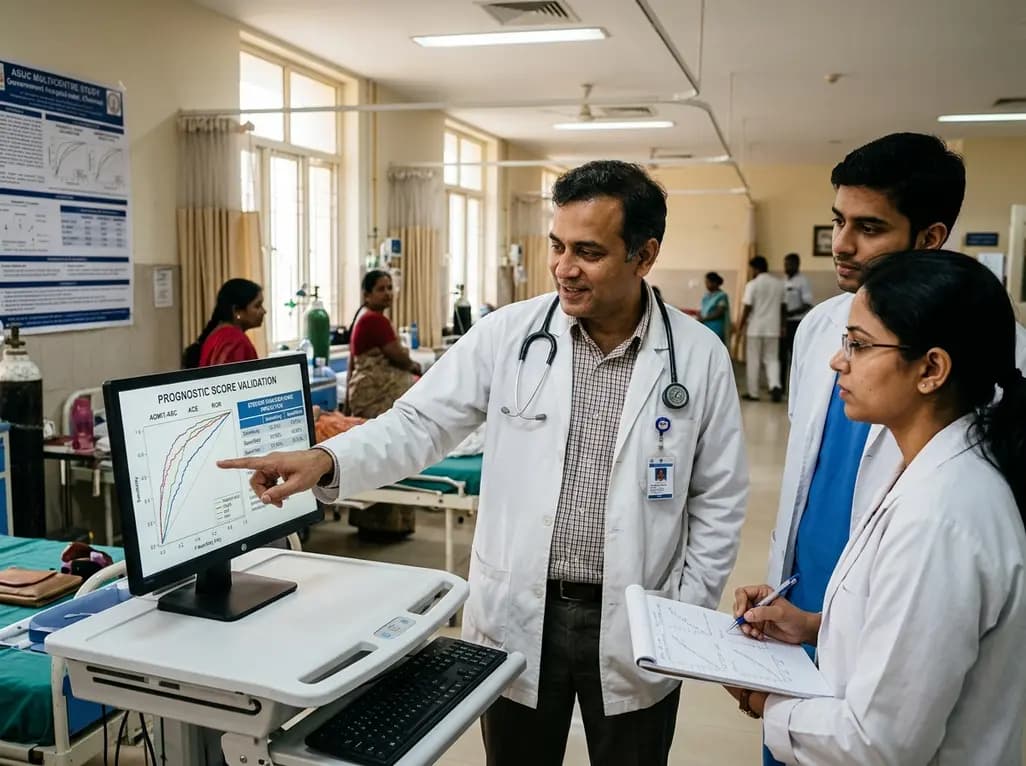
A multicentre study validates Day 1 prognostic scores (ADMIT-ASC, ACE, and ROR) for predicting steroid non-response in acute severe ulcerative colitis, delineating crucial trade-offs between sensitivity and specificity.
Today
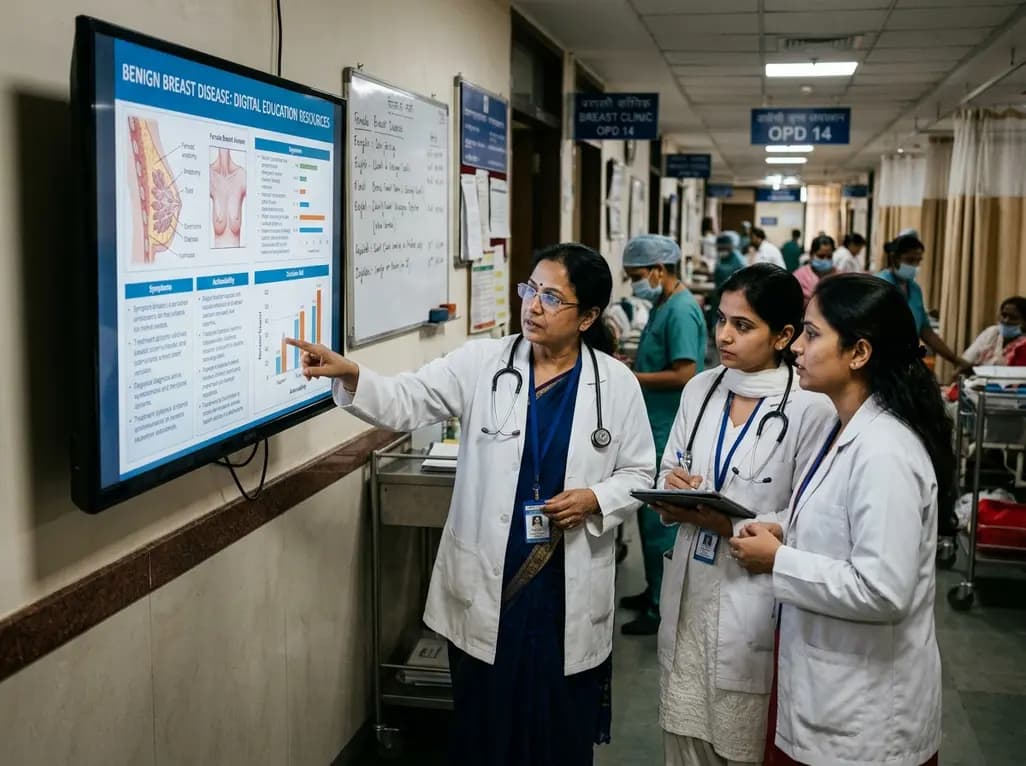
A nationwide cross-sectional study evaluates hospital digital articles on benign breast disease, revealing adequate readability but significant shortfalls in actionability and treatment-focused shared decision-making support.
Today
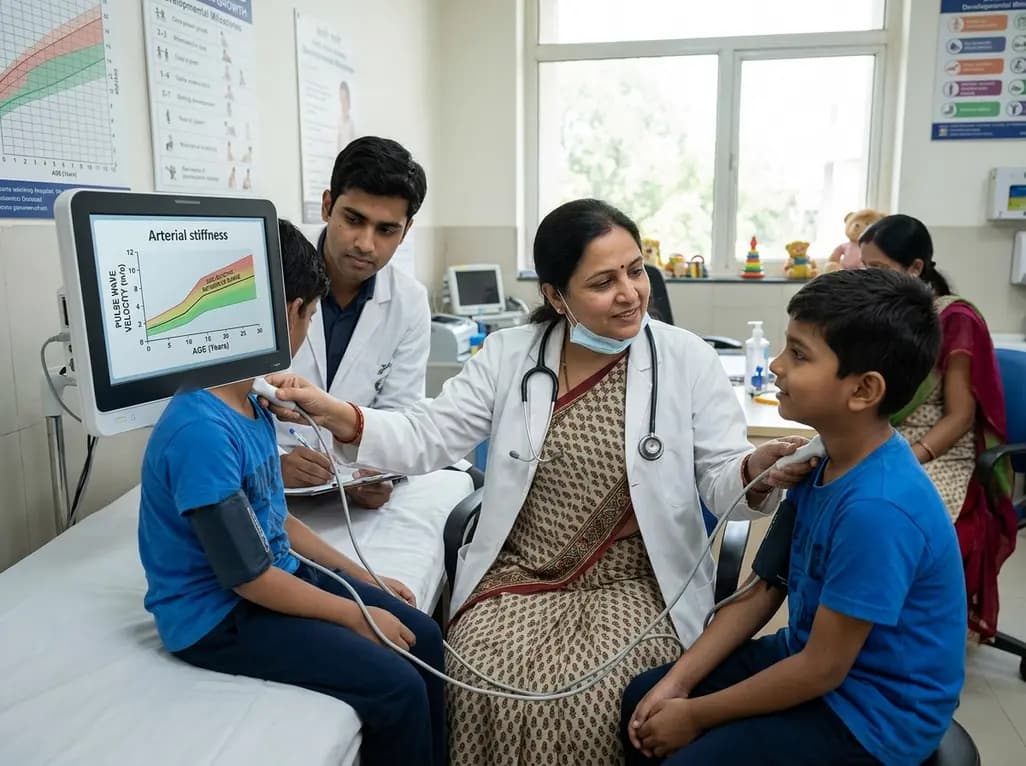
A landmark systematic review and meta-analysis establishes age-specific normative reference values for pediatric pulse wave velocity, revealing a nonlinear trajectory of arterial stiffness from early childhood through adolescence.
Today
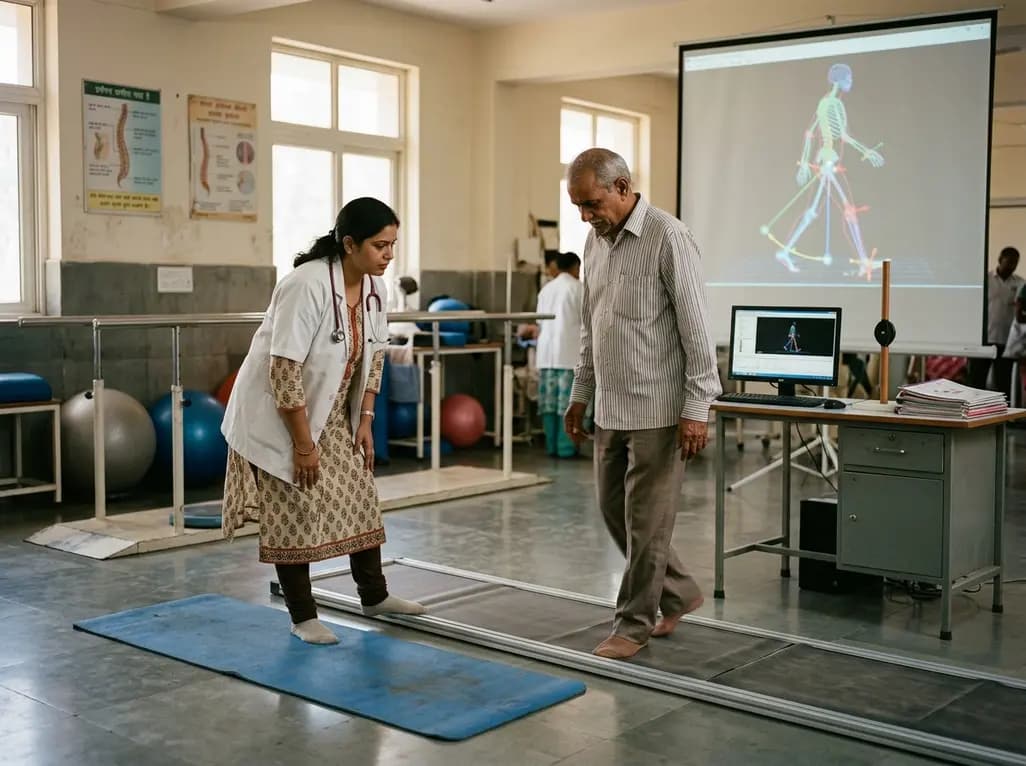
New biomechanical research reveals how postural stabilization mechanisms coordinate delayed sensory feedback and ground reaction forces to preserve pendulum-like center of mass motion across standing and walking, providing vital insights for balance rehabilitation and fall prevention.
Today
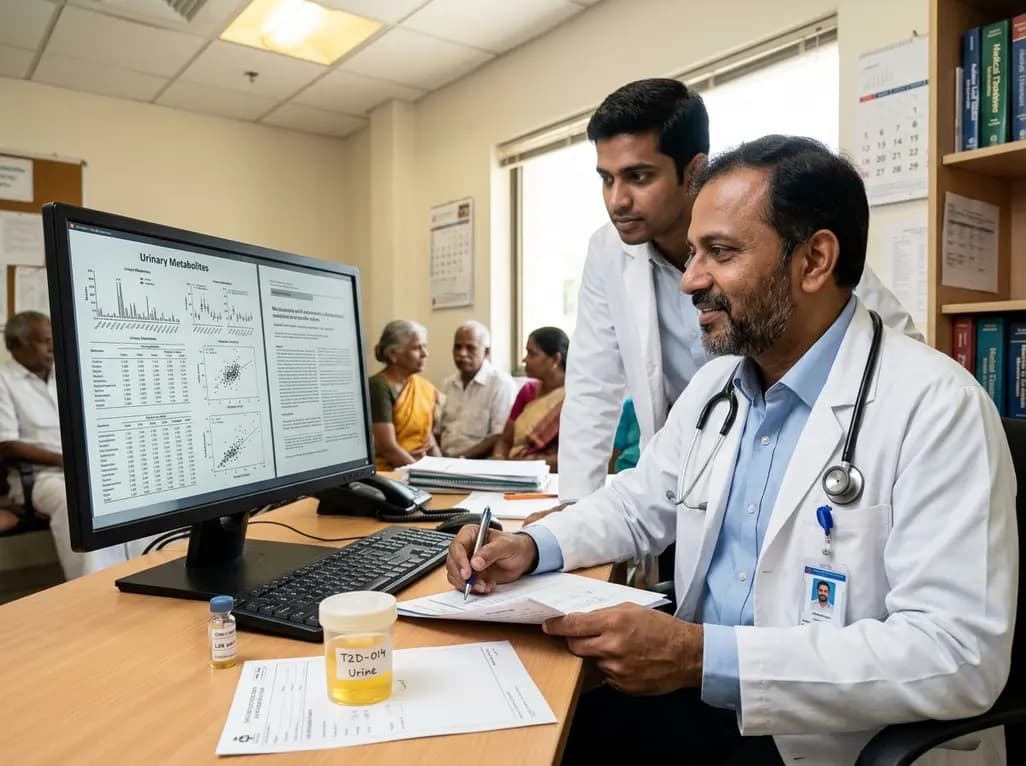
A landmark cross-sectional study in Asian adults with type 2 diabetes identifies novel urinary metabolites linked to mild cognitive impairment. Elevated urinary sucrose and altered metabolites highlight non-invasive pathways for early cognitive risk stratification and targeted metabolic management.
Today
