.webp&w=384&q=75)

Loading, please wait...
Loading, please wait...
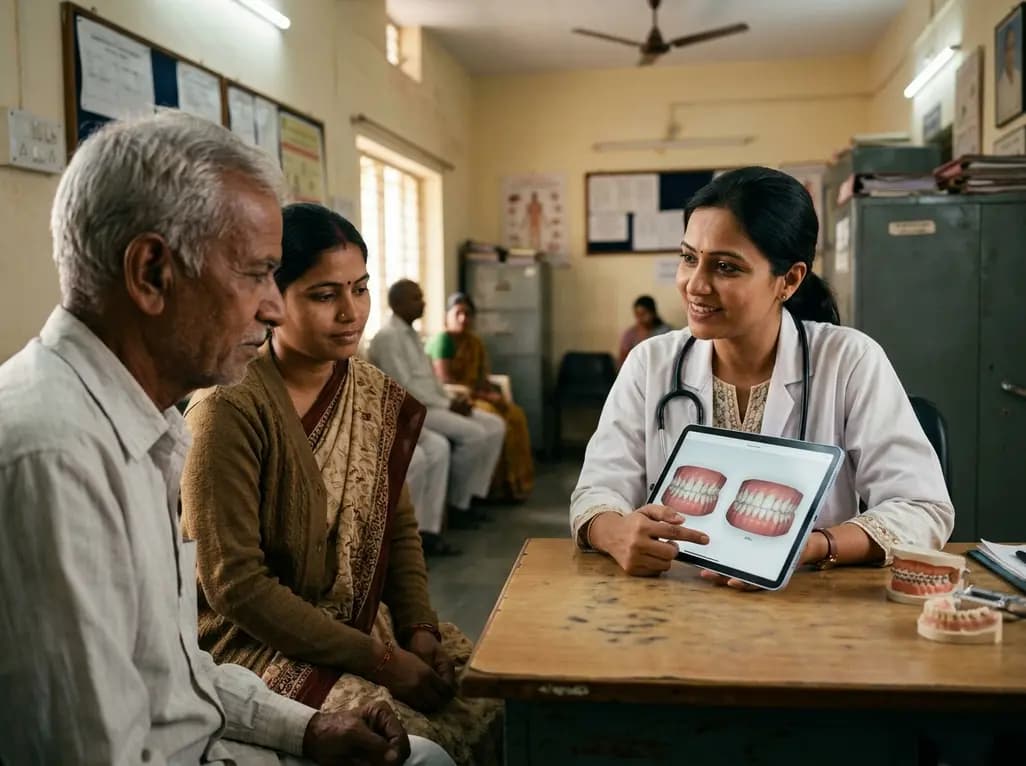
Unequal access to specialized dental care remains a major public health challenge across rural territories. Traditional orthodontic management requires frequent in-person consultations, repeated diagnostic visits, and mechanical adjustments. Consequently, patients residing in remote districts face substantial travel barriers, financial burdens, and lost productivity. AI orthodontic care represents an innovative paradigm shift designed to dismantle these structural barriers. By combining digital teledentistry platforms with automated machine learning algorithms, clinicians can evaluate complex malocclusions across vast distances. Patients can capture routine intraoral photographs using basic smartphone cameras. Subsequently, cloud-based diagnostic networks analyze these images to assess arch alignment and soft tissue contours. Furthermore, this remote approach decentralizes specialized clinical expertise away from metropolitan centers to primary health centers. Rural healthcare providers can collaborate asynchronously with specialist orthodontists to identify critical dental problems early. Therefore, digital orthodontic ecosystems minimize unnecessary physical travel while preserving clinical vigilance. As digital adoption expands, artificial intelligence offers an unprecedented opportunity to democratize advanced orthodontic services for underserved communities.
Accurate orthodontic treatment requires comprehensive cephalometric analysis, precise dental cast measurements, and soft-tissue profiling. However, manual cephalometric tracing demands substantial clinical time and introduces inter-observer variability. In contrast, deep learning neural networks identify anatomical landmarks on digital radiographs with exceptional speed and reliability. Convolutional architectures segment craniofacial structures accurately, allowing dentists to detect skeletal discrepancies rapidly. In addition, machine learning models integrate demographic parameters and tooth dimensions to simulate multiple therapeutic trajectories. Clinicians can review these algorithmic simulations to select optimal extraction patterns and biomechanics. Furthermore, automated diagnostic software assists primary dental practitioners in underserved community centers by providing immediate diagnostic triage. This automated validation flags severe skeletal dysplasias requiring specialist referral while managing mild alignment concerns locally. Consequently, overall diagnostic precision improves while clinical chairside time decreases significantly. Clinicians maintain absolute decision-making autonomy while benefiting from algorithmic consistency. Thus, digital diagnostics elevate the standard of orthodontic care across resource-constrained settings.
Consistent compliance with orthodontic protocols dictates final treatment outcomes, especially during long-term clear aligner therapy. Traditionally, missed follow-up appointments jeopardize treatment velocity and predispose patients to unnoticed dental complications. Remote monitoring solutions effectively solve this clinical challenge by facilitating frequent digital check-ins. Patients upload standardized smartphone photos at scheduled intervals using specialized cheek retractors. Next, deep learning platforms evaluate aligner tracking, bracket integrity, and oral hygiene compliance automatically. If the algorithm identifies poor appliance seating or worsening gingival inflammation, it immediately notifies the treating orthodontist. Consequently, practitioners intervene proactively before minor tracking deviations evolve into major clinical failures. Moreover, these automated digital alerts keep patients actively accountable and motivated throughout their therapeutic journey. Clinical evidence indicates that remote teleorthodontic systems reduce in-office visits by over thirty percent. Simultaneously, this cadence preserves high standards of clinical oversight and patient satisfaction. Therefore, intelligent monitoring platforms safeguard clinical efficacy while significantly lowering indirect treatment costs for rural families.
Although artificial intelligence exhibits remarkable potential, significant structural divides hinder broad public health deployment. A recent scoping review reveals that most existing research originates from urban academic institutions and private clinics. Consequently, real-world clinical validation in remote, low-resource environments remains remarkably sparse. Rural communities frequently encounter erratic electrical grids, inadequate cellular connectivity, and limited imaging hardware. Moreover, digital literacy gaps among marginalized populations create unintended obstacles during remote application onboarding. Many community dental workers lack formal training in navigating artificial intelligence interfaces and digital data transmission. In addition, proprietary software licenses and specialized digital monitoring accessories carry significant financial costs that public health systems cannot absorb easily. Without targeted government subsidies and infrastructure upgrades, advanced digital tools risk widening preexisting healthcare disparities. Therefore, public health policymakers must prioritize infrastructure development alongside software innovation. Rigorous field trials must evaluate digital orthodontic performance directly within primary healthcare settings before widespread deployment.
Implementing artificial intelligence within remote orthodontic pipelines introduces intricate ethical, legal, and regulatory considerations. Deep learning algorithms rely on massive repositories of patient radiographs, facial photographs, and dental records. Therefore, healthcare authorities must establish ironclad data privacy standards to prevent unauthorized data dissemination or commercial exploitation. Furthermore, developers frequently train diagnostic algorithms on homogeneous urban demographic datasets. Consequently, these models may display algorithmic bias or diagnostic inaccuracy when evaluating diverse rural populations. Regulators must mandate demographic diversity within training cohorts to guarantee equitable diagnostic reliability across all ethnic groups. Additionally, legal frameworks must clarify clinical liability when an algorithm fails to detect an urgent pathology. Dental professionals must always retain ultimate clinical responsibility and avoid delegating critical diagnostic decisions to autonomous software. Clear national guidelines will ensure that artificial intelligence remains a dependable supportive instrument rather than an unverified replacement. Ultimately, ethical governance and transparent regulatory frameworks are essential to foster public trust in teledentistry innovations.
India presents a compelling case study for implementing decentralized digital orthodontic workflows across underserved populations. Although India trains thousands of qualified dental surgeons annually, the vast majority practice in tier-one metropolitan hubs. In contrast, rural populations endure profound shortages of specialized dental services, which exacerbates untreated malocclusions. Integrating automated screening tools into the National Oral Health Programme can bridge this persistent urban-rural divide effectively. Community healthcare centers can deploy mobile dental vans equipped with intraoral scanners and cloud-linked diagnostic modules. Auxiliary healthcare personnel can collect primary intraoral records, while centralized orthodontists review algorithmic assessments remotely. Furthermore, teledentistry platforms enable timely interventions for craniofacial deformities and cleft anomalies in pediatric cohorts. State health departments can integrate these digital pipelines with national digital health initiatives to maintain seamless longitudinal records. As rural telecommunication infrastructure strengthens, public-private partnerships can lower software licensing costs for public clinics. Consequently, India can establish a scalable model for accessible, technology-driven oral healthcare delivery.
AI orthodontic care enhances access by decentralizing specialized consultations and eliminating unnecessary travel. Patients capture high-resolution intraoral photographs using mobile smartphones, which cloud-based algorithms evaluate for alignment issues and appliance seating. Consequently, specialists remotely supervise treatment progress from metropolitan clinics while collaborating with local healthcare staff. This workflow reduces travel costs, minimizes missed workdays for parents, and brings expert orthodontic triage directly to underserved communities.
Artificial intelligence serves as an intelligent diagnostic aid rather than an outright replacement for physical consultations. While algorithms reliably screen malocclusions, monitor aligner seating, and detect bracket breakages remotely, complex biomechanical adjustments still demand physical hands-on intervention. Furthermore, direct clinical oversight remains indispensable for bonding attachments, executing interproximal enamel reduction, and managing acute emergencies. Therefore, AI complements clinical practice by reducing routine review visits while preserving essential in-person procedures.
Rural implementation faces several significant bottlenecks, including inconsistent broadband connectivity, erratic power distribution, and limited access to modern digital imaging hardware. Additionally, many rural primary health centers lack dental professionals trained in digital record capture and data analysis. High software licensing fees also hinder broad public health adoption. Overcoming these barriers requires targeted public investments, digital training for community healthcare workers, and subsidized teleorthodontic platforms tailored for resource-limited environments.
Disclaimer: This content is for informational and educational purposes only... Refer to the latest local and national guidelines for clinical practice.
References

Read summarized clinical updates, watch expert medical content, and earn CME certifications right from your smartphone.
Open your smartphone camera to scan and install.





A scoping review highlights the promise and hurdles of AI-enabled orthodontic care for remote populations, identifying clinical workflows, remote monitoring benefits, and the urgent need for rural implementation research to bridge oral healthcare disparities.
Today
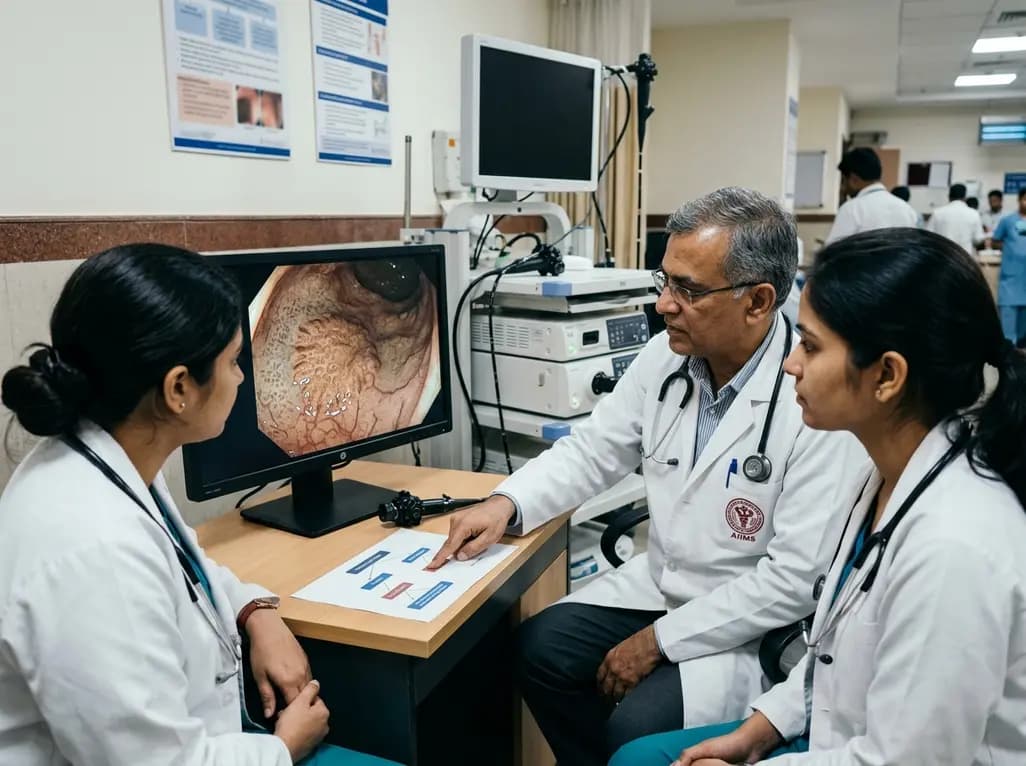
A post hoc decision tree analysis examined JNET Type 1 classification of serrated colorectal lesions. Experts prioritized ruling out anti-Type 1 features with low diagnostic entropy, whereas non-experts relied on mucosal spot patterns, highlighting key training targets for magnifying narrow-band imaging.
Today
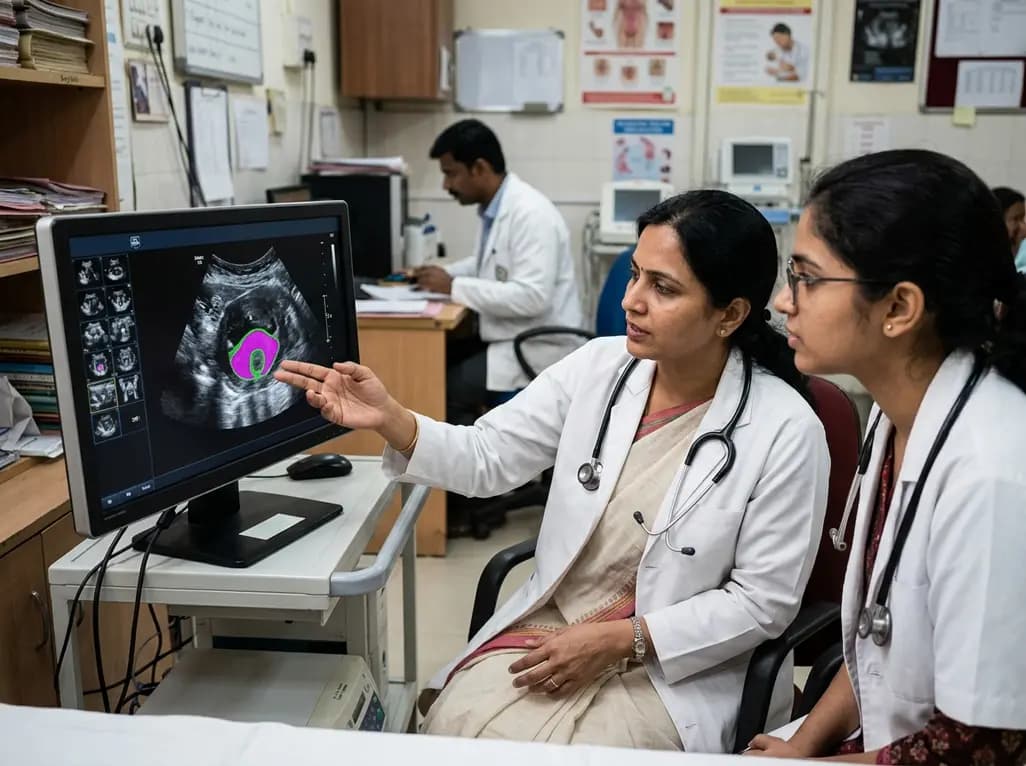
New evidence evaluates MoUNets, a static-weighted ensemble of UNet experts for automated levator hiatus segmentation in pelvic floor ultrasound. Learn how deep learning architectures perform in pelvic organ prolapse diagnostics and clinical practice.
Today
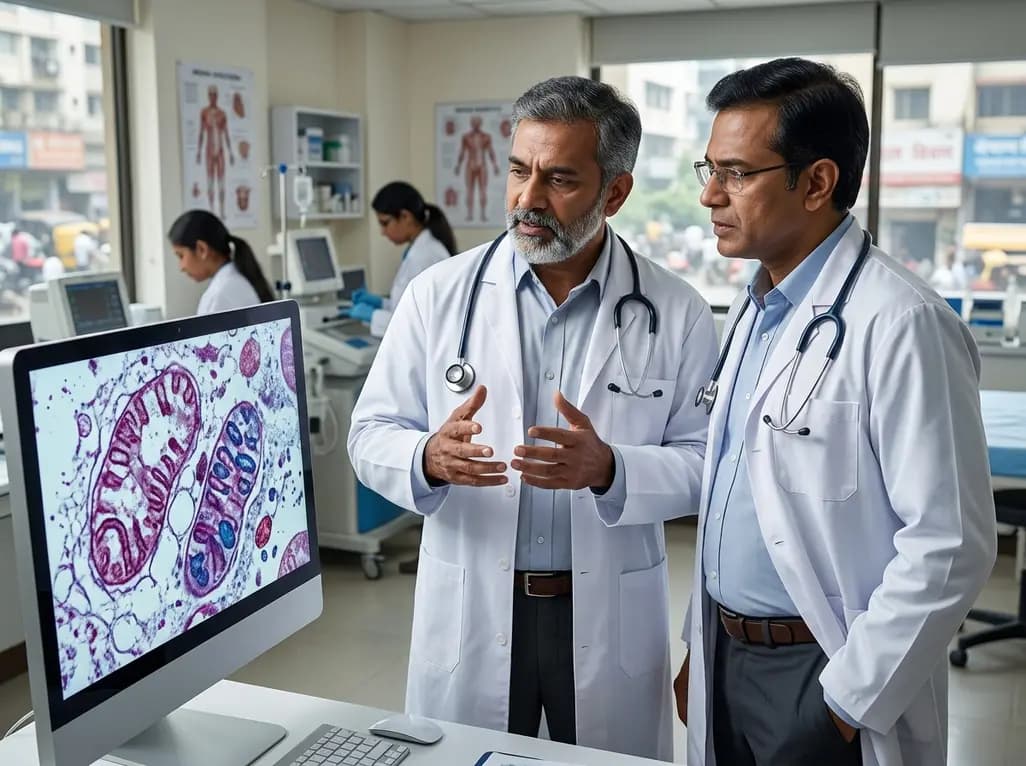
Mitochondrial deubiquitinases regulate organelle turnover by editing ubiquitin tags on damaged mitochondria. Discover how targeting these enzymes, notably USP30, offers therapeutic strategies for neurodegenerative, cardiovascular, and metabolic disorders.
Today
Orthobiologics in ACL surgery, including PRP, BMAC, and bridge-enhanced ACL repair (BEAR), offer biological adjuncts to enhance healing. While scaffold repair shows strong clinical parity to autografts, cell therapies remain selective adjuncts requiring standardized preparation and rigorous trial validation.
Today
A cross-sectional study reveals that elevated METS-IR is independently associated with higher myopia odds in adolescents, showing biological synergy with obesity and highlighting the need for metabolic screening in pediatric eye care.
Today
