.webp&w=384&q=75)

Loading, please wait...
Loading, please wait...

The landscape of AI in medical education is evolving rapidly across India. Recently, the government announced a significant initiative to provide medical students with advanced digital tools. Consequently, students in remote areas will soon have better access to essential learning materials. This move aims to bridge the clinical knowledge gap between urban and rural medical institutions.
Deputy Director General B Srinivas highlighted the challenges faced by students in smaller towns. Often, these students struggle to find updated e-books and technical data. Therefore, the government is leveraging technology to democratize access to knowledge. Currently, the initiative covers approximately 57 government medical colleges. Furthermore, the National Medical Library is actively securing digital clinical materials for this purpose. This digital transformation ensures that geography no longer limits educational quality.
Building physical infrastructure is a straightforward task. However, curating high-quality knowledge material requires significant time and effort. Because of this, the government is prioritizing digital resources over traditional methods. Experts believe that responsible AI can significantly advance health equity. By providing clinical decision support, these tools empower future doctors in resource-constrained settings. Additionally, the focus remains on transparency and governance in health AI deployment to ensure student safety.
The current phase concentrates exclusively on government institutions due to budget allocations. Nevertheless, plans are already in place to include private medical colleges later. This gradual scaling ensures that the system remains robust and effective for all users. Meanwhile, policymakers and healthcare leaders continue to collaborate. Their goal is to create a safe and explainable AI framework for the entire healthcare workforce. This initiative marks a pivotal step toward a technologically advanced medical ecosystem in India.
Q1: Which institutions are included in the first phase of this initiative?
The first phase currently covers around 57 government medical colleges, specifically those located in smaller towns and rural areas across India.
Q2: What resources will be provided to the medical students?
Students will receive access to digital clinical materials, e-books, and various AI resources through the National Medical Library to enhance their clinical skills.
Q3: Will private medical colleges be included in this project?
Yes, the government plans to include private medical colleges in the pipeline after the initial rollout in government institutions is established.
Disclaimer: This content is for informational and educational purposes only. It does not constitute medical advice or replace professional judgment. Refer to the latest local and national guidelines for clinical practice.
References

Read summarized clinical updates, watch expert medical content, and earn CME certifications right from your smartphone.
Open your smartphone camera to scan and install.





The Indian government launches an initiative providing AI resources and e-books to 57 rural medical colleges to enhance clinical learning and bridge the gap...
8 months ago

Explore vital recurrent stroke predictors in lacunar stroke patients managed with intensive blood pressure lowering. This analysis examines trial findings from SPS3 to uncover residual vascular risks, metabolic factors, and targeted secondary prevention strategies for high-risk neurological patients.
Today
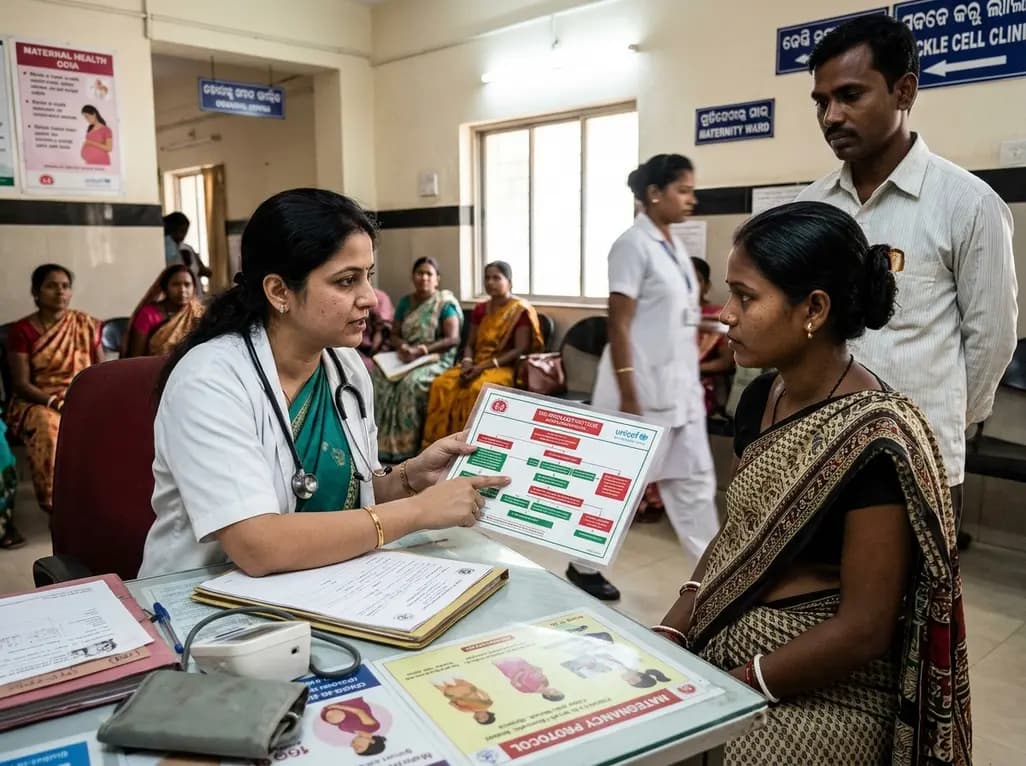
Odisha has established India's first state-level clinical protocol specifically tailored for pregnant women with sickle cell disease. Developed with NHM and UNICEF, the framework provides structured antenatal screening, crisis mitigation, standardized referral pathways, and specialized interdisciplinary care.
Today

India is advancing preventive healthcare by integrating genomics, artificial intelligence, and quantum technologies. With the SANGAM programme sequencing one million Indian genomes, clinicians can unlock personalized therapies, detect cardiometabolic risks early, and curb the burden of diabetes and heart disease.
Today
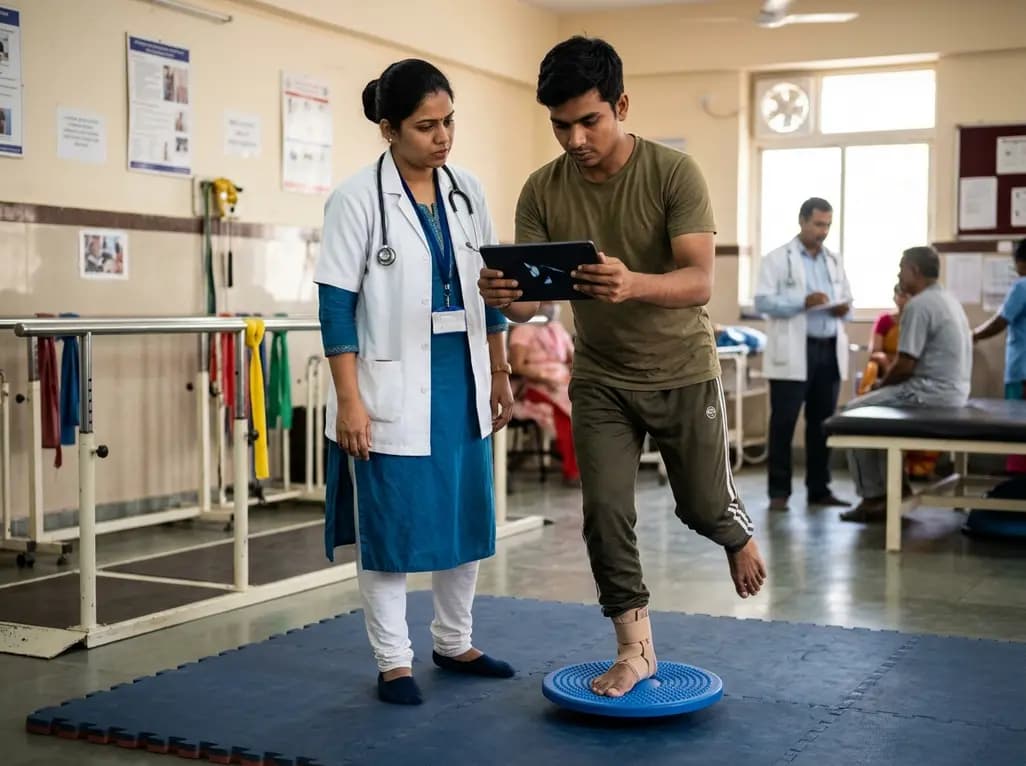
A randomized controlled trial demonstrates that an eight-week dual-task training intervention significantly improves static and dynamic postural control over standard balance exercises in individuals with chronic ankle instability, addressing critical neurocognitive deficits during athletic and daily activities.
Today

A retrospective cohort study of 7,716 ICU patients from the MIMIC-IV database demonstrates that Gradient Boosting Decision Trees significantly outperform traditional SOFA scores in predicting in-hospital mortality among patients with sepsis and diabetes, with SHAP analysis providing clinical interpretability.
Today
