.webp&w=384&q=75)

Loading, please wait...
Loading, please wait...
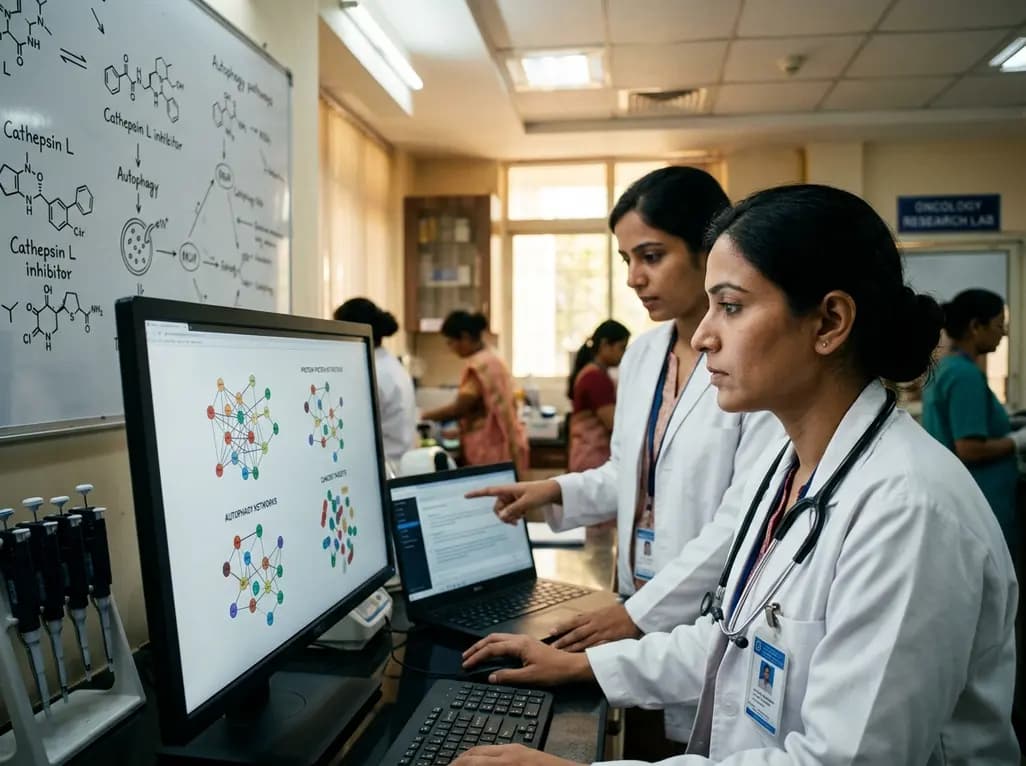
Autophagy serves as a central catabolic pathway that preserves cellular homeostasis by degrading damaged organelles and misfolded proteins. In oncology, malignant cells frequently hijack autophagy to survive nutrient deprivation, metabolic stress, and cytotoxic chemotherapy. However, mapping the dynamic molecular landscape of autophagy remains a daunting task for researchers. Massive high-throughput technologies generate terabytes of transcriptomic, proteomic, and phosphoproteomic data, yet translating these multidimensional profiles into precise biological insights poses substantial challenges.
Recent computational advances now bridge this critical translational gap. Modern systems biology requires tools that do not simply list differential molecules but actually explain functional interactions. To address this need, investigators developed LyMOI, an innovative hybrid artificial intelligence workflow designed specifically for multiomics interpretation. By integrating graph-based machine learning with sophisticated language reasoning models, this platform marks a major milestone in autophagy regulator discovery. The system systematically prioritizes candidate molecules while formulating testable mechanistic hypotheses for clinical oncologists and translational researchers alike.
High-throughput multiomics experiments typically overwhelm conventional analytical pipelines with extreme data dimensionality and noise. The LyMOI architecture addresses these limitations through a two-stage hybrid framework that mimics human scientific reasoning. First, a graph convolutional network integrates approximately 1.3 terabytes of heterogeneous multiomics data. This graph model mines dynamic signaling topologies and prioritizes molecules of interest across thirty-four distinct autophagy-inducing conditions.
Next, the platform employs a large language model equipped with chain-of-thought reasoning to interpret the prioritized candidates. Instead of delivering opaque numerical scores, the artificial intelligence synthesizes biological domain knowledge to explain precisely how each molecule regulates autophagic flux. The workflow delineates regulatory cascades, predicts functional consequences, and highlights critical pathway intersections. Consequently, this hybrid architecture transforms raw omics matrices into coherent mechanistic narratives. Researchers can therefore identify promising therapeutic targets much faster and bypass months of speculative laboratory screening.
Computational predictions require rigorous empirical validation before gaining therapeutic relevance. To evaluate accuracy, investigators first benchmarked LyMOI in eukaryotic model systems subjected to acute nutrient starvation. The platform accurately identified several essential yeast regulators, including GIN4, ELM1, RVS167, and STE50. Subsequent wet-lab experiments confirmed that these kinases and scaffolding proteins interact directly with core autophagic machinery to coordinate vacuolar transport and membrane remodeling.
Importantly, these successful validations confirmed the platform's ability to operate across diverse species and stress contexts. The system did not merely recapitulate established literature; rather, it predicted previously uncharacterized functional connections. Furthermore, the findings demonstrated that nutrient deprivation triggers conserved signaling cascades that align closely with mammalian cell survival pathways. By accurately uncovering these foundational mechanisms, the artificial intelligence framework established its reliability for dissecting complex human pathological states, particularly treatment-resistant malignancies.
Translating AI-driven discoveries into clinical oncology, researchers deployed LyMOI to study the cellular effects of disulfiram, an established aldehyde dehydrogenase inhibitor with potent antineoplastic properties. Disulfiram triggers extensive proteotoxic stress and reactive oxygen species generation, compelling tumor cells to upregulate protective autophagy. LyMOI analyzed these stress profiles and identified two prominent human oncoproteins, Cathepsin L (CTSL) and FAM98A, as crucial drivers of disulfiram-induced autophagy.
Experimental investigations fully substantiated these algorithmic predictions. Genetic silencing of either CTSL or FAM98A severely compromised autophagosome maturation in treated cancer cells. Without functional autophagy to clear toxic protein aggregates, malignant cells suffered severe metabolic collapse and ceased proliferation. Furthermore, FAM98A modulated RNA stress granule dynamics, whereas CTSL facilitated lysosomal degradation pathways. Therefore, these two proteins represent essential survival nodes that tumors exploit to counteract chemotherapy-induced stress.
Identifying CTSL as a key mediator of disulfiram resistance provided a clear rationale for dual-targeted interventions. Notably, researchers turned to Z-FY-CHO, a selective CTSL inhibitor originally developed to block viral glycoprotein processing during SARS-CoV-2 infection. Because CTSL enables both viral entry and lysosomal degradation in autophagy, inhibiting this enzyme blocks critical prosurvival pathways across diverse disease states.
When investigators combined disulfiram with Z-FY-CHO, the dual therapy produced remarkable antitumor synergy. The combination simultaneously induced severe cellular stress and dismantled the primary survival mechanism of the tumor. In vivo preclinical models demonstrated that this dual regimen potently suppressed tumor growth without causing unacceptable systemic toxicity. Moreover, targeting CTSL restored chemosensitivity in tumors that had previously exhibited resistance to single-agent therapies. This successful strategy illustrates how artificial intelligence can rapidly identify actionable drug combinations using existing, clinically characterized molecules.
The success of the LyMOI platform underscores a major paradigm shift in modern drug discovery and precision oncology. Clinicians frequently encounter therapeutic resistance driven by complex, multifactorial cellular adaptations. Standard genomic sequencing often fails to reveal these functional survival pathways. By combining multiomics data with biologist-like artificial intelligence reasoning, clinicians and researchers can now decode adaptive networks in real time.
Furthermore, this strategy significantly accelerates drug repurposing initiatives. Repurposing established molecules such as disulfiram and Z-FY-CHO reduces developmental timelines and clinical trial costs compared to de novo drug design. As multiomics profiling expands into routine clinical practice, hybrid AI models will help design individualized combination regimens tailored to specific tumor vulnerabilities. Consequently, integrating mechanistic computational workflows into translational pipelines will expand the therapeutic armamentarium and improve long-term clinical outcomes for oncology patients worldwide.
Traditional bioinformatics workflows often identify statistical correlations without explaining functional causality. LyMOI overcomes this bottleneck by uniting graph deep learning with large language model reasoning. The deep learning component processes over a terabyte of multiomics data across various stress conditions, while chain-of-thought artificial intelligence generates mechanistic hypotheses. Consequently, researchers receive ranked candidate molecules alongside clear biological explanations, accelerating the translation of complex omics data into validated molecular targets.
Disulfiram induces cytotoxic stress and stimulates autophagy as a protective survival mechanism in malignant cells. LyMOI identified Cathepsin L (CTSL) and FAM98A as critical upstream mediators that sustain this autophagic flux. When clinicians or researchers inhibit or silence either protein, cancer cells lose their protective adaptive response. Consequently, combining disulfiram with targeted CTSL blockade accelerates cancer cell apoptosis and dramatically restricts tumor growth in experimental models.
Z-FY-CHO was initially developed as a potent Cathepsin L inhibitor to block viral entry during SARS-CoV-2 infection. In cancer therapy, it directly suppresses the autophagic adaptation that malignant cells exploit to survive chemotherapy. When researchers combine Z-FY-CHO with disulfiram, the dual regimen exerts potent synergistic antitumor effects. Thus, repurposing this established antiviral molecule provides an attractive, fast-track strategy for developing targeted combination oncology regimens.
Disclaimer: This content is for informational and educational purposes only. It does not constitute medical advice, diagnosis, or treatment recommendations. Always consult a qualified healthcare professional regarding any medical condition or before making changes to any healthcare regimen. Refer to the latest local and national guidelines for clinical practice.
References

Read summarized clinical updates, watch expert medical content, and earn CME certifications right from your smartphone.
Open your smartphone camera to scan and install.





A hybrid AI workflow combining graph deep learning and large language models uncovered novel autophagy regulators CTSL and FAM98A, revealing a potent combination therapy using disulfiram and Cathepsin L inhibitors for oncology.
last month

A Bayesian multilevel meta-analysis reveals that aerobic training combined with moderate carbohydrate restriction modestly lowers HbA1c in type 2 diabetes. However, sparse data and very low certainty leave incremental benefits over exercise or diet alone unproven, highlighting the need for individualized care.
Today

Findings from Project Viva indicate that sustained postpartum weight retention, rather than excessive gestational weight gain alone, directly worsens women's mid-life cardiovascular health, degrading blood pressure and glycemic parameters decades after delivery.
Today
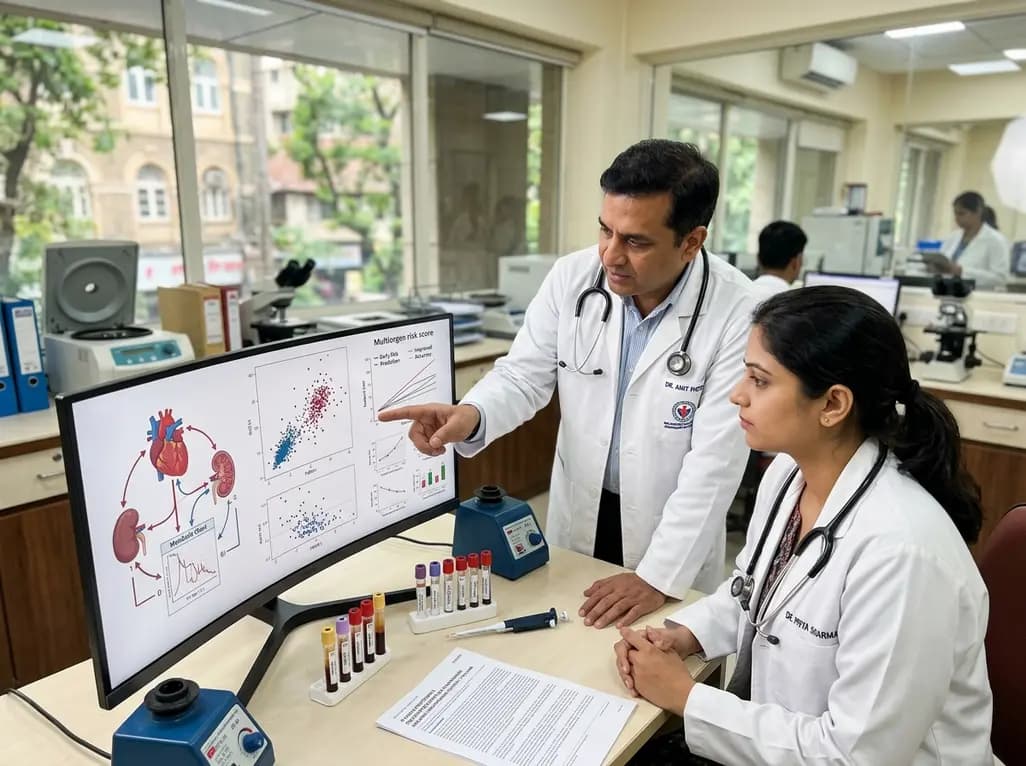
A large UK Biobank study reveals that plasma proteomic signatures capture preclinical organ damage and improve multiorgan risk prediction across early CKM syndrome stages 0 to 2 beyond traditional PREVENT clinical models.
Today
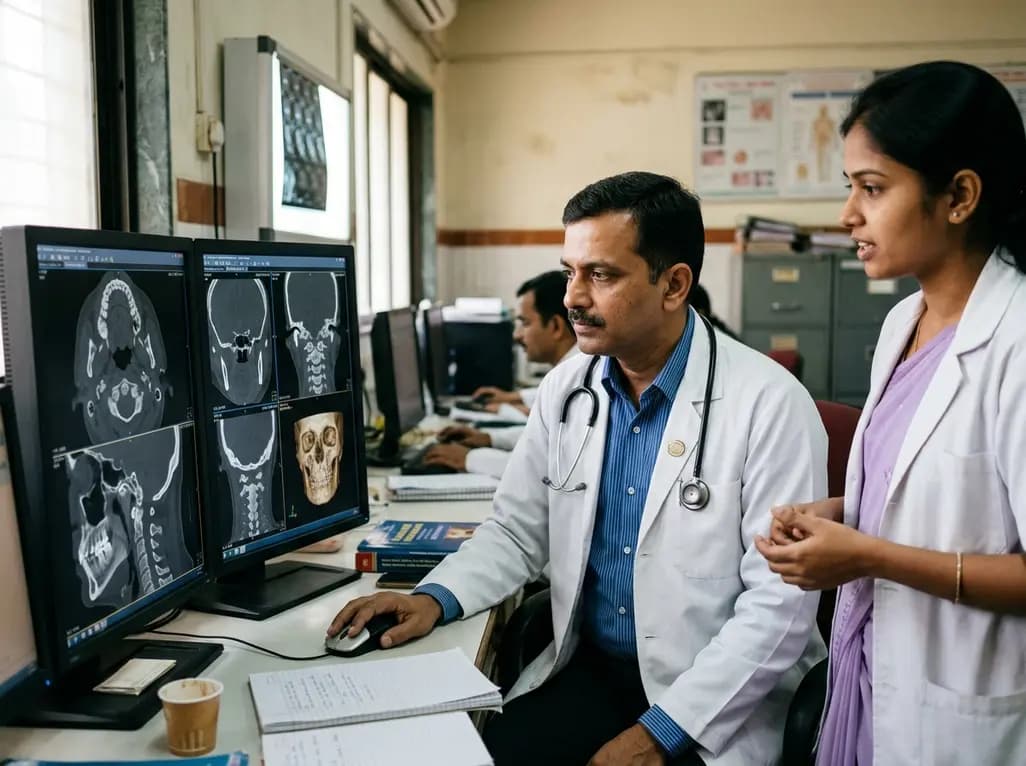
A retrospective CBCT study reveals that superior TMJ space asymmetry correlates moderately with occipital condyle-atlas-axis asymmetry in unilateral TMJ osteoarthritis, highlighting an imaging correlate between jaw biomechanics and upper cervical alignment rather than a standalone diagnostic marker.
Today
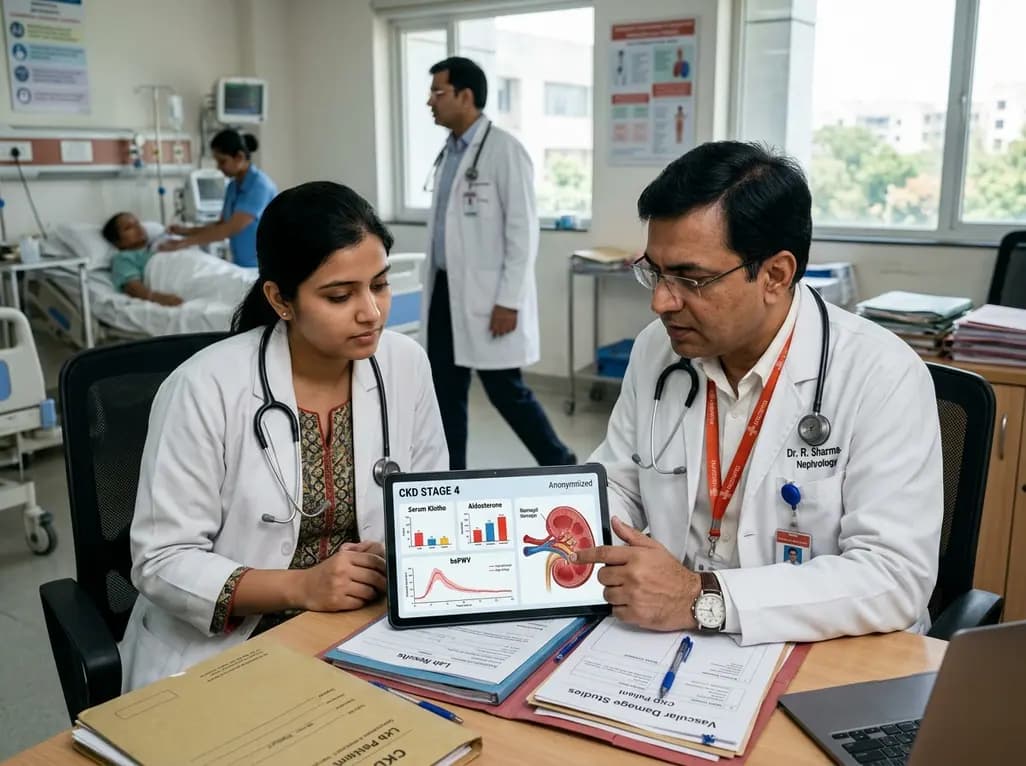
A cross-sectional investigation highlights the complex pathophysiological links between serum Klotho deficiency, secondary hyperaldosteronism, and vascular damage in CKD. Discover key insights into non-invasive vascular stiffness markers and targeted therapeutic pathways for cardiorenal protection.
Today
