.webp&w=384&q=75)

Loading, please wait...
Loading, please wait...
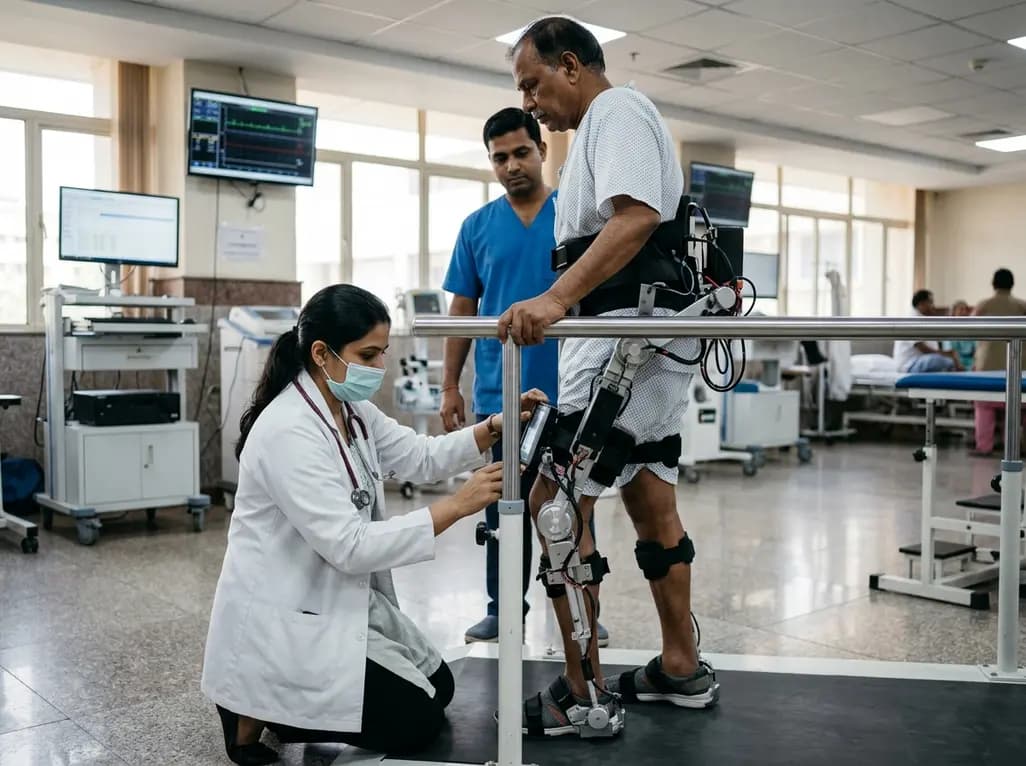
Robotic gait training has emerged as a cornerstone of modern neuro-rehabilitation and functional motor recovery. Recent advancements in wearable robotics highlight the critical role of a multi-joint lower extremity exoskeleton in restoring independent ambulation for patients with spinal cord injuries, stroke, and neuromuscular trauma. However, real-time control of these complex robotic orthoses remains technically demanding due to variable patient spasticity, dynamic body-weight shifts, and sensor noise. A recent benchmark study introduces an innovative artificial intelligence framework to overcome these engineering hurdles.
Motor impairment resulting from central nervous system trauma creates substantial functional limitations for affected individuals. Therefore, intensive and task-specific gait rehabilitation represents the gold standard for promoting neural plasticity. A wearable lower extremity exoskeleton facilitates repetitive physiological stepping patterns, which significantly enhances sensorimotor recovery. Moreover, these robotic platforms reduce physical strain on physiotherapists during lengthy training sessions. In addition, early mobilization using robotic assistance mitigates secondary complications such as deep vein thrombosis, joint contractures, muscle atrophy, and osteoporosis.
Clinicians in tertiary neuro-rehabilitation centers increasingly utilize active orthoses to retrain pelvic alignment, knee flexion, and ankle dorsiflexion. Consequently, the clinical success of these devices depends entirely on the precision and responsiveness of their underlying control algorithms. If an exoskeleton delivers abrupt or inaccurate assistive torques, it risks causing patient discomfort, muscle spasms, or joint strain. Thus, medical robotics engineers must prioritize ultra-smooth trajectory tracking to guarantee both therapeutic efficacy and patient safety.
Human locomotion is inherently irregular, variable, and biomechanically unpredictable. Consequently, an active exoskeleton system must continually adapt to fluctuating interactive forces exerted by the human limb. When a patient exhibits sudden muscle spasticity or involuntary spasms, the robotic actuators experience unexpected load spikes. Furthermore, variations in human limb mass, tissue compliance, and strap slippage introduce profound nonlinear uncertainties into the dynamic equations of motion. Conventional linear controllers, such as standard Proportional-Integral-Derivative (PID) systems, frequently fail to maintain precise joint trajectories under these volatile conditions.
Although classical Sliding Mode Control (SMC) provides robustness against external disturbances, it often produces high-frequency torque oscillations known as chattering. This chattering phenomenon can cause severe mechanical vibration, accelerated actuator wear, and dangerous shear stresses across human skin interfaces. Therefore, rehabilitation specialists require advanced, chattering-free control architectures capable of handling rapid dynamic disturbances in clinical real-time.
To eliminate chattering while preserving robust disturbance rejection, researchers have implemented Second-Order Sliding Mode Control (SOSMC) architectures. This advanced methodology drives both the sliding variable and its first time-derivative to zero, thereby smoothing actuator torque outputs. However, tuning the complex mathematical gains of an SOSMC system presents a major challenge in biomechanical engineering.
In the recent study, investigators formulated an innovative hybrid bio-inspired algorithm termed COTI-CO. This optimizer combines the global exploration capacity of the Coati Optimization Algorithm (COA) with the refined local exploitation mechanisms of the Coot Optimization Algorithm (COOT). Specifically, the hybrid algorithm rapidly searches high-dimensional parameter spaces to identify optimal controller gains. As a result, the controller maintains tight stability margins across multi-joint kinematic chains. Moreover, this bio-inspired optimization automatically balances response speed with dynamic damping, which ensures natural and harmonious joint movement during the gait cycle.
Rigorous MATLAB simulations confirmed the marked superiority of the proposed AI-driven SOSMC framework over conventional metaheuristic tuners. Specifically, the COTI-CO optimized controller outperformed Gray Wolf Optimization (GWO), standalone COA, standalone COOT, and Whale Optimization (WO) across multiple performance benchmarks. The hybrid algorithm demonstrated significantly faster convergence rates and dramatically reduced computational overhead during parametric tuning.
Furthermore, the system achieved outstanding trajectory tracking accuracy for both hip and knee joint angles during simulated physiological walking. Most notably, when researchers introduced severe external disturbances and sudden parameter variations, the controller rapidly restored stable joint kinematics without overshoot. Consequently, the simulated exoskeleton maintained smooth, chattering-free actuator forces throughout the entire swing and stance phases. These findings validate the controller as an exceptionally reliable foundation for physical human-robot interaction in medical rehabilitation.
India experiences a growing burden of motor disability driven by road traffic accidents, stroke, and spinal cord injuries. Consequently, specialized neuro-rehabilitation facilities across the nation require scalable, high-precision robotic assistive technologies. Integrating robust AI-optimized controllers into lower extremity exoskeletons directly improves patient safety during high-intensity locomotor training. Furthermore, smooth torque delivery encourages active patient participation, which accelerates cortical reorganization and functional motor recovery.
In addition, adaptive controllers compensate automatically for anthropometric variations, allowing clinical teams to treat diverse patient populations without extensive manual recalibration. Indian rehabilitation specialists can therefore deliver individualized, high-dosage therapy sessions with greater operational efficiency. Moreover, by minimizing mechanical chattering and actuator stress, these advanced control frameworks reduce maintenance costs and extend the operational lifespan of expensive robotic equipment in busy hospital environments.
Although simulation benchmarks establish theoretical efficacy, translating these control architectures into commercial clinical exoskeletons requires systematic validation. Healthcare institutions must conduct rigorous multi-center clinical trials involving diverse patient cohorts, including individuals with spastic hemiplegia, paraplegia, and degenerative musculoskeletal disorders. Furthermore, development teams must integrate real-time electromyography (EMG) and electroencephalography (EEG) sensor arrays to decode user movement intentions seamlessly.
Clinicians and biomedical engineers must also collaborate to establish standardized safety protocols for overground robotic ambulation. In addition, healthcare policymakers and insurers in India must evaluate reimbursement frameworks to ensure equitable access to advanced robotic therapies. As intelligent adaptive algorithms continue to mature, wearable exoskeletons will transition from specialized research centers into mainstream clinical practice, ultimately restoring functional mobility and quality of life to thousands of mobility-impaired patients.
Second-Order Sliding Mode Control eliminates high-frequency torque oscillations, known as chattering, which commonly plague standard sliding mode controllers. By driving both the sliding variable and its derivative to zero, the controller delivers ultra-smooth actuator torques. Consequently, this prevents sudden mechanical vibrations, reduces soft-tissue strain, and protects vulnerable patient skin interfaces from dangerous shear forces during intensive clinical gait rehabilitation sessions across all recovery phases.
The COTI-CO optimizer merges the global exploration capacity of the Coati Optimization Algorithm with the localized refinement of the Coot Optimization Algorithm. This hybrid synergy enables the system to calculate optimal controller gains rapidly without getting trapped in local mathematical minima. As a result, the exoskeleton adapts swiftly to sudden patient spasms, load shifts, and variable walking speeds while minimizing processing delays.
Patients recovering from acute or chronic stroke, traumatic brain injury, incomplete spinal cord injury, and multiple sclerosis benefit extensively from adaptive robotic gait therapy. In addition, individuals undergoing post-operative orthopedic rehabilitation following major joint reconstructions gain significant functional improvements. The adaptive control system accommodates varying degrees of muscle weakness and hypertonicity, providing tailored assistive torques that actively stimulate neuroplasticity and safe ambulation.
Disclaimer: This content is for informational and educational purposes only and does not constitute medical advice, diagnosis, or treatment. Healthcare professionals should exercise their independent clinical judgment when evaluating treatment options. Refer to the latest local and national guidelines for clinical practice.
References

Read summarized clinical updates, watch expert medical content, and earn CME certifications right from your smartphone.
Open your smartphone camera to scan and install.





A breakthrough study introduces an AI-optimized Second-Order Sliding Mode Controller for lower extremity exoskeletons, improving tracking accuracy and disturbance rejection for safer, more effective neuro-rehabilitation.
4 weeks back

A Bayesian multilevel meta-analysis reveals that aerobic training combined with moderate carbohydrate restriction modestly lowers HbA1c in type 2 diabetes. However, sparse data and very low certainty leave incremental benefits over exercise or diet alone unproven, highlighting the need for individualized care.
Today

Findings from Project Viva indicate that sustained postpartum weight retention, rather than excessive gestational weight gain alone, directly worsens women's mid-life cardiovascular health, degrading blood pressure and glycemic parameters decades after delivery.
Today
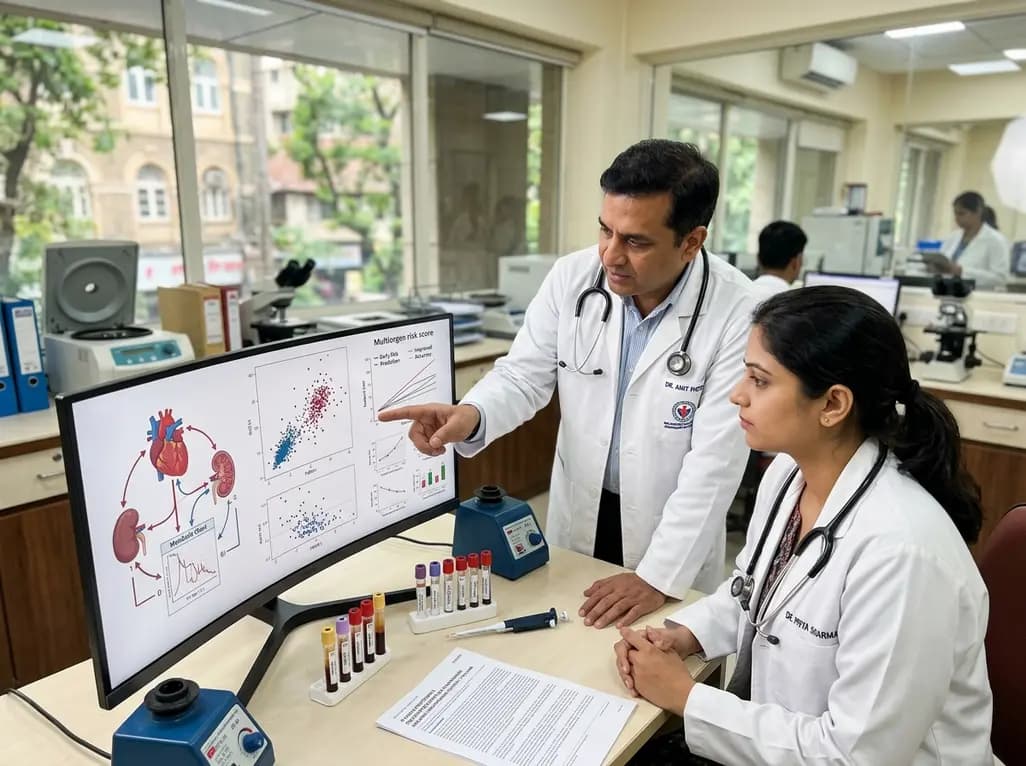
A large UK Biobank study reveals that plasma proteomic signatures capture preclinical organ damage and improve multiorgan risk prediction across early CKM syndrome stages 0 to 2 beyond traditional PREVENT clinical models.
Today
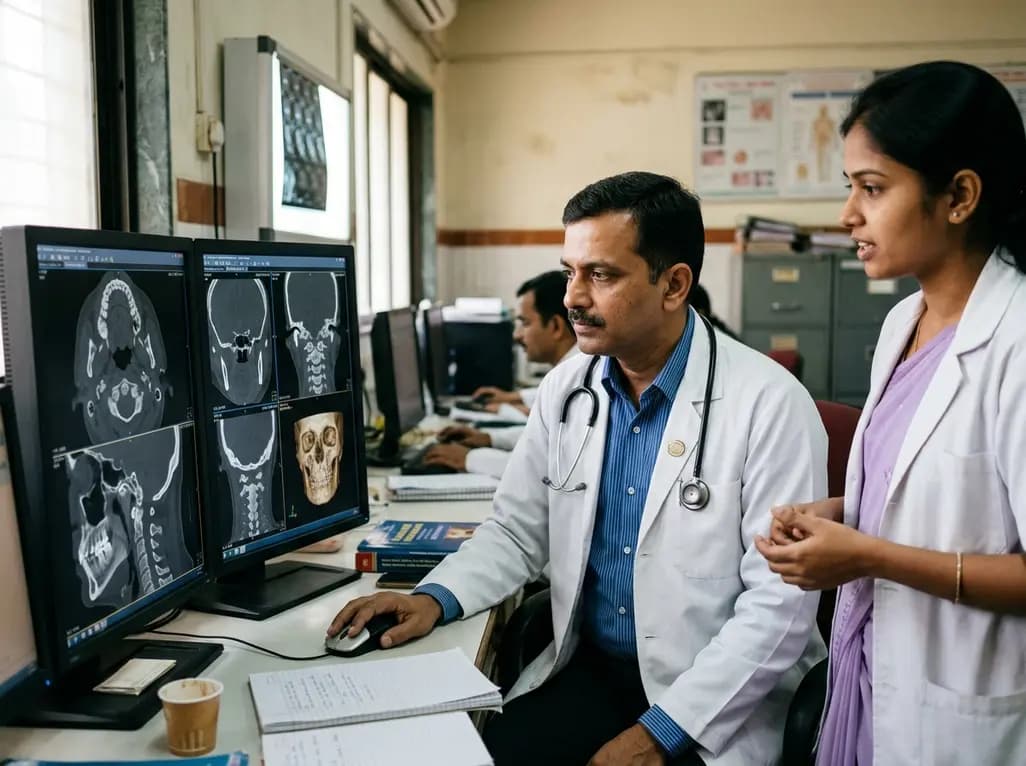
A retrospective CBCT study reveals that superior TMJ space asymmetry correlates moderately with occipital condyle-atlas-axis asymmetry in unilateral TMJ osteoarthritis, highlighting an imaging correlate between jaw biomechanics and upper cervical alignment rather than a standalone diagnostic marker.
Today
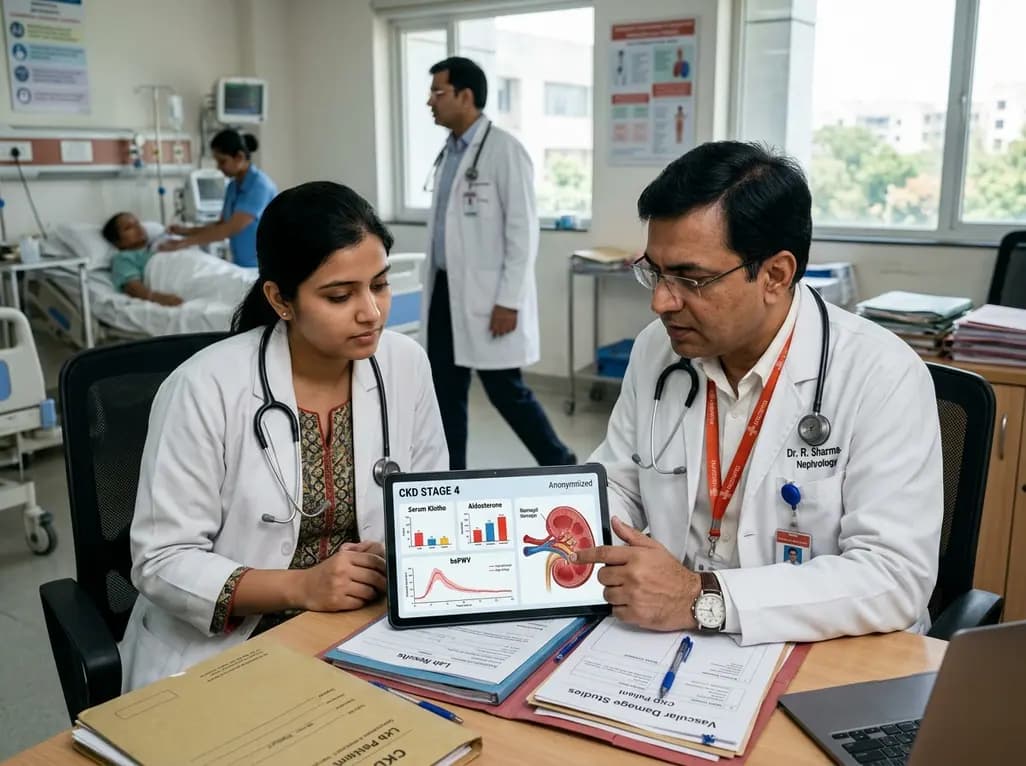
A cross-sectional investigation highlights the complex pathophysiological links between serum Klotho deficiency, secondary hyperaldosteronism, and vascular damage in CKD. Discover key insights into non-invasive vascular stiffness markers and targeted therapeutic pathways for cardiorenal protection.
Today
