.webp&w=384&q=75)

Loading, please wait...
Loading, please wait...
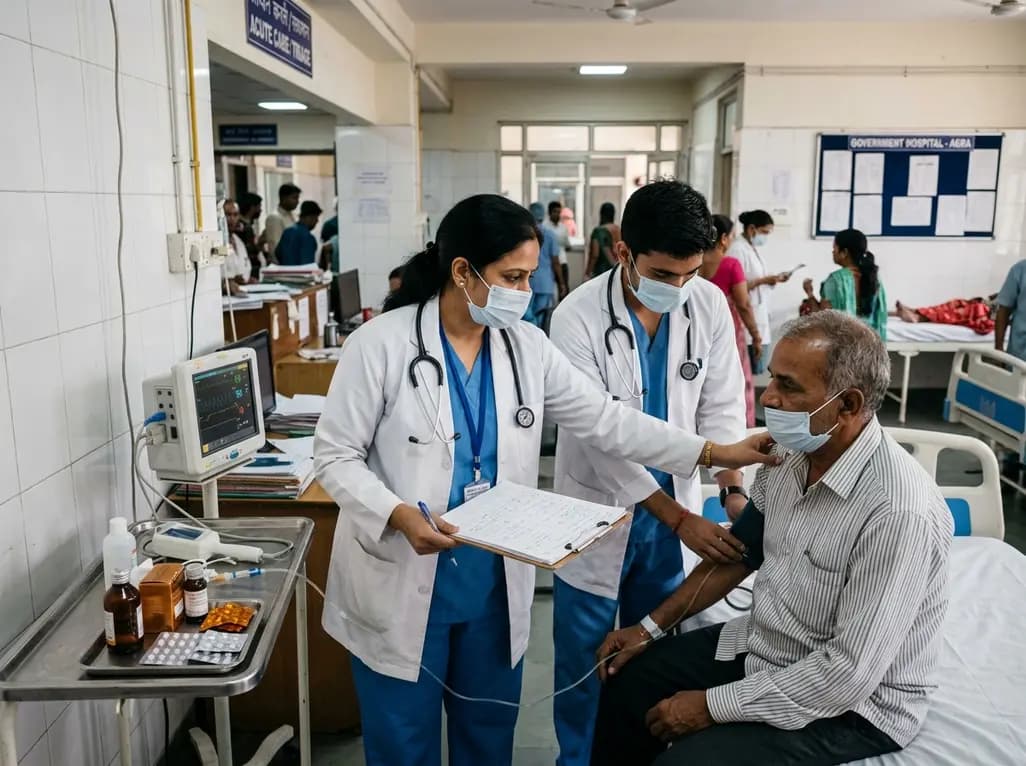
Health authorities across Uttar Pradesh have officially declared a swine flu alert in Agra following rising influenza A (H1N1) transmissions reported in neighboring metropolitan hubs like Delhi and Lucknow. Because Agra attracts substantial domestic and international footfall, district surveillance teams have stepped up thermal and clinical screening at primary landmarks, including the Taj Mahal and Fatehpur Sikri. Simultaneously, local healthcare administrators have placed bulk orders for 5,000 oseltamivir tablets and reserved dedicated isolation beds across tertiary hospitals. For practicing clinicians, this heightened regional vigilance underscores the urgent necessity of recognizing progressive influenza presentations early, implementing standardized triage systems, and initiating evidence-based antiviral therapy without diagnostic delays.
The operational directives issued under the state health advisory focus heavily on breaking transmission chains across crowded transit points and prominent heritage hubs. Rapid response teams have intensified clinical monitoring at critical travel junctions, deploying non-invasive thermal checks and symptom screening protocols. In addition, frontline medical personnel at the district hospital and community health centers have received specialized influenza management training alongside seasonal influenza vaccinations. Consequently, medical facilities have prepared dedicated isolation units at Sarojini Naidu Medical College and regional public hospitals to handle potential surges.
Importantly, public health officials emphasize that generalized panic remains unwarranted because targeted containment prevents uncontrolled community spread. Mass laboratory testing for every mild viral illness is neither practical nor clinically indicated. Therefore, public health strategies focus on screening symptomatic travelers, isolating suspect cases, and maintaining sufficient antiviral stockpiles. Clinicians working in outpatient clinics must align their daily triage practices with these public directives to ensure optimal healthcare resource utilization while remaining vigilant for atypical respiratory clusters in their local communities.
To optimize clinical workflows during influenza surges, the Ministry of Health and Family Welfare recommends a systematic, three-tier categorization model for all suspected influenza presentations. Category A encompasses patients presenting with mild fever, cough, sore throat, headache, and body aches without red-flag symptoms. These patients require neither antiviral therapy nor diagnostic testing. Instead, clinicians should prescribe supportive symptomatic care, advise rigorous home isolation, and recommend reassessment after 24 to 48 hours if symptoms do not improve.
Conversely, Category B applies to individuals demonstrating high-grade fever and severe pharyngitis, or mild symptoms coexisting with high-risk underlying conditions. Medical officers must immediately initiate oral oseltamivir for Category B patients without waiting for laboratory confirmation, though home isolation remains appropriate if hemodynamic stability persists. Category C represents severe, progressive illness characterized by dyspnea, chest pain, cyanosis, hemoptysis, hypotension, altered mentation, or worsening somnolence. Patients meeting Category C criteria mandate immediate hospital admission, urgent real-time RT-PCR testing, aggressive supportive therapy, and immediate full-dose antiviral administration to prevent fatal respiratory deterioration.
Seasonal influenza viruses can cause catastrophic morbidity among specific vulnerable cohorts due to altered host immune responses and physiological vulnerabilities. Epidemiological data highlight that pediatric patients under 10 years of age and geriatric adults aged 70 years and older face elevated hazards of rapid decompensation. Similarly, pregnant and postpartum women exhibit heightened vulnerability to severe pulmonary injury, spontaneous abortion, and preterm labor caused by altered systemic immunity and altered cardiopulmonary dynamics.
Furthermore, underlying non-communicable diseases significantly amplify disease severity. Patients suffering from diabetes mellitus, active malignancies, pulmonary tuberculosis, chronic obstructive pulmonary disease, or chronic heart failure display impaired viral clearance mechanisms. Similarly, individuals with advanced human immunodeficiency virus infection, chronic renal failure, or hepatic cirrhosis frequently develop secondary bacterial superinfections. Therefore, clinicians must maintain a remarkably low threshold for antiviral intervention whenever these vulnerable patients present with respiratory symptoms during an active outbreak period.
Neuraminidase inhibitors serve as the cornerstone of pharmacotherapy for moderate-to-severe influenza A (H1N1) infections. Oral oseltamivir remains the primary therapeutic agent across government and private medical institutions in India. For standard adult treatment in Category B and C cases, clinicians should prescribe 75 milligrams twice daily for five consecutive days. However, in critically ill patients demonstrating persistent viral replication or severe acute respiratory distress syndrome, extending therapy beyond five days may become clinically necessary.
Pediatric dosing requires meticulous weight-based titration, administering 30 milligrams twice daily for children weighing under 15 kilograms, and up to 75 milligrams twice daily for children exceeding 40 kilograms. Therapeutic efficacy peaks when patients begin antiviral therapy within 48 hours of symptom onset. Nevertheless, clinical evidence demonstrates significant survival benefits even when initiating oseltamivir later in hospitalized, severely ill patients. Clinicians should concurrently prescribe appropriate antipyretics, maintain adequate hydration, monitor oxygen saturation closely, and avoid empiric antibiotics unless clinical or radiological signs point to secondary bacterial pneumonia.
Preventing nosocomial transmission requires strict adherence to standard and droplet precautions across all primary, secondary, and tertiary care facilities. Outpatient departments must establish dedicated fever triage desks to screen arriving patients, promptly isolate coughing individuals, and distribute triple-layer surgical masks at entry points. Furthermore, healthcare staff should enforce strict hand hygiene protocols, using alcohol-based hand rubs or soap water before and after every patient interaction.
Additionally, annual quadrivalent influenza vaccination provides essential protection for frontline healthcare workers, emergency personnel, and high-risk community members. Hospital infection control committees should regularly audit isolation wards, ensure adequate negative pressure ventilation where applicable, and maintain proper personal protective equipment inventories. By educating patients on cough etiquette, voluntary self-isolation during febrile illnesses, and early warning signs, healthcare practitioners can significantly curtail community transmission and reduce the clinical burden on emergency services.
Q1: What are the primary warning signs indicating Category C swine flu?
Category C swine flu presents with severe clinical warning signs including progressive dyspnea, persistent chest pain, cyanosis, hemoptysis, low oxygen saturation, and sudden drops in blood pressure. Patients may also exhibit severe dizziness, persistent vomiting, altered mental status, or worsening lethargy. These clinical manifestations indicate impending respiratory failure or systemic complications, requiring immediate hospitalization, isolation, urgent diagnostic evaluation, and prompt initiation of comprehensive critical care management.
Q2: Should every patient with fever and cough undergo H1N1 testing?
No, routine laboratory testing is explicitly not recommended for all individuals presenting with uncomplicated flu-like symptoms. Under standard national guidelines, mild cases categorized as Category A require only symptomatic relief and home isolation without viral testing. Diagnostic real-time RT-PCR testing is strictly reserved for hospitalized Category C patients, atypical progressive presentations, and designated surveillance cohorts to preserve testing resources and prevent diagnostic bottlenecks.
Q3: How soon should oseltamivir be initiated in high-risk patients?
Clinicians should ideally initiate oseltamivir therapy within 48 hours of initial symptom onset to achieve maximal viral suppression and clinical efficacy. However, for high-risk Category B patients and severely ill hospitalized Category C individuals, antiviral treatment must be started immediately without waiting for confirmatory laboratory test results, as treatment still offers substantial clinical benefits even when administered after the initial 48-hour window.
Disclaimer: This content is for informational and educational purposes only. It does not constitute medical advice or replace professional judgment. Refer to the latest local and national guidelines for clinical practice.
References

Read summarized clinical updates, watch expert medical content, and earn CME certifications right from your smartphone.
Open your smartphone camera to scan and install.





Agra health authorities have issued a swine flu alert, stepping up screening at major tourist destinations. Frontline medical teams must follow national MoHFW triage protocols, initiate timely oseltamivir therapy, and protect vulnerable patient populations from progressive respiratory complications.
4 weeks back
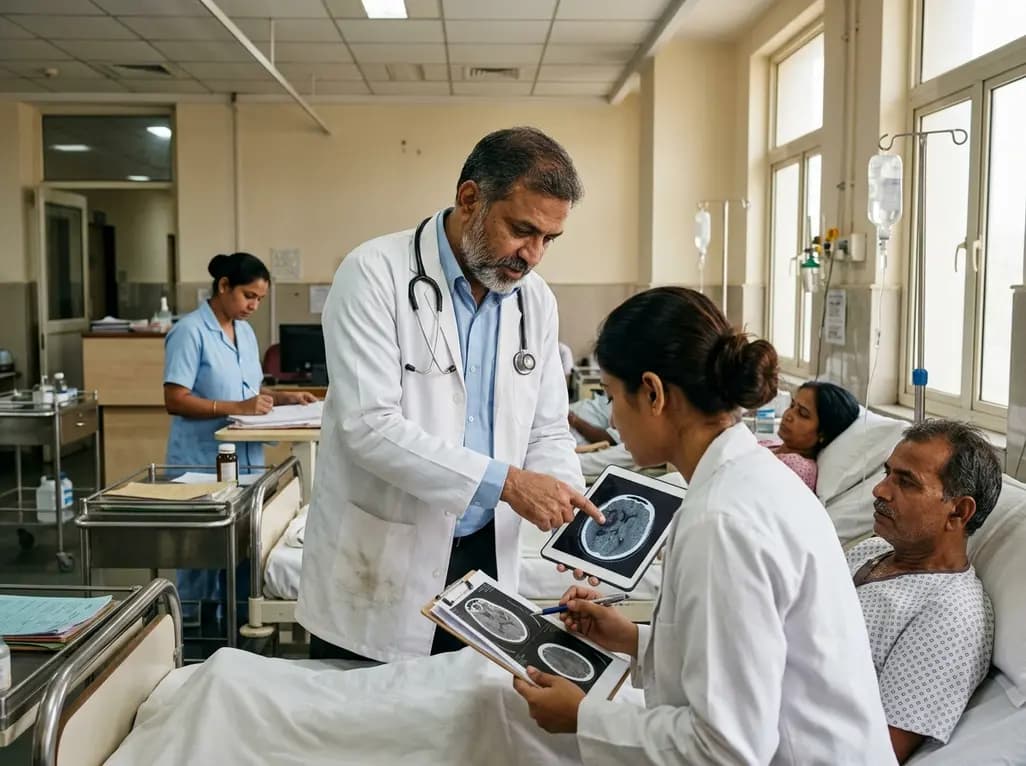
A landmark study demonstrates that RIPK1 activation in the subacute phase of intracerebral hemorrhage drives inflammation, blood-brain barrier leakage, and cognitive impairment in males but not females, highlighting essential sex differences for precision neuroprotective clinical trials.
Today

A pharmacometric and machine learning study reveals that specific vaginal bacteria alter cervical antiretroviral exposure, highlighting the need for precision HIV PrEP strategies.
Today

New clinical evidence demonstrates a shift away from strict exercise restrictions in genetic heart disease. While patients with channelopathies engage in more vigorous activity than those with cardiomyopathies, shared decision-making and individualized risk assessments ensure safe, beneficial exercise participation.
Today
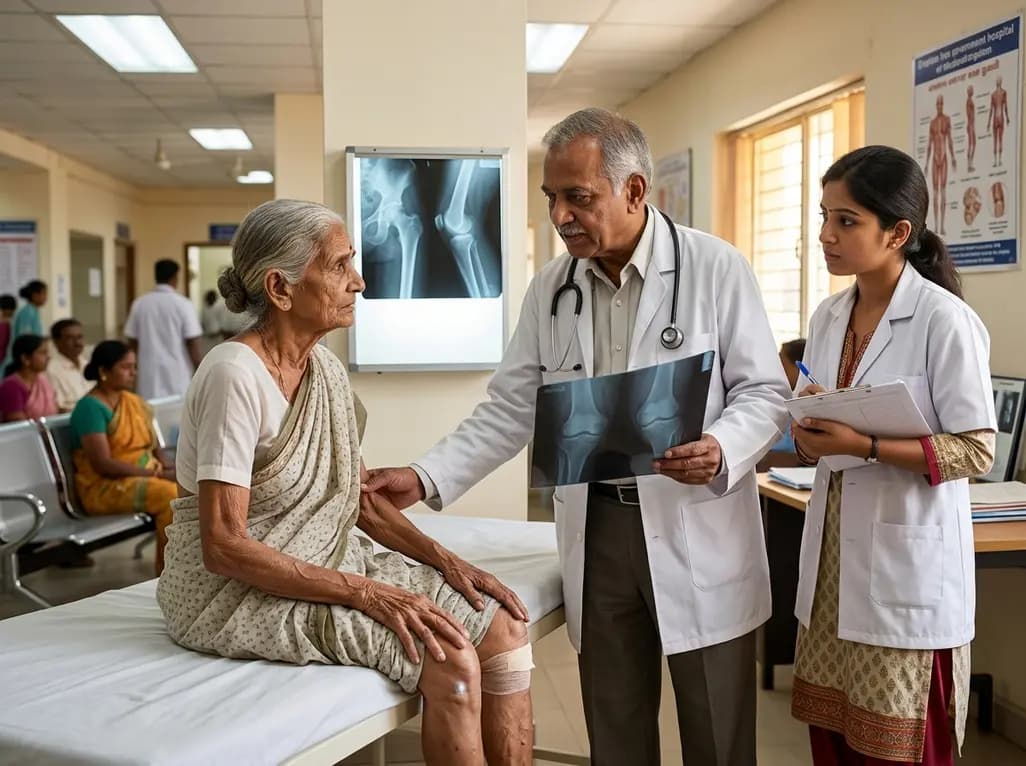
Sarcopenia significantly impairs functional independence and amplifies fracture risks in patients with osteoarthritis and osteoporosis. Learn about modern diagnostic strategies, GLP-1 therapy considerations, and evidence-based non-pharmacological management across multidisciplinary clinical settings.
Today
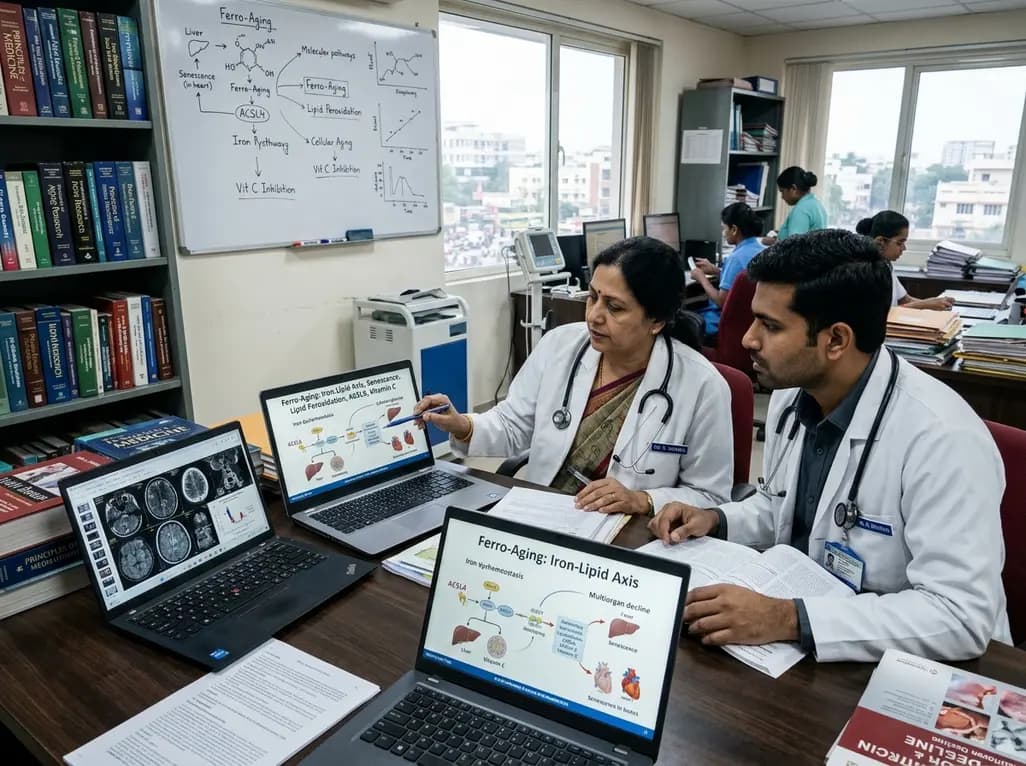
Recent research defines ferro-aging as a conserved iron-lipid axis driving organ decline across primates. Age-related iron dyshomeostasis stimulates ACSL4-mediated lipid peroxidation, promoting cellular senescence. Notably, vitamin C directly inhibits ACSL4, suppressing phospholipid oxidation and multi-organ decay.
Today
