.webp&w=384&q=75)

Loading, please wait...
Loading, please wait...

Clinicians have significantly improved the management of severe retinopathy of prematurity (ROP) with the advent of anti-vascular endothelial growth factor (VEGF) therapy. Specifically, aflibercept in ROP has emerged as a promising tool for experts dealing with aggressive posterior disease. This agent acts as a potent VEGF trap with high binding affinity. Consequently, it offers prolonged intraocular activity compared to shorter-acting medications. Many researchers believe these unique properties help reduce the risk of late disease recurrence while preserving peripheral retinal tissue.
Recent clinical investigations have provided valuable insights into the efficacy of this treatment. Early retrospective studies utilized a 1 mg dose, which resulted in rapid regression of the disease. Furthermore, patients treated with aflibercept often experienced better refractive outcomes than those receiving laser therapy. Following these early findings, the pivotal FIREFLEYE and BUTTERFLEYE randomized controlled trials evaluated a lower 0.4 mg dose. These studies demonstrated that aflibercept achieves comparable treatment success to laser photocoagulation. Additionally, the drug preserves the peripheral retina and lowers the incidence of high myopia in growing infants.
While the benefits are clear, practitioners must remain vigilant regarding late complications. Reactivation of ROP after aflibercept treatment typically occurs less frequently and later than with ranibizumab. However, persistent avascular retina remains a primary concern for many neonatologists and ophthalmologists. Therefore, infants require prolonged surveillance to monitor for potential recurrence. If the disease returns, clinicians may use adjunctive laser treatment to ensure stable outcomes. Systemic safety data currently appear reassuring. Short-term studies show no significant adverse effects on growth or neurodevelopmental milestones for these vulnerable infants.
These trials showed that a 0.4 mg dose of aflibercept provides comparable treatment success to laser photocoagulation. Furthermore, infants treated with aflibercept showed lower rates of high myopia and better preservation of the peripheral retina.
Reactivation following aflibercept typically occurs less frequently and later than with ranibizumab. Moreover, its recurrence rate is similar to or lower than that of bevacizumab, though long-term surveillance remains essential for all treated patients.
Disclaimer: This content is for informational and educational purposes only and does not constitute medical advice. Always seek the advice of a qualified healthcare provider with any questions regarding a medical condition. Refer to the latest local and national guidelines for clinical practice.
References

Read summarized clinical updates, watch expert medical content, and earn CME certifications right from your smartphone.
Open your smartphone camera to scan and install.





This review explores aflibercept's role in ROP, highlighting rapid disease regression, trial outcomes, and the need for long-term monitoring....
5 months ago
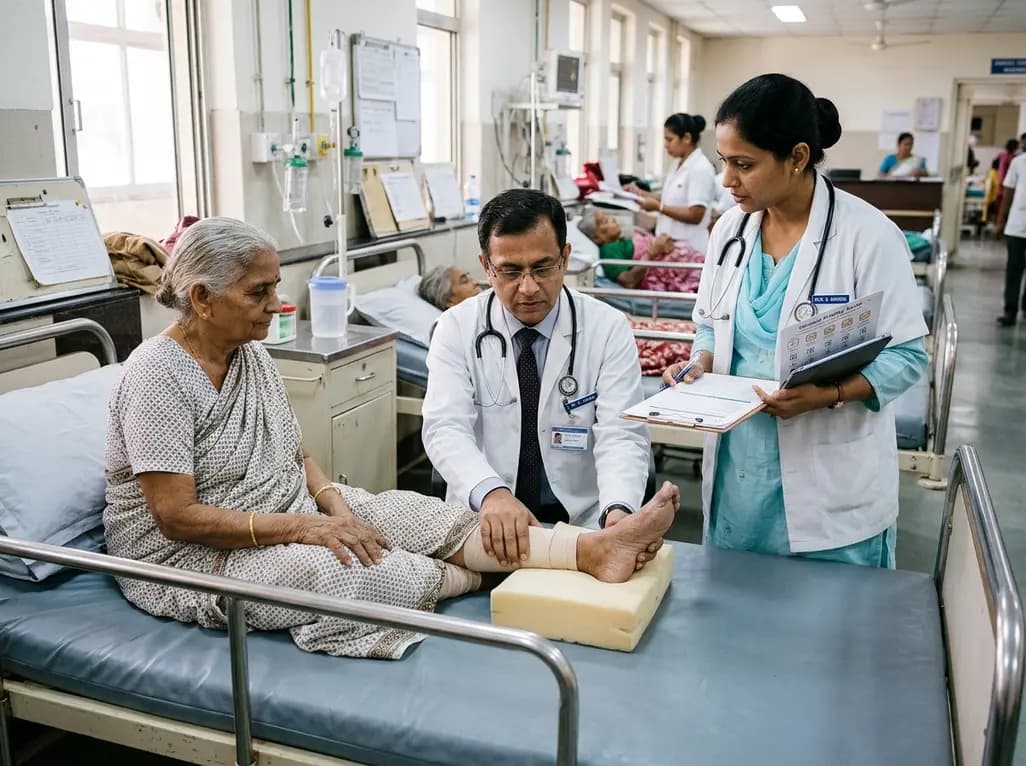
A retrospective cohort study reveals that frailty quadruples the odds of pressure injuries in hospitalized older adults. Integrating the Clinical Frailty Scale with comprehensive geriatric care is crucial for identifying vulnerability early and implementing targeted multidisciplinary prevention.
Today
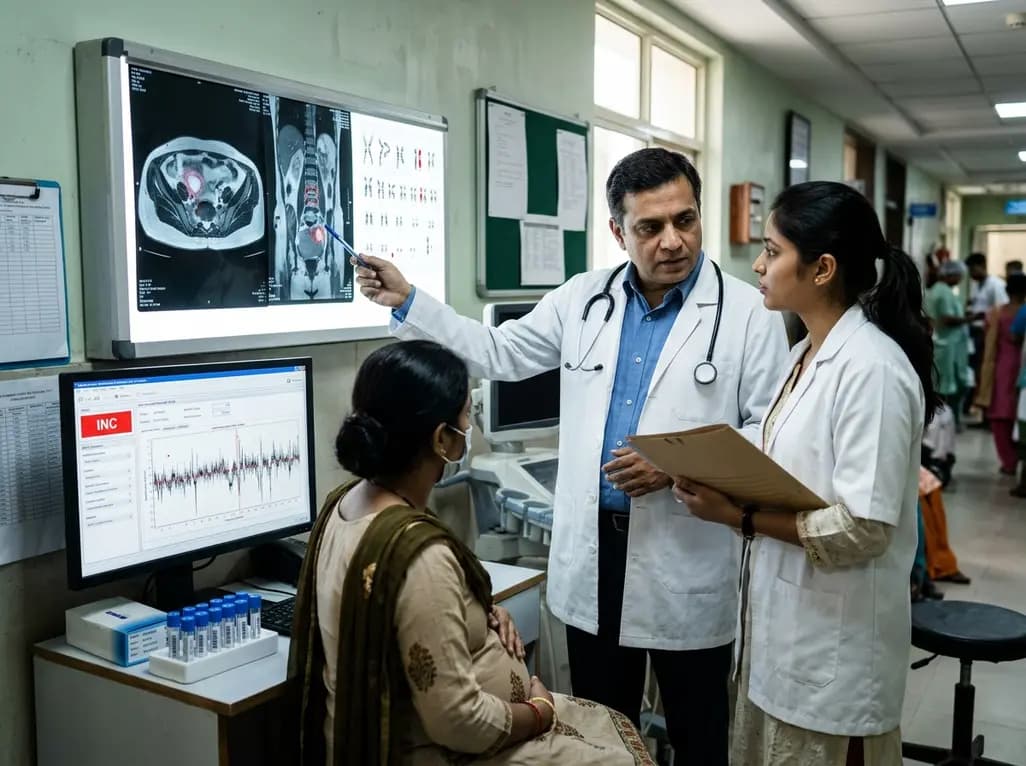
Occult maternal malignancy accounts for 3.82% of persistent unreportable NIPT results with genomic noise. Multiple chromosomal aberrations, notably on chromosome 18, warrant thorough oncological evaluation and whole-body MRI to ensure timely maternal diagnosis while preserving fetal care.
Today

This article reviews the forensic and clinical complexities of acute myocarditis arising on left ventricular hypertrophy in children, highlighting early diagnostic red flags and multidisciplinary postmortem autopsy protocols.
Today

A randomized controlled trial demonstrates that an eight-week dual-task training intervention significantly improves static and dynamic postural control over standard balance exercises in individuals with chronic ankle instability, addressing critical neurocognitive deficits during athletic and daily activities.
Today

A retrospective cohort study of 7,716 ICU patients from the MIMIC-IV database demonstrates that Gradient Boosting Decision Trees significantly outperform traditional SOFA scores in predicting in-hospital mortality among patients with sepsis and diabetes, with SHAP analysis providing clinical interpretability.
Today
