.webp&w=384&q=75)

Loading, please wait...
Loading, please wait...
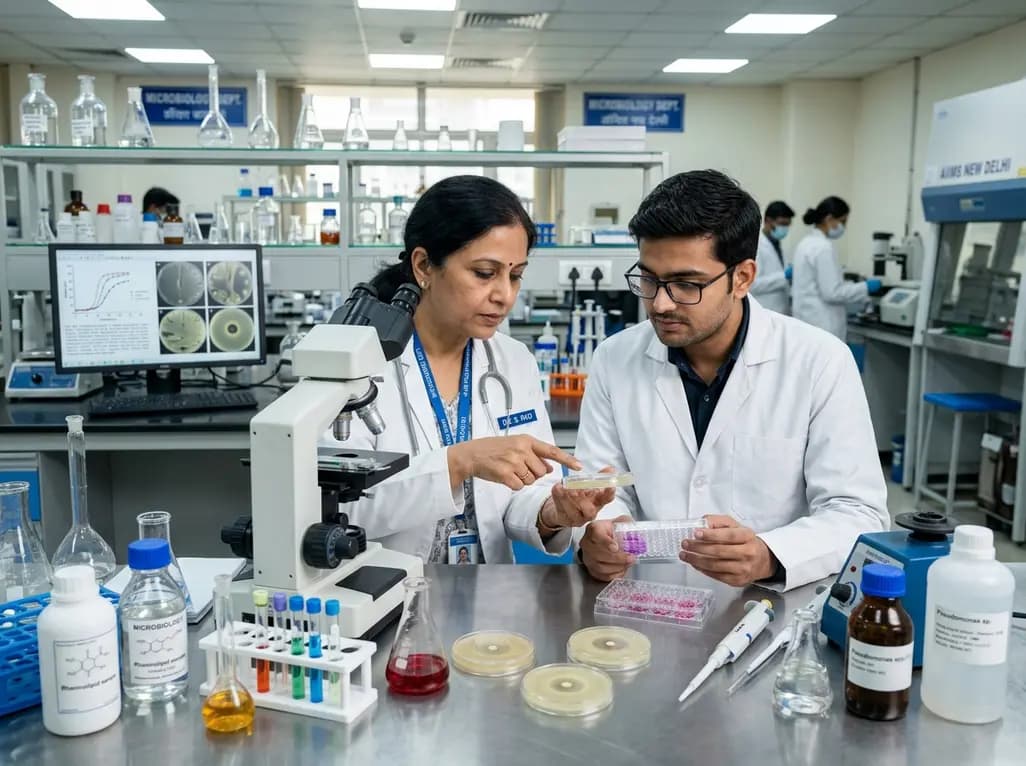
Microbial biosurfactants represent a biologically active class of amphiphilic compounds produced by diverse bacterial, yeast, and fungal strains. Unlike synthetic surfactants, these biomolecules offer superior biodegradability, lower ecological toxicity, and high structural diversity. Researchers classify these compounds into four major groups: glycolipids, lipopeptides, phospholipids, and polymeric biosurfactants. Glycolipids, including rhamnolipids, sophorolipids, and trehalose lipids, exhibit exceptional surface tension reduction and emulsification capacities. Lipopeptides, exemplified by surfactin, iturin, and fengycin, display remarkable membrane-disruptive activities against pathogenic microbes. Additionally, phospholipids and polymeric macromolecules provide robust emulsifying properties that remain stable across broad pH, temperature, and salinity ranges. These amphiphilic structures typically feature distinct hydrophilic head groups linked to hydrophobic fatty acid chains. Consequently, microbial biosurfactants demonstrate unique critical micelle concentrations that enable efficient self-assembly in aqueous environments. These biomolecules also maintain functional stability under extreme physiological conditions. Because of these favorable physicochemical properties, clinicians and pharmaceutical scientists increasingly explore their therapeutic potential. Their sustainable microbial origin and biocompatibility position them as attractive candidates for modern healthcare interventions.
Multidrug-resistant pathogens present a formidable global healthcare challenge, particularly when organized into structured biofilms. Microbial biosurfactants disrupt these resilient microbial communities through multiple coordinated mechanisms. Evidence shows that these amphiphilic agents can reduce initial bacterial adhesion to biomedical surfaces by up to 90%. Furthermore, they inhibit mature biofilm formation by more than 80% across diverse Gram-positive and Gram-negative pathogens. Biosurfactants achieve this disruption by lowering interfacial tension and modifying cell surface hydrophobicity. In addition, these molecules destabilize the protective extracellular polymeric substance matrix that shields embedded bacteria. Lipopeptides and glycolipids insert directly into bacterial cell membranes, inducing structural permeability, ion leakage, and rapid cell lysis. Importantly, combining biosurfactants with standard antibiotics enhances therapeutic efficacy against drug-resistant strains. This synergistic interaction restores bacterial susceptibility and significantly lowers required antibiotic doses. Consequently, incorporating microbial biosurfactants into catheter coatings, wound dressings, and antimicrobial washes provides a potent strategy against hospital-acquired infections. Healthcare teams can thus leverage these agents to overcome traditional resistance pathways without triggering compensatory microbial defenses.
In modern pharmacotherapy, delivering poorly water-soluble therapeutics remains a major formulation obstacle. Microbial biosurfactants serve as versatile building blocks for advanced nanoscale drug delivery architectures. Specifically, these surface-active molecules facilitate the spontaneous assembly of stable liposomes, polymeric micelles, nanoemulsions, and solid lipid nanoparticles. Because of their unique amphiphilic architecture, biosurfactants enhance the aqueous solubility of hydrophobic compounds, thereby increasing systemic bioavailability. Moreover, biosurfactant-based nanocarriers protect delicate active pharmaceutical ingredients from enzymatic degradation in the gastrointestinal tract. These nanosystems also permit programmable, sustained, and targeted release profiles directly at pathological tissue sites. In oncology, biosurfactant-functionalized nanocarriers selectively extravasate into solid tumor microenvironments through enhanced permeability and retention mechanisms. Similarly, in pulmonary medicine, inhalable biosurfactant nanoemulsions improve deep lung aerosol deposition and mucosal penetration. Furthermore, these bio-based carriers demonstrate exceptional cellular biocompatibility and lower hemolytic activity compared to synthetic detergents. Consequently, pharmaceutical innovators increasingly incorporate microbial biosurfactants to optimize pharmacokinetics, enhance therapeutic indices, and reduce adverse drug reactions.
Beyond their direct antimicrobial capabilities, microbial biosurfactants play a vital regenerative role in tissue repair and immune regulation. During cutaneous wound healing, biosurfactants stimulate re-epithelialization by accelerating keratinocyte and fibroblast proliferation. In addition, these natural compounds enhance collagen synthesis, angiogenesis, and extracellular matrix remodeling at injury sites. Their inherent antioxidant properties mitigate oxidative stress by scavenging reactive oxygen species, which prevents excessive tissue destruction. Simultaneously, biosurfactants modulate host immune responses by downregulating excessive pro-inflammatory cytokines such as tumor necrosis factor-alpha and interleukin-6. Conversely, they promote anti-inflammatory signaling cascades that facilitate prompt transition from inflammatory to proliferative wound phases. In vaccine formulation, biosurfactants function as potent, non-toxic adjuvants. They stimulate both cell-mediated and humoral immune pathways by enhancing antigen presentation to dendritic cells. Furthermore, dermatological formulations leverage biosurfactants to accelerate healing in chronic diabetic ulcers, burn wounds, and surgical incisions. Therefore, biosurfactant-based topical formulations represent a multifaceted therapeutic approach that simultaneously curbs localized infection, mitigates chronic inflammation, and accelerates tissue regeneration.
Despite extensive biomedical promise, the widespread commercial adoption of microbial biosurfactants requires scalable, cost-effective biomanufacturing paradigms. Historically, low microbial yields and high downstream processing expenses have hindered industrial translation. However, recent developments in metabolic engineering and synthetic biology offer effective solutions to these production bottlenecks. Researchers now engineer robust bacterial and fungal hosts with optimized metabolic flux toward biosurfactant biosynthesis. In addition, utilizing low-cost renewable feedstocks, such as agro-industrial residues and waste cooking oils, drastically reduces raw material expenditure. Modern bioprocess engineers also implement innovative fermentation strategies, including fed-batch bioreactors and continuous in situ product recovery systems. Advanced downstream purification techniques, such as membrane ultrafiltration, crystallization, and supercritical fluid extraction, yield highly pure, endotoxin-free formulations suitable for parenteral administration. Furthermore, integrating multi-omics technologies clarifies complex regulatory networks controlling surfactant gene expression. These systematic bioprocessing advances substantially lower unit production costs while ensuring batch-to-batch reproducibility. As scalable production becomes viable, pharmaceutical manufacturers can more reliably transition microbial biosurfactants from experimental laboratories into high-grade clinical products.
The translation of microbial biosurfactants into routine clinical practice requires rigorous toxicological validation and defined regulatory compliance pathways. While preliminary in vitro and animal models demonstrate favorable biosafety, thorough human safety assessments remain essential. Regulatory authorities demand meticulous characterization of compound purity, pharmacokinetic behavior, and potential immunogenicity before clinical approval. Fortunately, the integration of artificial intelligence and machine learning accelerates this translational timeline. Machine learning algorithms predict quantitative structure-activity relationships, optimizing molecular structures for enhanced bioactivity and reduced cytotoxicity. Computational models also streamline fermentation parameters, predicting optimal nutrient feeding profiles to maximize yield. Furthermore, multi-omics-guided discovery enables the identification of novel biosurfactant gene clusters from previously unculturable marine and extremophilic microorganisms. These technological synergies pave the way for next-generation tailored biomolecules designed for specific therapeutic niches. Ultimately, establishing standardized international regulatory frameworks will enable clinicians and pharmacists to safely incorporate microbial biosurfactants into antimicrobial stewardship programs, cancer therapies, and advanced regenerative medicine.
Microbial biosurfactants combat biofilm-associated infections by lowering interfacial surface tension and altering bacterial cell wall hydrophobicity. Consequently, these amphiphilic molecules prevent initial planktonic bacterial adhesion by up to 90% and inhibit mature biofilm development by over 80%. Furthermore, biosurfactants penetrate and destabilize the protective extracellular matrix, disrupt microbial cell membranes, and significantly potentiate standard antibiotic penetration against multidrug-resistant pathogens.
Biosurfactants offer superior biodegradability, exceptionally low cytotoxicity, and minimal immunogenicity compared to conventional synthetic surfactants. Additionally, their unique amphiphilic architecture facilitates the spontaneous formulation of stable liposomes, micelles, and nanoemulsions. These natural nanocarriers effectively solubilize hydrophobic pharmaceuticals, protect labile compounds from enzymatic degradation, improve systemic bioavailability, and permit precise, targeted tissue release while avoiding the hemolytic toxicity typical of chemical detergents.
The clinical translation of biosurfactants faces obstacles including low fermentation yields, high downstream purification costs, and stringent regulatory safety requirements. Removing microbial endotoxins and ensuring batch-to-batch structural consistency for parenteral use remain technically demanding bioprocess hurdles. However, advances in metabolic engineering, synthetic biology, low-cost feedstocks, and artificial intelligence-guided bioprocess optimization are rapidly addressing these limitations to enable cost-effective, medical-grade manufacturing.
Disclaimer: This content is for informational and educational purposes only and does not constitute medical advice, diagnosis, or treatment. Always consult a qualified healthcare professional regarding any medical condition or treatment options. Refer to the latest local and national guidelines for clinical practice.
References

Read summarized clinical updates, watch expert medical content, and earn CME certifications right from your smartphone.
Open your smartphone camera to scan and install.





Microbial biosurfactants offer sustainable alternatives to synthetic surfactants in healthcare, demonstrating up to 90% reduction in bacterial adhesion, potent biofilm disruption, and enhanced drug delivery across diverse biomedical and pharmaceutical platforms.
last month

A retrospective clinical analysis reveals that hemodialysis-associated cognitive dysfunction arises from synergistic pathological mechanisms, including severe chronic anemia, worsening renal clearance, abnormal regional brain iron deposition, and an imbalance between neuroinflammatory and neurotrophic factors.
Today
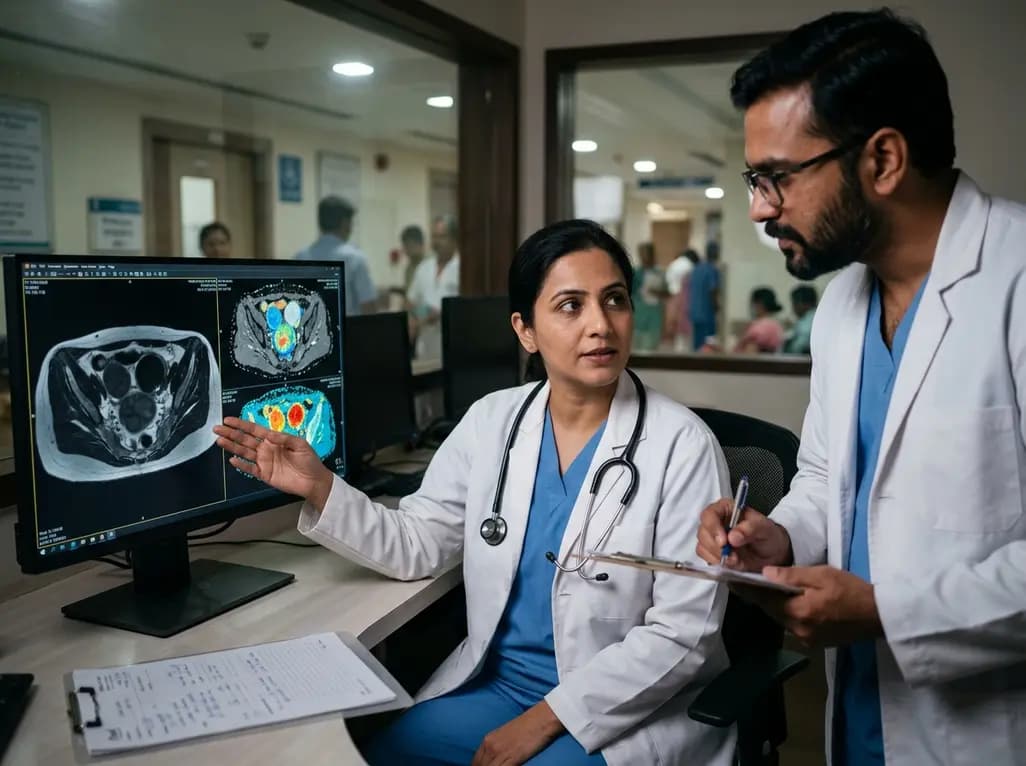
A multiparametric MRI approach combining quantitative T2 shading, apparent diffusion coefficient (ADC) measurements, and morphological signs provides superior diagnostic accuracy over subjective evaluation to differentiate ovarian endometriomas from benign hemorrhagic cysts.
Today
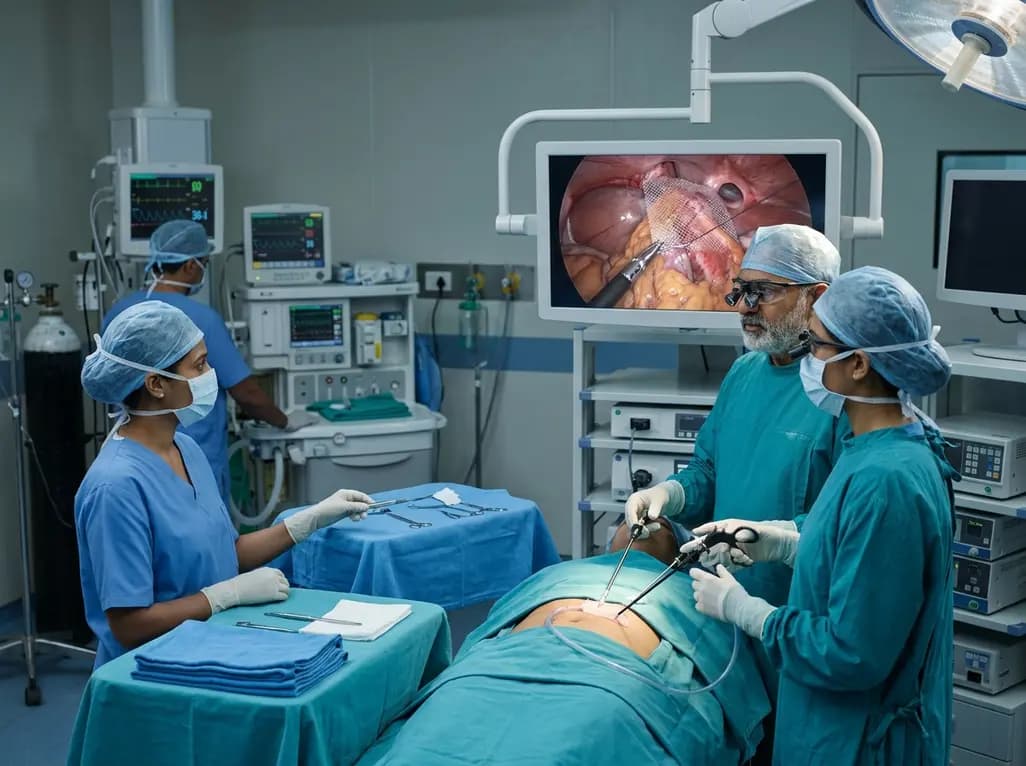
Discover a novel laparoscopic approach for iatrogenic diaphragmatic hernia repair following pedicled omentoplasty. This modified Sugarbaker technique integrates dorsal pedicle lateralization and round ligament reinforcement to secure the diaphragmatic defect while preserving vital omental vascularity.
Today
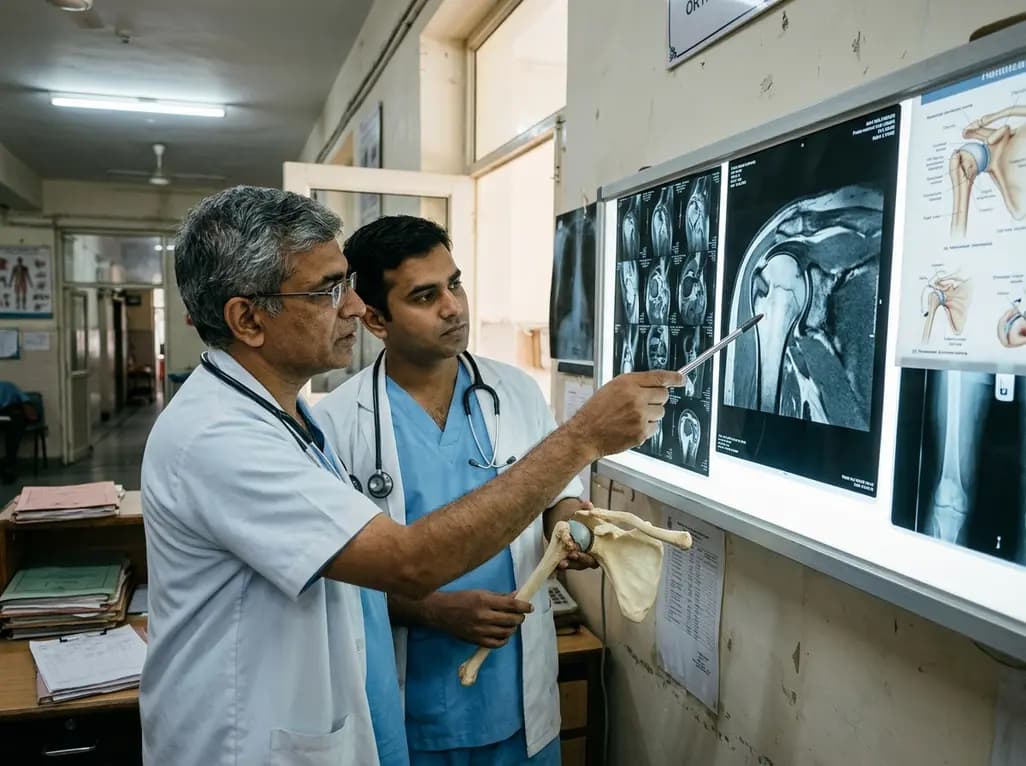
Evaluating Hill-Sachs lesion size and the distance to dislocation is critical in recurrent shoulder instability. As bone loss concepts shift from binary on-track classifications to continuous risk assessment, clinicians must identify when isolated Bankart repair is insufficient and supplementary procedures are needed.
Today
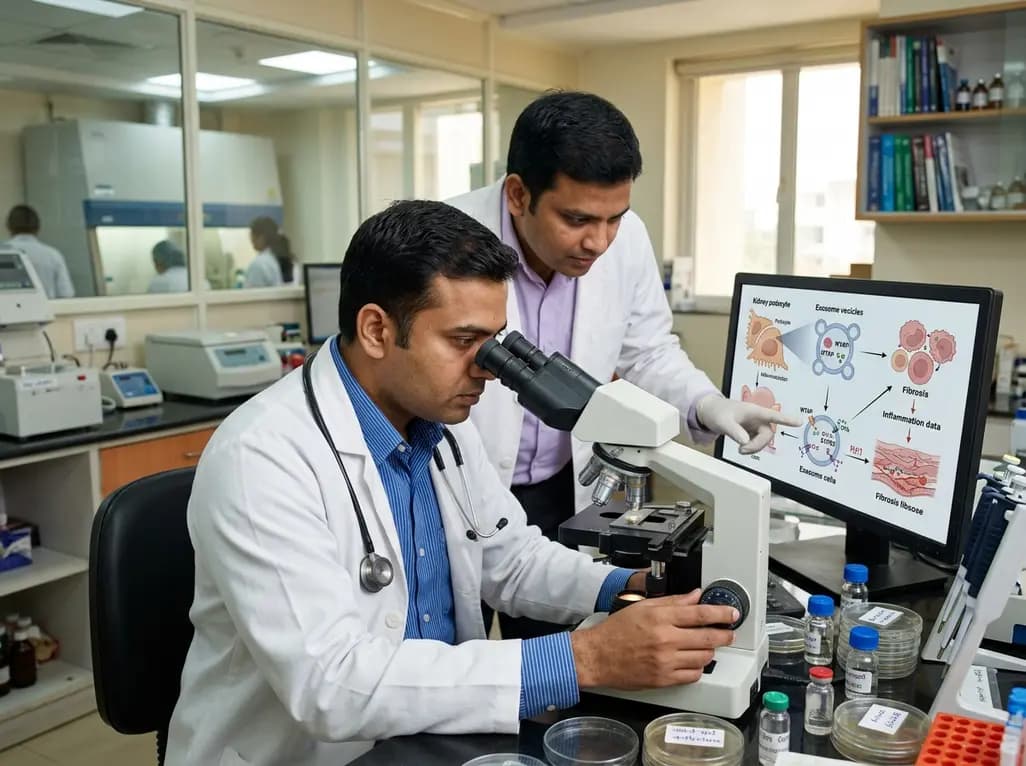
New research reveals that M1 macrophage-derived exosomes aggravate diabetic nephropathy by transferring WTAP to stabilize S1PR2 mRNA. Silencing WTAP in these vesicles attenuates endothelial injury and renal fibrosis, pointing toward innovative nanomedicine therapies.
Today
