.webp&w=384&q=75)

Loading, please wait...
Loading, please wait...
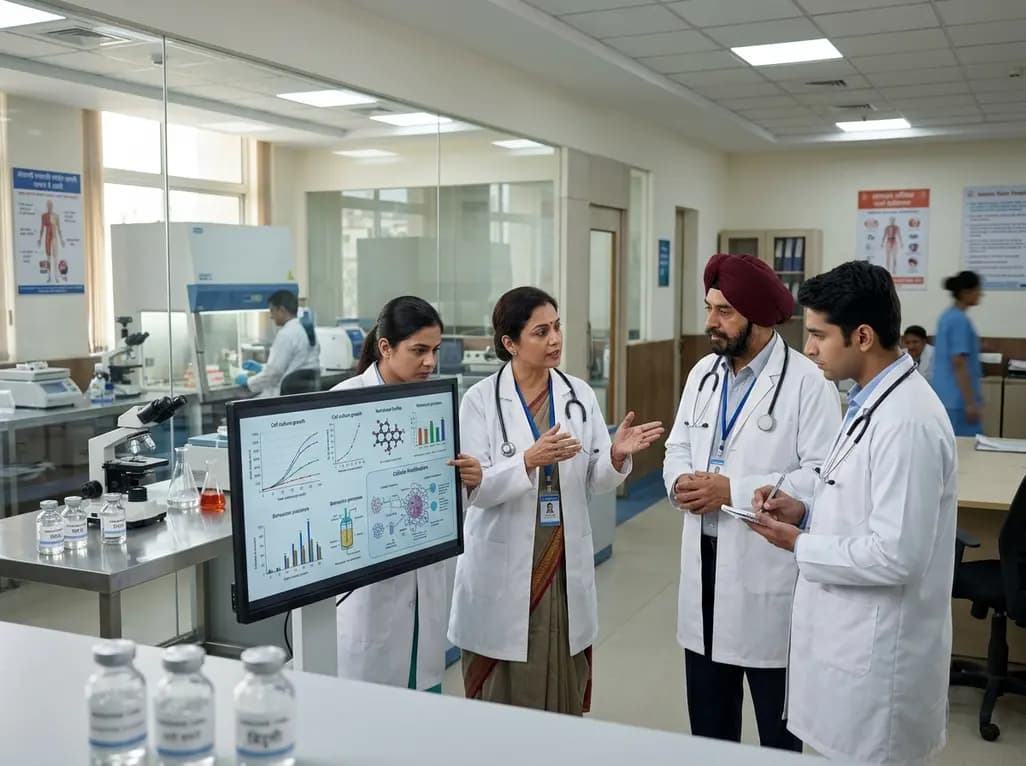
Global food security and environmental sustainability represent two of the most urgent public health concerns today. Traditional livestock farming places an enormous burden on land, freshwater, and climate resilience, while driving zoonotic risks and antibiotic resistance. Consequently, scientific researchers have accelerated the development of cellular agriculture. In this domain, cultivated meat technology has emerged as a promising avenue to synthesize authentic animal-derived protein without conventional animal rearing. Recent reviews outline how cellular agriculture has transitioned from conceptual prototypes to viable, regulated food products across select international markets.
Cultivated meat technology relies on extracting self-renewing stem cells from donor animals to produce mature muscle, fat, and connective tissue. Historically, cellular agriculture faced skepticism regarding feasibility and safety. However, global regulatory authorities have established pioneering safety frameworks. Singapore granted the world first regulatory clearance for cell-cultured chicken in 2020. Soon after, the United States Food and Drug Administration completed safety consultations in 2022, and the United States Department of Agriculture authorized commercial sales in 2023. These milestones confirm that cultured cellular products meet rigorous safety, sanitation, and labeling standards. Furthermore, these frameworks provide valuable precedents for regulatory bodies worldwide, encouraging standard operating protocols for cell purity, identity, and metabolic stability.
Cultured tissue synthesis requires scalable bioprocessing systems capable of maintaining strict physiological conditions. Cells proliferate within large-scale bioreactors that control oxygen tension, nutrient mixing, pH, and temperature. Historically, cell culture heavily depended on fetal bovine serum, which presented profound ethical, economic, and batch-to-batch consistency challenges. Consequently, bioengineers have developed cost-effective, serum-free, animal-component-free media formulations enriched with recombinant growth factors, amino acids, and essential lipids. In addition, optimizing metabolic efficiency reduces waste accumulation, such as lactate and ammonia. Therefore, industrial scale-up necessitates bioreactor designs that balance shear stress management with optimal fluid dynamics to ensure high cell viability across prolonged cultivation cycles.
While unanchored suspension cultures effectively produce unstructured meat products like minced patties or nuggets, structured meat cuts like steaks require sophisticated structural support. Edible scaffolds provide three-dimensional architecture, facilitating cellular attachment, alignment, vascularization, and differentiation. Materials scientists utilize plant-derived polysaccharides such as alginate, cellulose, and starch, as well as fungal mycelium and recombinant collagen. In addition, innovative 3D bioprinting and electrospinning technologies create fibrous microchannels that mimic genuine skeletal muscle fibers. These biomimetic scaffolds ensure uniform nutrient perfusion during tissue maturation, which ultimately shapes the essential fibrous texture, elasticity, and mouthfeel demanded by consumers.
From a nutritional standpoint, cultivated meat technology presents unparalleled opportunities to tailor macronutrient and micronutrient profiles directly. Clinicians recognize that excessive consumption of conventional red meat correlates with cardiovascular disease and metabolic dysfunction, partly due to high saturated fatty acid content. Conversely, cellular agriculture allows scientists to modulate lipid composition by co-culturing adipocytes enriched with omega-3 polyunsaturated fatty acids. Furthermore, cultivation takes place in sterile, highly regulated cleanroom environments. This closed system minimizes contamination risks from enteric pathogens such as Salmonella, Campylobacter, and Escherichia coli. Additionally, cultivated production completely eliminates the need for prophylactic livestock antibiotics, thereby combating global antimicrobial resistance.
Despite remarkable breakthroughs, several technological and commercial bottlenecks persist. Producing cultivated meat at price parity with conventional agriculture remains the primary commercial hurdle. Recombinant growth factors and media ingredients continue to represent substantial operational costs. Moreover, large industrial bioreactors must overcome mass-transfer limitations to achieve cell densities exceeding one hundred million cells per milliliter. Upstream cell-line immortalization must also maintain genetic stability across hundreds of population doublings without oncogenic deviation. Consequently, multidisciplinary collaboration among bioengineers, food scientists, and regulatory agencies is essential to refine industrial workflows, reduce capital expenditures, and build resilient, sustainable alternative protein supply chains.
Cultivated meat technology is an advanced biotechnological process that grows genuine animal muscle, fat, and connective tissues directly from animal cells in controlled bioreactors, completely eliminating the need for conventional livestock rearing and slaughter.
Cultivated meat matches conventional meat in essential amino acid composition while offering the unique advantage of tunable lipid profiles. Scientists can optimize fatty acid ratios, enhance micronutrients, and eliminate synthetic hormones or antibiotic residues entirely.
Yes, cultivated meat products undergo rigorous toxicological, microbiological, and compositional safety assessments by agencies such as the US FDA, USDA, and Singapore SFA, confirming their safety, purity, and nutritional comparability to traditional meats.
Disclaimer: This content is for informational and educational purposes only and does not constitute medical, dietary, or regulatory advice. Healthcare practitioners should refer to the latest local and national guidelines for clinical practice.
References
Shafi Z et al. Advances in Cultivated Meat Technology for Sustainable Alternative Protein Production: A Review. Biotechnol Bioeng. 2026 Aug 16. doi: 10.1002/bit.70347. PMID: 42604593.
Post MJ et al. Scientific, sustainability and regulatory issues of cultured meat. Nat Food. 2020;1(7):403-415.
Rubio N et al. Plant-based and cell-based approaches to meat alternatives. Annu Rev Food Sci Technol. 2020;11:277-301.

Read summarized clinical updates, watch expert medical content, and earn CME certifications right from your smartphone.
Open your smartphone camera to scan and install.





Advances in cultivated meat technology offer sustainable, slaughter-free animal protein. Explore cell-line engineering, scaffold development, nutritional quality, and global regulatory frameworks.
last month

A Bayesian multilevel meta-analysis reveals that aerobic training combined with moderate carbohydrate restriction modestly lowers HbA1c in type 2 diabetes. However, sparse data and very low certainty leave incremental benefits over exercise or diet alone unproven, highlighting the need for individualized care.
Today

Findings from Project Viva indicate that sustained postpartum weight retention, rather than excessive gestational weight gain alone, directly worsens women's mid-life cardiovascular health, degrading blood pressure and glycemic parameters decades after delivery.
Today
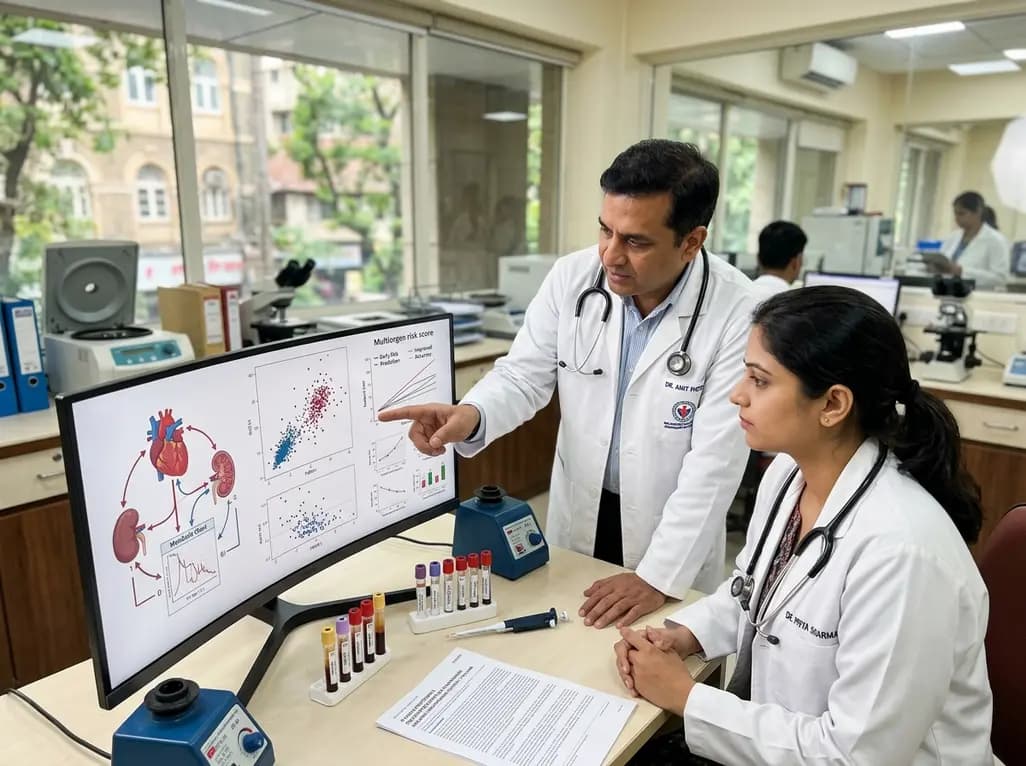
A large UK Biobank study reveals that plasma proteomic signatures capture preclinical organ damage and improve multiorgan risk prediction across early CKM syndrome stages 0 to 2 beyond traditional PREVENT clinical models.
Today
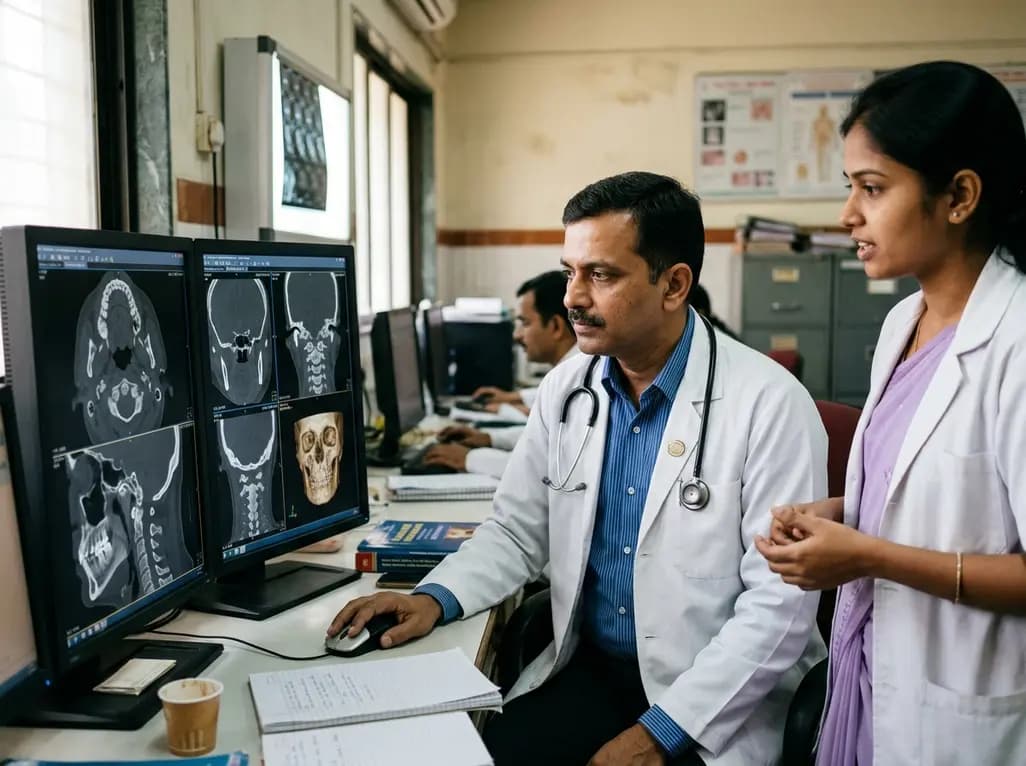
A retrospective CBCT study reveals that superior TMJ space asymmetry correlates moderately with occipital condyle-atlas-axis asymmetry in unilateral TMJ osteoarthritis, highlighting an imaging correlate between jaw biomechanics and upper cervical alignment rather than a standalone diagnostic marker.
Today
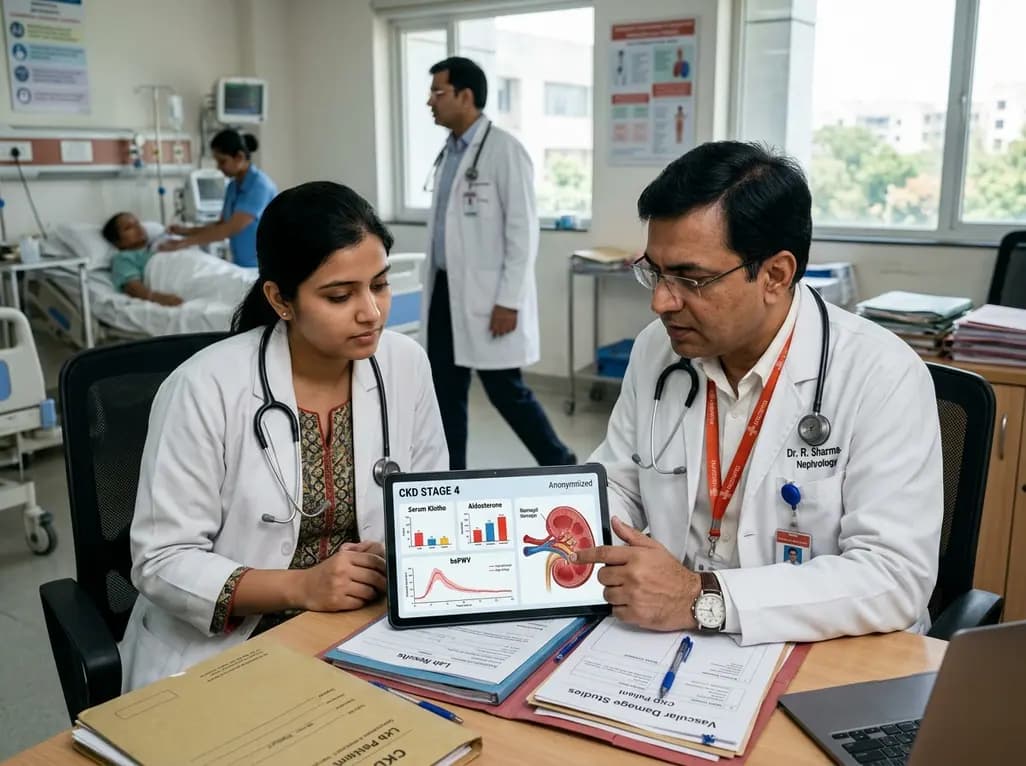
A cross-sectional investigation highlights the complex pathophysiological links between serum Klotho deficiency, secondary hyperaldosteronism, and vascular damage in CKD. Discover key insights into non-invasive vascular stiffness markers and targeted therapeutic pathways for cardiorenal protection.
Today
