

Loading, please wait...
Loading, please wait...
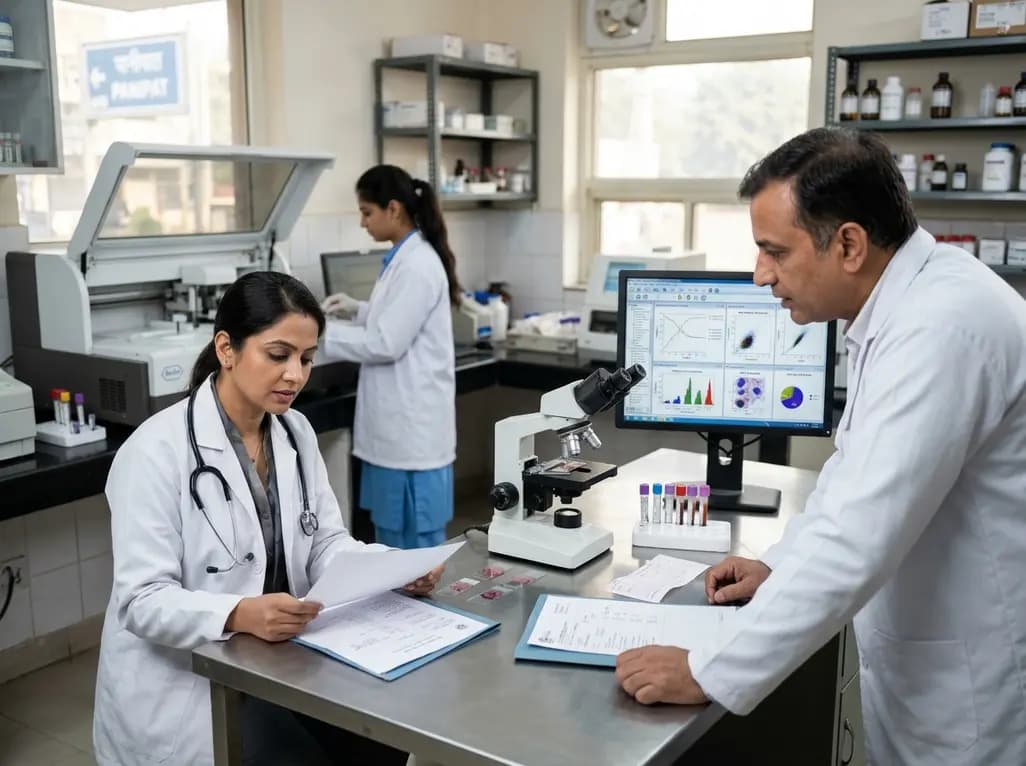
Modern clinical practice relies heavily on rapid and dependable laboratory assessments to guide therapeutic pathways. Consequently, healthcare providers celebrate the arrival of advanced diagnostic services in Panipat through Max Lab's newest facility. For years, healthcare delivery across non-metropolitan hubs faced severe logistical bottlenecks. Local physicians frequently sent patient blood and tissue samples to distant tertiary laboratories in Delhi or Chandigarh. However, this transit model often lengthened turnaround times and increased specimen degradation risks. Therefore, establishing advanced testing facilities closer to secondary communities transforms regional clinical workflows. The new Panipat laboratory provides a robust testing infrastructure that bridges the gap between primary care and tertiary diagnostics. Clinicians can now order standard pathology workups alongside sophisticated assays without subjecting patients to extensive travel. Furthermore, local access to standardized testing reduces total diagnostic delays. When doctors receive prompt reports, they initiate targeted interventions much earlier in the disease cycle. Thus, this geographical decentralization strengthens overall clinical governance throughout Haryana. Ultimately, bringing centralized laboratory standards to emerging medical centers empowers local doctors to deliver timely, evidence-based care.
Oncologists in northern India encounter an increasing volume of complex malignancies requiring personalized treatment strategies. In the past, tissue biopsy specimens traveled hundreds of kilometers to metropolitan reference hubs for molecular profiling. Consequently, patients waited several weeks before oncologists could finalize crucial targeted therapy protocols. Moreover, extended transit periods occasionally compromised delicate nucleic acid stability within biopsy samples. The Panipat laboratory directly resolves these logistical barriers by providing advanced molecular and oncology testing onsite. Medical oncologists can now evaluate critical biomarkers, including epidermal growth factor receptor mutations and program death-ligand expressions, with minimal delay. In addition, prompt turnaround times allow cancer specialists to formulate accurate, individualized chemotherapy and immunotherapy regimens without unnecessary hesitation. Pathologists also preserve cellular integrity through immediate processing and standardized cold-chain preservation protocols. Furthermore, multidisciplinary tumor boards benefit immensely from direct access to local molecular pathologists who interpret ambiguous genetic variants. As a result, cancer patients in Haryana avoid exhausting travel, while local clinicians maintain stringent international standards for therapeutic decision-making. Therefore, local molecular profiling establishes a reliable foundation for modern precision oncology across Tier II regions.
Clinical genetic testing has evolved from an academic curiosity into an indispensable tool for routine medical practice. Pediatricians, neurologists, and cardiologists frequently encounter patients exhibiting atypical symptoms that warrant deep genomic scrutiny. However, genetic diagnostic resources historically remained concentrated within premier academic centers in Tier I cities. As a result, primary care physicians often faced frustrating diagnostic odysseys when evaluating congenital abnormalities or familial syndromes. The introduction of comprehensive genomics panels at the Panipat facility democratizes diagnostic genetics for local clinicians. In particular, next-generation sequencing assays enable rapid detection of germline mutations responsible for hereditary cancers and rare metabolic conditions. Moreover, reproductive endocrinologists and obstetricians can utilize precise prenatal screening panels to detect chromosomal aneuploidies early in gestation. Clinicians also benefit from improved diagnostic yield when evaluating pediatric neurodevelopmental delays and unclassified neuropathies. Consequently, early genomic identification prevents inappropriate empiric therapies and reduces overall family anxiety. Furthermore, local accessibility encourages primary physicians to engage in proactive genetic counseling and cascade family screening. Accordingly, routine availability of sophisticated genetic sequencing significantly advances preventive medicine throughout surrounding semi-urban populations.
While specialized genetic assays capture attention, routine pathology forms the core backbone of outpatient clinical management. Haryana faces an expanding burden of metabolic disorders, including type 2 diabetes mellitus, cardiovascular diseases, and chronic nephropathies. Consequently, family physicians require rapid, highly accurate routine chemistry and hematology tests to track chronic disease progression. In the past, fragmented local laboratories often operated without standardized internal quality controls or certified calibrators. Therefore, clinicians frequently encountered discordant results when patients repeated identical tests across different neighborhood testing centers. The Panipat laboratory implements automated analyzers and stringent quality assurance protocols, aligning with national accreditation benchmarks. As a result, local general practitioners can monitor glycosylated hemoglobin, lipid profiles, and glomerular filtration rates with total confidence. Furthermore, rapid turnaround times allow clinicians to adjust medication dosages during the same clinic visit. In addition, automated hematology analyzers accurately flag early signs of myeloproliferative disorders and severe microcytic anemias. By ensuring analytical consistency across routine investigations, the laboratory minimizes diagnostic ambiguity. Ultimately, robust routine pathology services enable regional clinicians to optimize glycemic control, manage hypertension, and prevent severe end-organ complications effectively.
Diagnostic accuracy depends directly on rigorous pre-analytical, analytical, and post-analytical quality control measures. Pre-analytical sample handling errors traditionally represent over sixty percent of all diagnostic discrepancies in peripheral healthcare settings. However, local collection hubs backed by a regional core laboratory dramatically curtail specimen transit stress. The facility in Panipat utilizes barcoded vacuum collection tubes, temperature-monitored specimen transportation, and automated centrifugation systems. Consequently, phlebotomists preserve delicate cellular components and prevent in vitro hemolysis before analysis begins. Moreover, internal quality controls run continuously alongside commercial reference materials to detect analytical drift immediately. Qualified pathologists personally review abnormal blood smears, suspicious biopsy slides, and critical panic values before releasing final reports. Furthermore, integrated laboratory information management systems automatically transmit verified results to ordering physicians via secure digital channels. Therefore, acute care specialists and intensivists can make lifesaving clinical determinations within minutes rather than waiting overnight. In addition, standardized peer-comparison testing ensures continuous alignment with global analytical proficiency standards. By maintaining flawless quality controls and accelerating reporting timelines, the facility reinforces clinical trust between practicing physicians and laboratory scientists.
Q1: What specialized diagnostic capabilities does the new Panipat laboratory offer to local clinicians?
The facility provides an extensive testing menu that spans routine hematology, clinical biochemistry, and advanced molecular pathology. Specifically, it delivers high-complexity assays such as next-generation genomic sequencing and precision oncology biomarker profiling. These specialized services allow attending oncologists and general physicians to diagnose complex malignancies, inherited disorders, and endocrine conditions locally. Consequently, practitioners receive prompt, accurate results without sending delicate patient specimens to distant laboratories.
Q2: How does expanding diagnostic infrastructure into Tier II cities improve clinical turnaround times?
Establishing advanced laboratories in regional hubs eliminates the lengthy transit delays traditionally required to ship biological specimens to metropolitan centers. Local testing drastically reduces pre-analytical cold-chain degradation and expedites processing schedules. Therefore, clinicians receive critical pathology reports, tumor marker quantifications, and routine metabolic panels within hours rather than days. This rapid turnaround enables acute care physicians to initiate targeted medical interventions much earlier, thereby significantly improving clinical outcomes.
Q3: Why are quality assurance protocols crucial for regional diagnostic laboratories?
Quality assurance protocols guarantee analytical reliability, reproducibility, and precision across all diagnostic test results. In regional facilities, standardized calibrators and rigorous internal quality controls prevent analytical variation and erroneous reporting. Furthermore, qualified pathologists validate abnormal findings and correlate critical parameters before distributing reports to attending physicians. Consequently, healthcare providers can trust diagnostic findings implicitly, avoiding redundant confirmatory testing and ensuring appropriate therapeutic interventions for every patient.
Disclaimer: This content is for informational and educational purposes only. It does not constitute medical advice or replace professional judgment. Refer to the latest local and national guidelines for clinical practice.
References

Read summarized clinical updates, watch expert medical content, and earn CME certifications right from your smartphone.
Open your smartphone camera to scan and install.





The launch of a fully equipped diagnostic laboratory in Panipat represents a significant step in decentralizing specialized pathology. Clinicians gain rapid access to advanced molecular testing, targeted oncology panels, and comprehensive routine investigations, enabling timely intervention and elevated patient care.
Today
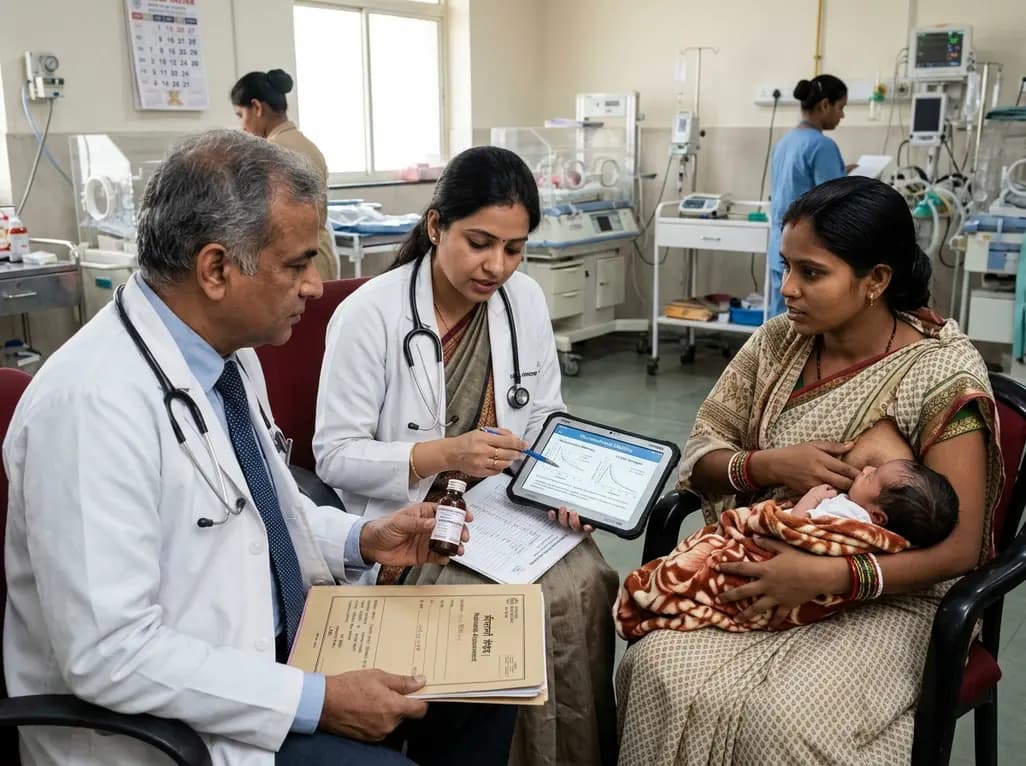
Maternal codeine therapy during breastfeeding sparks debate regarding neonatal opioid toxicity. This review re-evaluates the Toronto case, explores PBPK modeling, and highlights how maternal and neonatal pharmacogenomics converge to inform safer postpartum pain management.
Today
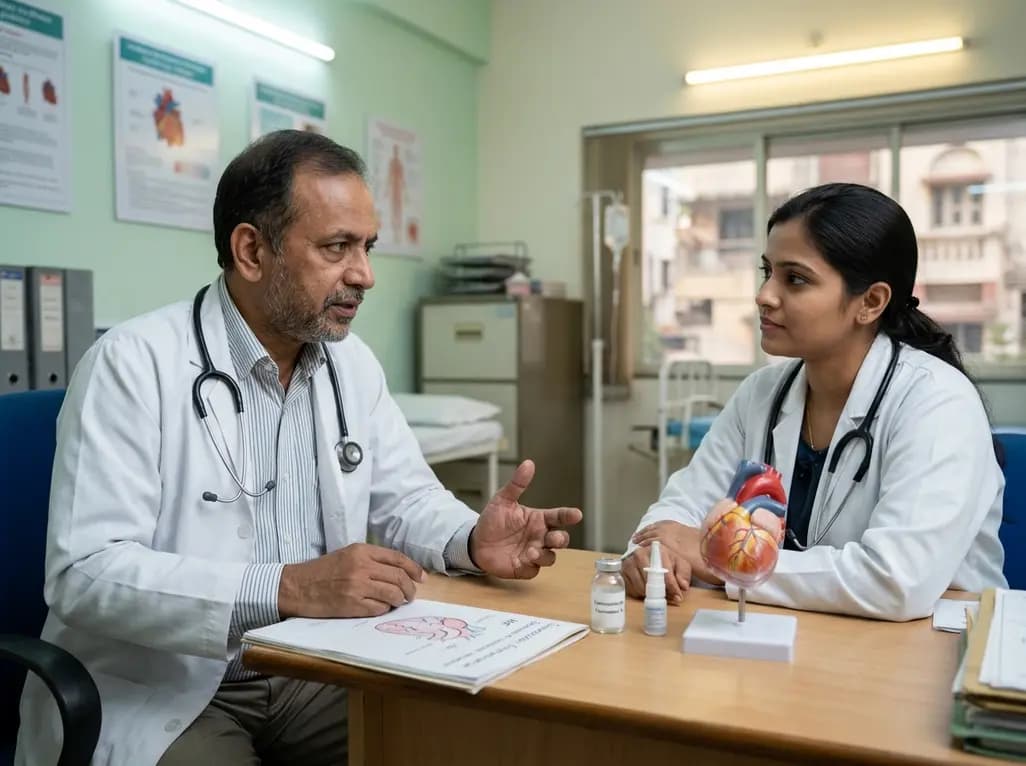
Novel intranasal simvastatin transbilosomes demonstrate superior bioavailability and cardioprotective efficacy compared to oral suspensions in experimental heart failure induced by doxorubicin and ischemia/reperfusion injury.
Today
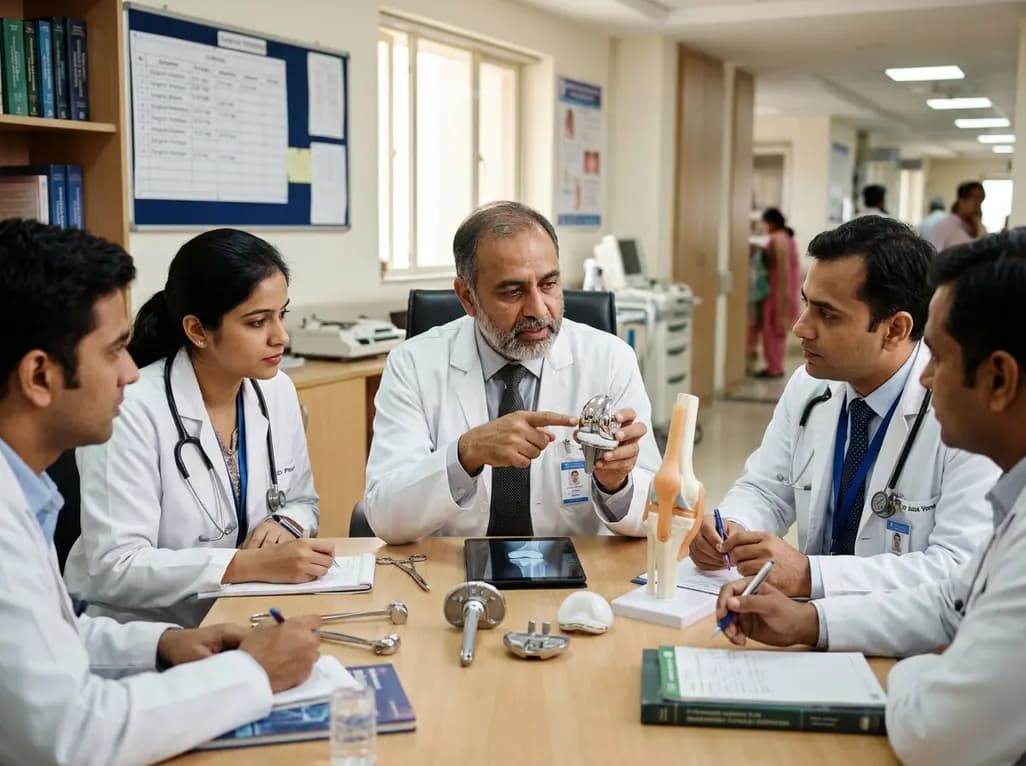
The National Pharmaceutical Pricing Authority has extended the existing ceiling prices for knee replacement implants until January 15, 2027. This regulatory move allows stakeholders to review trade margin rationalization while ensuring uninterrupted and affordable access to total knee arthroplasty across India.
Today
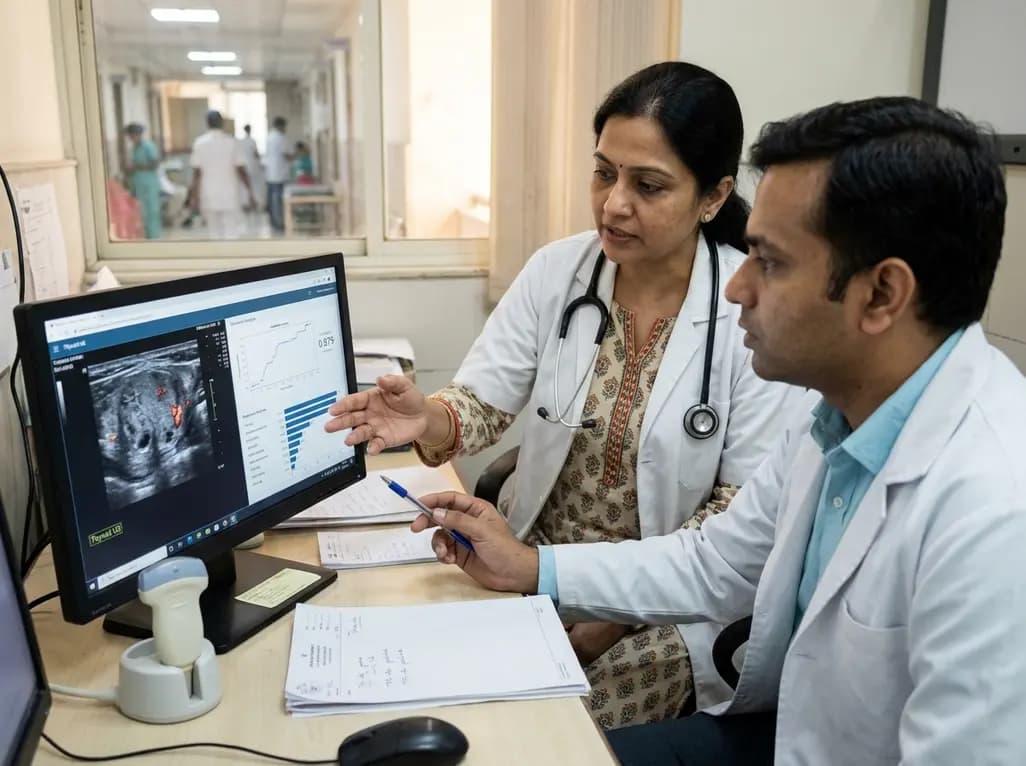
A multi-modal machine learning model integrating ultrasound radiomics, tumor morphology, TPO-Ab, and BRAF V600E accurately predicts lymph node metastasis in papillary thyroid carcinoma with concurrent Hashimoto's thyroiditis, achieving 0.879 accuracy.
Today
