.webp&w=384&q=75)

Loading, please wait...
Loading, please wait...

Adult hearing impairment represents a pervasive global health challenge that frequently goes undetected during routine primary care consultations. Family physicians serve as crucial gatekeepers for identifying sensory decline, yet the frequency of adult hearing assessment referral remains notably low. A recent qualitative interview study evaluated the complex factors shaping primary care referral decisions. Clinicians often balance multiple competing acute and chronic conditions, which displaces sensory screening during brief appointments. Nevertheless, untreated hearing loss accelerates cognitive impairment, increases fall risk, and fosters profound social isolation. Understanding why family doctors initiate or avoid audiology referrals is vital for improving health systems. By establishing structured screening protocols, general practitioners can identify hearing deficits much earlier. Furthermore, proactive detection allows clinicians to distinguish treatable conductive issues from progressive sensorineural pathology. Because auditory wellness directly supports overall functional independence, primary care physicians must cultivate clinical vigilance. Establishing efficient referral pathways ensures that vulnerable patients access timely specialized interventions before irreversible psychosocial complications develop.
When determining whether to initiate an audiology consultation, family doctors evaluate distinct diagnostic parameters and physical findings. Primarily, physicians review reported auditory difficulties alongside observable communication behaviors, such as straining during dialogue or asking for repeated statements. Additionally, clinicians analyze past medical records, actively checking for ototoxic medications, occupational noise trauma, and systemic conditions like diabetes. Performing an otoscopic examination to eliminate cerumen impaction or tympanic membrane pathology remains an essential initial step. Consequently, physicians weigh the anticipated quality-of-life benefits against the potential burdens of specialized testing. Personal familiarity with hearing loss and local practice guidelines also influence clinical choices. Moreover, doctors evaluate how severely hearing deficits impede daily living and emotional wellbeing. When patients explicitly state hearing complaints, physicians demonstrate a much higher likelihood of making referrals. Conversely, vague symptoms without direct patient complaints often lead to missed diagnostic opportunities. Therefore, incorporating routine sensory inquiry during checkups significantly strengthens clinical decision-making and diagnostic timeliness.
Despite acknowledging the importance of hearing evaluations, primary care providers face numerous barriers that hinder regular referrals. For example, geographic constraints create immense challenges for patients living in regional and remote communities. In these settings, limited specialist availability and prolonged wait times frequently discourage individuals from attending appointments. Furthermore, physicians encounter substantial patient-level hurdles, including reluctance to accept age-related hearing decline. Stigma surrounding hearing aids and high out-of-pocket costs often lead patients to reject referral recommendations. In addition, convoluted administrative processes and unclear referral criteria complicate clinical workflows. Consequently, family physicians may withhold referrals when they anticipate low patient compliance or severe transportation difficulties. Medical contraindications and urgent competing comorbidities also force clinicians to prioritize other life-threatening illnesses. Therefore, overcoming these widespread obstacles requires coordinated systemic reforms. Developing tele-audiology infrastructure, subsidizing hearing aids, and expanding local transport options can effectively bridge regional gaps and restore equitable audiological access for underserved populations.
To overcome fragmented healthcare delivery, family doctors strongly advocate for closer collaboration with audiology professionals. Currently, poor communication between primary care practices and external audiologists impairs comprehensive patient management. Therefore, co-locating audiology services within primary healthcare centers offers an ideal solution. In integrated clinics, family physicians can easily consult audiologists, access point-of-care pure-tone screenings, and address diagnostic uncertainties. Moreover, shared electronic medical records allow physicians to quickly review audiometric test results, speech discrimination scores, and rehabilitative progress. This direct interprofessional communication enhances primary care doctors' understanding of diagnostic audiology. As a result, family physicians gain greater confidence when explaining audiologic findings and recommending appropriate assistive technologies. Furthermore, on-site audiology care significantly reduces referral attrition by offering accessible, familiar environments for older adults. By embedding audiological expertise into primary care networks, health organizations can transform hearing rehabilitation into a standard component of routine chronic care management.
Qualitative findings highlight a pressing need for dedicated primary care education regarding modern hearing healthcare. Many family physicians express uncertainty when interpreting complex audiograms or explaining advanced auditory rehabilitation pathways. Additionally, clinicians desire deeper insights into contemporary device options, including digital hearing aids, bone-conduction implants, and assistive listening systems. Because hearing technology has advanced rapidly, outdated assumptions about hearing aid performance can prevent physicians from encouraging early intervention. Therefore, medical organizations should create concise, high-yield continuing medical education courses tailored for busy practitioners. Furthermore, embedding clinical decision support tools into electronic health records can effectively guide doctors through hearing risk assessments. Automated clinical reminders can prompt physicians to screen older adults during periodic health evaluations. By providing family doctors with practical diagnostic tools and modern audiological training, healthcare systems can eliminate referral inertia and improve patient outcomes substantially.
Optimizing adult hearing assessment referral pathways requires coordinated efforts across primary care, otolaryngology, and public health sectors. First, health systems must establish standardized, evidence-based referral protocols that outline clear clinical triggers for audiologic assessment. For instance, clinicians should promptly refer individuals presenting with sudden hearing decline, asymmetrical thresholds, persistent tinnitus, or unexplained vertigo. Simultaneously, public health initiatives should educate communities regarding the critical links between hearing preservation, cognitive function, and emotional health. When patients recognize these connections, they are more likely to seek help early. Moreover, adopting validated self-administered screening tools, such as the Hearing Handicap Inventory, can streamline assessments without lengthening clinic appointments. Expanding tele-audiology services also holds immense potential to resolve specialist shortages in rural communities. Finally, ongoing clinical research must evaluate the implementation of these referral strategies across diverse populations. Through structured pathways and enhanced education, primary care can effectively protect auditory wellness throughout aging.
Family physicians can screen patients efficiently by asking targeted questions about conversational difficulties in background noise and observing patient behaviors during interviews. In addition, clinicians can use validated screening questionnaires like the Hearing Handicap Inventory for the Elderly. Combining brief questionnaires with otoscopy or automated tablet-based audiometry provides a rapid, reliable assessment within standard consultation timeframes without overburdening clinical schedules.
Physicians should urgently refer patients presenting with sudden or rapidly progressive sensorineural hearing loss, asymmetrical thresholds, or pulsatile tinnitus. Furthermore, persistent unilateral ear fullness, unexplained otalgia, chronic drainage, neurological deficits, or severe vertigo demand immediate specialized evaluation. These red flags frequently indicate serious underlying etiologies such as acoustic neuromas, chronic middle ear disease, or acute autoimmune inner ear disorders requiring prompt management.
Early identification of adult hearing loss helps mitigate several major long-term health complications. Unaddressed hearing impairment strongly correlates with accelerated cognitive decline, incident dementia, social isolation, depression, and an elevated risk of accidental falls. Prompt intervention with hearing aids, assistive listening devices, or cochlear implants preserves communicative ability, supports neurocognitive reserve, and significantly enhances overall functional independence and quality of life.
Disclaimer: This content is for informational and educational purposes only and should not be considered medical advice or a substitute for professional clinical judgment. Refer to the latest local and national guidelines for clinical practice.
References

Read summarized clinical updates, watch expert medical content, and earn CME certifications right from your smartphone.
Open your smartphone camera to scan and install.





A recent qualitative study investigates the key clinical, systemic, and patient-centered factors guiding family physicians' decisions for adult hearing assessment referral. Findings highlight the need for primary care audiology integration, standardized screening protocols, and clinician education.
4 weeks back
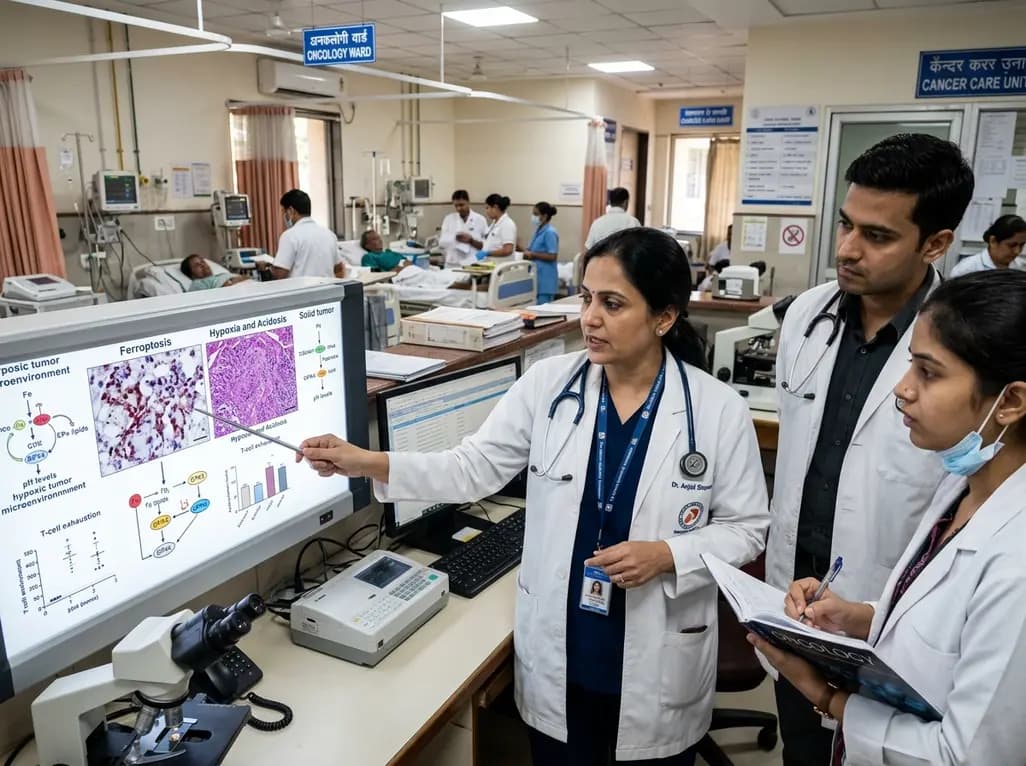
Targeting ferroptosis provides a compelling strategy to dismantle hypoxia- and acidosis-driven immunosuppression in solid tumors, enhancing response to modern immunotherapy.
Today

Findings from Project Viva indicate that sustained postpartum weight retention, rather than excessive gestational weight gain alone, directly worsens women's mid-life cardiovascular health, degrading blood pressure and glycemic parameters decades after delivery.
Today
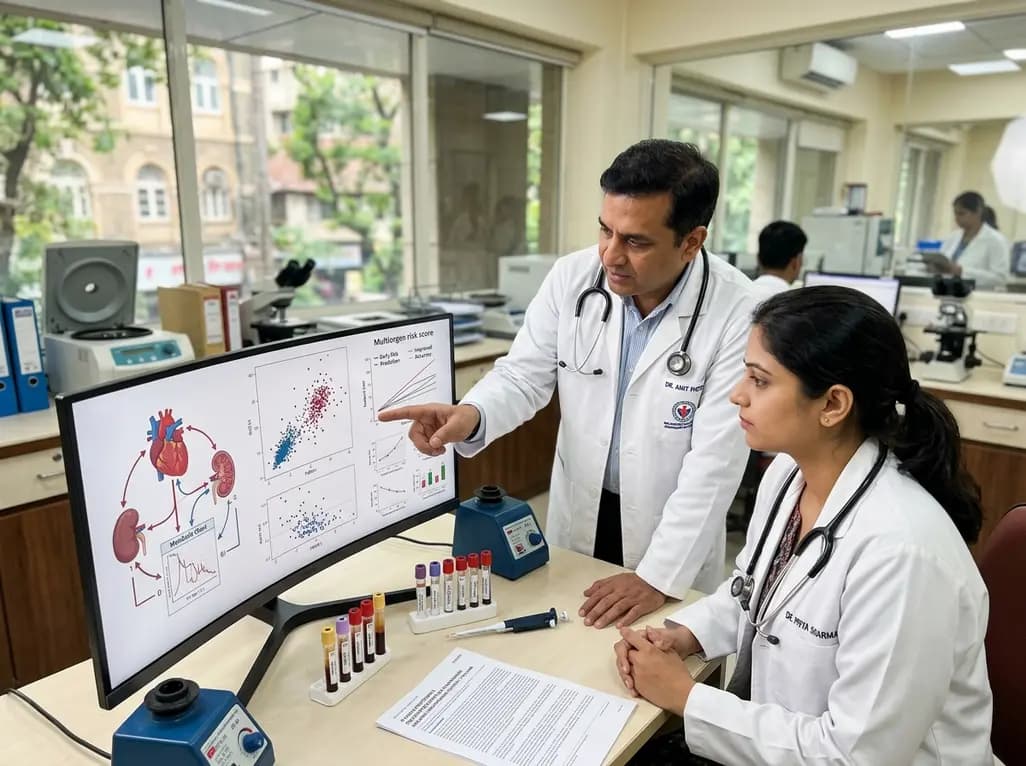
A large UK Biobank study reveals that plasma proteomic signatures capture preclinical organ damage and improve multiorgan risk prediction across early CKM syndrome stages 0 to 2 beyond traditional PREVENT clinical models.
Today

A retrospective CBCT study reveals that superior TMJ space asymmetry correlates moderately with occipital condyle-atlas-axis asymmetry in unilateral TMJ osteoarthritis, highlighting an imaging correlate between jaw biomechanics and upper cervical alignment rather than a standalone diagnostic marker.
Today

A Bayesian multilevel meta-analysis reveals that aerobic training combined with moderate carbohydrate restriction modestly lowers HbA1c in type 2 diabetes. However, sparse data and very low certainty leave incremental benefits over exercise or diet alone unproven, highlighting the need for individualized care.
Today
