.webp&w=384&q=75)

Loading, please wait...
Loading, please wait...

Targeted oncology continues to evolve rapidly with the integration of tissue-agnostic biomarker paradigms. Human epidermal growth factor receptor 2 amplification occurs across multiple non-breast and non-gastric solid tumors. However, therapeutic options targeting HER2 alterations in rare malignancies remain limited. A recently published non-randomized phase 2 basket trial investigated the clinical efficacy of ado-trastuzumab emtansine among patients with advanced or metastatic HER2-amplified solid malignancies. Ado-trastuzumab emtansine functions as an antibody-drug conjugate that delivers a potent microtubule inhibitor directly to HER2-overexpressing cancer cells. Consequently, this targeted delivery maximizes cytotoxic activity while mitigating systemic toxicity. Investigators enrolled ninety-five pretreated patients across five distinct anatomical cohorts to define the therapeutic landscape of this agent. Therefore, this basket trial provides crucial evidence regarding tumor-specific vulnerability to HER2 blockade. The overall data demonstrate notable tumor regression, particularly in difficult-to-treat rare cancers.
The investigators conducted this single-center clinical trial at Memorial Sloan Kettering Cancer Center. They evaluated ninety-five adult patients harboring documented HER2 amplification. Clinicians identified HER2 genomic alterations through either next-generation sequencing assays or standard in-situ hybridization techniques. Consequently, this molecular screening ensured precise patient stratification across diverse tumor biologies. The trial organized participants into five distinct clinical cohorts, specifically salivary gland, non-small cell lung, colorectal, endometrial, and other solid tumors. All enrolled patients received intravenous ado-trastuzumab emtansine at a standardized dose of 3.6 mg/kg every twenty-one days. The primary study endpoint focused on investigator-assessed overall response rate using standard RECIST criteria. Additionally, secondary clinical endpoints encompassed progression-free survival, overall survival, duration of response, and comprehensive safety profiling. Therefore, the trial design allowed a robust comparative assessment of targeted antibody-drug conjugate therapy across distinct tumor microenvironments.
Overall, twenty-two out of ninety-five treated patients achieved a confirmed objective response, yielding an overall response rate of 23 percent. However, therapeutic efficacy varied substantially across the anatomical cohorts. Patients with advanced salivary gland carcinoma demonstrated the most remarkable sensitivity to ado-trastuzumab emtansine. Within this cohort, eleven out of nineteen patients responded successfully, producing an impressive confirmed response rate of 58 percent. Furthermore, the endometrial cancer cohort demonstrated moderate activity, achieving an overall response rate of 22 percent with five responding patients. Conversely, the non-small cell lung cancer cohort achieved an objective response rate of 17 percent. In sharp contrast, patients enrolled in the colorectal cancer cohort exhibited no confirmed objective responses. Finally, the diverse cohort containing other solid tumors demonstrated an objective response rate of 9 percent. Consequently, these findings highlight that genomic amplification alone does not guarantee uniform therapeutic sensitivity across varied tissue histologies.
In addition to tumor regression, survival outcomes reflected marked histological variation throughout the study population. Across all cohorts, the median progression-free survival reached 3.6 months. Nevertheless, patients with salivary gland cancer experienced a median progression-free survival of 10.2 months, representing the most favorable outcome in the trial. In comparison, the other solid tumors cohort recorded a median progression-free survival of only 1.4 months. Similarly, overall survival outcomes mirrored these progression patterns. The median overall survival for the entire study cohort reached 11.9 months. Patients with salivary malignancies attained an impressive median overall survival of 29.2 months, whereas patients in the other tumors cohort demonstrated a median overall survival of 7.8 months. Furthermore, responding patients maintained disease control for an extended period, with an overall median duration of response of 13.1 months. Therefore, durable disease control remains highly achievable in select responsive histologies.
The safety profile of ado-trastuzumab emtansine remained consistent with historical data reported in HER2-positive breast cancer populations. Most adverse events were manageable with supportive care and protocol-defined dose modifications. Clinicians frequently noted reversible hepatic transaminase elevations and thrombocytopenia during routine laboratory monitoring. Additionally, low-grade fatigue, nausea, and peripheral neuropathy occurred in a subset of treated patients. Serious adverse events, such as drug-induced interstitial lung disease or severe infusion reactions, required vigilant clinical surveillance. Importantly, the substantial clinical activity observed in salivary gland malignancies establishes a vital treatment pathway for an orphan disease with historically limited systemic options. Moreover, the lack of efficacy in colorectal cancer reinforces the influence of downstream molecular resistance pathways, such as concurrent RAS or BRAF alterations. Thus, comprehensive genomic profiling remains essential before initiating targeted antibody-drug conjugate therapy.
To maximize clinical benefit, precision oncology workflows must integrate robust molecular diagnostic testing. Next-generation sequencing and in-situ hybridization provide complementary insight into HER2 gene copy numbers and structural alterations. Furthermore, clinicians must evaluate co-occurring genomic mutations that potentially confer primary resistance to antibody-drug conjugates. For instance, concurrent pathway alterations often hinder cytotoxic delivery or intracellular drug processing. As novel HER2-targeted agents continue to expand across oncology, clinicians should carefully interpret basket trial evidence within specific histological contexts. Therefore, ado-trastuzumab emtansine represents a compelling therapeutic option for advanced HER2-amplified salivary gland cancers and select gynecological malignancies. Ultimately, these clinical findings will guide future combination strategies and refined patient selection algorithms in precision oncology.
What was the primary objective of this phase 2 basket trial?
The primary objective was to evaluate the clinical efficacy of ado-trastuzumab emtansine in patients with advanced or metastatic HER2-amplified solid tumors. Investigators measured the overall response rate across five distinct disease cohorts using validated RECIST criteria to determine whether HER2 amplification serves as an effective tissue-agnostic therapeutic target.
Which cancer histology derived the greatest clinical benefit from ado-trastuzumab emtansine?
Patients diagnosed with advanced salivary gland carcinoma demonstrated the highest sensitivity. This cohort achieved an objective response rate of 58 percent, a median progression-free survival of 10.2 months, and a median overall survival of 29.2 months, highlighting significant clinical activity in this rare and difficult-to-treat cancer population.
Why did colorectal cancer patients fail to respond to the treatment?
Patients in the colorectal cancer cohort demonstrated no objective responses despite harboring HER2 gene amplification. Biological resistance mechanisms, including downstream MAPK pathway activation, concurrent RAS or PIK3CA mutations, and distinct receptor internalization dynamics, frequently attenuate the therapeutic efficacy of antibody-drug conjugates in colorectal malignancies.
Disclaimer: This content is for informational and educational purposes only and should not be considered medical advice. Always consult a qualified healthcare professional regarding any medical condition or treatment. Refer to the latest local and national guidelines for clinical practice.
References
Ross JS et al. A Phase 2 Basket Trial of Ado-Trastuzumab Emtansine for Patients with HER2 Amplified Cancers: A Non-Randomized Clinical Trial. Clin Cancer Res. 2026 Aug 27. doi: 10.1158/1078-0432.CCR-26-1566. PMID: 42658187.
Li BT et al. Ado-Trastuzumab Emtansine for Patients With HER2-Mutant Lung Cancers: Results From a Phase II Basket Trial. J Clin Oncol. 2018;36(24):2532-2537. doi: 10.1200/JCO.2018.77.9777.
Modi S et al. Antitumor Activity and Safety of Trastuzumab Deruxtecan in Patients With HER2-Expressing Solid Tumors: Results From Multiple Basket Cohorts. J Clin Oncol. 2020;38(17):1887-1896. doi: 10.1200/JCO.19.03152.

Read summarized clinical updates, watch expert medical content, and earn CME certifications right from your smartphone.
Open your smartphone camera to scan and install.





A phase 2 basket trial evaluated ado-trastuzumab emtansine (T-DM1) across 95 patients with advanced HER2-amplified solid tumors. The trial demonstrated heterogeneous activity, achieving a notable 58% overall response rate and prolonged progression-free survival in patients with salivary gland carcinoma.
last month
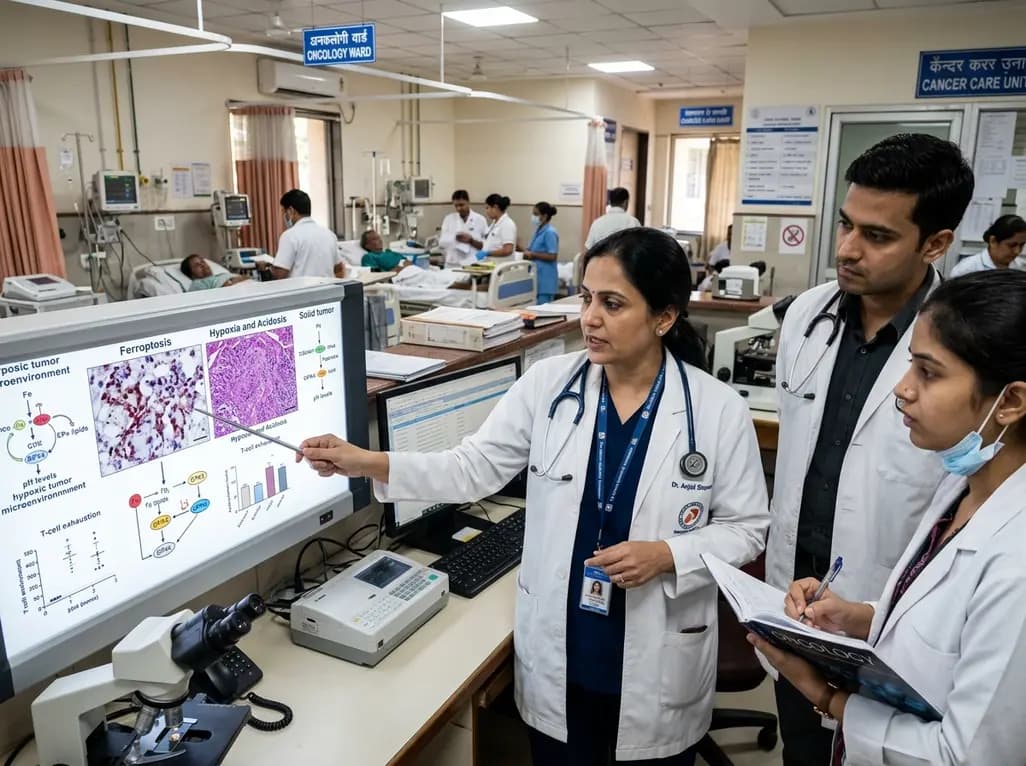
Targeting ferroptosis provides a compelling strategy to dismantle hypoxia- and acidosis-driven immunosuppression in solid tumors, enhancing response to modern immunotherapy.
Today

Findings from Project Viva indicate that sustained postpartum weight retention, rather than excessive gestational weight gain alone, directly worsens women's mid-life cardiovascular health, degrading blood pressure and glycemic parameters decades after delivery.
Today
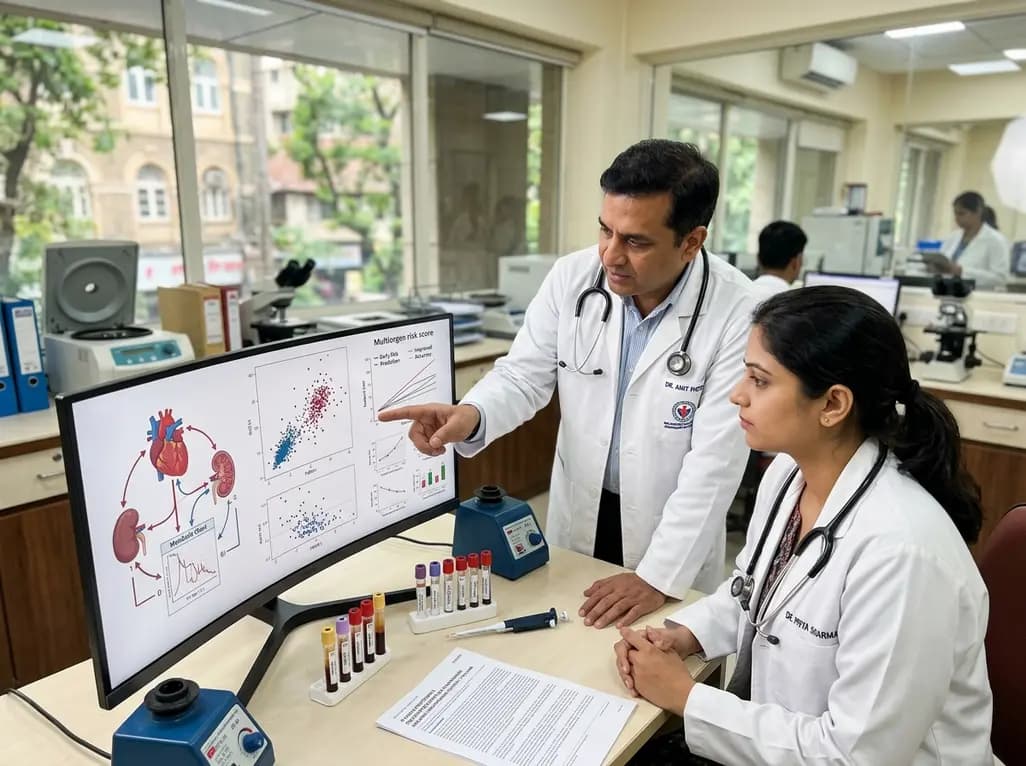
A large UK Biobank study reveals that plasma proteomic signatures capture preclinical organ damage and improve multiorgan risk prediction across early CKM syndrome stages 0 to 2 beyond traditional PREVENT clinical models.
Today

A retrospective CBCT study reveals that superior TMJ space asymmetry correlates moderately with occipital condyle-atlas-axis asymmetry in unilateral TMJ osteoarthritis, highlighting an imaging correlate between jaw biomechanics and upper cervical alignment rather than a standalone diagnostic marker.
Today

A Bayesian multilevel meta-analysis reveals that aerobic training combined with moderate carbohydrate restriction modestly lowers HbA1c in type 2 diabetes. However, sparse data and very low certainty leave incremental benefits over exercise or diet alone unproven, highlighting the need for individualized care.
Today
