.webp&w=384&q=75)

Loading, please wait...
Loading, please wait...

The Acanthamoeba castellanii genome recently revealed surprising complexity through advanced sequencing technologies. This free-living amoeba serves as a critical model organism for eukaryotic microbiology. Furthermore, it acts as a significant opportunistic human pathogen. It causes severe infections, including Acanthamoeba keratitis and granulomatous amoebic encephalitis. In India, clinicians frequently encounter these infections following corneal trauma or soil exposure. Consequently, understanding its genetic architecture is essential for biomedical research.
Scientists utilized nanopore and Illumina sequencing to examine several wild-type and mutant lines. Specifically, they focused on measuring single nucleotide polymorphisms and structural variant frequencies across the chromosomes. Their results suggest that the organism is not only polyploid but also exhibits significant aneuploidy. This indicates that copy numbers for individual chromosomes vary within the genome. Interestingly, these variations remain largely stable during laboratory cultivation and over evolutionary time.
Detailed maps of the Acanthamoeba castellanii genome help researchers identify genes linked to pathogenicity. Because aneuploidy can alter gene dosage, it likely influences how the amoeba adapts to different environments. For example, these genetic shifts might help the pathogen survive host immune responses or resist medical treatments. Therefore, this genomic stability suggests that aneuploidy is a functional and permanent trait of the species.
In addition, medical practitioners should recognize that genetic diversity in Acanthamoeba exceeds previous estimations. This inherent complexity might explain the different clinical manifestations and treatment responses seen in patients. Moreover, high-resolution genomic data establish a better foundation for developing diagnostic tools. Such progress is vital for regions like India, where environmental exposure remains a primary risk factor for infection.
Aneuploidy involves variation in the number of individual chromosomes. In Acanthamoeba, this flexibility may allow the organism to adapt to environmental stressors and host conditions, potentially impacting its virulence.
The study used a combination of nanopore and Illumina sequencing. These tools provided both long-read and short-read data, allowing for a precise look at single nucleotide polymorphisms and structural variations.
Acanthamoeba keratitis is a major cause of infectious blindness in India. Better genomic understanding helps in the development of targeted therapies and improved diagnostic markers for local clinical use.
Disclaimer: This content is for informational and educational purposes only. It does not constitute medical advice or a professional relationship. Always seek the advice of your physician or other qualified health provider with any questions you may have regarding a medical condition. Refer to the latest local and national guidelines for clinical practice.
References

Read summarized clinical updates, watch expert medical content, and earn CME certifications right from your smartphone.
Open your smartphone camera to scan and install.





A study on the Acanthamoeba castellanii genome reveals complex aneuploidy, providing new insights into the biology of this opportunistic human pathogen....
6 months ago

Following regulatory scrutiny from FSSAI regarding promotional representations and lean muscle preservation claims, Dr. Reddy's Laboratories and Nestlé Health Science are currently reviewing the branding and marketing strategy for their joint nutritional supplement Celevida GLP+.
Today
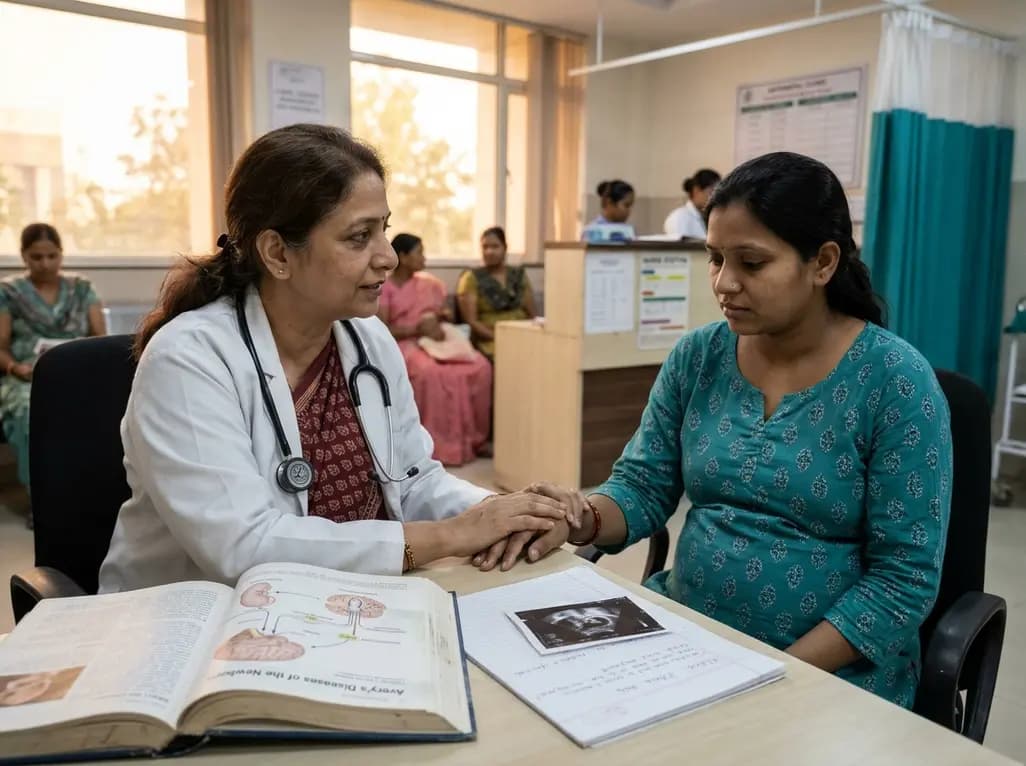
A comprehensive scoping review synthesises evidence linking prenatal maternal mental health to long-term offspring neurodevelopment, evaluating neuroendocrine, inflammatory, and epigenetic pathways while highlighting clinical screening and future research priorities.
Today
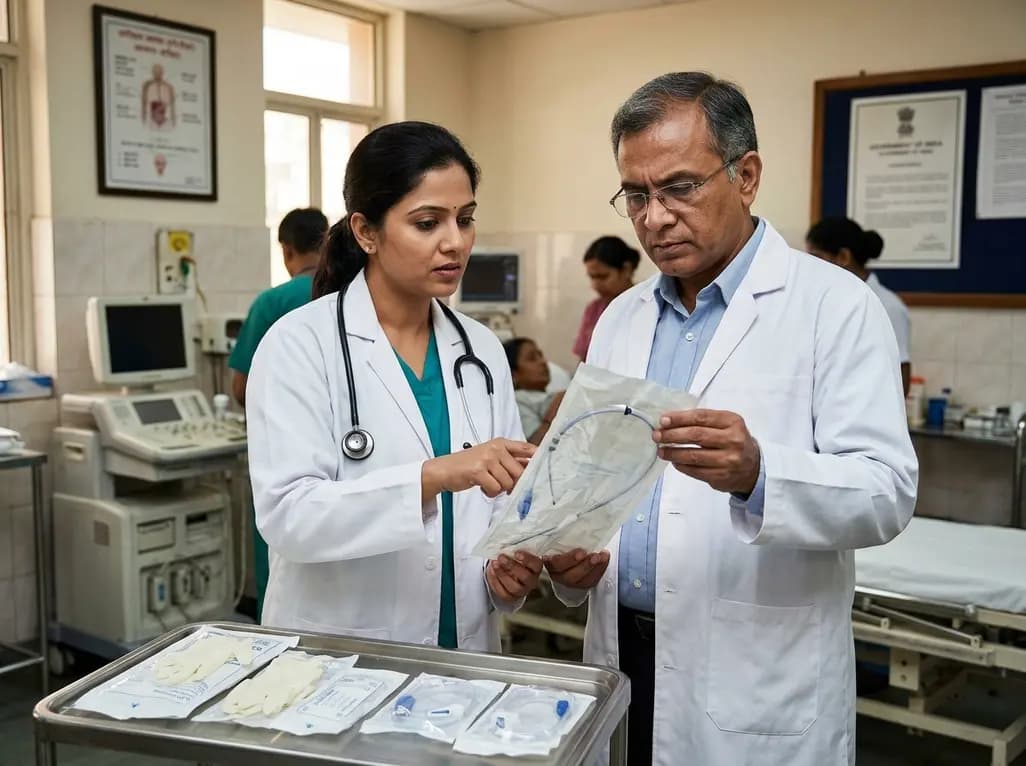
The Directorate General of Health Services directs Indian states to halt the hazardous reuse and reprocessing of single-use medical devices. Discover regulatory implications under the Drugs and Cosmetics Act, critical infection risks, legal liabilities, and operational changes required across clinical specialties.
Today

A 25-year multi-institutional cohort reveals high recurrence rates in pediatric giant cell tumor of bone, particularly in patients with open physes and bone marrow edema on preoperative MRI. Early surveillance and careful balance between growth plate preservation and tumor clearance are essential.
Today

India is advancing preventive healthcare by integrating genomics, artificial intelligence, and quantum technologies. With the SANGAM programme sequencing one million Indian genomes, clinicians can unlock personalized therapies, detect cardiometabolic risks early, and curb the burden of diabetes and heart disease.
Today
