.webp&w=384&q=75)

Loading, please wait...
Loading, please wait...
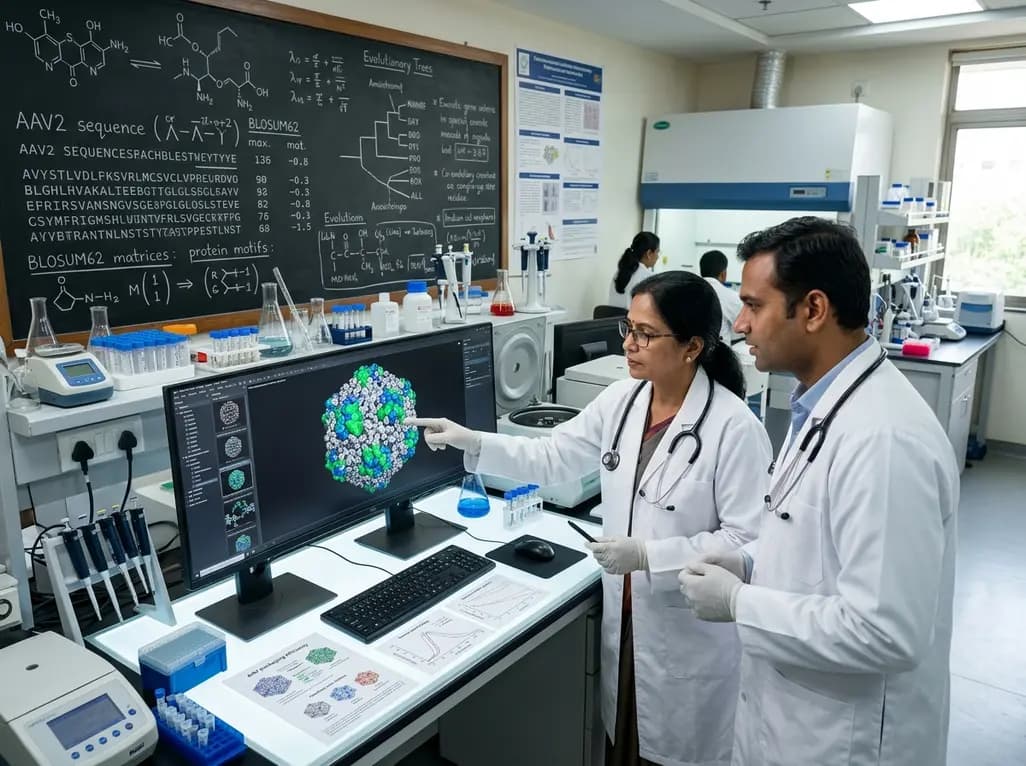
Adeno-associated viral vectors have transformed modern medicine by providing curative potential for severe monogenic disorders. However, conventional wild-type capsids frequently encounter biological hurdles, including low manufacturing yields, physical instability, and suboptimal target tissue delivery. To overcome these critical bottlenecks, innovative platforms focusing on AAV capsid engineering are revolutionizing vector design. Recent advancements combine computational evolutionary biology with structural analysis to generate highly resilient capsids. By understanding how amino acid residues interact and co-evolve across evolutionary history, researchers can now design potent vectors with elevated yields and superior thermodynamic stability. This breakthrough provides clinicians and biopharma developers with enhanced tools to deliver life-changing gene therapies more reliably and economically.
Recombinant adeno-associated virus serotype 2 represents one of the foundational delivery vehicles in gene therapy. Despite its historical utility, wild-type viral platforms present substantial manufacturing and clinical challenges. In clinical manufacturing, low packaging titers and product degradation often drive production costs to unsustainable levels. Furthermore, therapeutic vectors frequently encounter thermal instability during clinical storage and transport. Consequently, clinicians encounter reduced functional efficacy when delivering standard viral doses.
Historically, investigators relied on rational mutagenesis or high-throughput directed evolution to optimize viral capsids. Rational design attempts to introduce targeted amino acid substitutions based on structural models. However, structural predictions often fail to account for complex multi-residue interactions across the viral shell. Single mutations frequently disrupt particle assembly or decrease infectious capability. Conversely, directed evolution screens vast combinatorial libraries containing millions of random variants. Although directed evolution requires minimal structural knowledge, it demands massive screening resources. Additionally, it lacks precise multi-parameter selection methods to balance yield, target tropism, and thermal durability simultaneously.
To address the drawbacks of purely rational and empirical approaches, researchers developed an elegant semi-rational methodology. This novel workflow integrates evolutionary coupling analysis with consensus-based design strategies. Evolutionary coupling identifies pairs or groups of residues that mutated together throughout natural viral evolution. These co-evolving networks maintain vital structural contacts and functional dynamics across the viral capsid.
In this framework, scientists evaluated one hundred and ten distinct capsid mutants across different degrees of evolutionary coupling. Specifically, the team selected mutation sites by calculating evolutionary conservation scores and co-evolutionary dependencies. Researchers then substituted residues back to ancestral consensus identities or introduced conservative replacements guided by the BLOSUM62 substitution matrix. The BLOSUM62 matrix scores the likelihood of amino acid substitutions based on observed evolutionary frequencies. Consequently, positive BLOSUM62 values reflect conservative, biologically tolerated changes. By concentrating mutagenesis on coupled networks, the platform successfully minimized destabilizing structural disruptions while systematically improving viral performance metrics.
Following in silico design, investigators systematically evaluated the library of capsid variants through rigorous physical and biological assays. They measured production yields in packaging host cells along with baseline transduction efficiencies in target cell cultures. Furthermore, the researchers subjected each candidate vector to elevated thermal stress to evaluate physical capsid resilience. Thermal challenge assays serve as a critical benchmark because thermal denaturation mirrors physical degradation pathways during long-term storage.
Through this multi-tier screening process, investigators identified seven exceptional candidate capsids with remarkable functional profiles. Notably, variants bearing substitutions within strongly coupled residue networks exhibited the highest overall success rates. Both consensus-based restoration and BLOSUM62-guided conservative substitutions demonstrated comparable efficacy. When researchers applied K-means clustering to the functional dataset, five top-performing variants clustered together in a distinct parameter space. This sweet spot featured moderate evolutionary coupling scores combined with positive BLOSUM62 similarity values. Consequently, these findings confirm that moderate coupling constraints offer optimal structural flexibility for beneficial adaptations without causing capsid collapse.
The structural analysis of successful mutants reveals vital principles governing dependoparvovirus capsid mechanics. The icosahedral shell of adeno-associated virus comprises sixty interlocking capsid subunits that assemble into a precise spherical architecture. Inter-subunit interfaces and exterior variable loops govern host cell surface binding, endosomal escape, and nuclear genome release. When mutations disrupt these finely tuned interfaces, viral particles fail to package their genomic payload efficiently.
By targeting coupled networks, semi-rational design preserves the cooperative intra-protein dynamics necessary for capsid assembly. Mutations informed by positive BLOSUM62 scores preserve essential steric volume, charge distribution, and hydrophobic packing interactions. Consequently, these engineered capsids retain full genomic packaging capabilities while gaining enhanced resistance to thermal unfolding. Moreover, several optimized variants demonstrated increased transduction potency compared to parent vectors even after severe heat exposure. This dual enhancement in physical robustness and gene transfer efficiency illustrates the power of evolutionary constraints in synthetic vector design.
The clinical implications of improved capsid robustness are profound for multiple medical specialties, including neurology, ophthalmology, and hematology. Currently, clinical administration of viral gene therapies often requires high viral vector doses to compensate for vector instability and low transduction potency. However, high-titer vector infusions increase the risk of systemic immune responses, hepatotoxicity, and thrombotic microangiopathy. By engineering capsids with elevated intrinsic potency and thermal stability, clinicians can potentially achieve therapeutic transgene expression at lower vector doses.
Furthermore, enhanced vector stability simplifies pharmaceutical supply chains and clinical logistics. Standard gene therapy products demand stringent ultra-cold storage conditions, which complicate distribution in developing regions. Thermally resilient capsids reduce degradation risks during transport, reconstitution, and clinical handling in hospital pharmacies. Additionally, elevated packaging yields in manufacturing bioreactors substantially lower unit production costs. Therefore, scalable semi-rational engineering represents a decisive milestone in making gene therapies more accessible, safe, and cost-effective across global healthcare systems.
As computational biology evolves, integrating evolutionary coupling with deep learning algorithms will accelerate viral engineering. Machine learning architectures can rapidly analyze multi-sequence alignments to identify high-order epistatic interactions across entire viral proteomes. Consequently, future engineering campaigns will likely combine evolutionary coupling data with generative artificial intelligence models to predict multi-site capsid modifications simultaneously.
Moreover, researchers can expand this co-evolutionary framework beyond serotype 2 to other clinically valuable serotypes, such as AAV8, AAV9, and synthetic hybrid capsids. Scientists can also apply these evolutionary principles to tailor tissue-specific tropism, minimize neutralizing antibody recognition, and optimize intracellular trafficking pathways. In conclusion, combining co-evolutionary coupling with semi-rational protein design establishes a robust, highly predictive paradigm for viral vector development. This methodology bridges the gap between basic structural biology and translational genetic medicine.
Adeno-associated virus capsid engineering is essential because natural viral serotypes possess inherent biological limitations. Natural capsids often suffer from low manufacturing yields, high sensitivity to thermal degradation, and non-specific tissue distribution. By engineering the capsid shell, researchers can enhance biomanufacturing productivity, improve thermodynamic stability during storage, reduce therapeutic vector dosing, and increase tissue specificity. These improvements collectively minimize immunogenicity and make curative genetic therapies safer, more affordable, and broadly accessible.
Co-evolutionary coupling identifies amino acid residues that naturally mutate in coordinated pairs to preserve structural integrity. Traditional rational design often alters individual residues without considering these networked interactions, leading to capsid misfolding. Conversely, directed evolution requires massive libraries with unpredictable multi-property outcomes. Co-evolutionary analysis pinpoints critical structural contacts, allowing researchers to design small, focused mutant libraries that maintain essential architectural stability while optimizing vector yield and heat tolerance.
The BLOSUM62 matrix provides statistical scores reflecting how frequently specific amino acid substitutions occur throughout biological evolution. In viral capsid engineering, researchers use positive BLOSUM62 scores to select conservative amino acid substitutions that share physical and chemical properties with the wild-type residue. This strategy preserves critical hydrophobic cores, electrostatic interactions, and steric constraints, ensuring that modified vectors retain high assembly yields and functional transduction efficiency.
Disclaimer: This content is for informational and educational purposes only, and should not be taken as medical advice. Refer to the latest local and national guidelines for clinical practice.
References

Read summarized clinical updates, watch expert medical content, and earn CME certifications right from your smartphone.
Open your smartphone camera to scan and install.





Researchers have engineered enhanced AAV2 capsids by integrating co-evolutionary coupling with consensus and BLOSUM62 design. The resulting viral variants exhibit superior packaging yields, thermal stability, and transduction efficiency, offering powerful advancements for clinical gene therapy applications.
last month
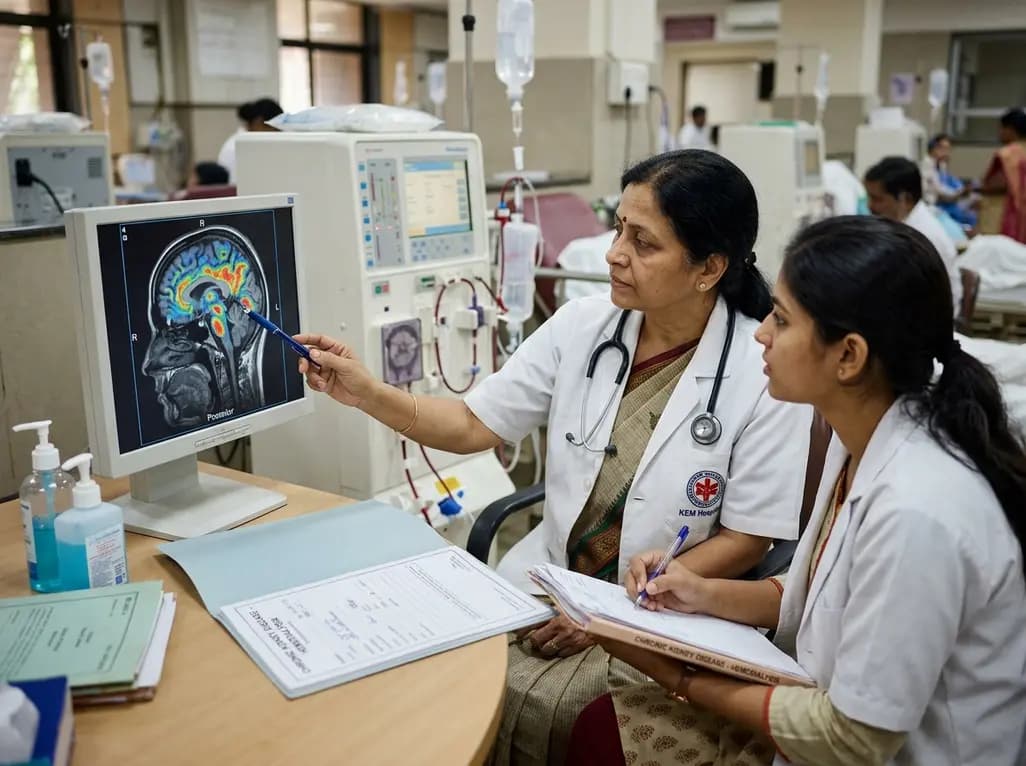
A retrospective clinical analysis reveals that hemodialysis-associated cognitive dysfunction arises from synergistic pathological mechanisms, including severe chronic anemia, worsening renal clearance, abnormal regional brain iron deposition, and an imbalance between neuroinflammatory and neurotrophic factors.
Today
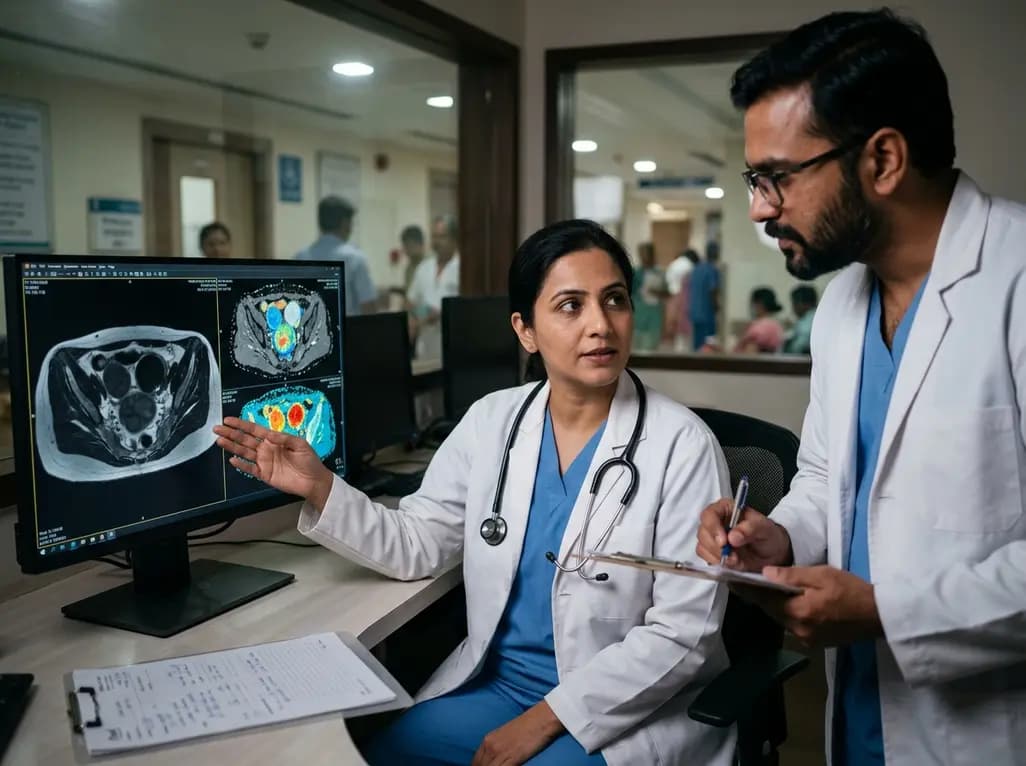
A multiparametric MRI approach combining quantitative T2 shading, apparent diffusion coefficient (ADC) measurements, and morphological signs provides superior diagnostic accuracy over subjective evaluation to differentiate ovarian endometriomas from benign hemorrhagic cysts.
Today
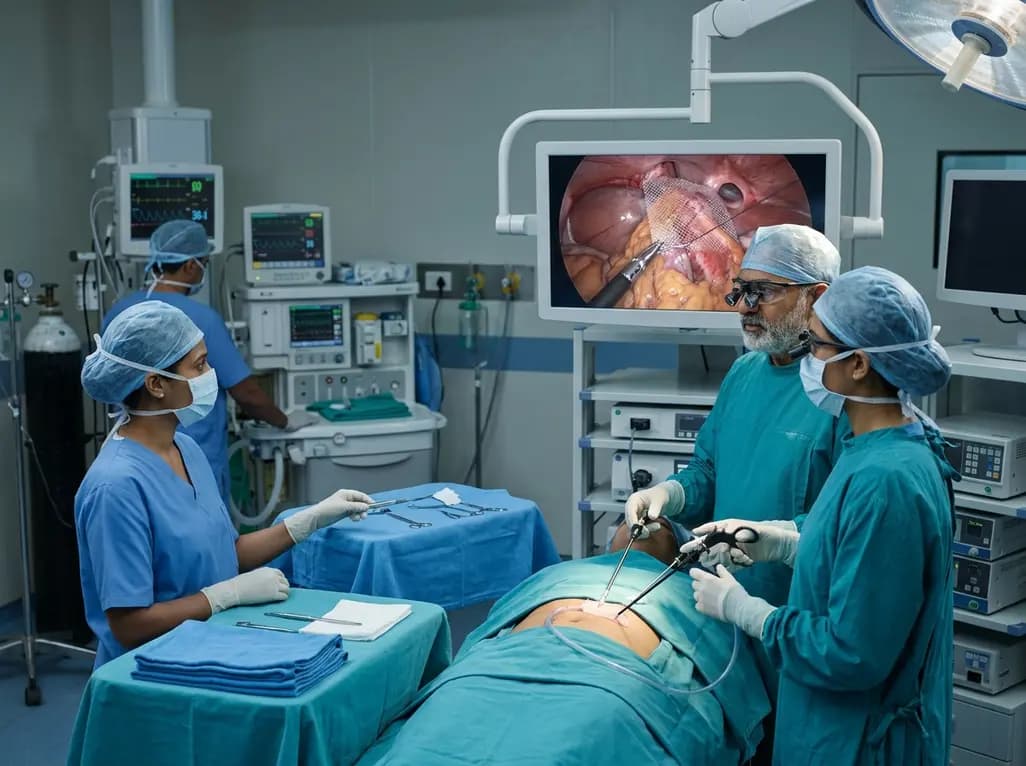
Discover a novel laparoscopic approach for iatrogenic diaphragmatic hernia repair following pedicled omentoplasty. This modified Sugarbaker technique integrates dorsal pedicle lateralization and round ligament reinforcement to secure the diaphragmatic defect while preserving vital omental vascularity.
Yesterday
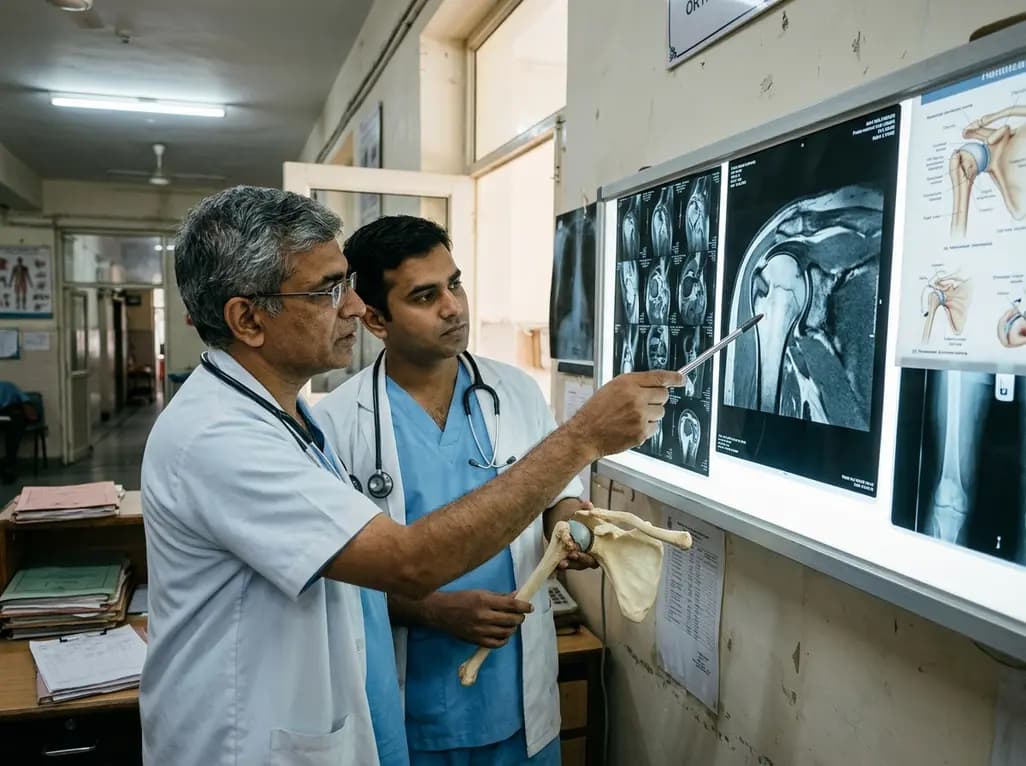
Evaluating Hill-Sachs lesion size and the distance to dislocation is critical in recurrent shoulder instability. As bone loss concepts shift from binary on-track classifications to continuous risk assessment, clinicians must identify when isolated Bankart repair is insufficient and supplementary procedures are needed.
Today
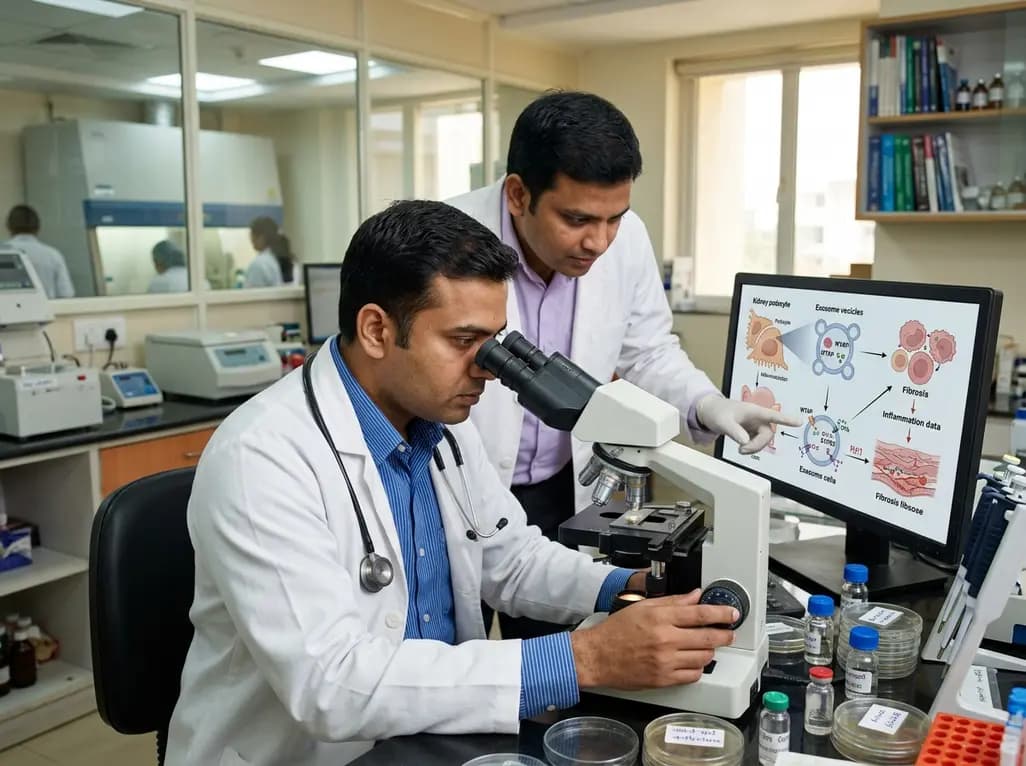
New research reveals that M1 macrophage-derived exosomes aggravate diabetic nephropathy by transferring WTAP to stabilize S1PR2 mRNA. Silencing WTAP in these vesicles attenuates endothelial injury and renal fibrosis, pointing toward innovative nanomedicine therapies.
Today
