.webp&w=384&q=75)

Loading, please wait...
Loading, please wait...
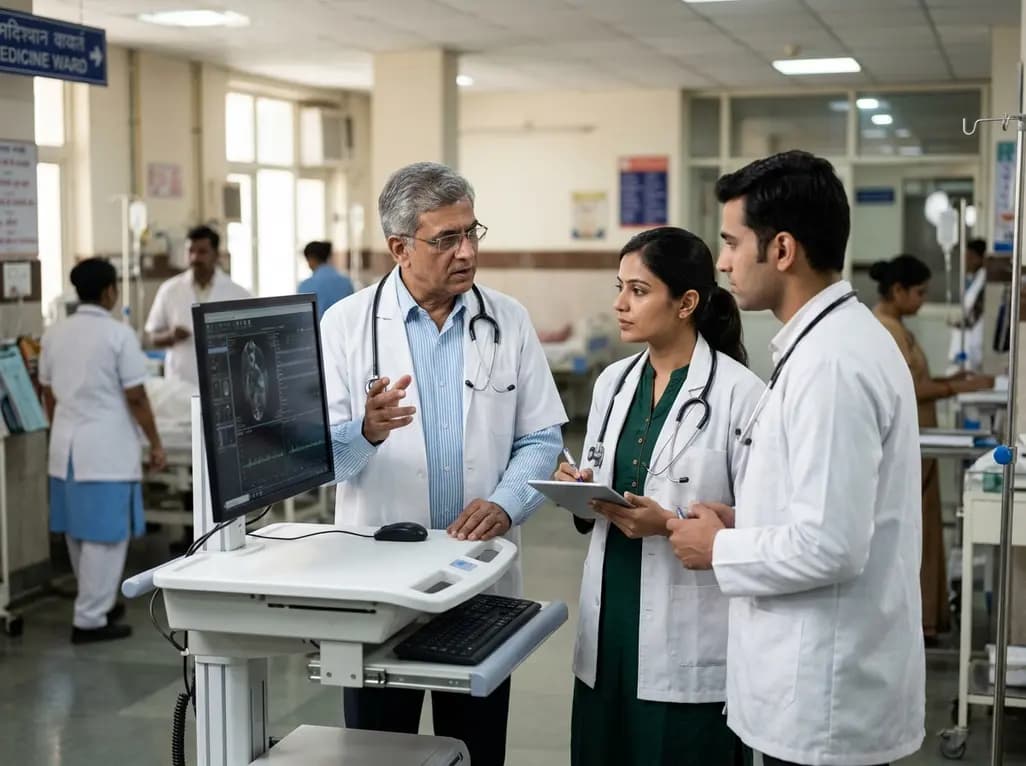
The National Health Authority (NHA) recently launched the upgraded Aarogya Setu 2.0 application. Consequently, this launch marks a massive transformation for India's digital health landscape. Furthermore, Google and the NHA partnered to integrate advanced generative artificial intelligence. Specifically, the system utilizes Google's Gemma 4 open model and the Medical Data Toolkit. Through these tools, users can comfortably manage and digitize unstructured medical documents. Ultimately, this effort will build comprehensive personal health profiles across the country.
Traditionally, managing paper-based medical records presents severe challenges for patients and healthcare providers alike. For instance, individuals frequently lose physical lab reports, or clinics struggle to store them. To solve this issue, the updated platform acts as a secure digital vault for personal health files. Moreover, the integration of Google's AI technologies simplifies the extraction of vital clinical data from unstructured documents. Additionally, the system processes both printed text and scanned images of medical reports. In this process, the Gemma 4 model identifies key laboratory values and clinical observations. Subsequently, the platform organizes this raw information into a standardized format. Consequently, citizens no longer need to carry heavy physical folders to their consultations. Furthermore, this digital transition enhances the overall patient experience by ensuring immediate access to medical history. Clinicians can view structured summaries rather than flipping through disorganized paperwork. Therefore, this technological upgrade fosters a more efficient and precise healthcare delivery model. Finally, the digitized approach reduces the likelihood of diagnostic errors resulting from missing baseline patient data.
First, we must examine the underlying technology that powers this upgraded application. Specifically, the NHA utilizes Google's state-of-the-art Gemma 4 open model. In addition, they integrate Google's specialized Medical Data Toolkit to handle highly complex clinical terminologies. Together, these open-source tools accurately interpret varied lab reports and observational data. Initially, the toolkit identifies the document type when a user uploads a record. Subsequently, the AI models extract critical parameters such as laboratory test names, reference ranges, and diagnostic methods. Moreover, this rules-based system maintains extreme precision while structuring the raw medical data. Furthermore, the technology converts the unstructured text and images into the Fast Healthcare Interoperability Resources (FHIR) format. This standardized data format is essential for establishing seamless communication across diverse healthcare platforms. Therefore, the architectural upgrade bridges the gap between modern artificial intelligence and day-to-day healthcare delivery. Ultimately, this system ensures that patients remain the sole custodians of their digitized medical profiles. As a result, Google's advanced models successfully democratize high-tier medical technology for the Indian public.
Significantly, the deployment of this technology directly aligns with the objectives of the Ayushman Bharat Digital Mission (ABDM). For a long time, the Indian healthcare system operated in isolated silos. Consequently, patients faced extreme difficulties when transferring their medical histories between different hospitals. To address this challenge, the ABDM promotes a highly interconnected digital health ecosystem. By converting unstructured reports into the FHIR format, the application facilitates seamless interoperability. Additionally, this allows clinics, diagnostic laboratories, and large tertiary hospitals to exchange patient records instantly. Furthermore, doctors can make faster and more informed clinical decisions during emergency consultations. Since the app coordinates with the National Health Claims Exchange (NHCX), it also streamlines the medical insurance claim process. Therefore, patients experience fewer delays and administrative hurdles when seeking emergency treatments. Moreover, the platform leverages the Ayushman Bharat Health Account (ABHA) system. Through this integration, citizens securely link their validated identity to their digitized health records. Ultimately, this nationwide harmonization establishes India as a global pioneer in scalable healthcare infrastructure.
In a highly commendable move, Google has officially open-sourced its specialized Medical Data Toolkit. Consequently, this decision reduces major barriers to entry for healthcare technology startups and independent developers. Furthermore, local companies can now access these cutting-edge tools entirely free of cost. By eliminating financial barriers, this initiative rapidly accelerates the pace of domestic healthcare innovation. For example, private healthcare systems can adopt the toolkit to digitize their legacy archives. Additionally, they can achieve strict compliance with India's national health interoperability guidelines without incurring massive software development expenses. According to Google India's leadership, this open-access policy empowers local tech developers to build customized medical solutions. These tailored applications can address unique domestic challenges as well as global healthcare needs. Moreover, small clinics can easily deploy similar digital architectures to modernize their clinical workflows. Therefore, the open-source release strengthens the broader digital public infrastructure in India. It creates a collaborative ecosystem where technology directly serves the patient. Ultimately, this approach promotes equitable access to high-quality digital health resources for all citizens.
Undoubtedly, digitizing sensitive personal health information raises valid concerns regarding data privacy and security. However, the National Health Authority guarantees that users maintain absolute control over their health records. Specifically, the updated application stores and processes all uploaded data under a strict consent-based architecture. Consequently, external third parties cannot access or share a patient's medical details without explicit authorization. Furthermore, Google's toolkit utilizes a robust rules-based system to structure the extracted parameters locally. Therefore, this layout prevents unauthorized data mining or secondary usage of private medical information. Additionally, the platform integrates seamlessly with secure government-approved digital storage solutions like DigiLocker. Through this secure storage, citizens can confidently manage their family's health profiles in one place. As a result, users enjoy complete transparency regarding who views their records and for what purpose. Importantly, this emphasis on privacy builds strong trust among the public, encouraging wider adoption of digital health tools. Ultimately, the application successfully demonstrates that modern AI technology can coexist with uncompromising patient data protection protocols. By prioritizing data sovereignty, India establishes a progressive and secure framework for digital public infrastructure worldwide.
Q1: What technologies power the new medical records digitization feature in Aarogya Setu 2.0?
The newly updated Aarogya Setu 2.0 application integrates Google's advanced artificial intelligence capabilities to streamline medical record digitization. Specifically, the system utilizes Google's Gemma 4 open model alongside the open-source Medical Data Toolkit. Furthermore, these tools automatically identify the document type. They subsequently extract key clinical parameters and convert unstructured reports into the standardized FHIR format. Consequently, patients receive a consolidated, accurate digital view of their entire medical history.
Q2: How does the Medical Data Toolkit support the Ayushman Bharat Digital Mission (ABDM)?
The open-sourced Medical Data Toolkit supports the Ayushman Bharat Digital Mission. Specifically, it converts legacy records into the standardized FHIR format. This universally accepted layout facilitates seamless interoperability across hospitals and diagnostic laboratories nationwide. Consequently, healthcare organizations can exchange patient data quickly and securely. Moreover, local tech developers can utilize this free toolkit to build innovative digital health applications. Ultimately, this effort strengthens India's digital public infrastructure.
Q3: How does the Aarogya Setu 2.0 application protect sensitive patient data and privacy?
The National Health Authority designs the application with a strict focus on patient-controlled data sovereignty. Consequently, all health records and personal details remain under the user's direct supervision within the app. Additionally, the integrated Google toolkit employs a rules-based framework to structure extracted information locally. Therefore, the system prevents unauthorized third parties from accessing or mining private files without consent. Ultimately, this layout ensures that citizens safely manage their health journeys without compromising confidentiality.
Disclaimer: This content is for informational and educational purposes only. It does not constitute medical advice or replace professional judgment. Refer to the latest local and national guidelines for clinical practice.
References

Read summarized clinical updates, watch expert medical content, and earn CME certifications right from your smartphone.
Open your smartphone camera to scan and install.





The National Health Authority has updated Aarogya Setu 2.0 with Google's Gemma 4 model and open-sourced Medical Data Toolkit. This integration allows users to automatically extract unstructured medical files into standard FHIR formats, establishing a seamless digital health public infrastructure across India.
3 months ago
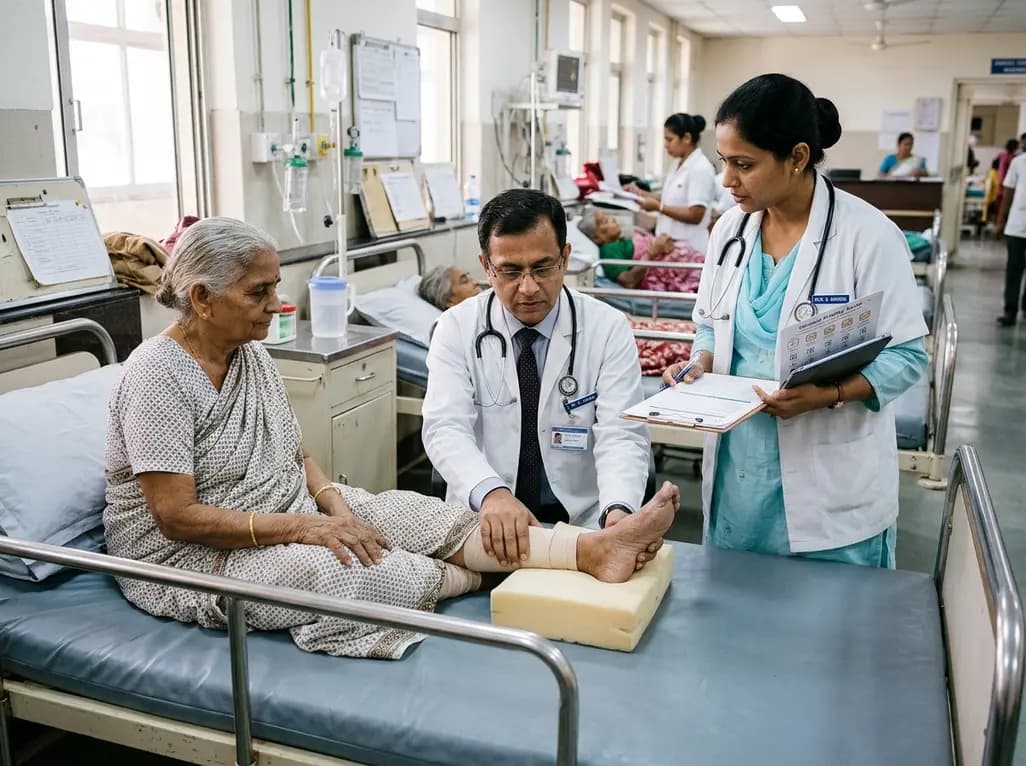
A retrospective cohort study reveals that frailty quadruples the odds of pressure injuries in hospitalized older adults. Integrating the Clinical Frailty Scale with comprehensive geriatric care is crucial for identifying vulnerability early and implementing targeted multidisciplinary prevention.
Today
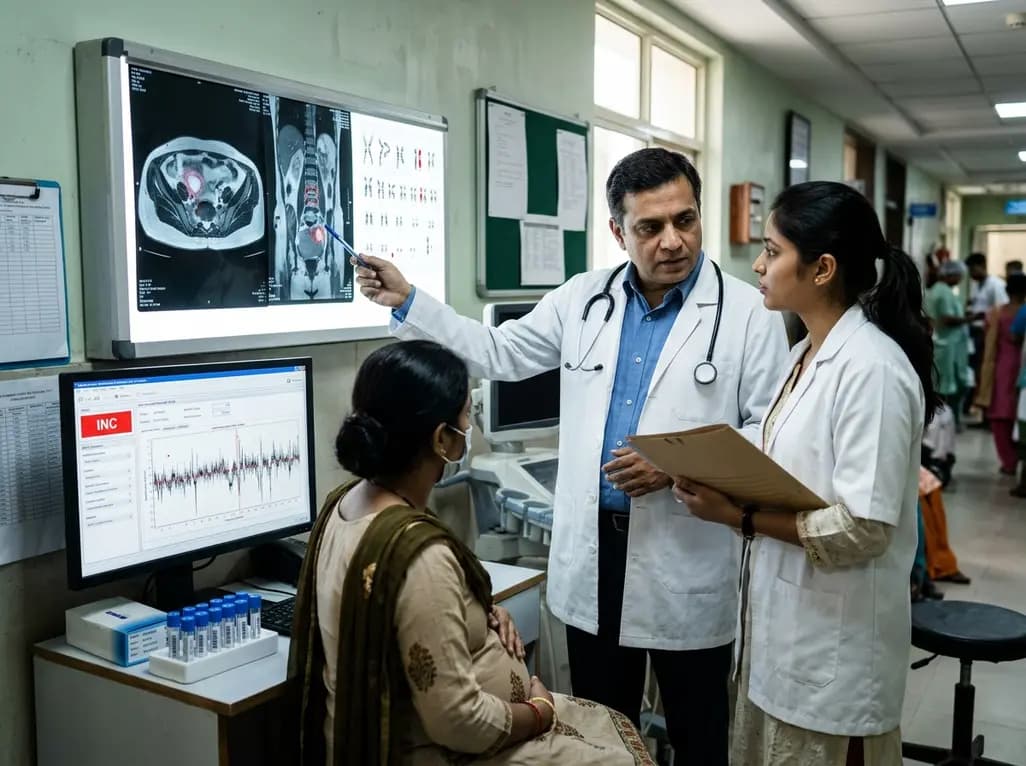
Occult maternal malignancy accounts for 3.82% of persistent unreportable NIPT results with genomic noise. Multiple chromosomal aberrations, notably on chromosome 18, warrant thorough oncological evaluation and whole-body MRI to ensure timely maternal diagnosis while preserving fetal care.
Today
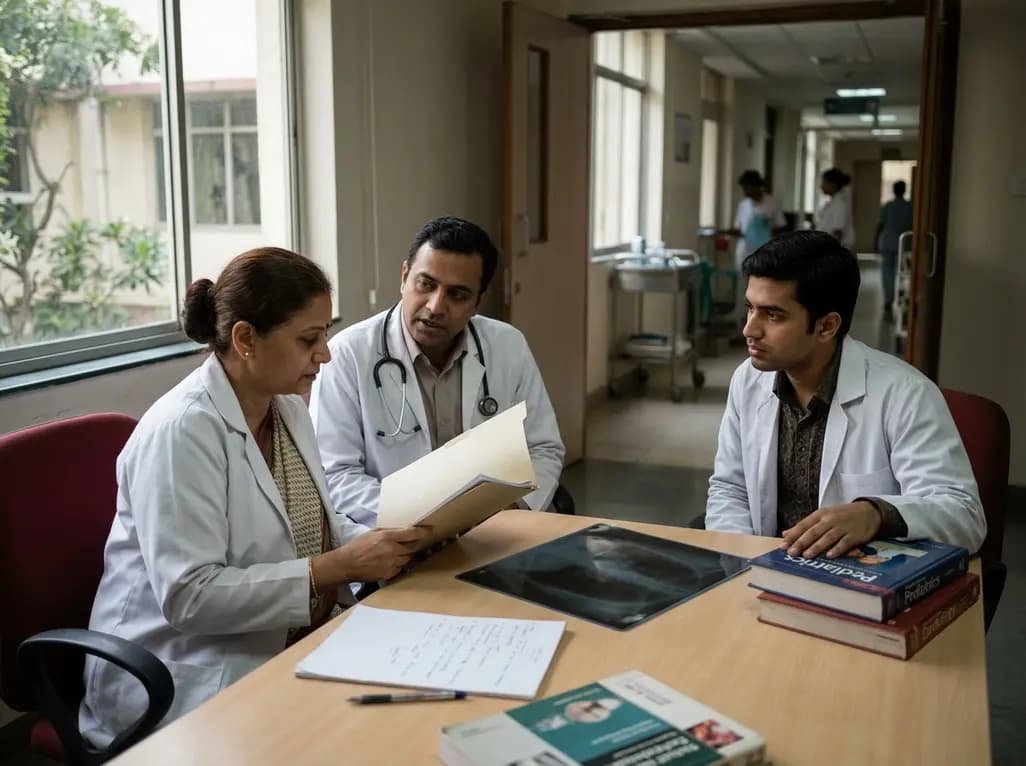
This article reviews the forensic and clinical complexities of acute myocarditis arising on left ventricular hypertrophy in children, highlighting early diagnostic red flags and multidisciplinary postmortem autopsy protocols.
Today
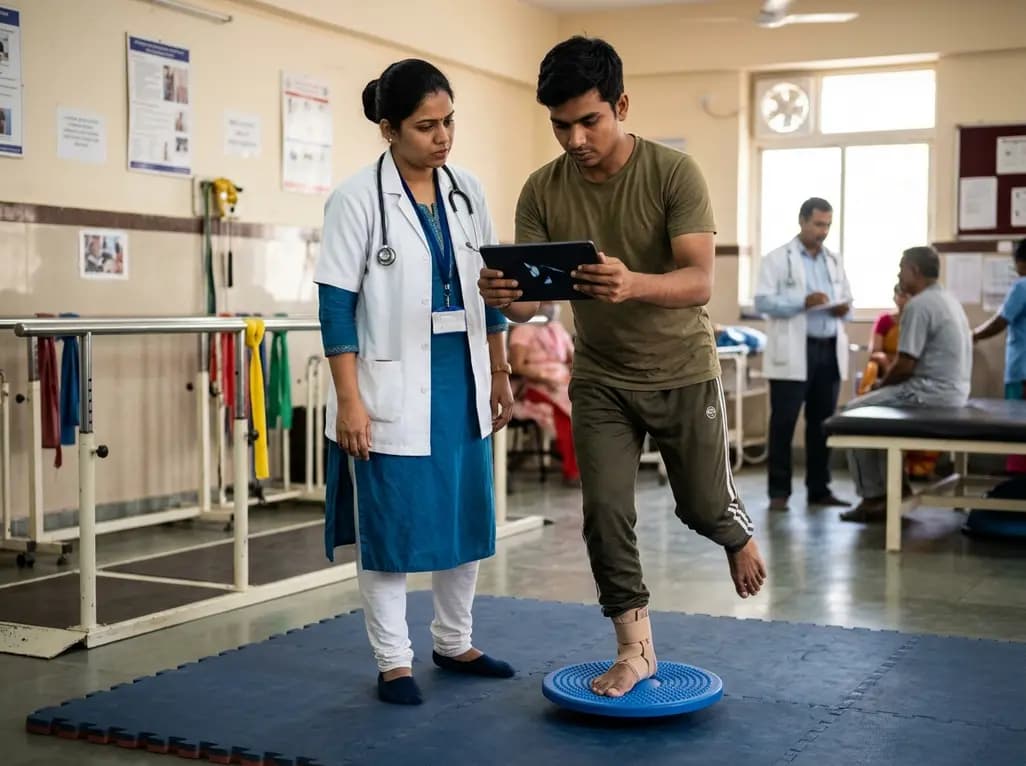
A randomized controlled trial demonstrates that an eight-week dual-task training intervention significantly improves static and dynamic postural control over standard balance exercises in individuals with chronic ankle instability, addressing critical neurocognitive deficits during athletic and daily activities.
Today
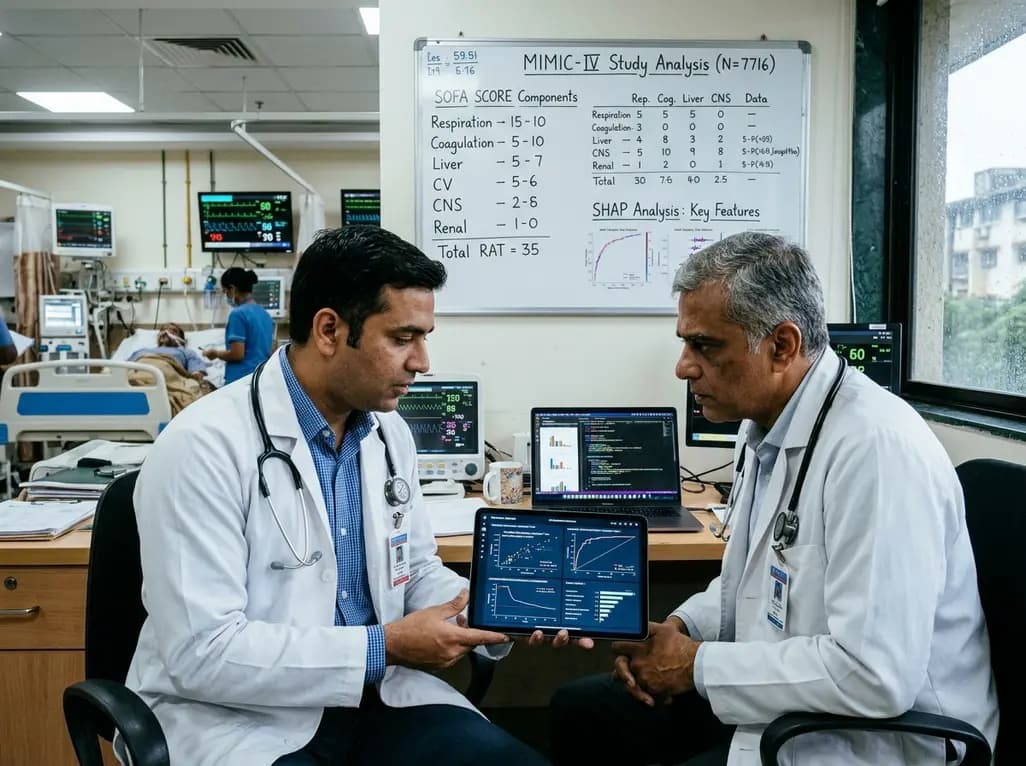
A retrospective cohort study of 7,716 ICU patients from the MIMIC-IV database demonstrates that Gradient Boosting Decision Trees significantly outperform traditional SOFA scores in predicting in-hospital mortality among patients with sepsis and diabetes, with SHAP analysis providing clinical interpretability.
Today
