

Loading, please wait...
Loading, please wait...

In modern intensive care units, delivering timely end-of-life support remains a critical clinical obligation. However, critical care teams often struggle to translate theoretical knowledge into meaningful clinical action. Providing effective ICU palliative care demands far more than cognitive familiarity with guidelines or symptom protocols. Healthcare professionals frequently recognize the importance of early symptom alleviation, family communication, and dignified comfort care. Nevertheless, bedside clinicians encounter persistent organizational barriers, emotional distress, and unpredictable clinical trajectories. Consequently, substantial disparities exist between what clinicians understand academically and what they execute at the patient bedside. Bridging this persistent knowledge-to-action gap requires examining the internal psychological drivers that empower bedside providers. When healthcare professionals feel secure in their clinical decision-making, they implement palliative strategies much more consistently. Therefore, intensive care leadership must prioritize clinician confidence alongside basic didactic education to optimize patient comfort and dignity.
Self-efficacy represents an individual's belief in their ability to execute behaviors necessary to achieve designated clinical goals. In critical care environments, self-efficacy acts as an essential psychological bridge between acquired knowledge and bedside behavior. Clinicians may memorize pain management regimens or ethical frameworks thoroughly. However, without adequate confidence, they may hesitate during high-stakes family meetings or comfort transitions. Research demonstrates that self-efficacy directly dictates how clinicians approach challenging end-of-life scenarios. When nurses possess robust self-efficacy, they advocate vigorously for pain relief, address patient discomfort proactively, and facilitate sensitive communication. Furthermore, mediation models indicate that knowledge alone rarely guarantees high-quality practice without the mediating influence of professional confidence. Consequently, educational programs that exclusively focus on lectures often fail to generate sustained behavioral transformation. Ultimately, strengthening professional self-efficacy converts static clinical understanding into compassionate, responsive bedside action for critically ill individuals.
A recent cross-sectional investigation evaluated 107 intensive care nurses working within resource-constrained environments in Timor-Leste to clarify these relationships. Specifically, the researchers utilized validated assessment tools, including the Palliative Care Knowledge Test and the Self-Efficacy in Palliative Care Scale. Using Rasch analysis and mediation modeling, the investigators examined how cognitive understanding translates into daily care. Interestingly, the baseline measures revealed low baseline knowledge scores among bedside nurses, alongside moderate self-efficacy and practice ratings. Furthermore, knowledge demonstrated a statistically significant association with self-efficacy scores. Most importantly, self-efficacy acted as a significant psychological mediator connecting clinical knowledge to actual practice performance. Consequently, these findings highlight that theoretical training exerts its greatest practical benefit by bolstering provider confidence. Therefore, empowering healthcare staff with self-assurance proves indispensable for maintaining compassionate clinical care in resource-limited health systems.
The dynamics observed in low- and middle-income health settings mirror the clinical reality within Indian intensive care units. In India, critical care clinicians frequently care for patients presenting with advanced irreversible organ failures and severe terminal illnesses. The Indian Society of Critical Care Medicine and the Indian Association of Palliative Care have established clear joint guidelines for end-of-life care. However, implementing these compassionate protocols remains uneven across diverse public and private hospitals. Critical care nurses in India often spend the most time at the patient bedside, monitoring pain and witnessing family distress. Yet, nurses frequently lack formal palliative training and institutional authorization to initiate palliative discussions. Furthermore, prognostic ambiguity, legal anxieties regarding life-support limitation, and hierarchical communication structures hinder proactive comfort measures. Consequently, critical care practitioners often pursue non-beneficial curative interventions rather than timely symptom palliation.
Optimizing palliative outcomes in the ICU demands systemic interventions that unite clinical knowledge with practical self-efficacy. Intensive care units must move beyond sporadic lectures toward experiential and multidisciplinary training models. For example, high-fidelity simulation allows critical care nurses and junior physicians to practice delicate communication scenarios safely. Clinicians can rehearse family conferences, goals-of-care discussions, and symptom crisis management in controlled environments. Additionally, establishing nurse-led palliative champion models empowers bedside providers to identify unmet palliative needs promptly. Clear clinical pathways for symptom assessment give staff objective tools to guide therapy. Moreover, routine multidisciplinary debriefings after traumatic deaths foster emotional resilience and peer encouragement among healthcare workers. Institutional leaders should also ensure legal clarity regarding Indian end-of-life frameworks to alleviate unwarranted medicolegal apprehension. Ultimately, combining robust institutional protocols with structured skill-building transforms intentions into excellent bedside clinical practice.
To translate these research insights into tangible hospital improvements, critical care leaders should implement structured administrative changes. First, departmental heads must establish routine continuing education modules that emphasize symptom control, communication skills, and ethical deliberation. Second, healthcare institutions should actively involve bedside nurses in morning multidisciplinary palliative rounds. Consequently, bedside nurses gain greater clarity regarding overall treatment trajectories and comfort goals. Third, clinical teams must utilize standardized end-of-life care order sets to guide refractory pain and dyspnea management. Furthermore, hospitals must provide accessible psychological counseling and debriefing spaces to counteract compassion fatigue among critical care staff. When leadership visibly values palliative interventions, team members develop the confidence required to deliver proactive, holistic care. Therefore, institutional investments in clinician self-efficacy directly elevate the quality of end-of-life care for critically ill patients.
Self-efficacy determines whether healthcare professionals can translate theoretical knowledge into decisive bedside clinical actions. In intensive care units, high self-efficacy empowers bedside nurses and clinicians to advocate for timely pain management, facilitate delicate goals-of-care conversations, and address distressing physical symptoms proactively. Without sufficient confidence, clinicians often hesitate during critical end-of-life transitions, even when possessing adequate didactic knowledge. Therefore, nurturing clinical self-efficacy is vital for improving patient comfort and family satisfaction.
Several institutional and cultural factors impede palliative integration across Indian critical care units. Primary challenges include inadequate formal training in palliative competencies, lingering legal misconceptions regarding life-support limitation, and deeply ingrained hierarchical communication patterns. Furthermore, acute prognosis unpredictability and heavy clinical workloads frequently distract teams from early symptom relief. Addressing these systemic obstacles requires clear institutional end-of-life policies, dedicated interdisciplinary collaboration, and continuous continuing education aligned with national intensive care guidelines.
Experiential learning interventions cultivate professional self-efficacy far more effectively than traditional classroom lectures alone. Healthcare organizations should implement high-fidelity simulations of end-of-life family conferences, structured bedside mentoring by experienced palliative champions, and routine multidisciplinary case debriefings. These interactive practical strategies allow clinicians to master delicate communication techniques and complex symptom protocols within safe, supportive environments. Consequently, critical care providers gain the practical confidence necessary to execute compassionate bedside care consistently.
Disclaimer: This content is for informational and educational purposes only... Refer to the latest local and national guidelines for clinical practice.
References

Read summarized clinical updates, watch expert medical content, and earn CME certifications right from your smartphone.
Open your smartphone camera to scan and install.





A cross-sectional study reveals that self-efficacy significantly mediates the relationship between knowledge and ICU palliative care practice. Enhancing clinical confidence through experiential training and multidisciplinary collaboration is crucial for strengthening critical care end-of-life outcomes.
5 days back
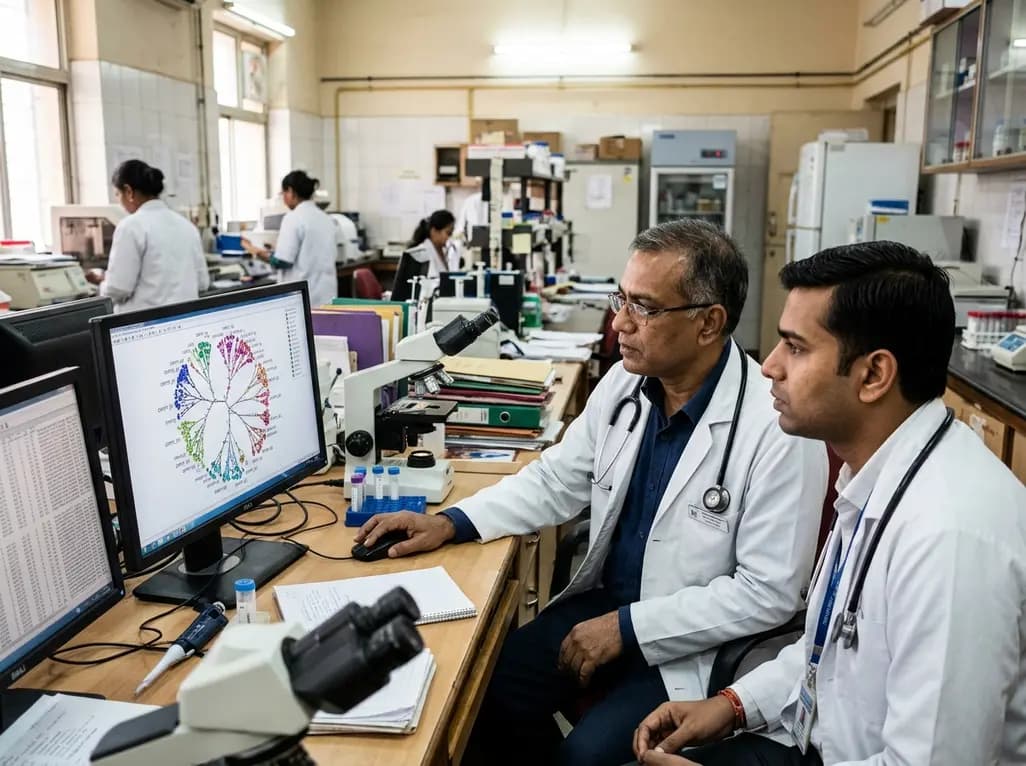
A cross-sectional molecular epidemiological study evaluates HIV-1 transmission clusters and pretreatment drug resistance among treatment-naïve men who have sex with men. Findings highlight prominent CRF07_BC transmission and significant assortative mixing, informing targeted public health and antiretroviral strategies.
Today
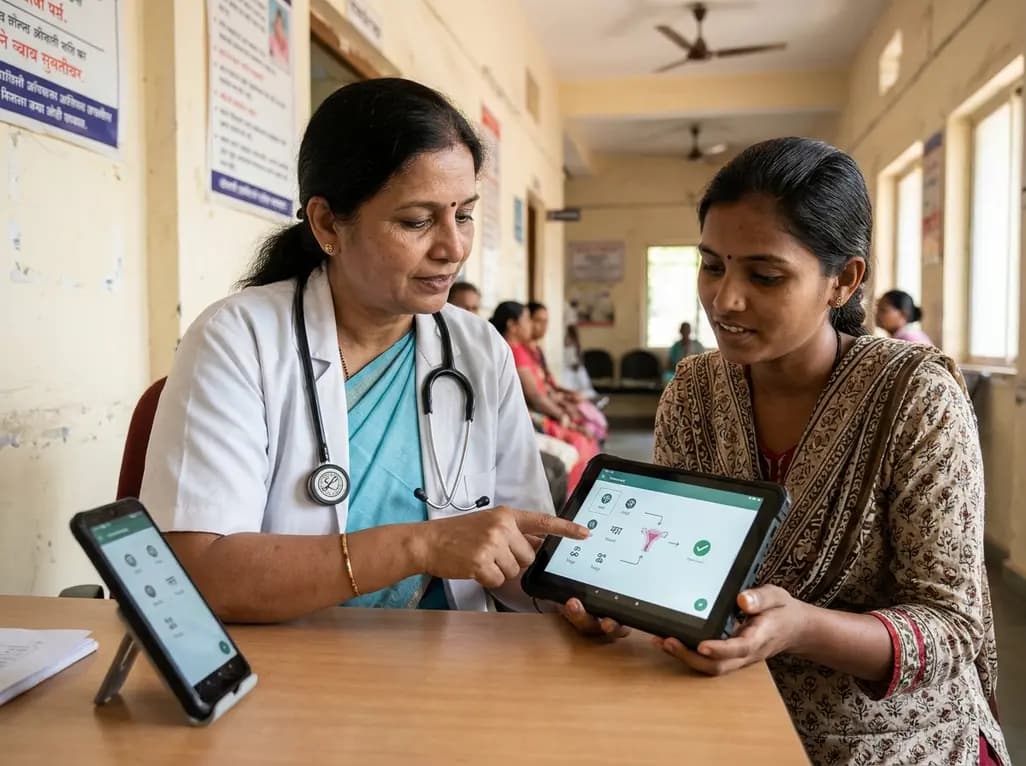
A new study evaluates a multilingual digital health platform combining rule-based cervical cancer risk assessment, retrieval-augmented generation AI, and geospatial navigation. The tool dramatically reduces clinical hallucinations while providing actionable health guidance for underserved populations.
Today

A novel MOF-based platform encapsulates hemoglobin with catalytic platinum and ceria nanozymes to deliver oxygen while scavenging toxic reactive oxygen species. This study highlights key design principles for managing hypoxia and reperfusion injury while resolving crucial stability challenges.
Today
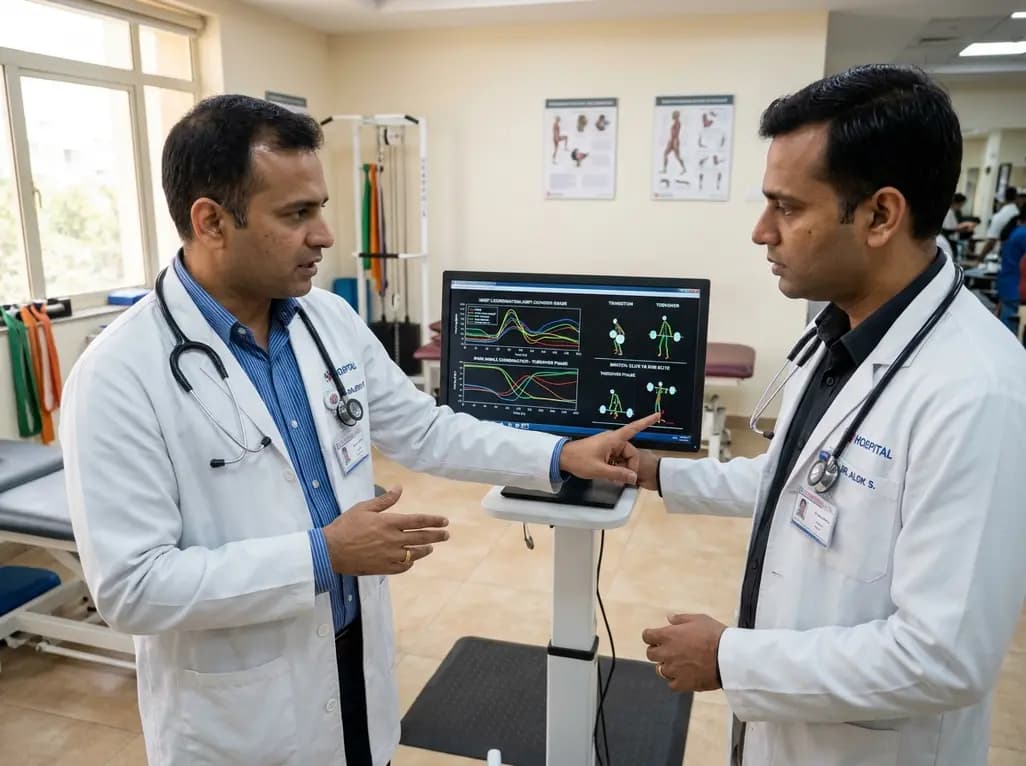
A vector coding study compares elite and sub-elite weightlifters during maximal snatch attempts, revealing that performance differences stem from phase-dependent knee-ankle coordination during transition and turnover phases rather than overall trajectory patterns.
Today
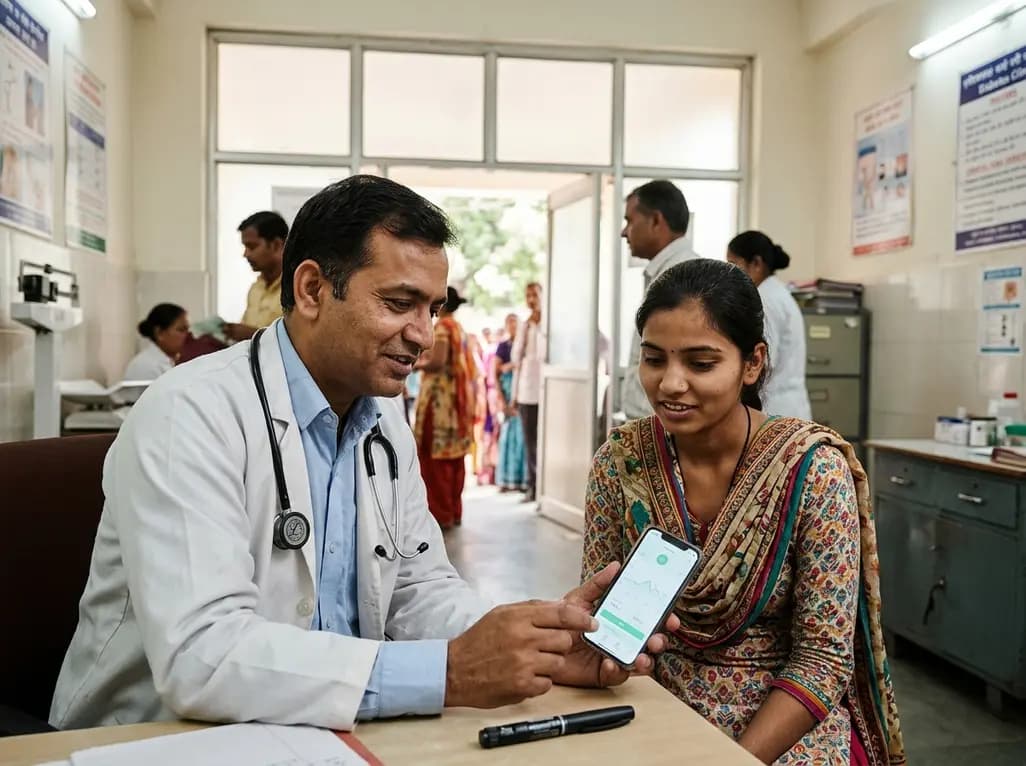
A pilot feasibility study demonstrates that a newly developed mobile app for bolus insulin dose adjustment significantly improves dosing confidence, treatment adherence, and hypoglycemia prevention for patients with type 1 diabetes while reducing provider workload in resource-limited clinical settings.
Today
