.webp&w=384&q=75)

Loading, please wait...
Loading, please wait...

Recent public health data demonstrate noticeable contraceptive knowledge disparities among undergraduate students based on their personal sexual experience. Many young adults enter university settings with fragmented information regarding reproductive health, dual-protection methods, and modern birth control options. Consequently, clinicians often encounter young individuals who hold substantial misconceptions regarding ovulation timing, hormonal mechanism actions, and overall failure rates. Therefore, assessing baseline awareness across diverse student subgroups represents an essential clinical objective. When clinicians recognize these specific educational deficits, they can deliver far more personalized reproductive health guidance. Furthermore, understanding the factors that influence sexual choices allows primary care physicians and gynecologists to engage young patients in timely preventative discussions before an unplanned event occurs. Healthcare providers must proactively address these educational gaps to foster lifelong reproductive autonomy and reduce unintended pregnancies.
College populations frequently exhibit diverse behavioral patterns, yet healthcare initiatives frequently assume that all young adults are sexually active. However, cross-sectional survey findings reveal that approximately 26% of college students report having never engaged in sexual intercourse. Among this cohort, female students represent the overwhelming majority at 86%, while 54% identify as white. When researchers investigated the underlying rationales for sexual abstinence, 65% of inactive students cited not finding the right partner as their primary justification. Additionally, approximately 12% of inactive participants cited religious or moral convictions as their core reason for delaying sexual debut. Consequently, sexual abstinence among university undergraduates often stems from intentional personal values and relational standards rather than simple peer dynamics. Practitioners must therefore acknowledge these varied motivations during routine clinical histories instead of making sweeping generalizations about student behaviors.
To quantify reproductive literacy accurately, investigators administered the validated Contraception Knowledge Assessment tool across a sample of 700 urban university students. The study cohort comprised 443 sexually active individuals, 76 temporarily inactive individuals, and 181 individuals who had never engaged in sexual intercourse. Researchers analyzed total scores, which ranged from 0 to 25, while controlling for critical demographic confounders such as age, biological sex, race, education year, and sexual orientation. Consequently, adjusted multivariable linear regression models revealed significant differences in objective comprehension. Sexually active students achieved a mean contraceptive knowledge score of 14.3, whereas peers who had never engaged in sex scored significantly lower at 12.5. Furthermore, both groups demonstrated considerable deficits across complex topics, including long-acting reversible contraceptive efficacy and emergency contraception mechanisms. These empirical findings demonstrate that experiential exposure frequently drives personal health information seeking among young adults.
The documented gap between active and inactive students underscores an urgent need for informational sex preparedness across outpatient clinical practices. Because sexually inactive students maintain significantly lower baseline knowledge, they face substantial clinical vulnerabilities when transitioning into active partnerships. If an individual initiates sexual activity without adequate prior counseling, the likelihood of inconsistent barrier or hormonal contraceptive utilization increases dramatically. Furthermore, acute emotional stress during new intimate relationships can impair logical health decision-making. Therefore, clinicians should normalize proactive discussions regarding contraception long before patients initiate intercourse. Routine adolescent and young adult wellness examinations provide the perfect opportunity for providers to offer unbiased, evidence-based guidance. Physicians must eliminate the persistent misconception that discussing contraception encourages early sexual debut. Instead, early structured guidance establishes strong self-efficacy, corrects persistent digital misinformation, and equips young adults to navigate future encounters safely.
Healthcare professionals can implement several targeted strategies within outpatient clinics and collegiate health services to eliminate contraceptive knowledge disparities. First, clinicians should routinely introduce comprehensive contraceptive counseling into every preventive adolescent health visit, regardless of whether the patient currently reports active partnerships. Second, medical teams should utilize objective educational aids, such as visual effectiveness tiered charts and anatomical models, to clarify contraceptive mechanisms clearly. In addition, healthcare facilities must establish judgment-free environments where students can openly discuss relationships, personal boundaries, and moral considerations. Interprofessional collaboration between campus health clinics, primary care physicians, and community educators can also expand access to reliable reproductive guidance. When healthcare teams deliver structured, universal education, they successfully empower all young individuals with essential knowledge. Ultimately, comprehensive preventative guidance protects reproductive autonomy and ensures optimal health outcomes across diverse student populations.
Sexually inactive students often demonstrate lower contraceptive knowledge scores because they lack immediate practical necessity to research birth control options. Consequently, these individuals rarely receive targeted reproductive guidance during routine medical consultations. Because clinicians frequently avoid contraceptive discussions with inactive patients, these students do not acquire critical information. Therefore, inactive young adults encounter fewer opportunities to explore modern contraceptive modalities before initiating sexual relationships.
Research indicates that university students remain sexually inactive for distinct interpersonal and personal reasons. Specifically, approximately 65% of abstinent college students report that they have not yet found the right partner. Furthermore, roughly 12% cite moral or religious beliefs as their primary justification for sexual abstinence. Consequently, clinicians must recognize that relationship readiness and personal ethical values represent the predominant drivers of sexual inactivity.
Clinicians should approach contraceptive counseling proactively by introducing reproductive education during every annual preventive examination. Rather than waiting for a patient to initiate sexual intercourse, providers must deliver anticipatory guidance regarding barrier methods, hormonal options, and emergency contraception. Furthermore, practitioners should utilize clear visual decision aids to explain tiered effectiveness. This universal educational strategy builds essential preparedness without assuming immediate sexual intentions.
Disclaimer: This content is for informational and educational purposes only... Refer to the latest local and national guidelines for clinical practice.
References

Read summarized clinical updates, watch expert medical content, and earn CME certifications right from your smartphone.
Open your smartphone camera to scan and install.





A cross-sectional study of 700 college students highlights significant contraceptive knowledge disparities between sexually active and inactive young adults. The findings demonstrate a critical need for proactive, comprehensive sexual health counseling before sexual debut.
Last week
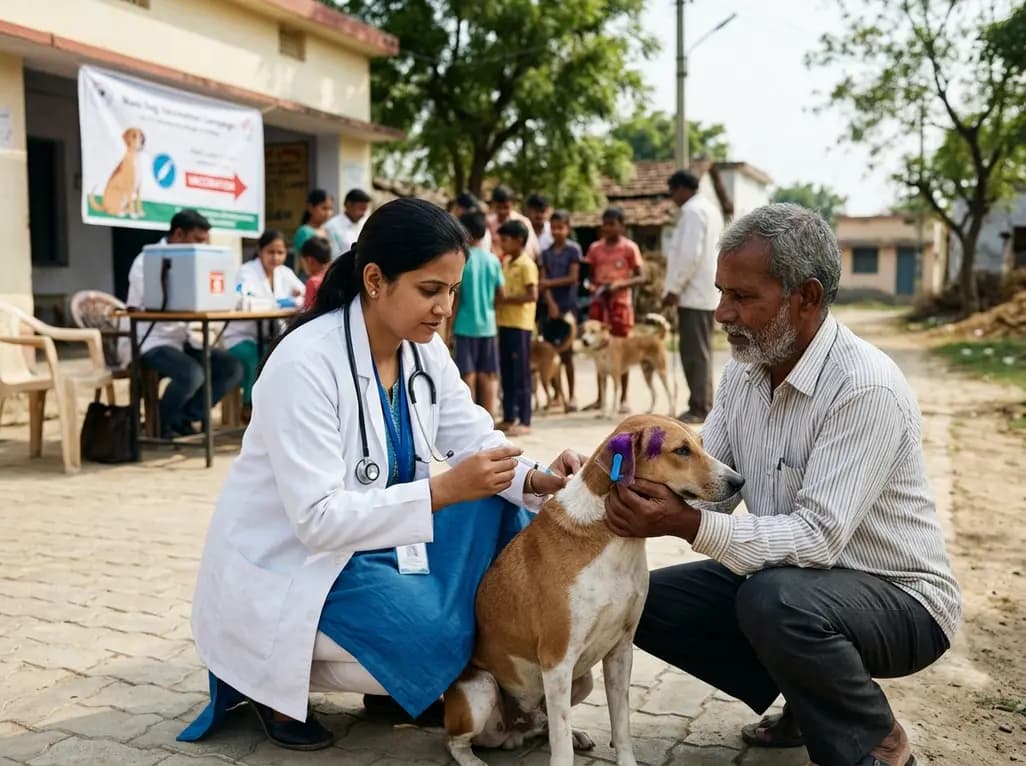
A landmark cluster randomized trial demonstrates that community-based mass dog vaccination achieves superior coverage and sustains protective herd immunity against rabies far better than conventional campaign models, offering vital lessons for global and Indian elimination targets.
Today
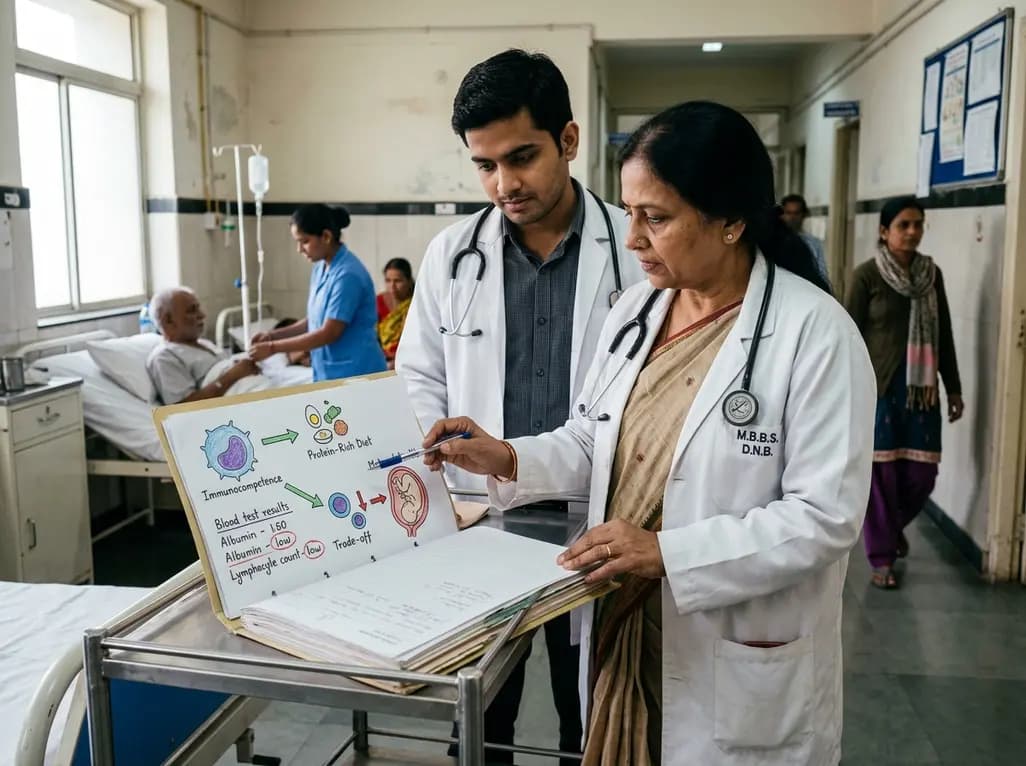
Explore the crucial link between dietary protein and immunocompetence. This review examines how low-protein nutrition shifts metabolic resources away from pathogen defense toward early reproduction, compromising host survival and immunity against severe bacterial infections.
Today
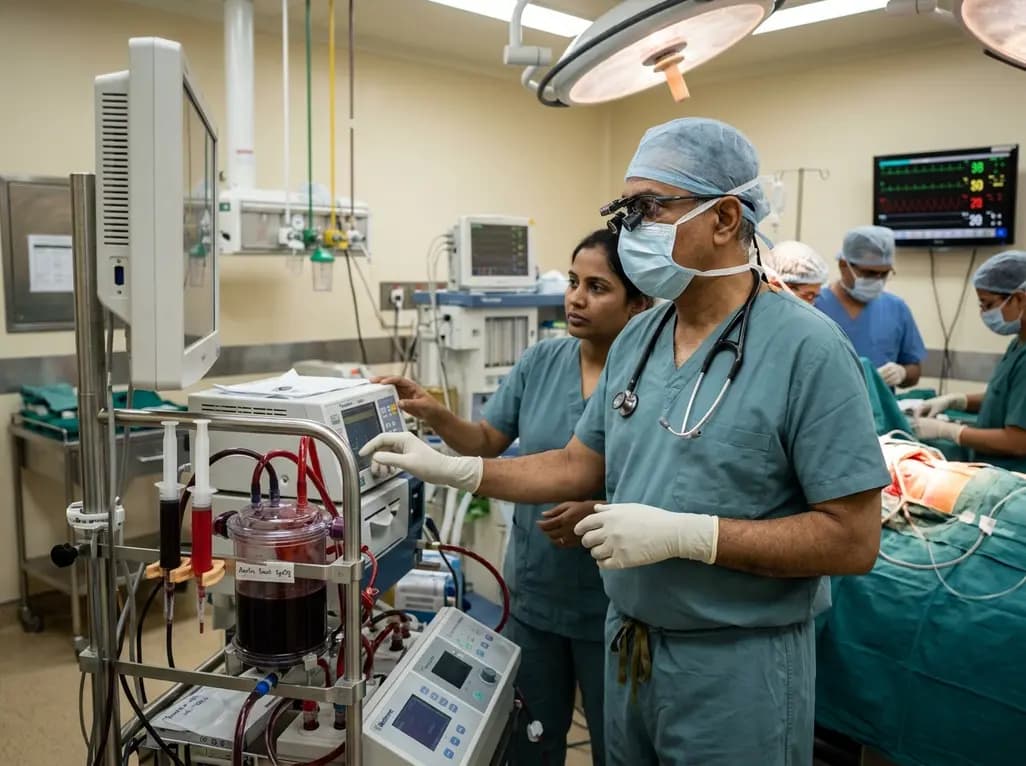
Differential oxygenation during peripheral TA-NRP can cause undetected coronary hypoxemia due to arch vessel clamping. A novel circuit with continuous aortic root monitoring detects desaturation early, facilitating left ventricular unloading and preventing allograft dysfunction and unnecessary heart discard.
Today

A longitudinal study reveals that patients undergoing staged bilateral hip arthroscopy experience progressive contralateral labral deterioration during surgical intervals. However, structural degradation does not compromise 2-year postoperative clinical outcomes or patient-reported satisfaction scores.
Today

A post hoc analysis of the PARM-T2D study shows pemafibrate exerts baseline-dependent effects on LDL-C and particle size in type 2 diabetes and hypertriglyceridemia. It lowers triglycerides and remnants while favorably remodeling atherogenic LDL particles based on initial lipid control status.
Today
