.webp&w=384&q=75)

Loading, please wait...
Loading, please wait...

Reproductive psychiatry is a rapidly growing subspecialty that focuses on the mental health of women during critical reproductive transitions, such as pregnancy, the postpartum period, and menopause. Despite the high prevalence of perinatal mood and anxiety disorders, formal Reproductive Psychiatry Fellowship Training has historically lacked a unified, evidence-based educational framework. To address this significant gap, the National Curriculum in Reproductive Psychiatry (NCRP) was developed as a peer-reviewed, standardized resource for psychiatric education. A recent study published in Academic Psychiatry examined the impact of the NCRP Fellows Series, a year-long, expert-led didactic program designed for consultation-liaison and reproductive psychiatry fellows across the United States. The findings suggest that such standardized interventions not only improve objective knowledge but also significantly enhance the clinical preparedness of trainees, ensuring a higher standard of care for patients navigating complex reproductive health journeys.
For decades, training in reproductive psychiatry was largely dependent on the specific expertise available at individual academic institutions. Consequently, this created a fragmented educational landscape where some fellows received comprehensive instruction while others had limited exposure to essential topics like psychotropic prescribing during lactation or managing postpartum psychosis. The National Curriculum in Reproductive Psychiatry was conceived to eliminate these discrepancies by providing a reliable foundation of core knowledge. By utilizing evidence-based materials and involving a network of national experts, the NCRP ensures that every participant, regardless of their home institution, receives high-quality instruction. This shift toward a centralized, peer-reviewed curriculum is vital because it moves the field away from idiosyncratic clinical practices toward a more standardized, scientific approach. Furthermore, the curriculum addresses the unique physiological and psychological intersections of mental health and reproductive biology, which are often overlooked in general psychiatry residencies. As the global demand for specialized maternal mental health services continues to rise, the implementation of such rigorous training modules becomes increasingly critical for developing a competent and confident workforce of subspecialists who can provide nuanced, life-saving psychiatric care.
The implementation of the NCRP Fellows Series represents a modern, collaborative approach to medical education. Between 2021 and 2024, three cohorts of fellows participated in weekly virtual sessions led by prominent faculty and guest experts. This virtual format is particularly advantageous because it allows programs with smaller faculty sizes to leverage the specialized knowledge of national leaders in the field. During these sessions, participants engaged with core NCRP materials, which include modules on infertility, perimenopause, and the ethical considerations of perinatal care. Transitioning to a virtual platform also fostered a sense of community among fellows across twenty-six different institutions, encouraging the exchange of diverse clinical perspectives and peer support. Additionally, the expert-led nature of the series ensures that the latest research findings are integrated into the curriculum in real-time, keeping the training at the cutting edge of psychiatric science. By combining standardized materials with live expert discussion, the series provides a multifaceted learning experience that balances theoretical knowledge with practical, case-based insights. This structured yet interactive model serves as a blueprint for other medical subspecialties looking to standardize training across geographically dispersed fellowship programs while maintaining high educational engagement.
The core objective of the study was to determine if participation in the NCRP Fellows Series led to measurable improvements in medical knowledge and self-reported preparedness. Researchers utilized a twenty-nine-question multiple-choice knowledge assessment and a Likert-scale questionnaire to evaluate seventy-five fellows. The results were remarkably positive, showing a significant increase in post-test scores compared to pre-test baseline data. Specifically, participants demonstrated a mean increase of 3.63 points, which is a statistically significant improvement given the advanced level of these trainees. Moreover, the study found that both consultation-liaison and reproductive psychiatry fellows benefited equally, suggesting that the curriculum is versatile enough to meet the needs of different psychiatric subspecialties. Beyond the quantitative knowledge scores, the fellows reported a marked increase in their confidence levels regarding clinical tasks. This boost in self-reported preparedness is crucial, as it directly influences a clinician’s ability to make complex decisions in high-stakes environments, such as a busy perinatal unit or an emergency consultation service. The consistency of these results across multiple years and institutions underscores the robustness of the NCRP materials and the effectiveness of the teaching methodology employed in the Fellows Series.
Optimizing Reproductive Psychiatry Fellowship Training requires a deliberate focus on both didactic depth and clinical application. The NCRP study highlights that a structured curriculum serves as a catalyst for professional growth, allowing fellows to synthesize complex information more effectively than through self-directed study alone. One of the most significant findings was the high level of satisfaction among participants, with nearly all fellows recommending the series to their peers. This widespread acceptance indicates that the curriculum successfully addresses the perceived educational needs of modern psychiatric trainees. Additionally, the standardized nature of the assessment tools allows program directors to identify specific areas where fellows may need more support, enabling more personalized mentorship. By establishing a national benchmark for what a graduating fellow should know, the NCRP helps to professionalize the subspecialty and ensures that patients receive a consistent quality of care regardless of where their physician was trained. As the field continues to evolve, the integration of feedback from these cohorts will be essential for refining the modules and introducing new topics, such as the psychiatric impact of emerging reproductive technologies or updated guidelines on new pharmacological treatments for postpartum depression.
While the study focused on trainees in the USA, the implications of standardized reproductive psychiatry education are profoundly relevant on a global scale, particularly in India. India faces a substantial burden of maternal mental health challenges, yet specialized training opportunities remain scarce outside of a few premier institutions. Adopting a model similar to the NCRP could revolutionize how Indian psychiatry residents and DNB candidates are trained to handle perinatal cases. A standardized, virtual didactic series could bridge the gap between urban centers of excellence and rural medical colleges, ensuring that every psychiatrist in India has access to evidence-based protocols for managing disorders during the reproductive lifecycle. Furthermore, localizing these materials to reflect the cultural and socioeconomic nuances of the Indian patient population would enhance their clinical utility. For instance, incorporating local data on breastfeeding practices or family support structures into the modules would make the training more applicable to the Indian healthcare setting. By leveraging digital technology and collaborative networks, India can establish a national standard for reproductive psychiatry that empowers its clinicians to provide compassionate, high-quality care to millions of women, ultimately improving maternal and infant outcomes across the country.
The primary goal of the National Curriculum in Reproductive Psychiatry (NCRP) is to provide a standardized, evidence-based, and peer-reviewed educational framework for psychiatric training. It aims to bridge the gap in specialized knowledge regarding mental health disorders across the female reproductive lifespan, ensuring that all trainees have access to high-quality materials that improve clinical preparedness and patient safety in perinatal and reproductive settings.
Unlike traditional residency training, which often relies on the available expertise at a single institution, the NCRP Fellows Series is a collaborative, multi-institutional program. It uses virtual technology to connect fellows with a national network of experts, providing a unified didactic experience. This ensures that every participant receives consistent, high-level instruction that is often more specialized and comprehensive than what a local general psychiatry residency can offer.
Standardized training is essential because it establishes a baseline of competency across the subspecialty, reducing variability in clinical practice. In a field as complex as reproductive psychiatry, where treatment decisions involve both a mother and a developing fetus or infant, having a consistent, evidence-based approach is vital for minimizing risks and optimizing therapeutic outcomes. Standardization also facilitates better research, as clinicians use common terminology and protocols.
Disclaimer: This content is for informational and educational purposes only. It is not intended to provide specific medical advice or to be a substitute for professional medical advice, diagnosis, or treatment. Always seek the advice of your physician or other qualified health provider with any questions you may have regarding a medical condition. Refer to the latest local and national guidelines for clinical practice.
References
Standeven LR et al. Using the National Curriculum in Reproductive Psychiatry to Enhance and Standardize Fellowship Training. Acad Psychiatry. 2026 Jul 02. doi: 10.1007/s40596-026-02376-y. PMID: 42393490.
Erdly C, Etyemez S, Standeven LR, Nagle-Yang S, Osborne LM. Setting Common Standards for Reproductive Psychiatry Education: Effectiveness of the National Curriculum in Reproductive Psychiatry. Acad Psychiatry. 2023 Feb;47(1):63-68. doi: 10.1007/s40596-022-01663-8.
Osborne LM, Standeven LR, Nagle-Yang S. The Reproductive Psychiatry Curriculum: Addressing the Gap Between Clinical Need and Education. Policy Center for Maternal Mental Health. 2022. Available at: https://www.policycentermmh.org/reproductive-psychiatry-curriculum.
"
Read summarized clinical updates, watch expert medical content, and earn CME certifications right from your smartphone.
Open your smartphone camera to scan and install.





The National Curriculum in Reproductive Psychiatry (NCRP) Fellows Series significantly improves knowledge and clinical preparedness for psychiatry fellows. This study underscores the impact of a standardized, expert-led virtual curriculum in addressing education gaps in perinatal mental health.
3 weeks back
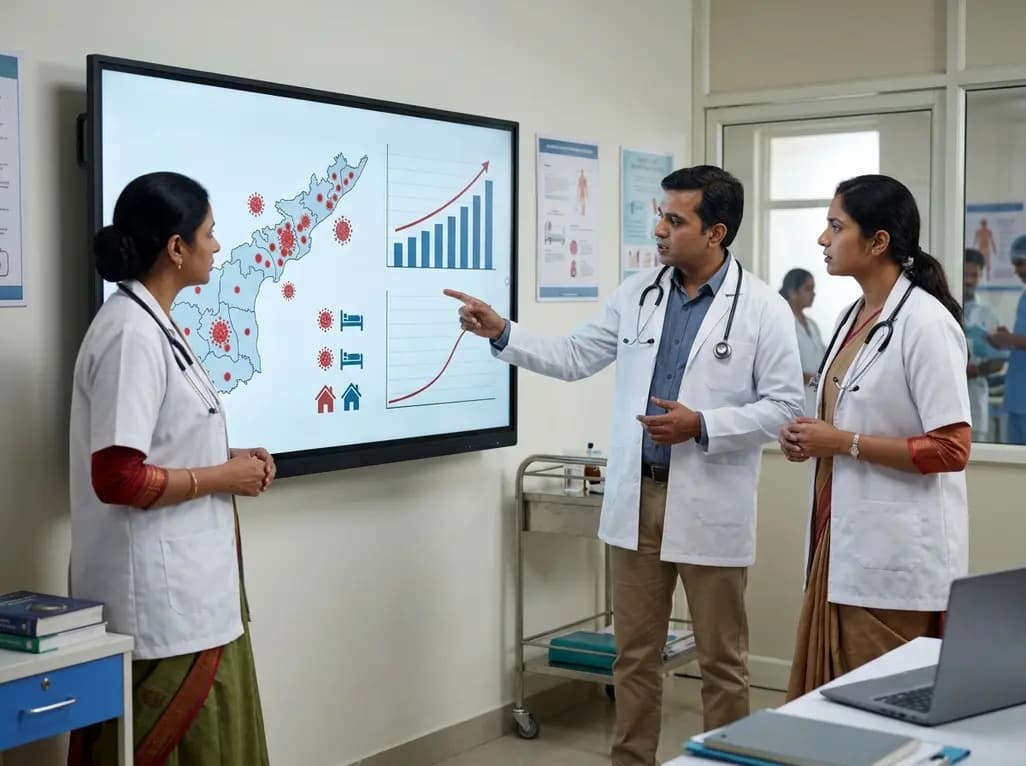
Andhra Pradesh reported 10 new Covid-19 cases, taking the state tally to 49 while deaths remain at four. With 24 patients hospitalized and 16 under home isolation, the Health Department has intensified monitoring. Medical professionals should review regional distribution, diagnostic protocols, and management plans.
Today

An 11-year Swedish registry study of 618 uterine sarcoma patients found that minimally invasive surgery yielded survival comparable to open surgery in early stages. However, adjuvant chemotherapy conferred no survival benefit in localized or advanced disease, highlighting stage and histology as key outcomes.
3 days back
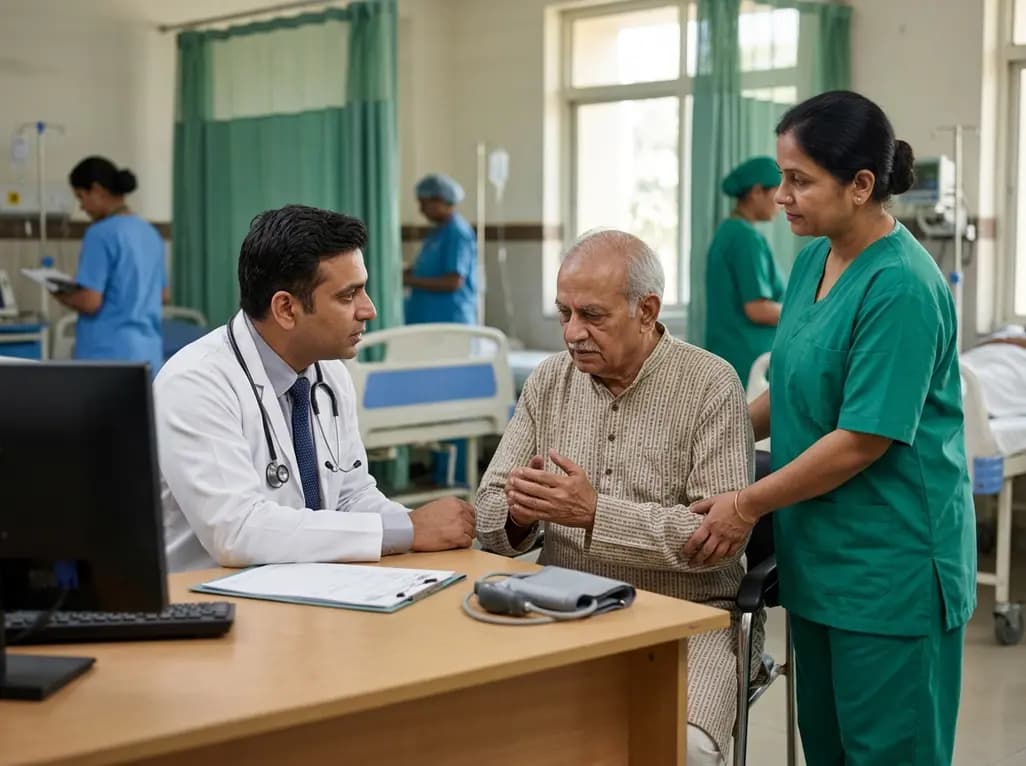
A cross-sectional study evaluates post-intensive care syndrome in cardiac patients 2-4 weeks post-ICU discharge, highlighting cognitive, psychological, and functional impairments and the need for structured multidisciplinary rehabilitation.
3 days back

Anterior cruciate ligament reconstruction failure lacks uniform definition. A narrative review proposes an integrative framework incorporating objective and subjective instability, persistent pain, restricted motion, graft rupture, and secondary meniscal injury to standardize clinical reporting.
3 days back
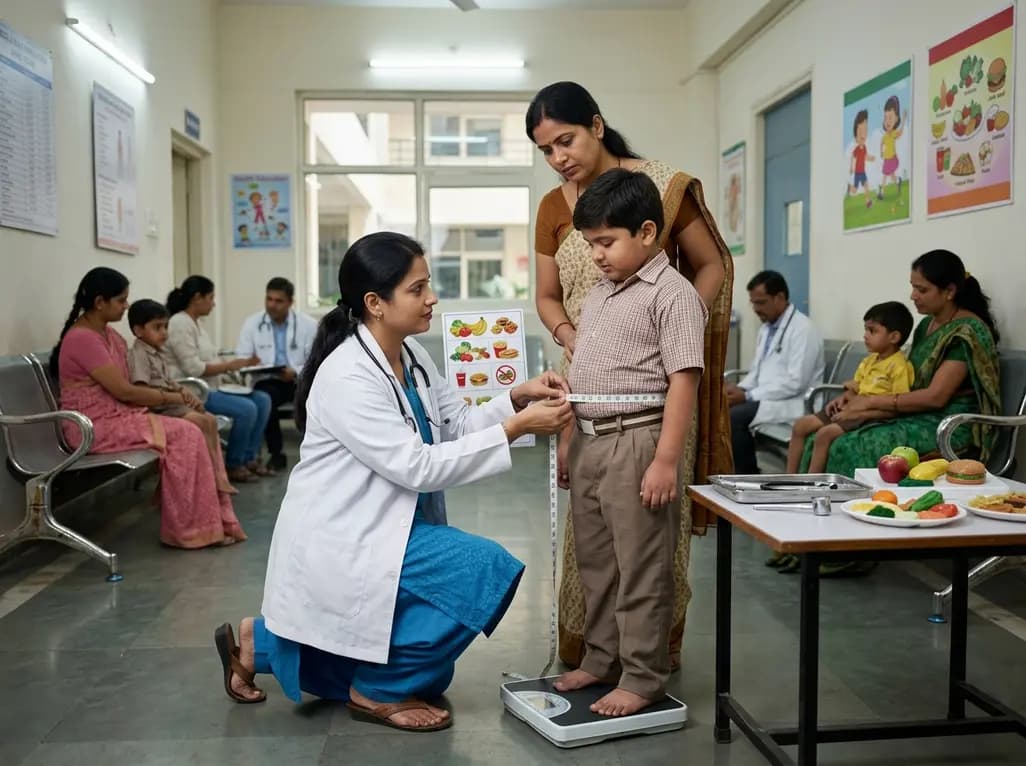
With World Obesity Atlas data warning that over 41 million Indian children are overweight or obese, ICMR and NIN have unveiled a 10-point policy roadmap. The initiative calls for mandatory front-of-pack labeling, HFSS taxes, strict marketing bans, and healthier school environments to curb non-communicable diseases.
Today
