.webp&w=384&q=75)

Loading, please wait...
Loading, please wait...
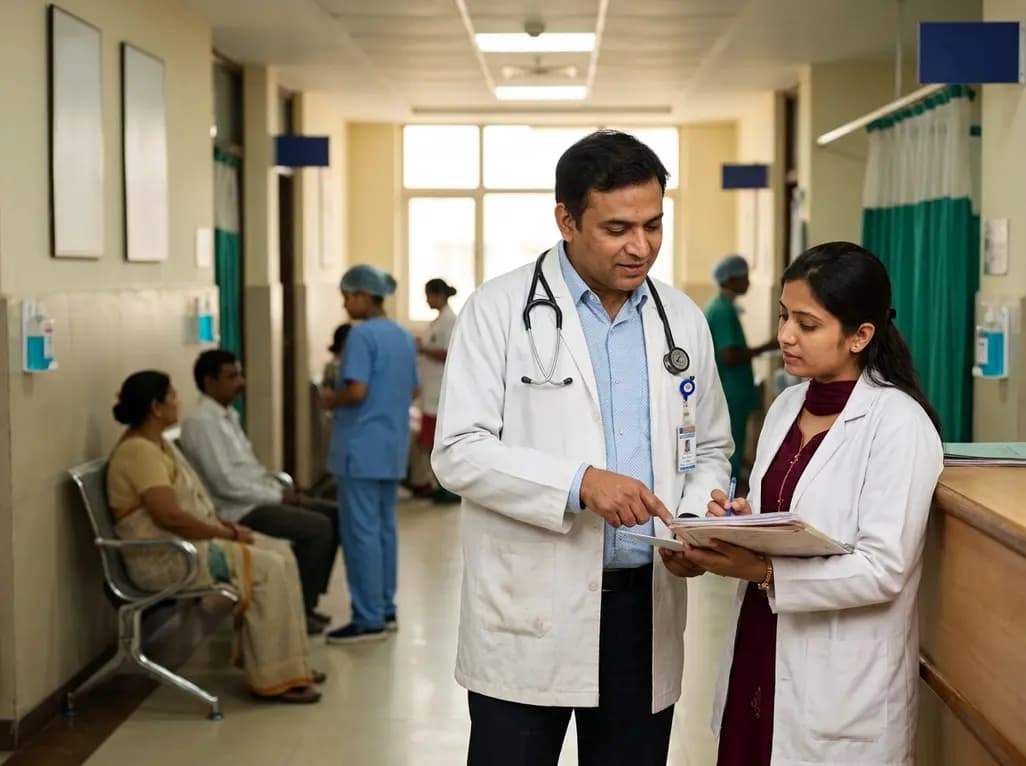
The global healthcare landscape is currently witnessing a massive digital transformation, particularly in orthopedics. Recently, US-based medtech giant Zimmer Biomet announced plans to hire 500 professionals over three years in Bengaluru, India. Consequently, this strategic expansion will significantly accelerate the company's research and development capabilities. Most importantly, the specialized hub will focus on driving orthopedic AI innovation to improve patient outcomes globally. Furthermore, the initiative marks a major milestone for India's growing status in the medical technology sector. Indeed, this move aligns perfectly with the ongoing global integration of digital technology and musculoskeletal medicine.
To begin with, global healthcare organizations increasingly look to India for high-end technical innovation. Historically, global capability centres (GCCs) in India focused primarily on back-office operations and basic IT support. Today, however, these hubs have evolved into critical centers of excellence for global product design. For instance, major healthcare players like Novo Nordisk, AstraZeneca, and Eli Lilly actively use their Indian facilities. Specifically, these multinational corporations rely on local teams for clinical data analysis, regulatory affairs, and advanced technology development. Indeed, consulting firm ANSR estimates that revenue from India's capability centres will rise by 12% by 2026. Consequently, this financial trajectory clearly demonstrates India's maturing digital engineering ecosystem. As a result, medtech companies are capitalising on this massive talent pool. Additionally, by establishing a robust presence in Bengaluru, Zimmer Biomet aligns itself with this powerful macroeconomic trend. Therefore, the region has successfully transitioned from a cost-effective support center to an indispensable innovation powerhouse. Ultimately, global companies now view India as a strategic core for their high-tech research and development operations. In fact, this trend will continue to reshape how global medical device developers design and deploy clinical technology.
To start, to remain competitive in modern medicine, healthcare companies must quickly integrate artificial intelligence. Therefore, Zimmer Biomet intends to focus heavily on AI applications at its new Bengaluru facility. This technology centre will spearhead developments in robotic-assisted surgery and patient-specific surgical planning. Currently, Zimmer Biomet is famous for manufacturing highly specialized orthopedic implants for joint replacements. Additionally, the company designs cutting-edge robotic devices that treat complex musculoskeletal conditions. By incorporating machine learning algorithms into these physical devices, engineers can significantly reduce surgical planning timelines. Ultimately, this integration allows surgeons to perform more precise procedures with higher predictability. For example, the Bengaluru GCC will accelerate the development of AI-driven surgical platforms. Consequently, through these digital advancements, the company aims to transform raw clinical data into actionable insights. In practice, these digital platforms will support surgeons in making more informed decisions before entering the operating room. Furthermore, these digital tools will allow orthopedic clinics to deliver highly customized, patient-centric treatments. Likewise, these automated systems can optimize implant positioning, which drastically improves long-term implant survival rates for patients.
Crucially, driving meaningful innovation in healthcare requires close collaboration among diverse disciplines. Therefore, Zimmer Biomet is designing its Bengaluru technology centre to house multiple key business functions under one roof. Specifically, the new hires will span software engineering, product design, and clinical research. In addition, the company will recruit experts in quality assurance, regulatory compliance, and corporate finance. Furthermore, roughly two-thirds of the planned 500 hires will work in technology roles. According to Shaun Braun, the Chief Information and Technology Officer, all appropriate functions must run together harmoniously. By doing so, they can drive continuous innovation and bring those advancements directly back to surgeons and patients. Historically, siloed departments have slowed down product development cycles in the medical device industry. In contrast, this multi-functional approach will streamline communication and help engineering teams meet regulatory standards early. Ultimately, this strategic alignment will eliminate historical bottlenecks and foster a culture of rapid, high-impact clinical prototyping. Specifically, this unified approach ensures that quality control and safety checks occur concurrently with software development. As a result, new products will reach the clinical environment with fewer operational delays.
Indeed, the integration of digital health solutions is redefining how clinicians manage patient recovery. Specifically, the new Bengaluru centre will focus on developing next-generation patient-monitoring software. In practice, this technology tracks patient progress before and after orthopedic surgery, providing doctors with recovery data. Furthermore, the facility will support capabilities in smart implant systems and advanced enterprise data analytics. Consequently, by gathering data directly from connected devices, clinicians can easily identify signs of implant failure. As a result, this continuous monitoring allows for early medical interventions to prevent revision surgeries. In addition, the centre will help streamline procurement and supply chain management for the Asia-Pacific region. Ultimately, this operational efficiency ensures that hospital systems have timely access to critical surgical components. Likewise, by combining digital health with hardware expertise, Zimmer Biomet hopes to establish a seamless ecosystem. Moreover, this proactive care model will significantly reduce the burden of post-operative follow-up visits for busy orthopedic clinics. In turn, healthcare providers can allocate their clinical resources more efficiently while maintaining high standards of post-operative care. Consequently, patient compliance and satisfaction will see major improvements globally.
Undeniably, the expansion of Zimmer Biomet highlights the massive talent pool available in India's digital engineering hubs. According to Jehanzeb Noor, the company does not face strict hiring constraints in Bengaluru. Instead, they could significantly expand the local headcount to thousands of employees in the future. Indeed, this scalability is essential because the global demand for advanced orthopedic solutions is rising rapidly. Moreover, the successful integration of Bengaluru's digital talent will future-proof the company's global operations. Specifically, in partnership with GCC consultant ANSR, Zimmer Biomet has established a high-velocity digital hub. For instance, the facility will host specialists in cloud infrastructure, enterprise technology, and data analytics. Consequently, this robust foundation will support Zimmer Biomet's headquarters in Warsaw, Indiana. Therefore, the Bengaluru centre represents a vital pillar of the company's long-term digital transformation. In conclusion, this massive talent pipeline will ensure that Zimmer Biomet remains at the absolute forefront of surgical robotics. Additionally, this continuous knowledge exchange between Warsaw and Bengaluru will accelerate the deployment of cutting-edge orthopedic technologies worldwide. Ultimately, this investment will bridge the gap between digital software innovations and musculoskeletal surgical practice.
Q1: Why is Zimmer Biomet opening a Bengaluru tech centre?
First, Zimmer Biomet is expanding its footprint in India to tap into the country's exceptional digital engineering talent pool. Specifically, this newly established Global Capability Centre in Bengaluru will accelerate digital transformation across global operations. Consequently, the hub will focus on software engineering and artificial intelligence. By utilizing local expertise, the company aims to speed up clinical technology development.
Q2: What technologies will the new centre focus on?
To start, the Bengaluru technology centre will focus heavily on artificial intelligence, robotic-assisted surgery, and patient-specific surgical planning. Furthermore, the facility will develop next-generation patient-monitoring software. In addition, engineers will work on clinical research, cloud enterprise technology, and data analytics. Ultimately, these digital solutions will combine musculoskeletal expertise with advanced computing to help orthopedic surgeons achieve highly predictable outcomes.
Q3: How many employees will the company recruit?
Currently, the medical technology major plans to hire 500 professionals over the next three years for the Bengaluru centre. Specifically, approximately two-thirds of these hires will fill technical roles. In addition, the remaining third will support quality assurance and regulatory affairs. However, leadership indicated that they could significantly expand the local headcount to thousands of employees in the future.
Disclaimer: This content is for informational and educational purposes only. It does not constitute medical advice or replace professional judgment. Refer to the latest local and national guidelines for clinical practice.
References

Read summarized clinical updates, watch expert medical content, and earn CME certifications right from your smartphone.
Open your smartphone camera to scan and install.





Zimmer Biomet is expanding its footprint in India by hiring 500 professionals for its new technology centre in Bengaluru. The facility will focus on software engineering, R&D, and artificial intelligence, accelerating the development of next-generation robotic surgery tools and digital healthcare solutions.
3 weeks back
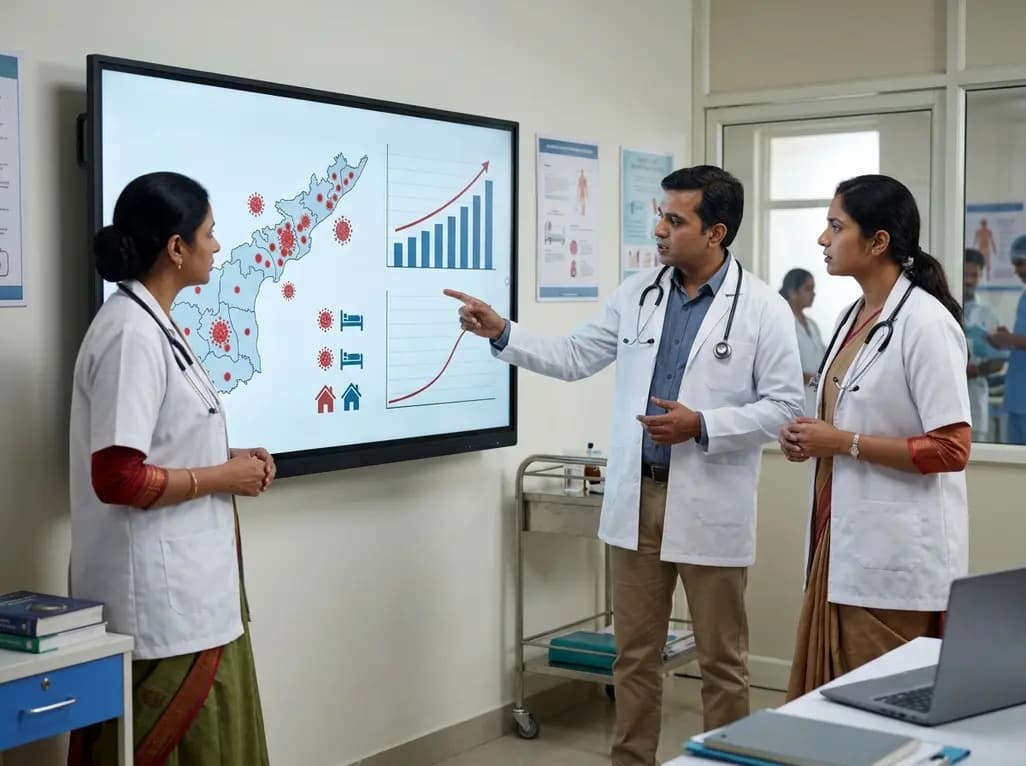
Andhra Pradesh reported 10 new Covid-19 cases, taking the state tally to 49 while deaths remain at four. With 24 patients hospitalized and 16 under home isolation, the Health Department has intensified monitoring. Medical professionals should review regional distribution, diagnostic protocols, and management plans.
Today
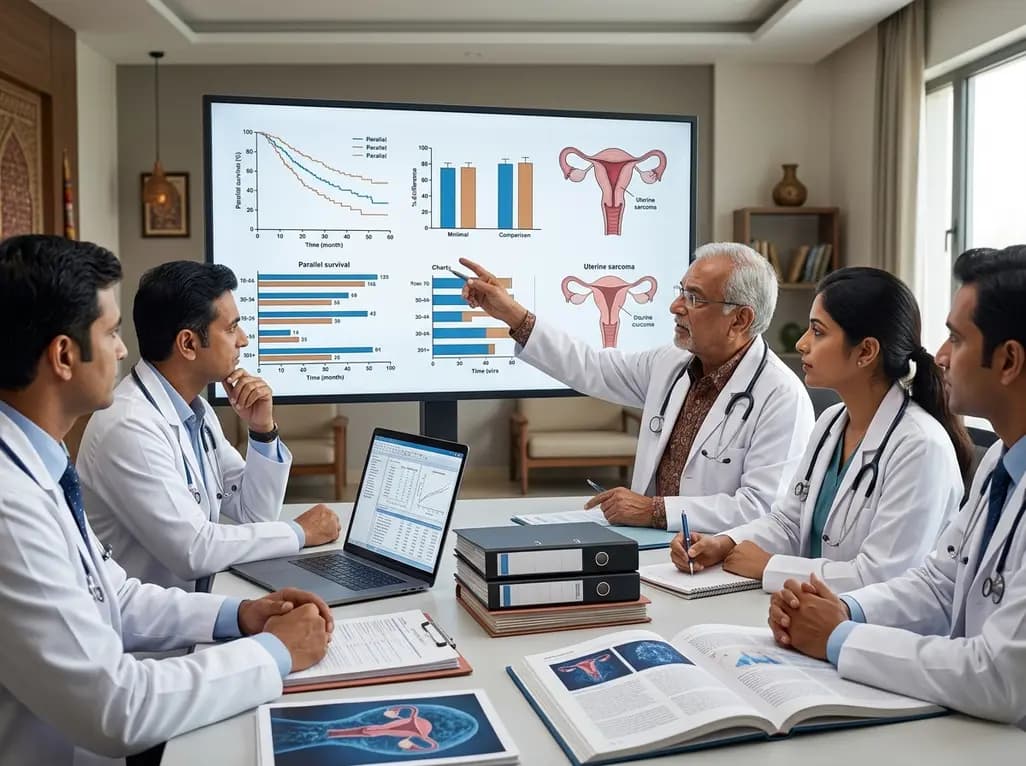
An 11-year Swedish registry study of 618 uterine sarcoma patients found that minimally invasive surgery yielded survival comparable to open surgery in early stages. However, adjuvant chemotherapy conferred no survival benefit in localized or advanced disease, highlighting stage and histology as key outcomes.
3 days back
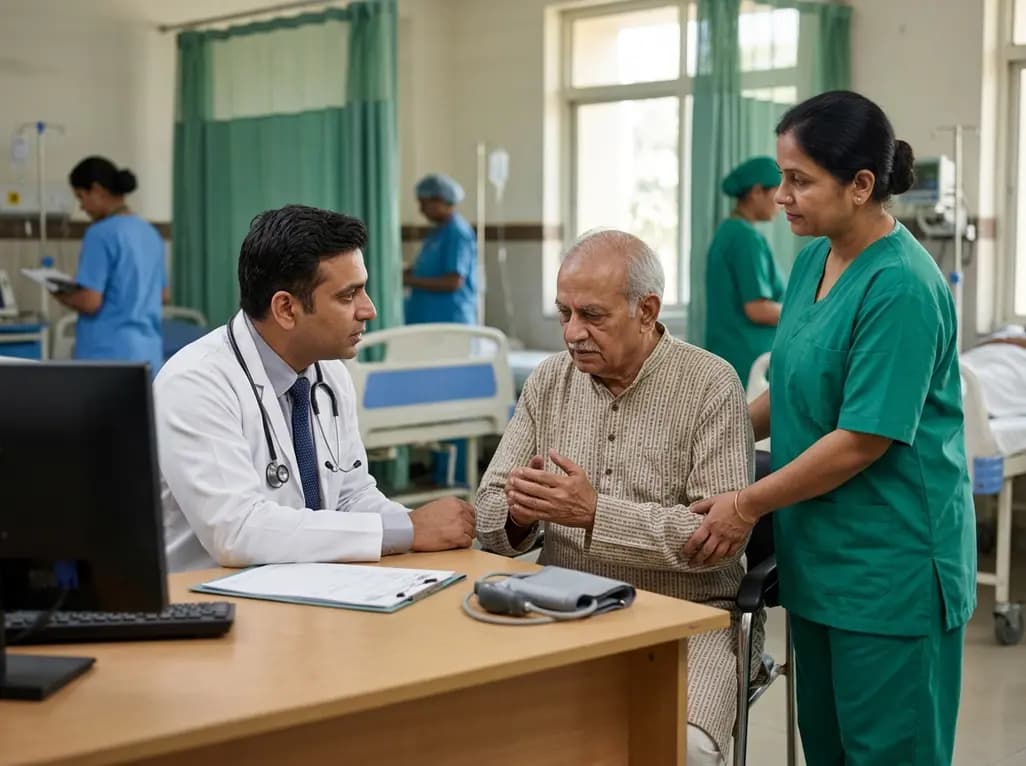
A cross-sectional study evaluates post-intensive care syndrome in cardiac patients 2-4 weeks post-ICU discharge, highlighting cognitive, psychological, and functional impairments and the need for structured multidisciplinary rehabilitation.
3 days back
Anterior cruciate ligament reconstruction failure lacks uniform definition. A narrative review proposes an integrative framework incorporating objective and subjective instability, persistent pain, restricted motion, graft rupture, and secondary meniscal injury to standardize clinical reporting.
3 days back
With World Obesity Atlas data warning that over 41 million Indian children are overweight or obese, ICMR and NIN have unveiled a 10-point policy roadmap. The initiative calls for mandatory front-of-pack labeling, HFSS taxes, strict marketing bans, and healthier school environments to curb non-communicable diseases.
Today
