

Loading, please wait...
Loading, please wait...
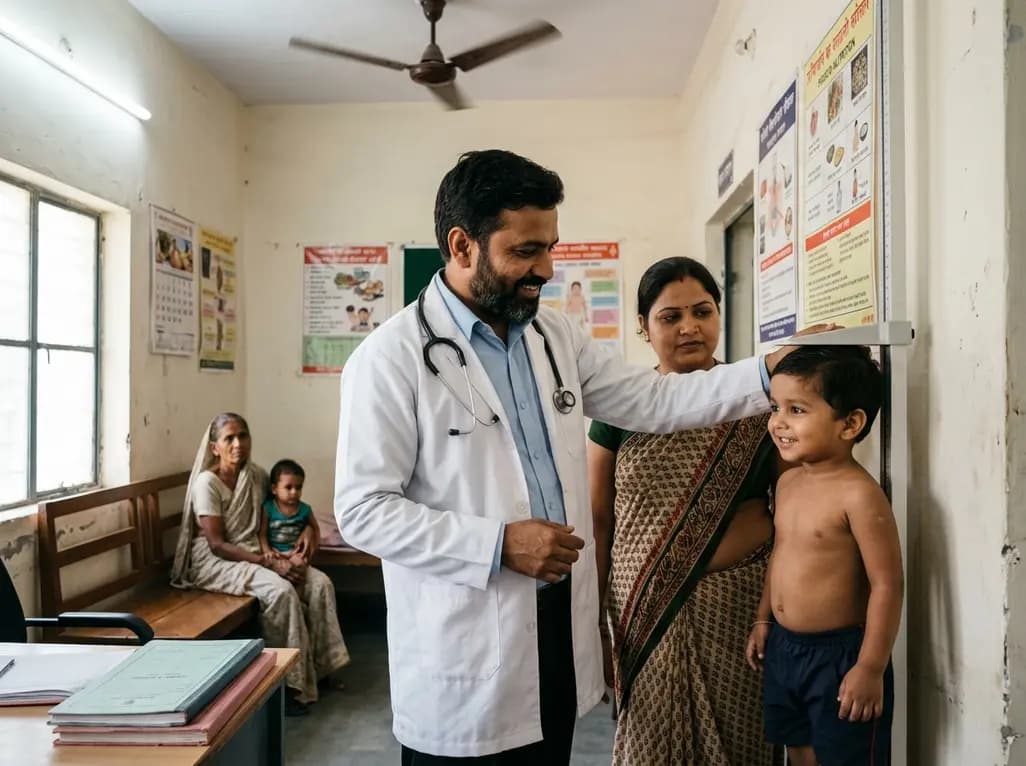
The recently released National Family Health Survey highlights key developments in India's public health ecosystem. According to an analysis by SBI Research, the latest NFHS-6 survey findings present a mixed but highly encouraging picture of progress in maternal and child health, alongside critical areas that demand sustained intervention. Reduced survey intervals now enable a clearer, more dynamic tracking of vital developmental indicators.
Specifically, the survey demonstrates remarkable progress in reducing childhood stunting among children under five years. The percentage of stunted children fell to 29.3% in 2023–24 from 35.5% in 2019–21. Furthermore, child immunization rates have improved significantly. Currently, 82.6% of children aged 12–23 months have received full vaccination, representing a notable rise from 76.6% in the previous round.
However, progress in addressing underweight and wasting outcomes remains relatively modest. This trend indicates that narrow, isolated interventions alone cannot resolve deep-seated nutrition outcomes. Consequently, experts suggest that India needs a holistic approach. This strategy should integrate public-private-community partnerships to strengthen support systems and improve delivery.
Importantly, women's access to maternal healthcare has shown substantial improvement. Institutional births are now near-universal at 90.6%. In addition, the share of mothers with four or more antenatal care visits has climbed to 65.2%. Financial inclusion has also progressed rapidly, with 89.0% of women now actively utilizing their own bank accounts.
Nevertheless, the survey flags a worrying rise in lifestyle-related health risks. Specifically, obesity among women increased to 30.7% from 24.0% in the previous survey round. On the demographic front, India's total fertility rate has stabilized at a mature 2.0, while contraceptive prevalence has reached 69.1%. Consequently, future public health efforts must balance persistent undernutrition against rising non-communicable disease risks.
Q1: What are the main achievements of the NFHS-6 survey findings regarding child health?
The survey highlights a significant reduction in childhood stunting, which dropped from 35.5% to 29.3% in children under five. Additionally, full vaccination coverage for children aged 12–23 months increased to 82.6%.
Q2: What are the key maternal health trends observed in the report?
Institutional births have reached a near-universal level of 90.6%. Moreover, the proportion of mothers receiving four or more antenatal care visits has increased to 65.2%, reflecting better healthcare access.
Q3: What public health challenges does the NFHS-6 highlight for women?
Despite progress in maternal care and financial inclusion, the survey flags a significant rise in obesity among women, which rose to 30.7% from 24.0% in the prior round, signaling growing lifestyle-related risks.
Disclaimer: This content is for informational and educational purposes only. It does not constitute medical advice or replace professional judgment. Refer to the latest local and national guidelines for clinical practice.
References

Read summarized clinical updates, watch expert medical content, and earn CME certifications right from your smartphone.
Open your smartphone camera to scan and install.





The latest National Family Health Survey (NFHS-6) outlines significant advancements in India's public health landscape, showing remarkable progress in reducing childhood stunting and boosting immunizations. However, modest gains in wasting and a concerning rise in female obesity highlight persistent challenges.
4 months ago
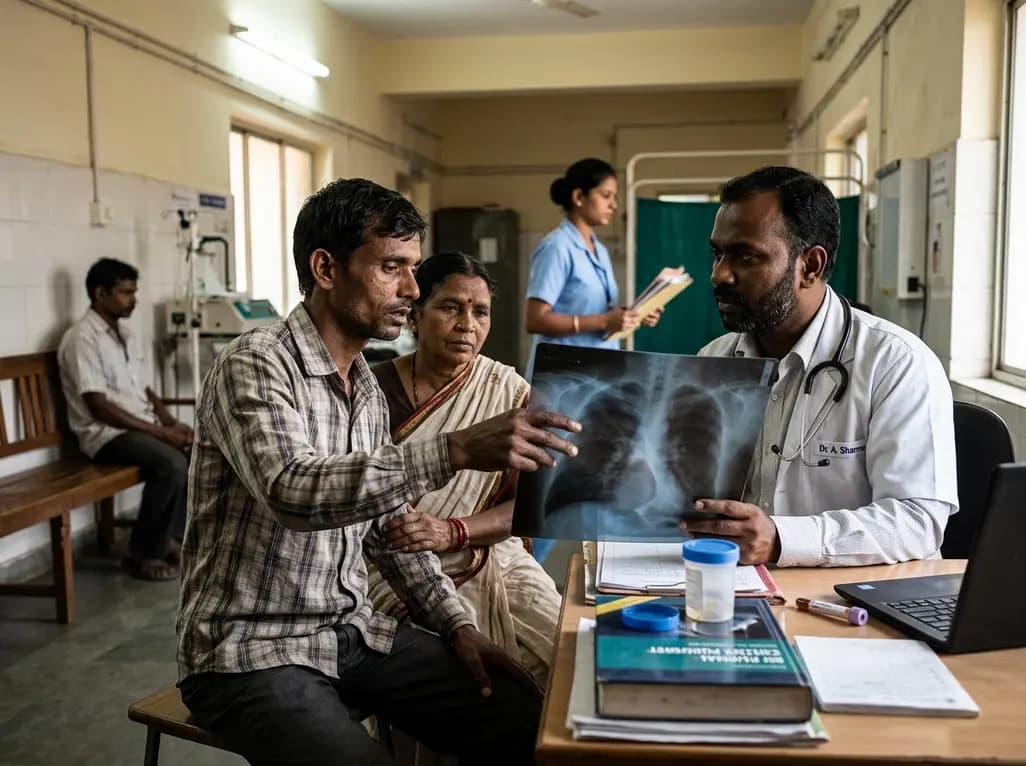
A case-control study reveals that severe poverty and silica dust exposure significantly increase tuberculosis risk among artisanal miners. This analysis reviews pathophysiology, clinical management, and targeted screening protocols relevant to clinicians treating occupational lung disease in high-burden settings.
Today
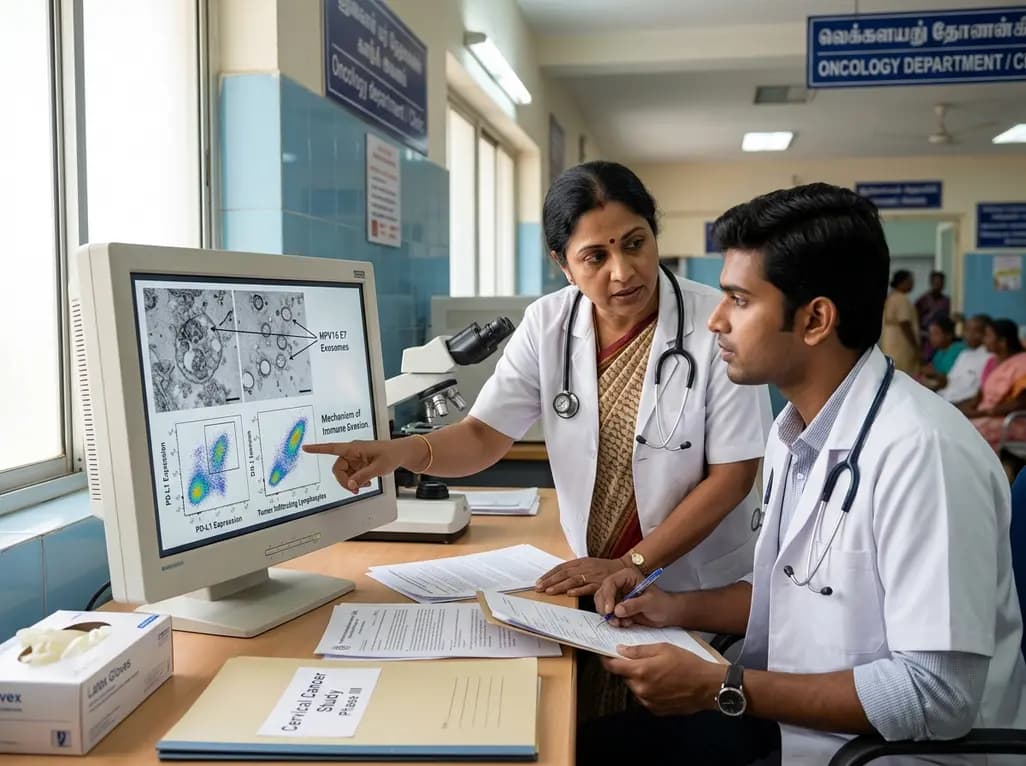
New research reveals that HPV16 E7 exosomes significantly upregulate PD-L1 on tumor-infiltrating lymphocytes in cervical cancer, driving local immune suppression and correlating with poorer patient survival. These findings expose key mechanisms of immune evasion with direct relevance to checkpoint blockade therapies.
Today
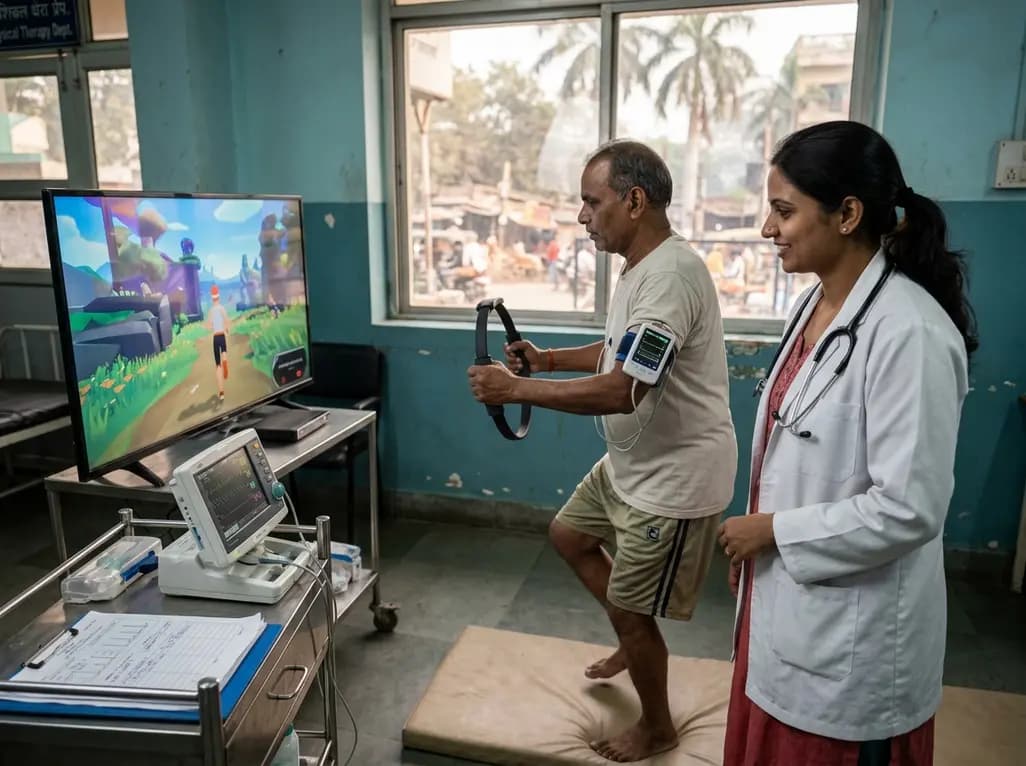
A clinical study evaluated Ring Fit Adventure in adults with chronic conditions, revealing that exergaming achieves moderate-to-vigorous exercise intensity while maintaining hemodynamic stability, high enjoyment, and zero adverse events.
Today

A retrospective cohort study reveals that selecting the touched vertebra as the lowest instrumented vertebra in thoracic adolescent idiopathic scoliosis yields a 20.8% distal add-on rate, driven by remnant motion segments and axial rotational discrepancies.
Today
A study evaluates a cardiometabolic HFpEF model combining metabolic stress with chronic mineralocorticoid excess. The findings reveal profound diastolic stiffness, endothelial dysfunction, and pulmonary hypertension, illuminating key pathophysiological mechanisms for targeted cardiopulmonary therapies.
Today
