

Loading, please wait...
Loading, please wait...

Tuberculosis continues to inflict severe global morbidity, especially across vulnerable informal labor populations. Recent epidemiological data illuminate how structural disparities accelerate tuberculosis among miners working in poorly regulated environments. Consequently, clinical teams must recognize these occupational determinants to improve diagnostic accuracy, patient engagement, and early therapeutic interventions.
A recent case-control investigation in the Mulongo health zone evaluated critical drivers of pulmonary infection among artisanal mining cohorts. The researchers enrolled participants aged fifteen years and older, systematically assessing socioeconomic, behavioral, and biomedical variables. Importantly, interviewers remained blinded to patient infection status, which successfully minimized assessment bias during clinical evaluation. The multivariable statistical analysis demonstrated that severe poverty tripled the likelihood of developing active disease. Furthermore, overcrowded living quarters in informal mining encampments significantly facilitated airborne transmission of Mycobacterium tuberculosis. Because basic housing lacks adequate cross-ventilation, infectious respiratory droplets remain suspended indoors for prolonged periods. Additionally, concurrent human immunodeficiency virus infection markedly increased clinical vulnerability among these workers. The study confirms that tuberculosis in artisanal settings is deeply intertwined with structural neglect rather than individual biology alone. Therefore, treating clinicians must account for socioeconomic barriers when addressing disease transmission in resource-limited mining zones. Tailoring public health interventions to these structural dynamics remains essential for effective regional infection control.
Socioeconomic deprivation functions as an aggressive biological driver of mycobacterial disease. Artisanal miners typically earn precarious daily wages that fail to support adequate caloric intake. Consequently, chronic nutritional deficits compromise cell-mediated immunity and impair mucosal defenses. In addition, financial precarity forces miners to prioritize immediate daily survival over early medical consultations. Workers frequently endure chronic cough, persistent hemoptysis, and profound fatigue for months before seeking diagnostic evaluation. As a result, individuals present with extensive cavitary lung destruction and severe parenchymal distortion. Moreover, symptomatic laborers continue working underground in crowded shafts because they lack sick leave and alternative livelihood sources. This continuous occupational presence inevitably exposes dozens of coworkers to dense bacterial aerosols. Stigma regarding chronic respiratory symptoms further discourages timely clinic visits among marginalized laborers. Thus, poverty operates as both an immunological disruptor and an amplifier of community contagion. Clinicians must understand that medical therapeutics alone cannot overcome untreated social vulnerability without structural support mechanisms.
Extensive exposure to respirable crystalline silica fundamentally cripples the pulmonary immune response. During excavation and dry crushing, miners inhale massive amounts of microscopic dust without protective equipment. These mineral particles penetrate deep into the terminal bronchioles and alveoli. Subsequently, alveolar macrophages engulf the crystalline silica particles through active phagocytosis. However, the ingested mineral crystals promptly destabilize and rupture internal phagolysosomes, triggering macrophage death. This widespread cellular lysis releases inflammatory mediators that initiate progressive tissue fibrosis. Simultaneously, the profound depletion of viable macrophages disables the lungs' primary defense against Mycobacterium tuberculosis. Even miners without overt radiologic silicosis experience a persistent, lifetime susceptibility to progressive disease. Furthermore, the combination of mechanical lung injury, localized hypoxia, and chronic inflammation accelerates bacterial replication. Therefore, clinicians must regard occupational dust inhalation as a permanent, systemic immune defect. Routine occupational exposure assessments must become mandatory during initial respiratory workups.
These global findings hold profound relevance for healthcare professionals practicing across India. Millions of Indian laborers work in unorganized quarries, sandstone mines, and stone-crushing units. Similar to African artisanal workers, Indian miners face hazardous dust exposures, extreme poverty, and cramped dwellings. Consequently, pulmonologists in states like Rajasthan, Madhya Pradesh, and Jharkhand regularly diagnose silicotuberculosis. Unfortunately, practitioners frequently misclassify occupational silicotuberculosis as simple tuberculosis or isolated pneumoconiosis. Because silicotic nodules obscure typical radiographic presentations, clinicians often experience significant diagnostic uncertainty. Moreover, underlying parenchymal scarring can complicate the clinical assessment of treatment efficacy. Sputum conversion may occur, yet debilitating respiratory symptoms often persist due to irreversible fibrosis. In addition, high rates of tobacco smoking among quarry workers further aggravate chronic airflow limitation and structural lung damage. Indian physicians must routinely obtain meticulous occupational histories for all patients presenting with unexplained cough. Recognizing occupational risks early allows timely, life-saving clinical interventions.
Clinicians must implement proactive screening protocols to identify occupational mycobacterial disease before irreversible lung destruction occurs. Passive facility-based screening inevitably fails because migrant miners face immense logistical barriers to care. Instead, healthcare organizations should deploy community-based mobile vans equipped with digital radiography and rapid molecular testing. Molecular assays such as TrueNat and GeneXpert reliably detect Mycobacterium tuberculosis while simultaneously identifying rifampicin resistance. Furthermore, treating physicians must screen all confirmed cases for comorbid conditions, including diabetes mellitus and human immunodeficiency virus. Sputum induction or bronchoscopy may become necessary when dense fibrotic changes prevent spontaneous expectoration. In addition, clinicians must coordinate with public welfare programs to deliver nutritional support throughout therapy. Providing financial assistance through initiatives like India's Ni-Kshay Poshan Yojana dramatically improves patient adherence. Ultimately, integrating rapid diagnostics, occupational workplace protections, and direct nutritional aid provides the most effective pathway toward disease eradication. Multi-sectoral collaboration remains essential to achieve enduring clinical success.
Artisanal miners face heightened disease risk due to prolonged respirable silica inhalation, extreme poverty, and congested living conditions. Mineral dust systematically destroys alveolar macrophages, crippling local pulmonary immunity. Furthermore, poor ventilation in mining pits and informal dwellings accelerates airborne mycobacterial transmission. Additionally, chronic undernutrition and concurrent immunodeficiency undermine systemic resistance, permitting latent infections to reactivate rapidly into progressive pulmonary disease.
Inhaled crystalline silica particles reach the alveoli where resident macrophages ingest them. The cytotoxic mineral crystals cause mechanical lysis of phagolysosomes, triggering macrophage apoptosis and release of inflammatory cytokines. Consequently, the lung loses its primary cellular defense against Mycobacterium tuberculosis. Furthermore, chronic exposure causes persistent fibrotic remodeling and impaired lymphatic clearance, creating a permissive environment that substantially multiplies the lifetime risk of active tuberculosis.
Indian physicians should deploy active screening algorithms using mobile digital chest radiography combined with upfront molecular assays like TrueNat or GeneXpert. Because silicotuberculosis often mimics uncomplicated pneumoconiosis, clinicians must obtain comprehensive occupational exposure histories. Furthermore, healthcare teams should systematically test every diagnosed miner for diabetes mellitus and human immunodeficiency virus, while providing prompt nutritional supplementation to ensure favorable treatment outcomes.
Disclaimer: This content is for informational and educational purposes only... Refer to the latest local and national guidelines for clinical practice.
References

Read summarized clinical updates, watch expert medical content, and earn CME certifications right from your smartphone.
Open your smartphone camera to scan and install.





A case-control study reveals that severe poverty and silica dust exposure significantly increase tuberculosis risk among artisanal miners. This analysis reviews pathophysiology, clinical management, and targeted screening protocols relevant to clinicians treating occupational lung disease in high-burden settings.
Today
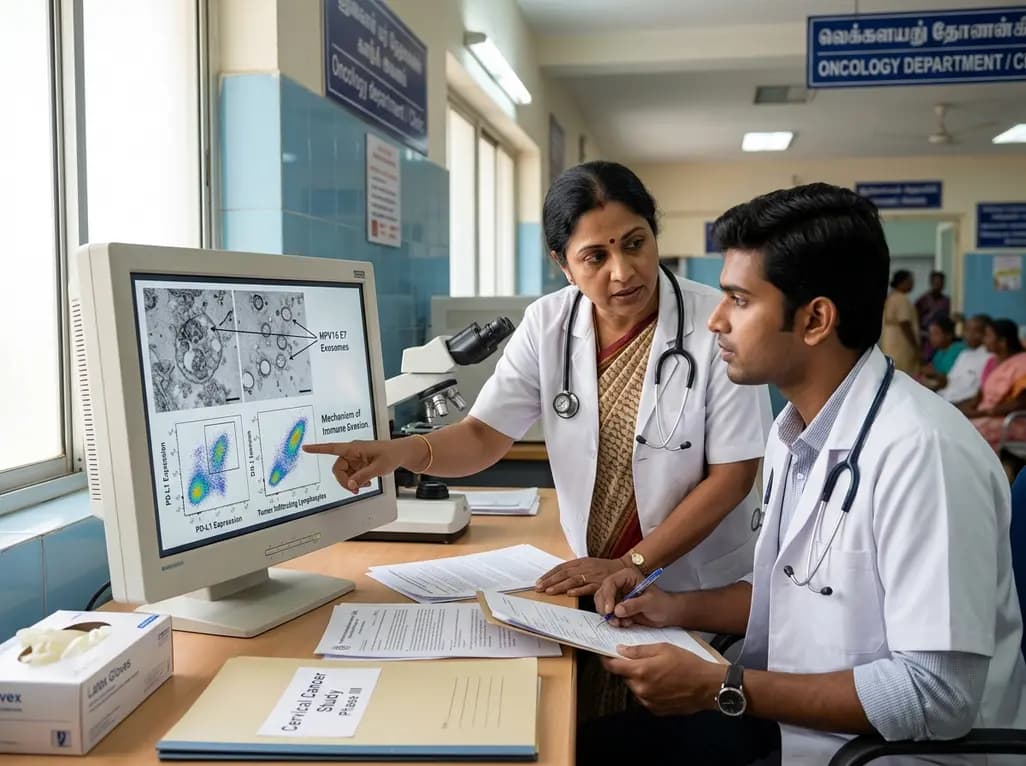
New research reveals that HPV16 E7 exosomes significantly upregulate PD-L1 on tumor-infiltrating lymphocytes in cervical cancer, driving local immune suppression and correlating with poorer patient survival. These findings expose key mechanisms of immune evasion with direct relevance to checkpoint blockade therapies.
Today
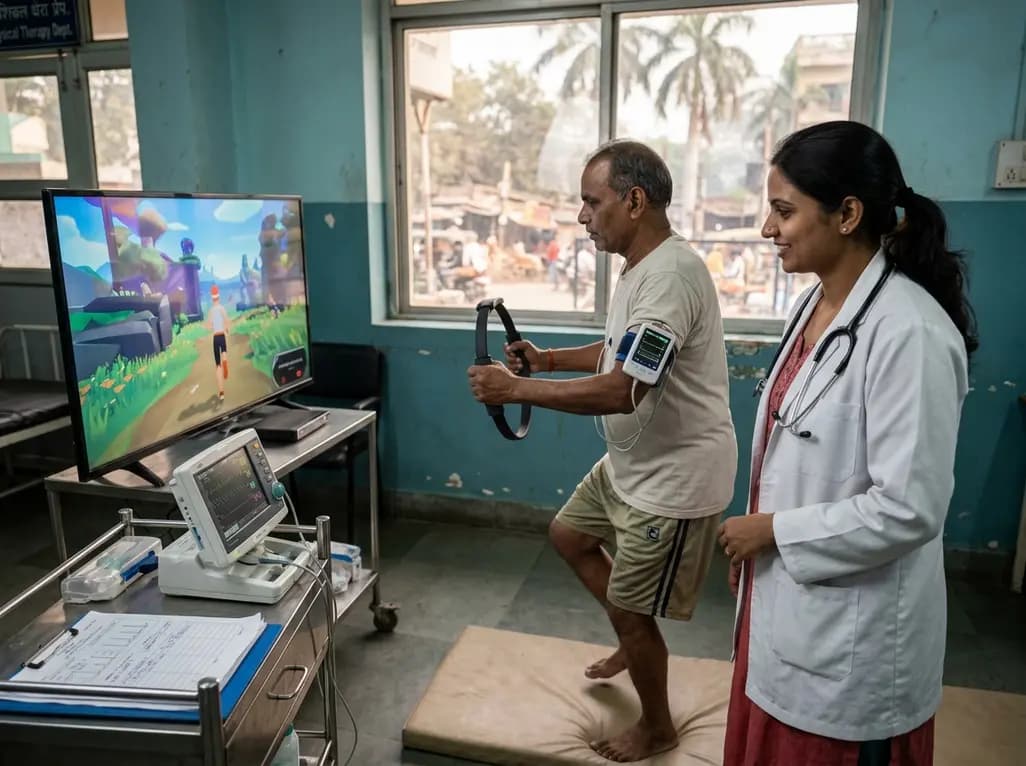
A clinical study evaluated Ring Fit Adventure in adults with chronic conditions, revealing that exergaming achieves moderate-to-vigorous exercise intensity while maintaining hemodynamic stability, high enjoyment, and zero adverse events.
Today
A retrospective cohort study reveals that selecting the touched vertebra as the lowest instrumented vertebra in thoracic adolescent idiopathic scoliosis yields a 20.8% distal add-on rate, driven by remnant motion segments and axial rotational discrepancies.
Today
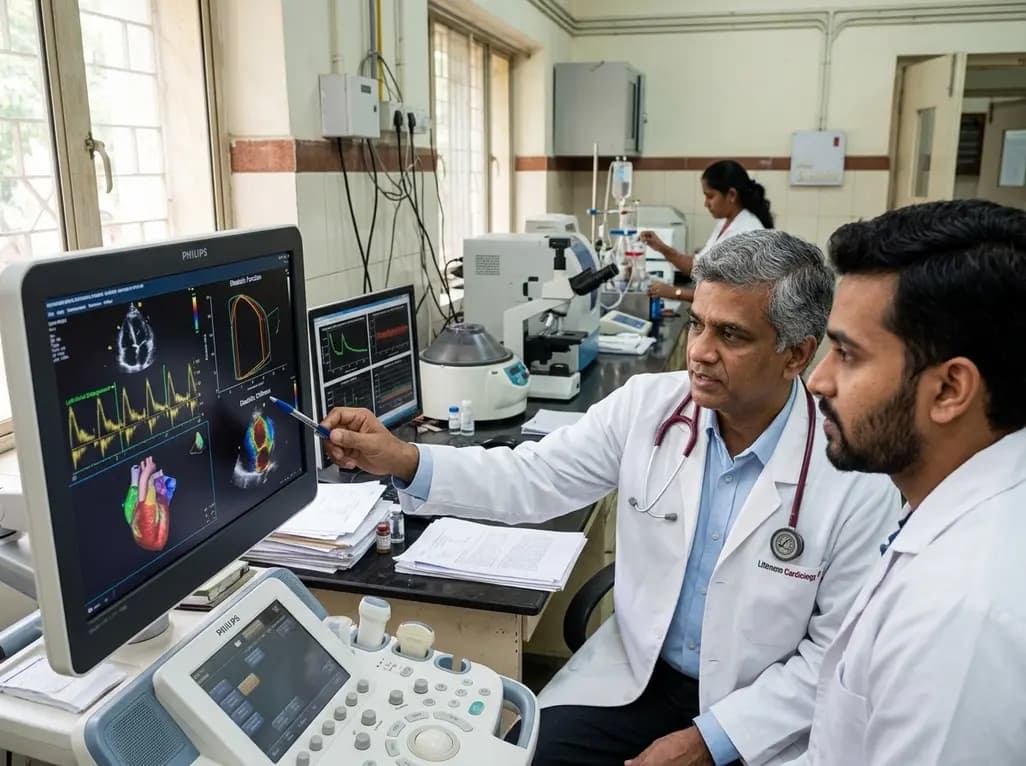
A study evaluates a cardiometabolic HFpEF model combining metabolic stress with chronic mineralocorticoid excess. The findings reveal profound diastolic stiffness, endothelial dysfunction, and pulmonary hypertension, illuminating key pathophysiological mechanisms for targeted cardiopulmonary therapies.
Today
