.webp&w=384&q=75)

Loading, please wait...
Loading, please wait...
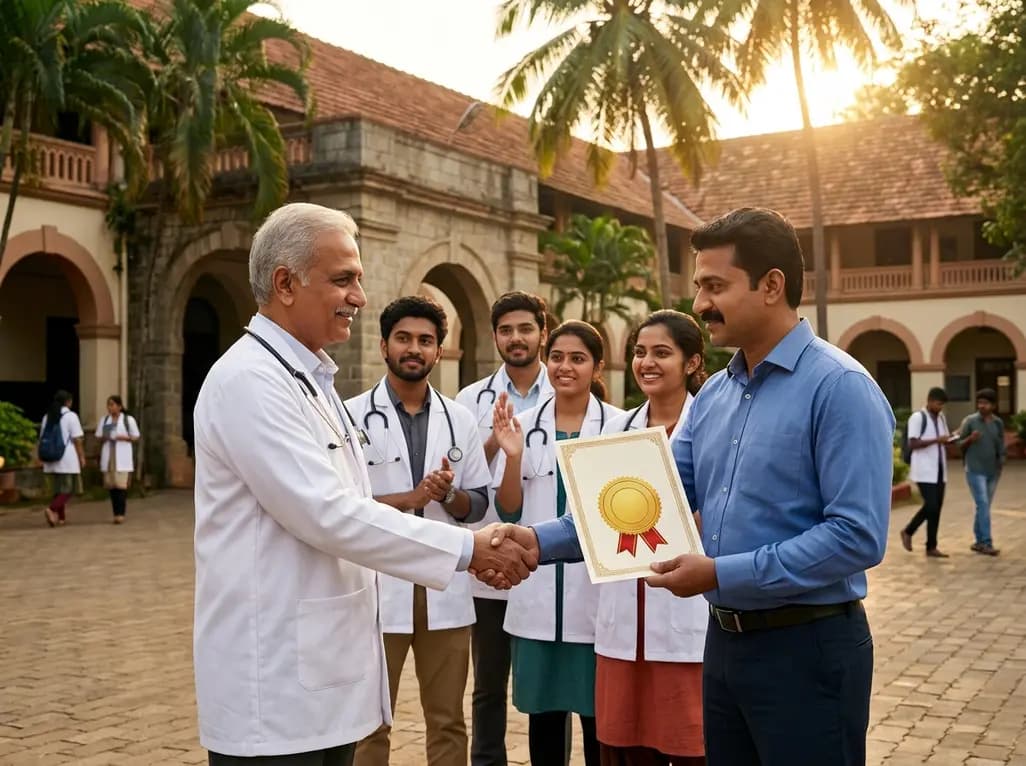
In a major milestone for state healthcare, the Union Ministry of Health and Family Welfare granted in-principle approval for 100 MBBS seats Kerala at K Karunakaran Memorial Government Medical College. This decision follows high-level bilateral discussions held in New Delhi between Union Health Minister J P Nadda and a Kerala state delegation. The delegation was led by State Health Minister K Muraleedharan. Consequently, the approval marks a vital step toward expanding medical training opportunities and strengthening clinical service delivery across the region. Additionally, the Union Ministry reaffirmed central commitments to support broader healthcare initiatives across Kerala.
The operationalization of 100 MBBS seats Kerala represents a long-awaited expansion of undergraduate medical seats in the state capital. K Karunakaran Memorial Government Medical College stands as the second government medical institution established in Thiruvananthapuram. Furthermore, the modern facility integrates regional hospital resources to build a robust educational ecosystem. Local administrative teams originally developed the campus infrastructure nearly ten years ago. However, technical administrative roadblocks previously delayed student admissions for nearly a decade.
The new approval allows the institution to start admitting medical students from the upcoming academic session. Moreover, this development directly expands student opportunities for medical training within public institutions. State authorities expect this expansion to alleviate pressure on existing medical colleges while producing skilled clinical personnel. Consequently, local clinical faculties are actively finalizing academic schedules, laboratory facilities, and clinical rotation pathways.
Additionally, expanding undergraduate seats enhances patient care capacity within the attached teaching hospital network. Resident medical officers and clinical trainees will support tertiary care services, directly benefitting rural and urban patient populations. Therefore, this strategic approval effectively aligns medical education growth with broader public health objectives in Kerala.
During the official bilateral meeting, Union Health Minister J P Nadda addressed the prolonged delay in utilizing the college facility. Specifically, he characterized the decade-long stall in launching MBBS admissions despite fully completed infrastructure as severe negligence. He highlighted that nearly 1,100 prospective doctors missed educational opportunities during this period. Therefore, accelerating full operational status for the campus remains an urgent national and state priority.
Furthermore, state officials detailed ongoing efforts to operationalize all clinical departments and diagnostic wings. The state government is currently mobilizing administrative resources to ensure full compliance with National Medical Commission standards. Consequently, faculty recruitment and equipment procurement are proceeding on an expedited timeline. In addition, hospital leadership is restructuring outpatient and inpatient workflows to accommodate increased clinical demand.
Additionally, resolving past administrative hurdles sets a crucial precedent for infrastructure utilization in government healthcare projects. By turning dormant hospital infrastructure into an active academic hub, health authorities maximize public capital investments. Ultimately, these structural improvements will expand affordable healthcare access while strengthening state medical education.
In addition to undergraduate medical expansion, Union Health Ministry leadership reaffirmed its commitment to establish an All India Institute of Medical Sciences in Kerala. The state government has repeatedly requested a premier central institute to enhance specialized tertiary care. Therefore, central confirmation brings renewed momentum to site selection and infrastructural planning. Furthermore, establishing an AIIMS will deliver advanced super-specialty services, high-end medical research, and postgraduate clinical training.
Moreover, Union Minister J P Nadda encouraged state health leaders to submit a comprehensive proposal for establishing India's first genetic institute in Kerala. Consequently, state research teams are formulating strategic plans to create advanced genomic laboratories and clinical genetic facilities. This pioneering institution will focus on hereditary disorders, population genomics, and personalized medicine solutions.
Notably, integrating advanced genetic research into regional public health framework will significantly advance diagnostic capabilities. Clinicians will gain access to specialized genetic counseling, screening, and targeted therapeutic modalities. Furthermore, this initiative positions Kerala as a premier hub for biomedical innovation and clinical research across South Asia.
To further strengthen emergency medical infrastructure, central health authorities promised dedicated assistance for setting up trauma care centres. These specialized units will be established in district hospitals across all districts in Kerala. Consequently, emergency medical response networks will expand, drastically reducing mortality during critical road accidents and medical emergencies. Furthermore, standardized trauma protocols and rapid intervention units will improve survival outcomes statewide.
In addition, central authorities pledged targeted financial and infrastructural support to upgrade three primary state mental health centres. Psychiatric care facilities will undergo comprehensive modernization to improve therapeutic environments and patient outcomes. Furthermore, state mental health programs will integrate community-based rehabilitation, specialized outpatient clinics, and advanced psychiatric training programs.
Moreover, central assistance will support adolescent public health initiatives, specifically funding Human Papillomavirus vaccine administration for young girls. This crucial immunization drive aims to prevent cervical cancer through early preventative intervention. Therefore, combining expanded emergency trauma networks with mental health upgrades and preventative vaccination creates a holistic strategy for public health enhancement.
Financing public health delivery formed a key component of the high-level Delhi discussions. State delegates pointed out that existing allocations under the National Health Mission are currently inadequate for state requirements. Consequently, Union Minister J P Nadda assured the delegation that financial allocations would be enhanced as additional central funds become available. Furthermore, enhanced funding will directly bolster rural healthcare delivery, community health workers, and maternal health programs.
Additionally, the Kerala delegation requested central coordination for procuring specialized pharmaceutical supplies. Specifically, the state requested support for procuring essential medicines for non-communicable diseases and advanced cancer therapeutics. They also highlighted critical supply shortages for specific drugs currently unavailable in standard domestic markets. Therefore, central health officials assured proactive steps to streamline drug supply chains and assist state procurement channels.
Finally, central assistance will be increased for the state virology institute to strengthen epidemiological surveillance. Expanded laboratory capabilities will enhance outbreak detection, pathogen sequencing, and disease control efforts across the state. Ultimately, robust financial backing and central procurement support will ensure sustainable public health management.
Q1: What is the significance of the 100 MBBS seat approval for K Karunakaran Memorial Medical College?
The approval allows Kerala's second government medical college in Thiruvananthapuram to commence undergraduate medical admissions from the upcoming academic year. Infrastructure for this institution was completed nearly a decade ago, but courses were delayed. Opening these seats increases public medical education capacity, trains 100 new medical students annually, and expands tertiary patient care capabilities within the attached teaching hospital network.
Q2: What major specialized institutes are proposed for Kerala following the central meeting?
During the meeting, Union Health Minister J P Nadda reaffirmed the central commitment to establish an All India Institute of Medical Sciences in Kerala. Additionally, the Union Minister requested the state government to submit a detailed formal proposal for establishing India's first dedicated genetic institute. These institutions will advance tertiary clinical care, cutting-edge genomic research, personalized medicine, and specialized postgraduate medical education.
Q3: Which healthcare support measures were approved alongside medical education expansion?
Central health authorities assured financial and technical support for establishing trauma care centres across all district hospitals and upgrading three state mental health centres. Furthermore, central support was promised for HPV vaccination drives targeting young girls, expanded health insurance coverage, enhanced National Health Mission funding allocations, increased support for the state virology institute, and streamlined procurement of essential NCD and oncology medicines.
Disclaimer: This content is for informational and educational purposes only. It does not constitute medical advice or replace professional judgment. Refer to the latest local and national guidelines for clinical practice.
References

Read summarized clinical updates, watch expert medical content, and earn CME certifications right from your smartphone.
Open your smartphone camera to scan and install.





The Union Health Ministry granted in-principle approval for 100 MBBS seats at K Karunakaran Memorial Govt Medical College in Kerala. The decision expands medical education, alongside commitments for AIIMS, India's first genetic institute, trauma care centres, mental health upgrades, and HPV vaccination.
Today
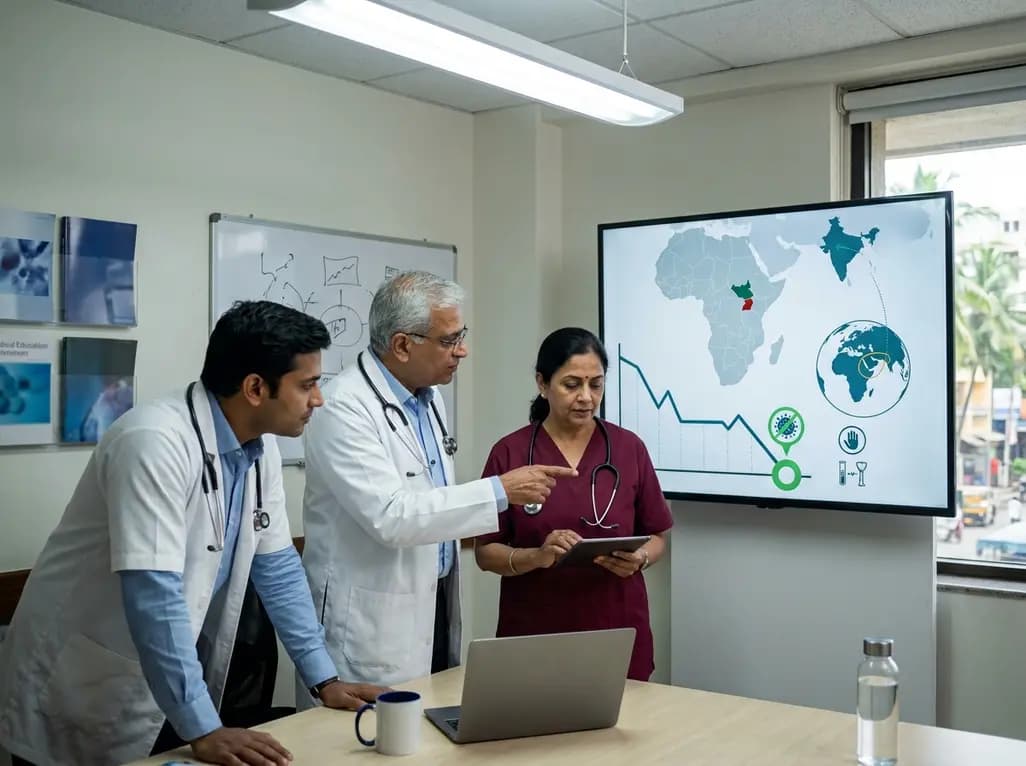
Uganda has officially declared the conclusion of its latest Ebola virus disease outbreak following a mandatory 42-day monitoring period without new confirmed cases. This comprehensive review examines the containment strategies, clinical manifestations, diagnostic protocols, and key epidemiological takeaways.
Today
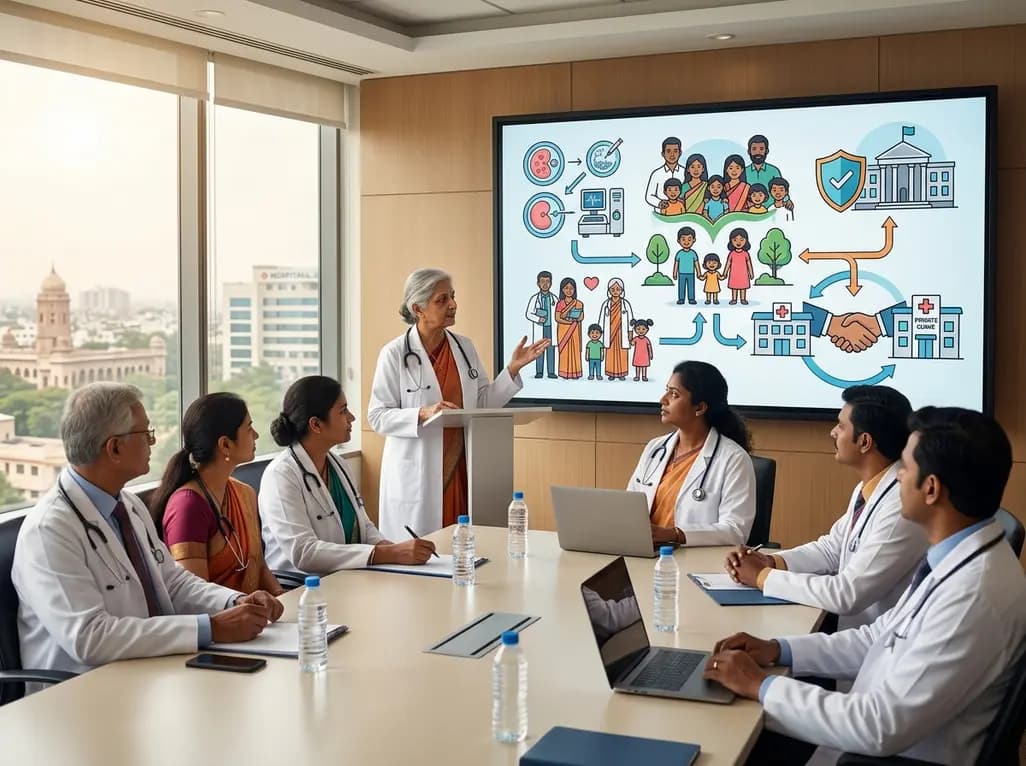
A new white paper launched on World IVF Day advocates for insurance reforms, Ayushman Bharat coverage, workplace fertility benefits, and public-private partnerships to improve fertility care access across India. Experts emphasize addressing declining fertility rates and high out-of-pocket costs for patients.
Today
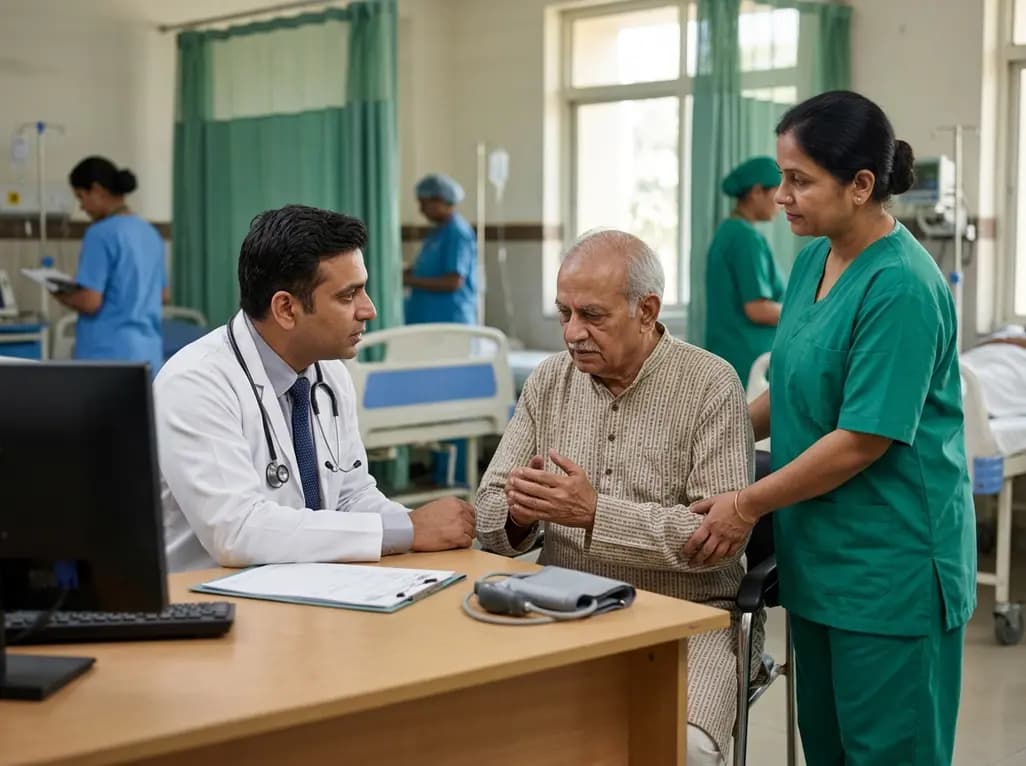
A cross-sectional study evaluates post-intensive care syndrome in cardiac patients 2-4 weeks post-ICU discharge, highlighting cognitive, psychological, and functional impairments and the need for structured multidisciplinary rehabilitation.
5 days back
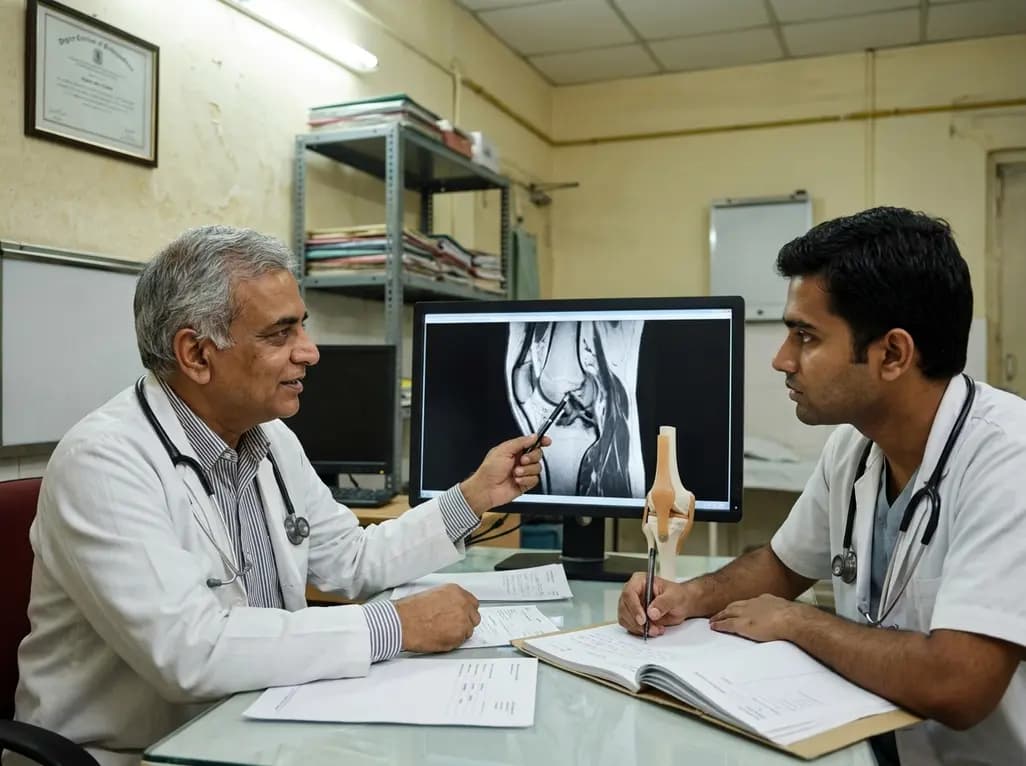
Anterior cruciate ligament reconstruction failure lacks uniform definition. A narrative review proposes an integrative framework incorporating objective and subjective instability, persistent pain, restricted motion, graft rupture, and secondary meniscal injury to standardize clinical reporting.
5 days back
The Delhi High Court has issued a notice to the Centre and FSSAI regarding a plea for an India-specific scientific evaluation of non-sugar sweeteners. The petition highlights concerns over metabolic risks, front-of-pack labeling, and misleading health claims on artificial substitutes.
Today
