Loading, please wait...
Loading, please wait...





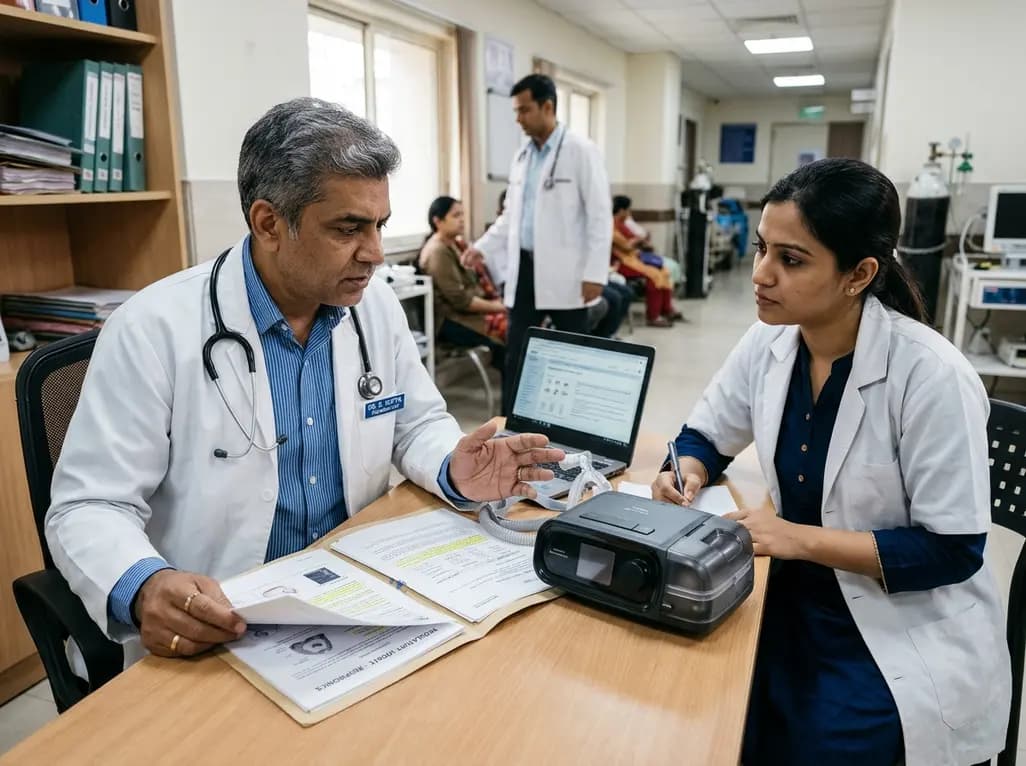



Philips Respironics has reached a preliminary agreement with the US DOJ over respiratory device investigations, setting aside 288 million euros. Learn how this development influences medical device safety protocols, clinical vigilance for sleep apnea patients, and legal oversight for healthcare providers globally.
Hyponatremia remains the most frequent electrolyte disorder in hospitalized patients. This updated review highlights critical shifts in treatment, including the preference for hypertonic saline boluses in severe cases, underlying cause correction in mild cases, and emerging therapeutic approaches for SIAD.
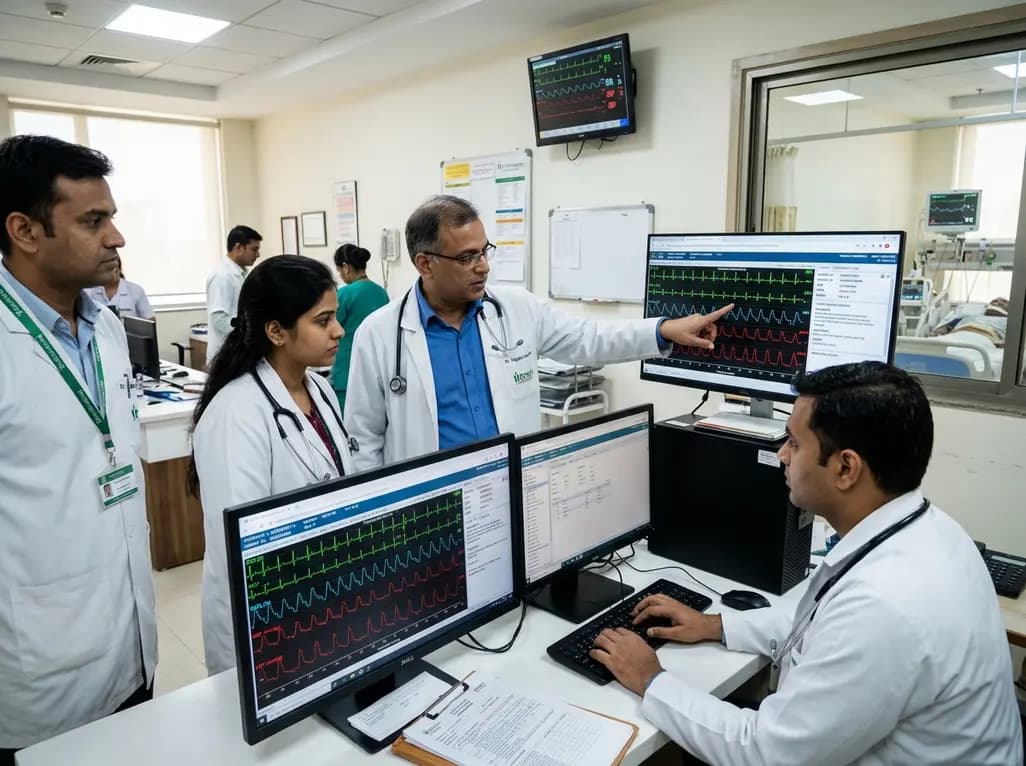
Standardizing continuous physiological waveforms in EHRs has long challenged clinical teams. The novel TIDE framework leverages HL7 FHIR R4 to decouple queryable clinical metadata from massive raw signal repositories, unlocking scalable telemetry exchange for bedside care and predictive research.
A cross-sectional study reveals that self-efficacy significantly mediates the relationship between knowledge and ICU palliative care practice. Enhancing clinical confidence through experiential training and multidisciplinary collaboration is crucial for strengthening critical care end-of-life outcomes.
With seasonal dengue outbreaks surging across South Asia, hospitals face unprecedented numbers of patients presenting in critical shock. Clinicians must recognize early warning signs, understand secondary infection risks, and apply precise fluid resuscitation protocols to prevent fatal decompensation.