

Loading, please wait...
Loading, please wait...






The prospective NISTIPS TRITICC-4 study evaluates whether transjugular intrahepatic portosystemic shunt (TIPS) preserves liver function and reduces bleeding risk in hepatocellular carcinoma patients receiving first-line atezolizumab and bevacizumab across 25 specialized German centers.
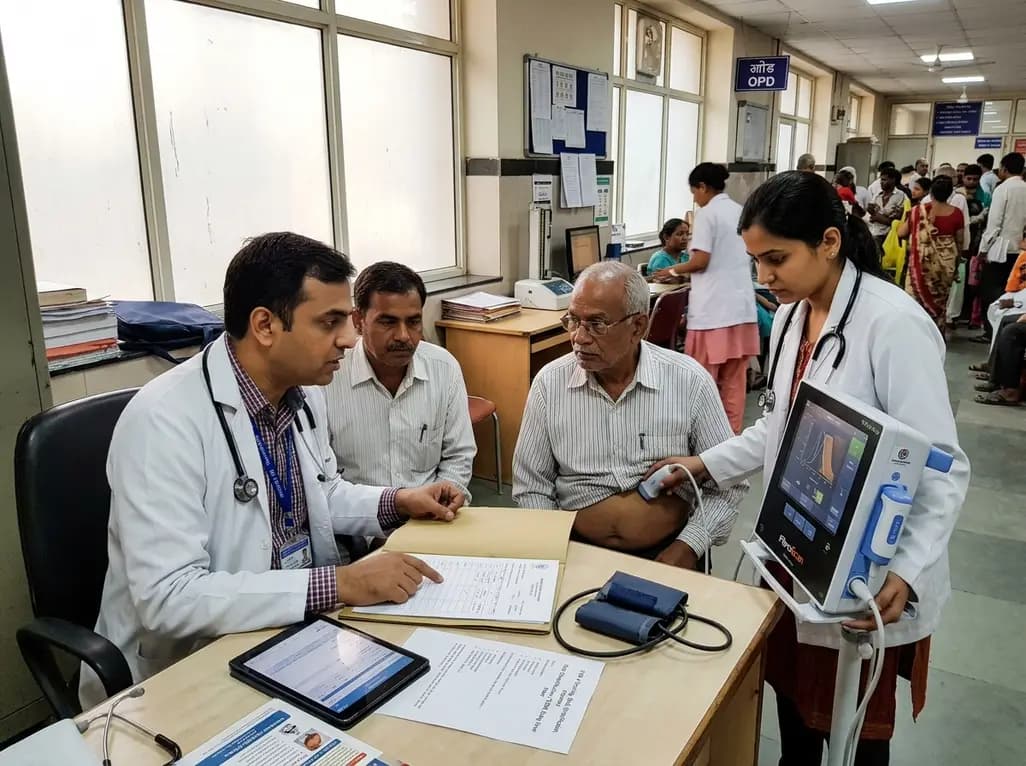
Metabolic dysfunction-associated steatotic liver disease affects nearly 70% of Indian adults with type 2 diabetes. Implementing systematic risk stratification with FIB-4 scoring, transient elastography, and patient-centric digital engagement transforms early detection into sustainable, long-term clinical care.
As millions adopt GLP-1 receptor agonists, patients frequently combine unverified dietary supplements to mitigate gastrointestinal side effects. Clinicians must understand delayed gastric absorption, supplement quality risks, and evidence-based nutrition strategies to protect patient outcomes during medical weight loss.
Novel translational research identifies fibrinogen alpha chain (FGA) as a key regulator of EMT, stemness, and catenin signaling in colorectal cancer, highlighting its value as an independent prognostic marker and non-invasive tool for postoperative surveillance.
Digital image analysis refines p53 immunohistochemistry in gastric cancer by offering reproducible continuous H-scores. A systematic comparison of cutoff derivation strategies highlights the extended Youden index as an objective, reliable thresholding tool for clinical biomarker evaluation.


