.webp&w=384&q=75)

Loading, please wait...
Loading, please wait...
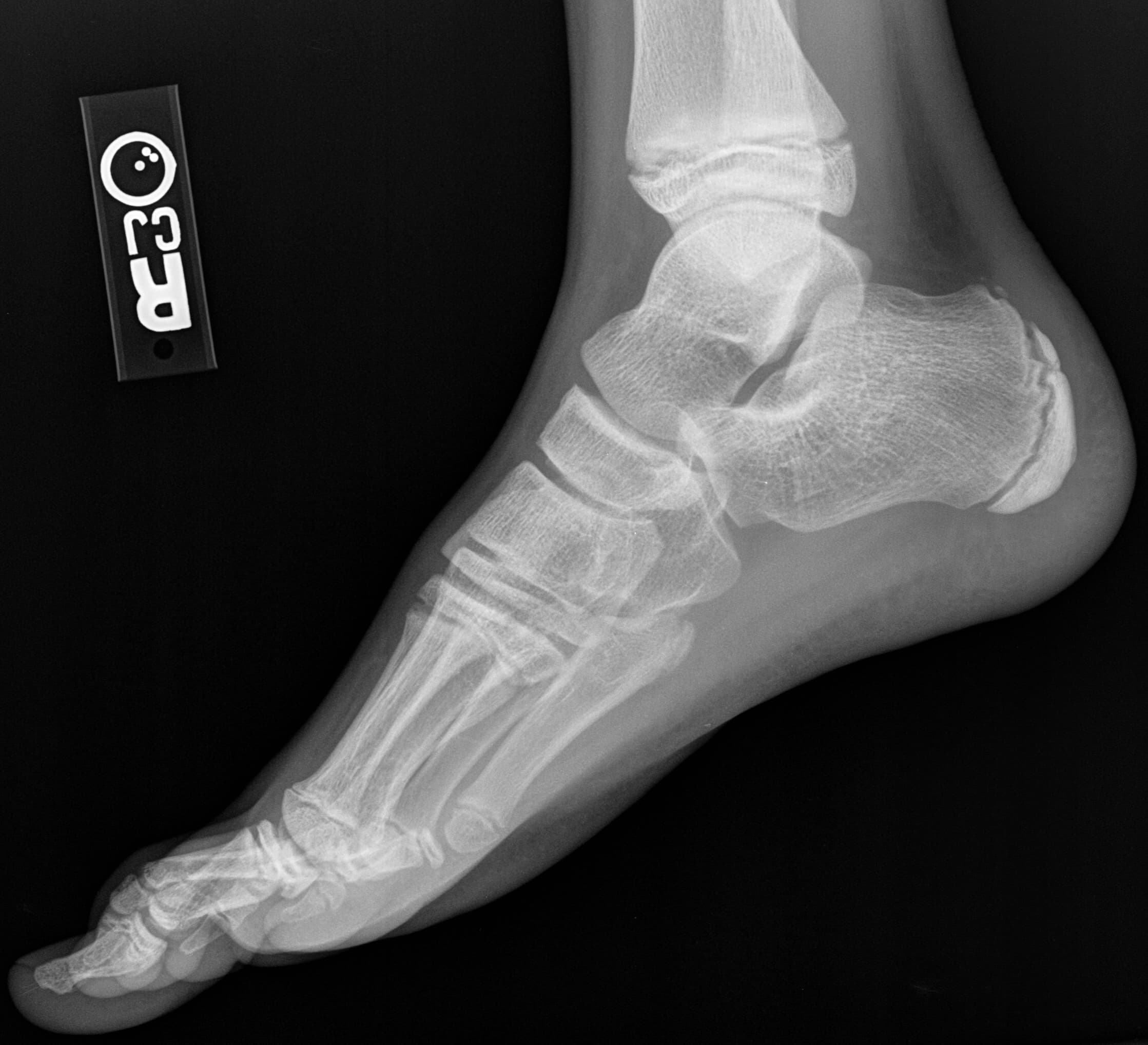
Randomized evidence comparing operative and nonoperative treatment of acute Achilles tendon rupture shows why modern rehabilitation matters as much as the choice of procedure. In this controlled trial, both groups received early mobilisation using a comparable rehabilitation strategy. The study found similar patient-reported outcomes and functional recovery at one year, with the main trade-off being a higher complication burden in the operative group. Earlier assumptions about a large rerupture advantage from surgery were not reproduced when early functional rehabilitation was used. Clinically, this means that a nonoperative pathway can be appropriate for many patients, especially when the treatment team can provide close follow-up and a structured progression of weight-bearing and motion. Surgery remains a reasonable choice for selected athletes, delayed presentations or specific rupture configurations, but the decision should not be based solely on fear of weakness or rerupture. For HCPs, the most important practical intervention may be getting the rehabilitation protocol right: appropriate plantar-flexion positioning, staged loading and avoidance of premature stretching are critical. The study supports shared decision-making that discusses function, complication risk and the patient's capacity to adhere to rehabilitation.

Read summarized clinical updates, watch expert medical content, and earn CME certifications right from your smartphone.
Open your smartphone camera to scan and install.





Randomized evidence comparing operative and nonoperative treatment of acute Achilles tendon rupture shows why modern rehabilitation matters as much as the choice of procedure. In this controlled trial, both groups received early mobilisation using a comparable rehabilitation strategy. The study found similar patient-reported outcomes and functional recovery at one year, with the main trade-off being a higher complication burden in the operative group. Earlier assumptions about a large rerupture advantage from surgery were not reproduced when early functional rehabilitation was used. Clinically, this means that a nonoperative pathway can be appropriate for many patients, especially when the treatment team can provide close follow-up and a structured progression of weight-bearing and motion. Surgery remains a reasonable choice for selected athletes, delayed presentations or specific rupture configurations, but the decision should not be based solely on fear of weakness or rerupture. For HCPs, the most important practical intervention may be getting the rehabilitation protocol right: appropriate plantar-flexion positioning, staged loading and avoidance of premature stretching are critical. The study supports shared decision-making that discusses function, complication risk and the patient's capacity to adhere to rehabilitation.
last month

Preclinical findings demonstrate that ginsenoside Ra1 preserves vascular integrity and attenuates multi-organ injury during sepsis by targeting non-muscle myosin heavy chain IIA (NMMHC IIA) and dampening TLR4/NF-κB/NLRP3 inflammatory signaling.
2 days back

An all-printed immunosensing microchip detects urinary sFlt-1 in just 10 minutes with 3.61 pg/mL sensitivity. By leveraging photonic bandgap engineering, this low-cost, cleanroom-free platform provides non-invasive preeclampsia screening, offering substantial benefits for point-of-care obstetric triage.
3 days back

Wearable ultrasound patches are transforming healthcare by shifting medicine from episodic evaluations to continuous monitoring. Discover how flexible acoustic transducers advance cardiovascular tracking, musculoskeletal imaging, neuromodulation, and on-demand closed-loop theranostics.
3 days back
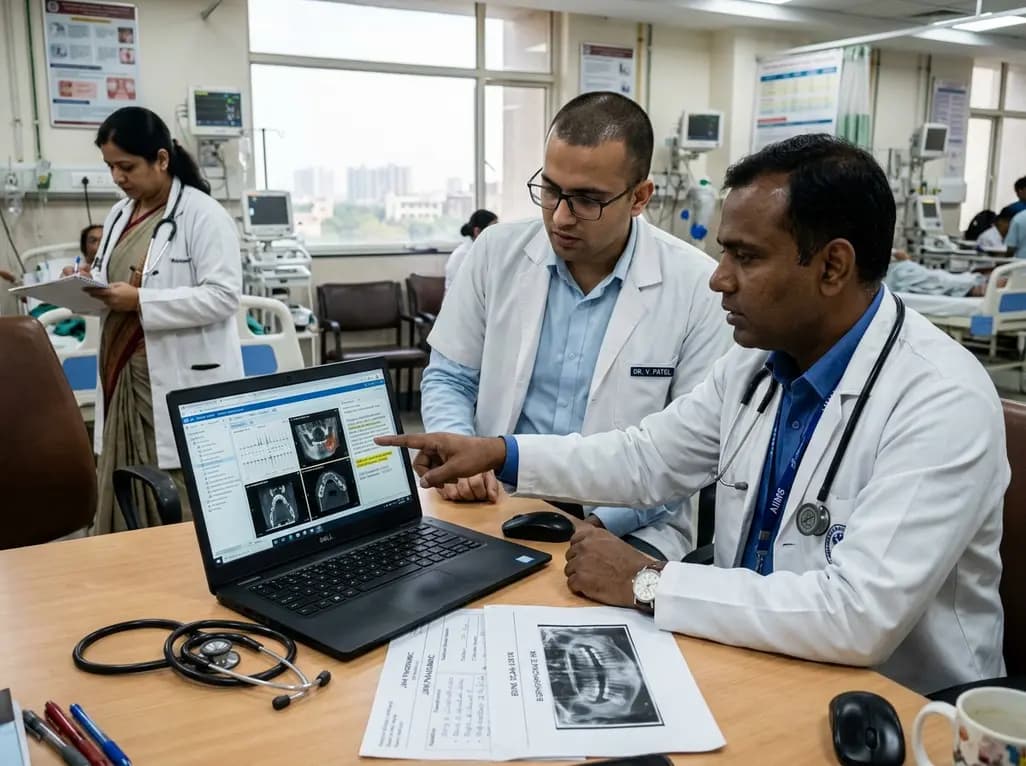
A breakthrough study leverages natural language processing to accurately identify incident medication-related osteonecrosis of the jaw and track antiresorptive drug holidays from clinical narratives in electronic health records, advancing osteoporosis pharmacovigilance and dental safety.
Last week

Recent research defines ferro-aging as a conserved iron-lipid axis driving organ decline across primates. Age-related iron dyshomeostasis stimulates ACSL4-mediated lipid peroxidation, promoting cellular senescence. Notably, vitamin C directly inhibits ACSL4, suppressing phospholipid oxidation and multi-organ decay.
Last week
