

Loading, please wait...
Loading, please wait...
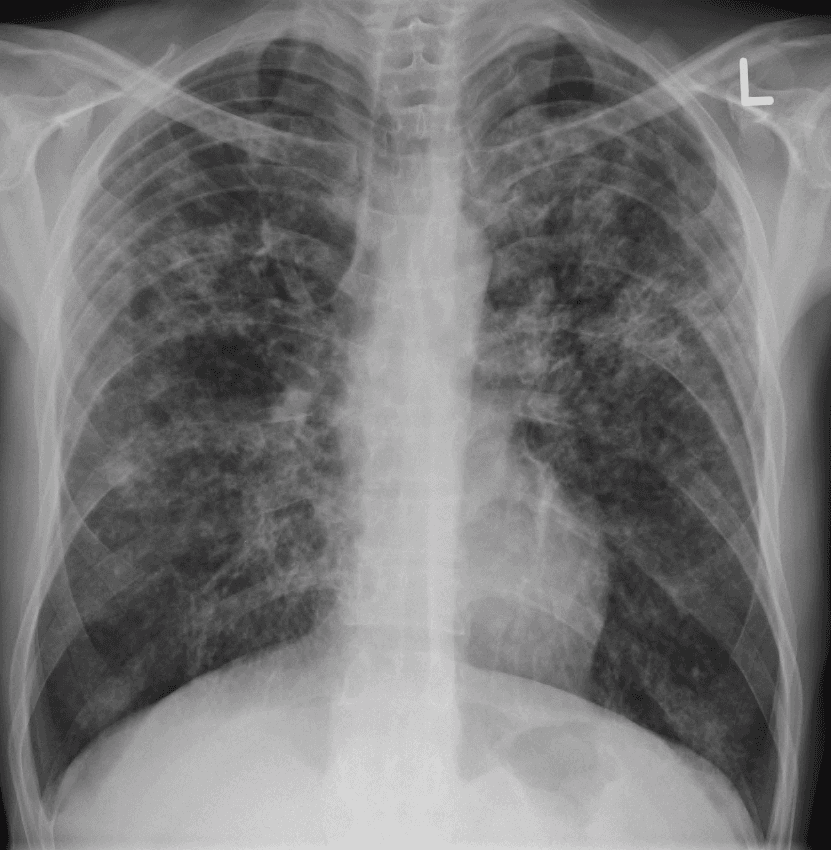
The Nix-TB study evaluated an all-oral combination of bedaquiline, pretomanid, and linezolid in adults with extensively drug-resistant tuberculosis or treatment-intolerant or nonresponsive multidrug-resistant disease. The study reported a high proportion of participants achieving a favorable treatment outcome with a regimen that was substantially shorter than traditional courses. The findings helped establish a new treatment paradigm for difficult-to-treat drug-resistant TB, centered on potent all-oral therapy rather than prolonged injectable-based regimens. At the same time, toxicity—particularly effects associated with linezolid—was an important part of the treatment equation. For HCPs, the major lesson is that effective drug-resistant TB therapy increasingly depends on both regimen efficacy and proactive adverse-event management. Patients require structured monitoring, adherence support, and rapid action when neuropathy, myelosuppression, or other toxicities appear. The paper directly supports the conference emphasis on managing drug-resistant TB and on moving beyond regimen selection alone toward patient-centered, programmatically workable care.

Read summarized clinical updates, watch expert medical content, and earn CME certifications right from your smartphone.
Open your smartphone camera to scan and install.





The Nix-TB study evaluated an all-oral combination of bedaquiline, pretomanid, and linezolid in adults with extensively drug-resistant tuberculosis or treatment-intolerant or nonresponsive multidrug-resistant disease. The study reported a high proportion of participants achieving a favorable treatment outcome with a regimen that was substantially shorter than traditional courses. The findings helped establish a new treatment paradigm for difficult-to-treat drug-resistant TB, centered on potent all-oral therapy rather than prolonged injectable-based regimens. At the same time, toxicity—particularly effects associated with linezolid—was an important part of the treatment equation. For HCPs, the major lesson is that effective drug-resistant TB therapy increasingly depends on both regimen efficacy and proactive adverse-event management. Patients require structured monitoring, adherence support, and rapid action when neuropathy, myelosuppression, or other toxicities appear. The paper directly supports the conference emphasis on managing drug-resistant TB and on moving beyond regimen selection alone toward patient-centered, programmatically workable care.
4 weeks back
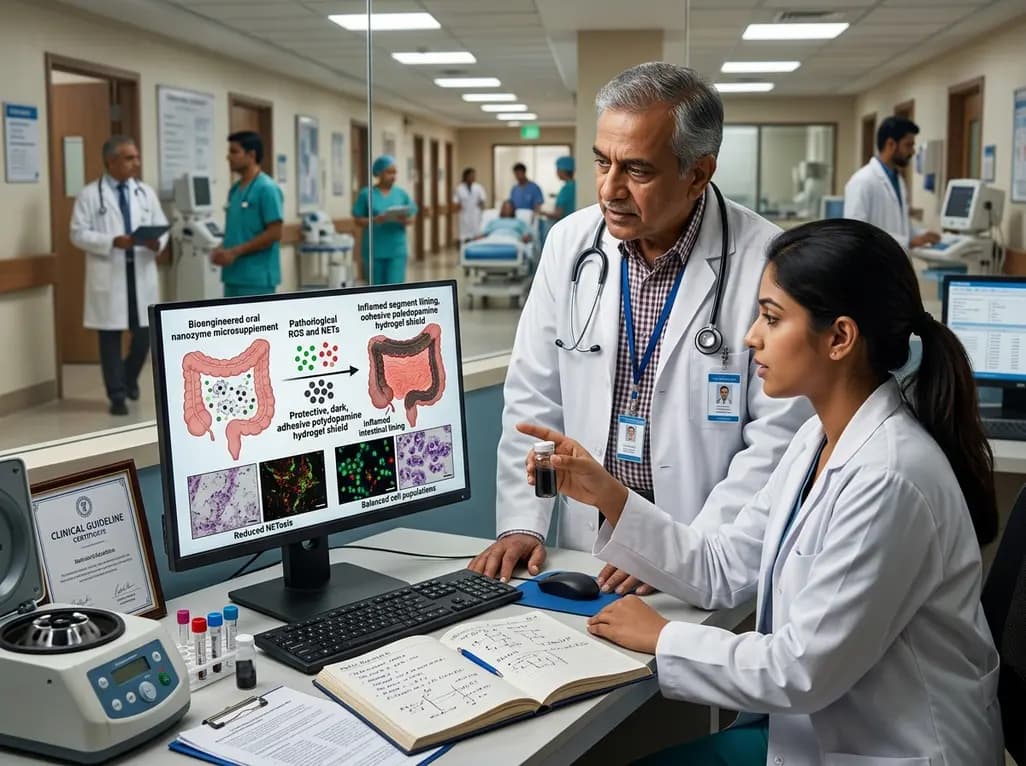
A bioengineered oral nanozyme microsupplement converts pathological ROS into a protective polydopamine hydrogel shield. By curbing neutrophil extracellular traps and balancing T cells, this platform outperforms standard 5-ASA in preclinical colitis models, opening new paths for sustained remission.
5 days back
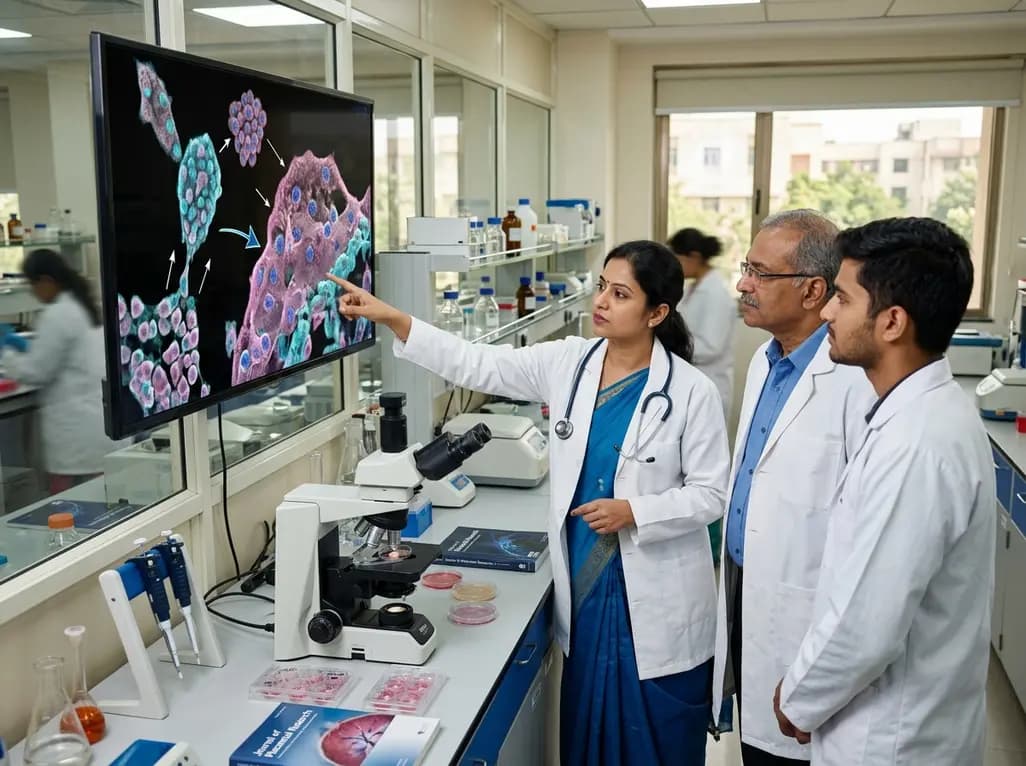
Recent research reveals that downregulating YAP1/TAZ-TEAD via Hippo signaling triggers spontaneous human trophoblast syncytialization in 3D cultures, illuminating placental biology and preeclampsia.
4 weeks back
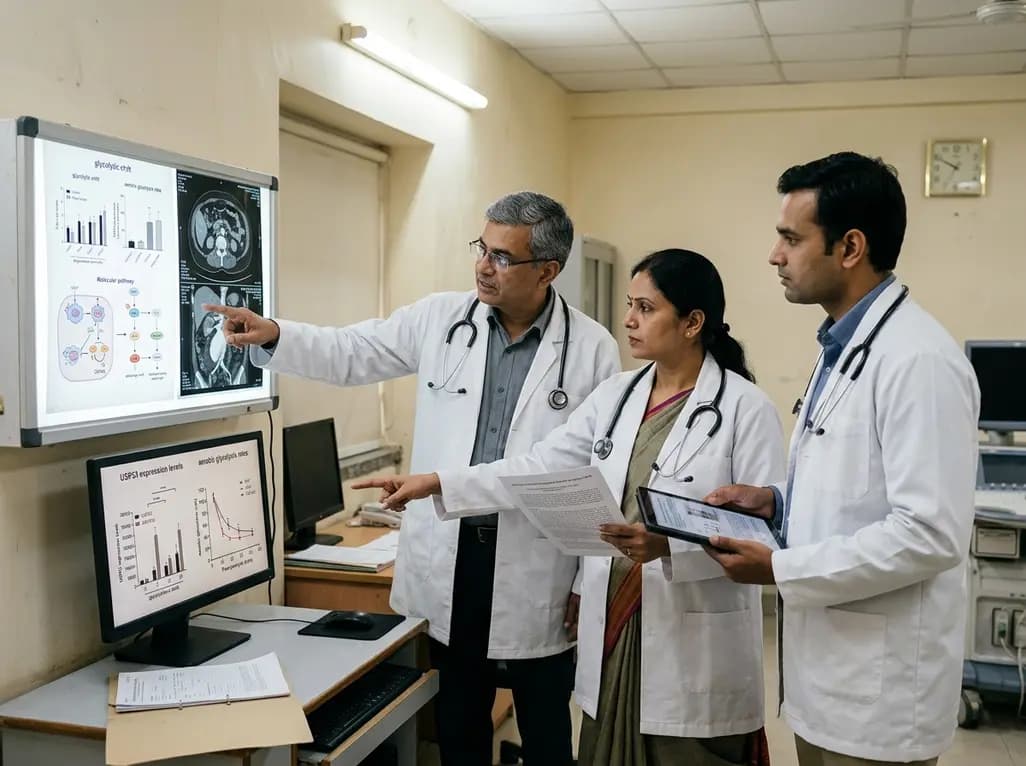
Abdominal aortic aneurysm rupture remains a catastrophic vascular emergency. Groundbreaking research reveals that USP53 accelerates aneurysm progression by reprogramming smooth muscle cell metabolism toward aerobic glycolysis, highlighting a promising target beyond conventional diameter-based surveillance.
6 days back
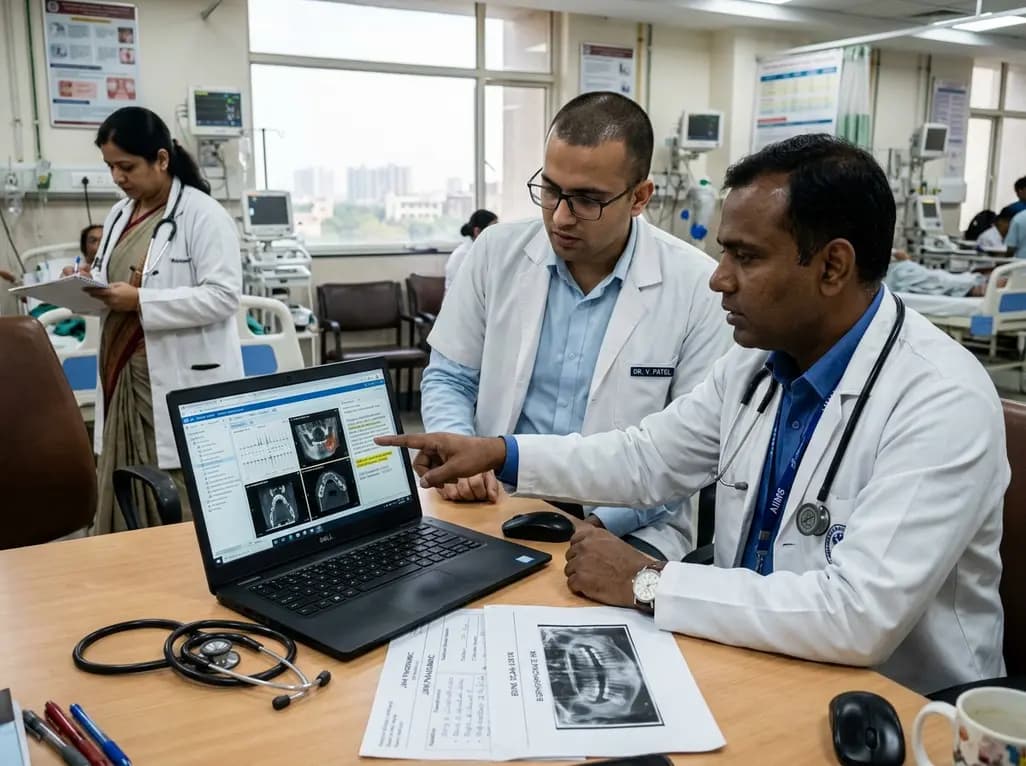
A breakthrough study leverages natural language processing to accurately identify incident medication-related osteonecrosis of the jaw and track antiresorptive drug holidays from clinical narratives in electronic health records, advancing osteoporosis pharmacovigilance and dental safety.
6 days back
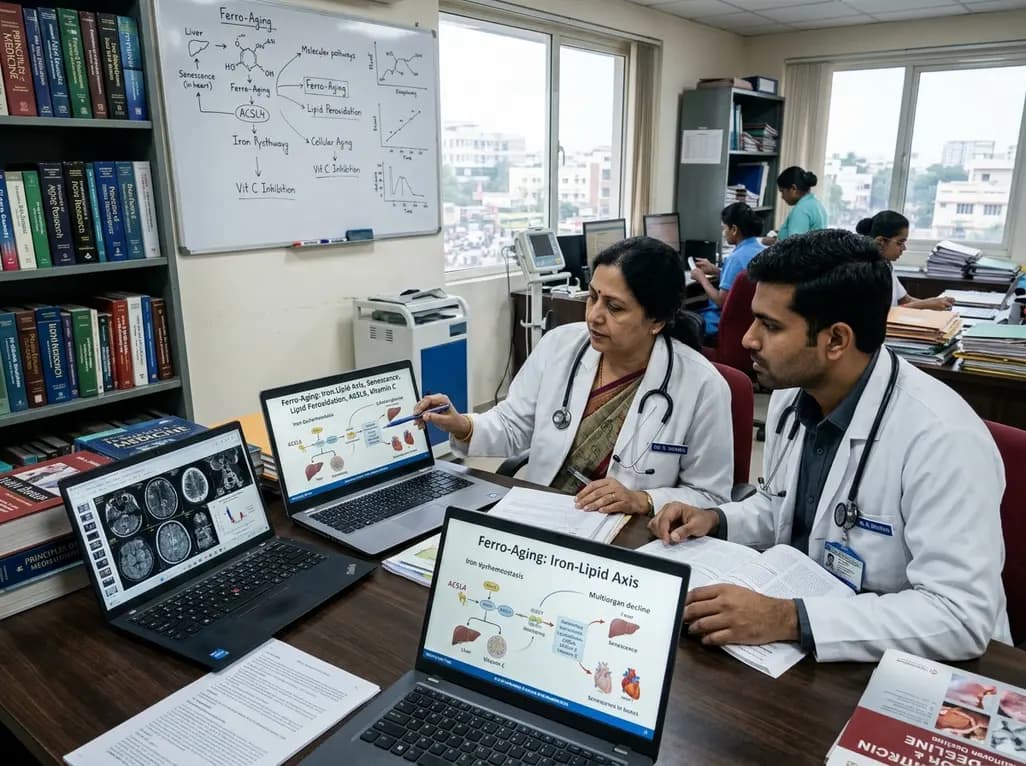
Recent research defines ferro-aging as a conserved iron-lipid axis driving organ decline across primates. Age-related iron dyshomeostasis stimulates ACSL4-mediated lipid peroxidation, promoting cellular senescence. Notably, vitamin C directly inhibits ACSL4, suppressing phospholipid oxidation and multi-organ decay.
Last week
