.webp&w=384&q=75)

Loading, please wait...
Loading, please wait...
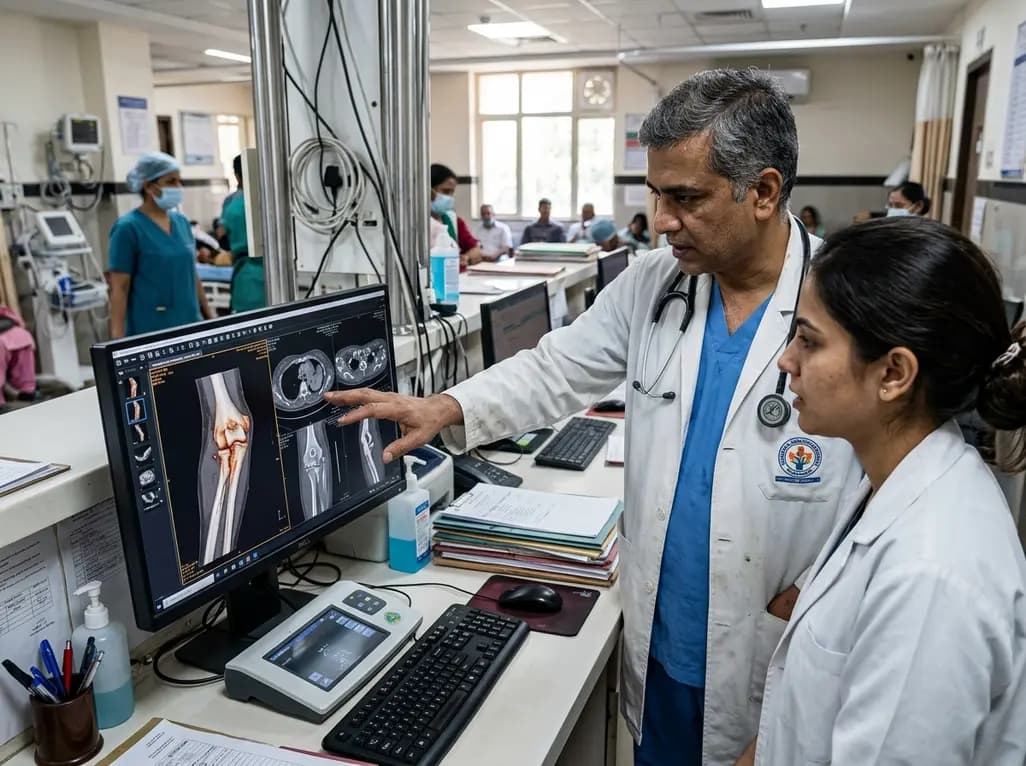
The terrible triad of the elbow is already a complex injury, but associated injuries to the ipsilateral upper limb can be missed because pain, swelling and restricted motion limit the initial examination. This systematic review examined additional osseous, ligamentous, chondral and soft-tissue injuries reported alongside terrible triad patterns. The review identified a range of concomitant injuries, with olecranon fractures among the more frequently reported associations. The clinical significance is that a focused elbow diagnosis is not enough: clinicians should assess the entire limb, especially when the trauma mechanism or imaging suggests additional pathology. The paper also reinforces the importance of advanced imaging and careful radiographic review when the examination is limited. From a surgical perspective, identifying associated injuries preoperatively can change the treatment plan, influence positioning and prevent unexpected instability or functional deficits after surgery. The evidence base consists largely of case reports and small series, so the exact frequency of additional injuries remains uncertain. Nevertheless, the principle is highly practical: in severe elbow trauma, a surgeon should actively look for injuries beyond the three classic components of the terrible triad. Better recognition can translate directly into safer planning and fewer missed diagnoses.

Read summarized clinical updates, watch expert medical content, and earn CME certifications right from your smartphone.
Open your smartphone camera to scan and install.





The terrible triad of the elbow is already a complex injury, but associated injuries to the ipsilateral upper limb can be missed because pain, swelling and restricted motion limit the initial examination. This systematic review examined additional osseous, ligamentous, chondral and soft-tissue injuries reported alongside terrible triad patterns. The review identified a range of concomitant injuries, with olecranon fractures among the more frequently reported associations. The clinical significance is that a focused elbow diagnosis is not enough: clinicians should assess the entire limb, especially when the trauma mechanism or imaging suggests additional pathology. The paper also reinforces the importance of advanced imaging and careful radiographic review when the examination is limited. From a surgical perspective, identifying associated injuries preoperatively can change the treatment plan, influence positioning and prevent unexpected instability or functional deficits after surgery. The evidence base consists largely of case reports and small series, so the exact frequency of additional injuries remains uncertain. Nevertheless, the principle is highly practical: in severe elbow trauma, a surgeon should actively look for injuries beyond the three classic components of the terrible triad. Better recognition can translate directly into safer planning and fewer missed diagnoses.
4 weeks back
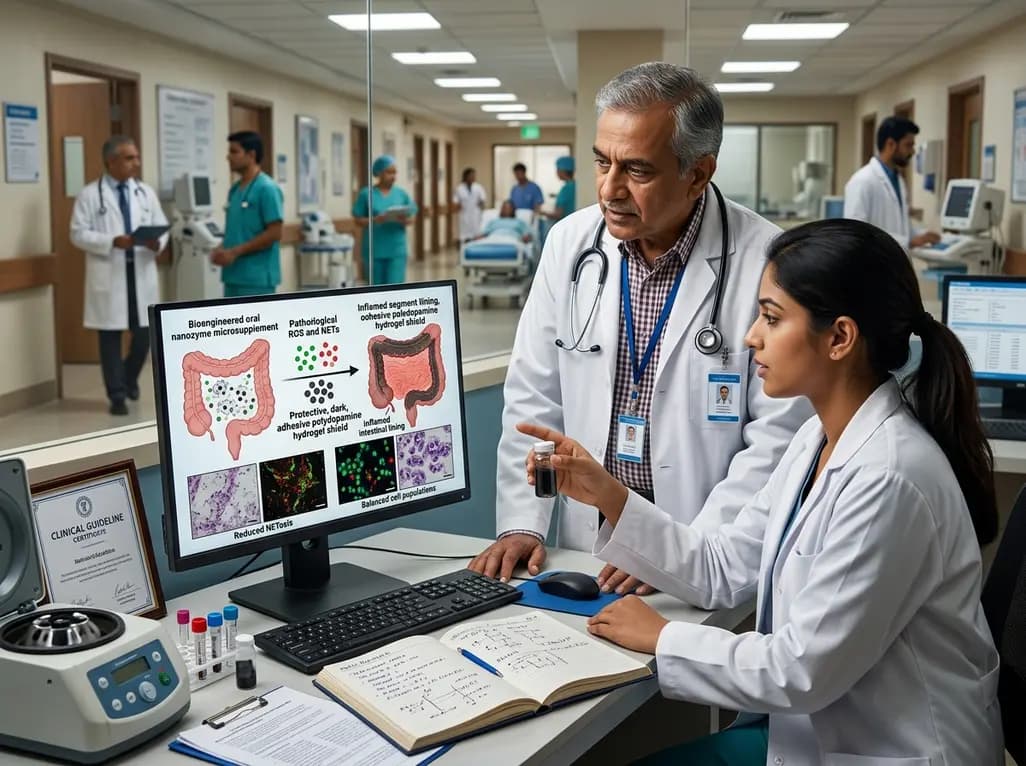
A bioengineered oral nanozyme microsupplement converts pathological ROS into a protective polydopamine hydrogel shield. By curbing neutrophil extracellular traps and balancing T cells, this platform outperforms standard 5-ASA in preclinical colitis models, opening new paths for sustained remission.
3 days back
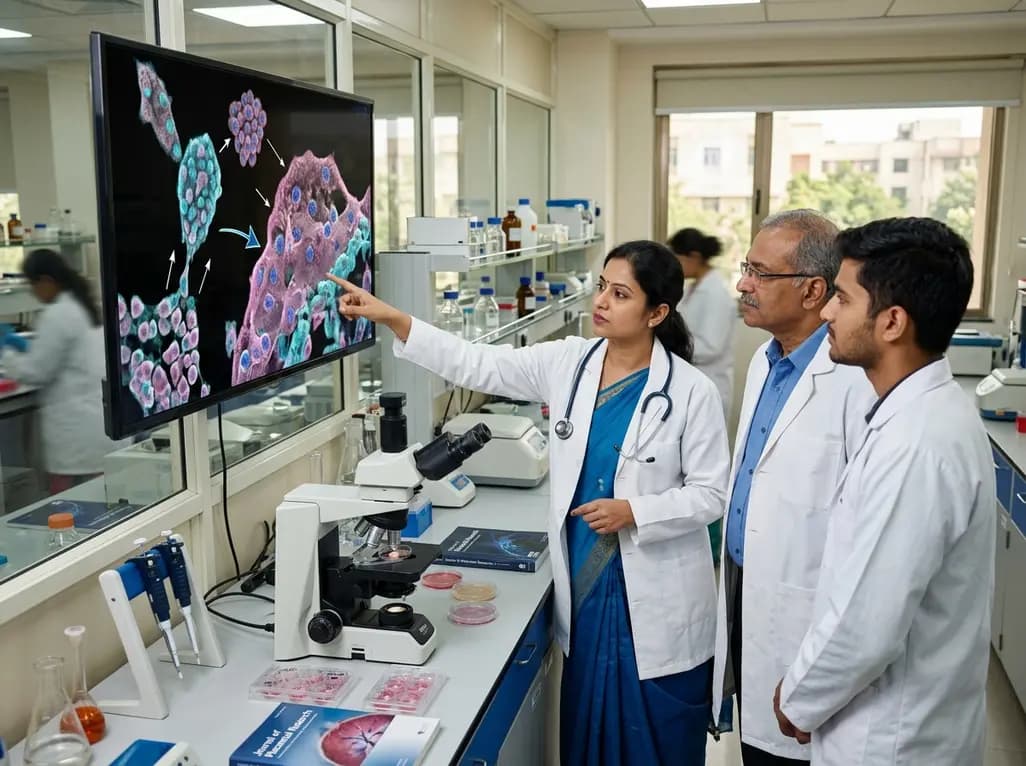
Recent research reveals that downregulating YAP1/TAZ-TEAD via Hippo signaling triggers spontaneous human trophoblast syncytialization in 3D cultures, illuminating placental biology and preeclampsia.
4 weeks back
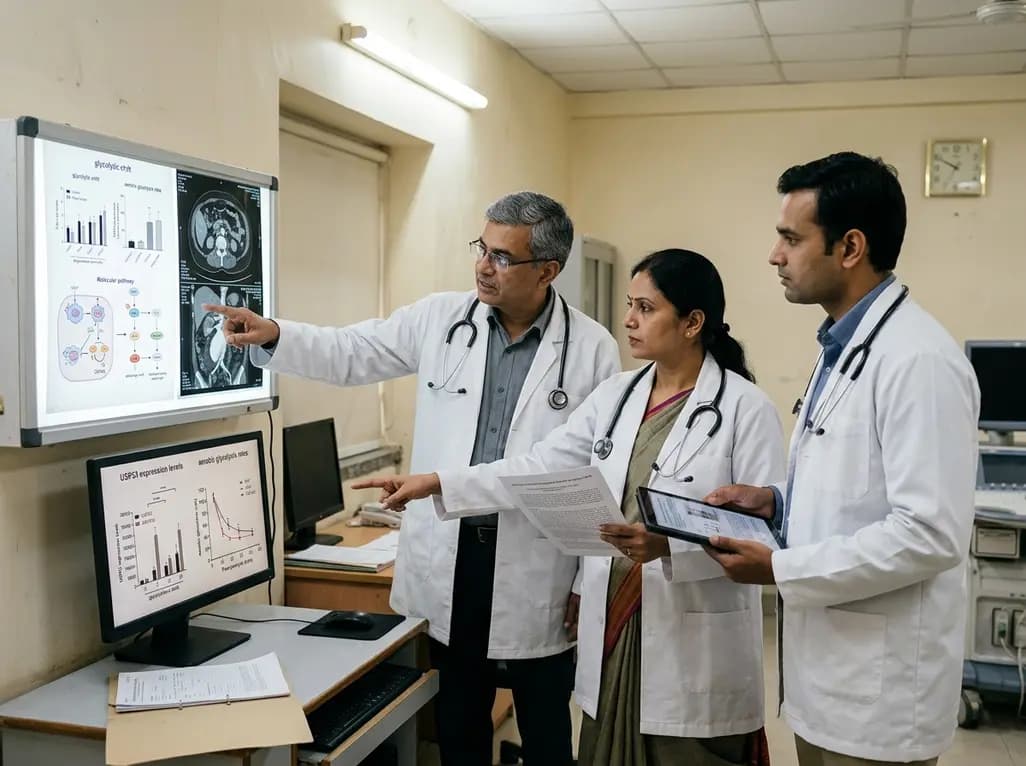
Abdominal aortic aneurysm rupture remains a catastrophic vascular emergency. Groundbreaking research reveals that USP53 accelerates aneurysm progression by reprogramming smooth muscle cell metabolism toward aerobic glycolysis, highlighting a promising target beyond conventional diameter-based surveillance.
5 days back
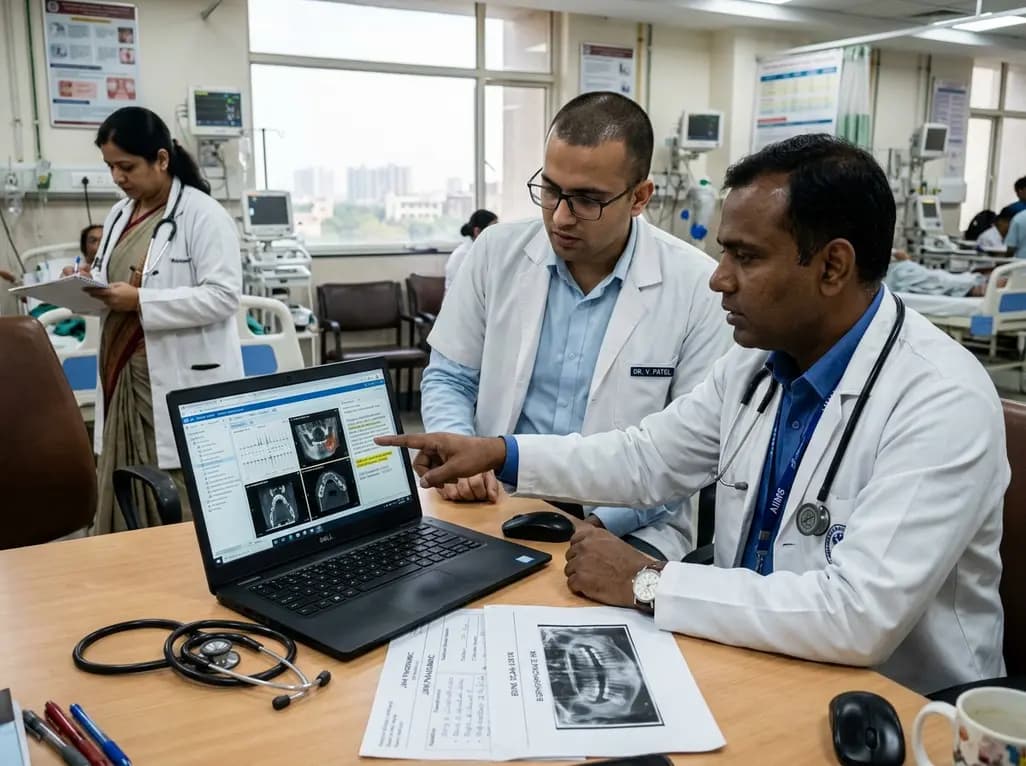
A breakthrough study leverages natural language processing to accurately identify incident medication-related osteonecrosis of the jaw and track antiresorptive drug holidays from clinical narratives in electronic health records, advancing osteoporosis pharmacovigilance and dental safety.
4 days back
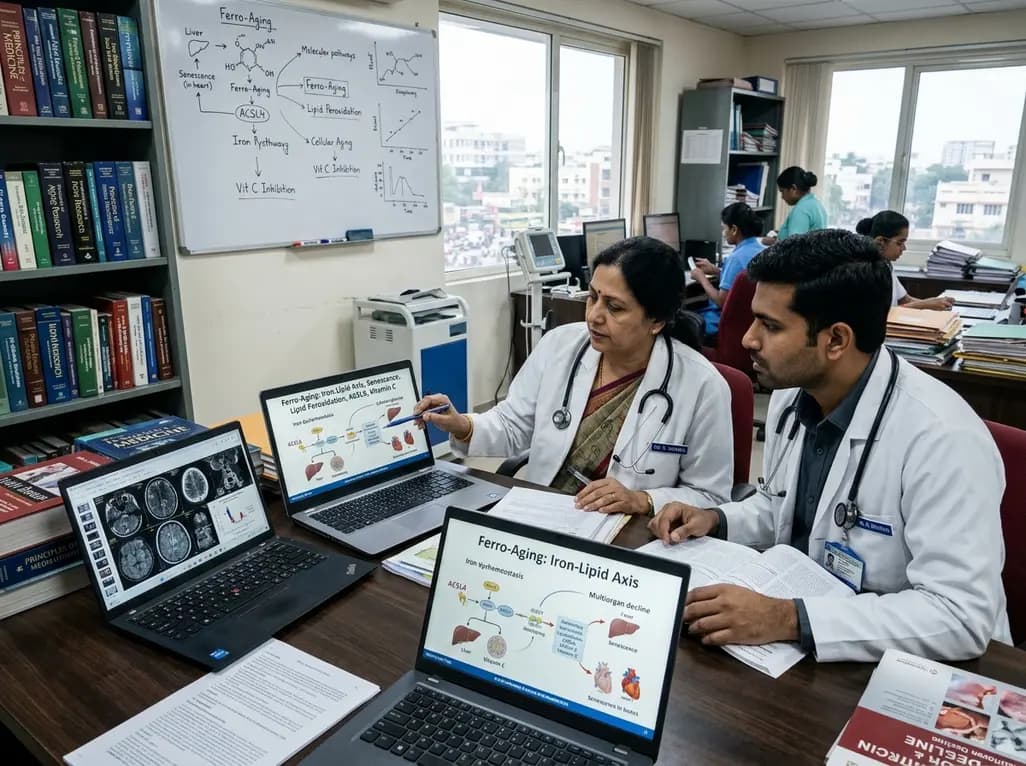
Recent research defines ferro-aging as a conserved iron-lipid axis driving organ decline across primates. Age-related iron dyshomeostasis stimulates ACSL4-mediated lipid peroxidation, promoting cellular senescence. Notably, vitamin C directly inhibits ACSL4, suppressing phospholipid oxidation and multi-organ decay.
5 days back
